
No products in the cart.
AI SEO AI APIs: The Complete Guide to Automating Search Optimization in 2025
31
Jul
Jul
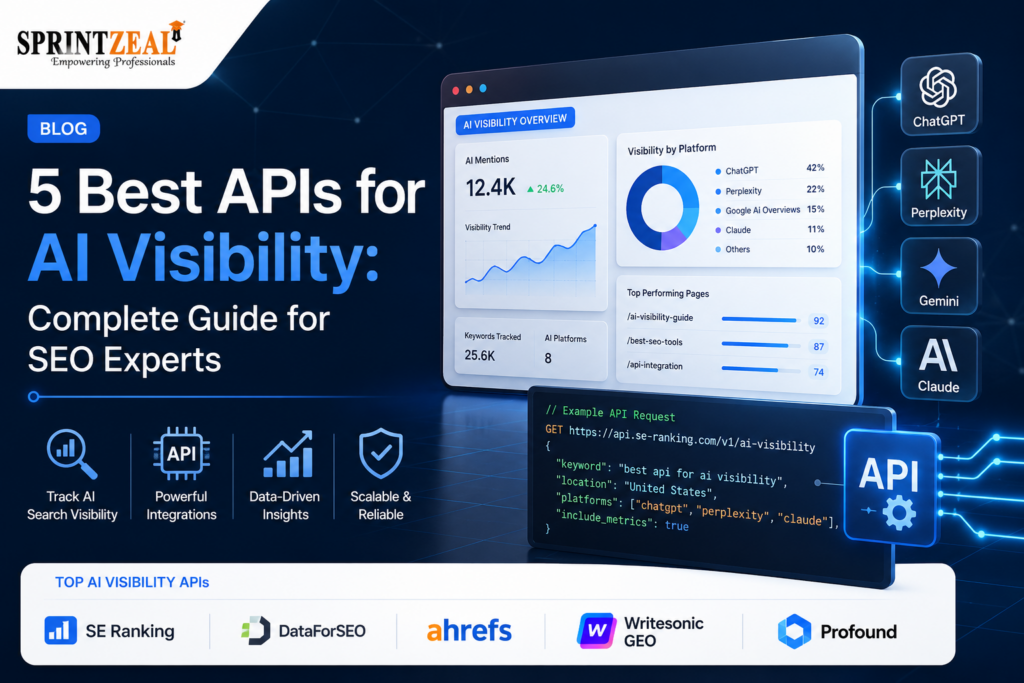
The digital marketing landscape has shifted dramatically. Search engines now prioritize content that demonstrates experience, expertise, authoritativeness, and trustworthiness. At the same time, artificial intelligence has moved from experimental to essential infrastructure. The convergence of these forces has created a new category of tools: AI SEO AI APIs. These interfaces allow developers and marketers to embed machine learning models directly into their content workflows, technical audits, and rank-tracking systems. Understanding how these APIs function, what they can automate, and where they fall short is critical for anyone managing organic growth at scale.
What Are AI SEO AI APIs?
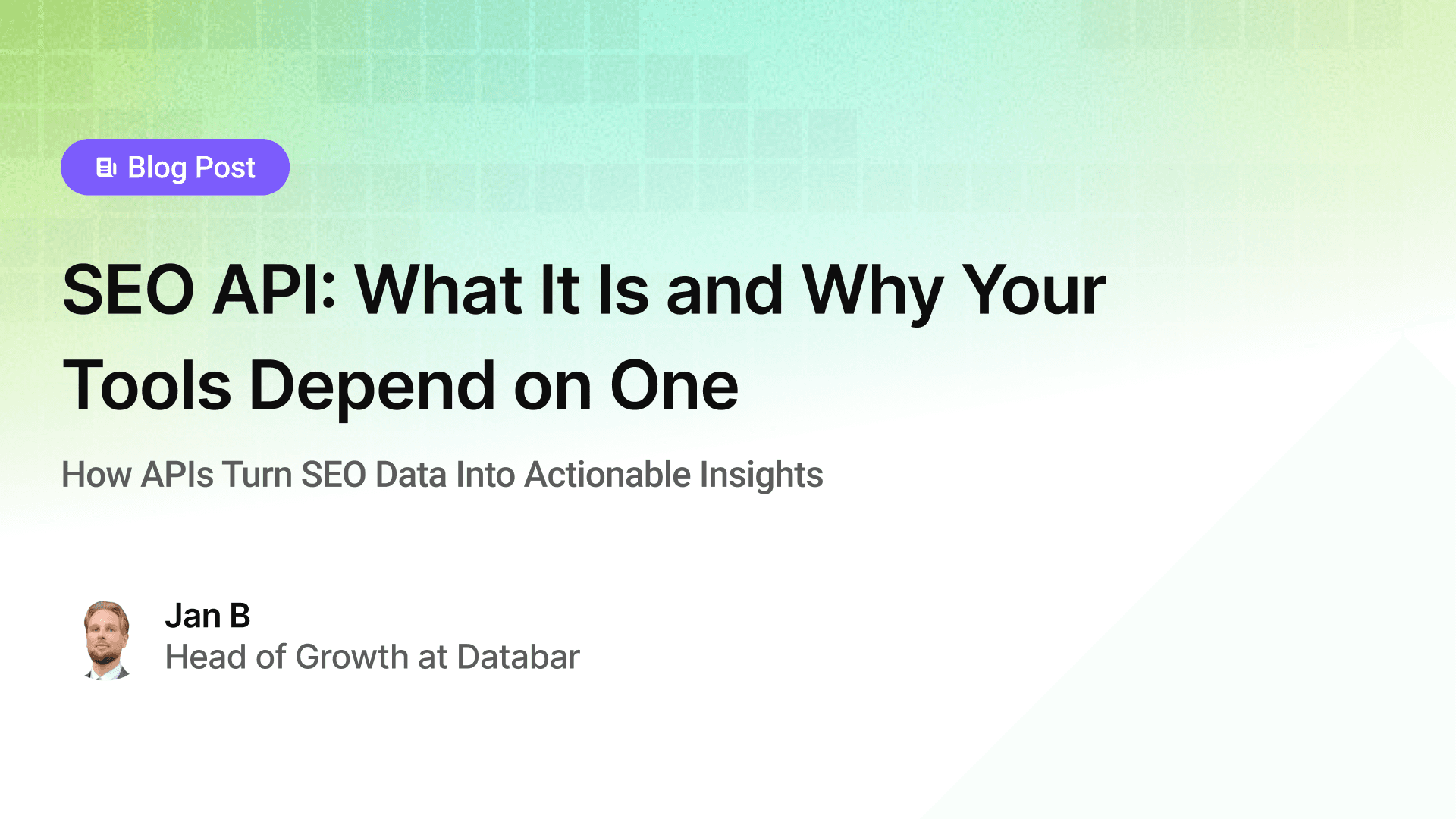
An API, or Application Programming Interface, is a set of protocols that allows different software applications to communicate with each other. When you add AI to that equation, you get a service that accepts data inputs—such as URLs, keyword lists, or raw text—and returns intelligent outputs like content scores, semantic recommendations, or predictive rankings. The term “AI SEO AI APIs” specifically refers to the intersection where these intelligent interfaces are used to solve search optimization problems.
These APIs are not standalone tools. They are building blocks. A typical SEO platform might use one API for natural language processing, another for structured data validation, and a third for competitor gap analysis. The power lies in the combination. By connecting these services through code, you can create custom workflows that run continuously without manual intervention.
The Core Components of AI SEO AI APIs
Most AI-powered SEO APIs fall into several distinct categories based on their function. Understanding these categories helps you choose the right service for your specific needs.
- Natural Language Processing (NLP) APIs: These analyze text for readability, sentiment, entity recognition, and semantic relevance. They help you understand whether your content actually matches the search intent behind a query.
- Predictive Analytics APIs: These use historical ranking data and machine learning models to forecast how changes to your content or site structure might impact your search visibility.
- Automated Content Generation APIs: These generate drafts, meta descriptions, schema markup, or even full articles based on a set of parameters. They are useful for scaling content production but require human oversight.
- Technical Audit APIs: These crawl your website and use AI to identify issues like broken links, slow page speed, or missing alt text, prioritizing them based on potential impact on rankings.
- Rank Tracking and SERP Analysis APIs: These monitor your positions across different keywords and geographies, using AI to detect patterns in algorithm updates or competitor movements.
- Focus on High-Impact Pages: Do not use AI to optimize every single page on your site. Prioritize pages that have the highest traffic potential or are critical to your conversion funnel.
- Combine AI with Human Expertise: Use AI to handle the repetitive analysis and data processing. Use your team’s expertise to interpret the results and make strategic decisions.
- Stay Updated on Algorithm Changes: AI models are trained on historical data. When Google releases a major core update, the API’s predictions may become less accurate. Re-validate your models after significant algorithm shifts.
- Document Your Workflows: Create clear documentation of how your APIs are integrated, what they are used for, and who is responsible for monitoring them. This ensures continuity if team members leave.
Why AI SEO AI APIs Matter for Modern Search Optimization
Traditional SEO relied heavily on manual processes. You would run a keyword report, manually optimize a page, and wait weeks to see results. That approach no longer works. Search engines now process billions of queries daily, and their algorithms are constantly learning. To keep pace, you need systems that can analyze data, generate insights, and implement changes faster than any human team.
AI SEO AI APIs provide that speed. They can process thousands of URLs in minutes, identify content gaps across your entire niche, and generate optimized briefs that align with current ranking factors. This is not about replacing human judgment. It is about augmenting it with computational power that can handle the sheer volume of data involved in modern search optimization.
Real-World Example: Content Optimization at Scale
Consider a large e-commerce site with 50,000 product pages. Manually reviewing each page for keyword optimization, internal linking opportunities, and schema markup would take months. By using an NLP API that analyzes each product description against a set of target keywords, the team can instantly identify which pages are underperforming. The API can then generate specific recommendations for title tag improvements or content additions. This process, which once took a quarter, now takes a single afternoon.
Key Benefits of Integrating AI SEO AI APIs
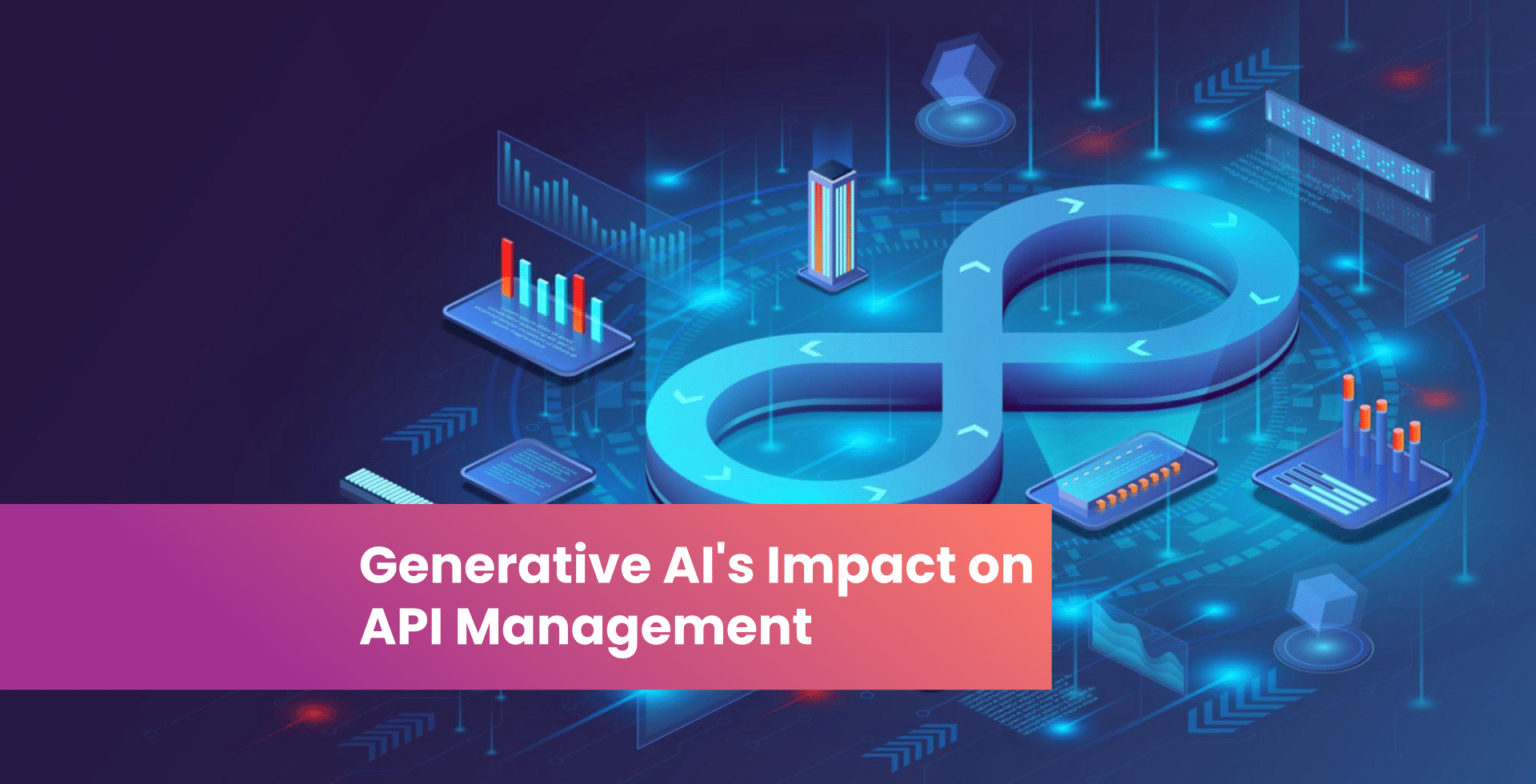
The advantages of using these APIs extend beyond simple time savings. They fundamentally change how you approach search strategy.
Enhanced Accuracy in Keyword Research
Traditional keyword tools rely on volume and competition metrics. AI APIs go deeper. They analyze the semantic relationship between words, understand user intent behind a query, and cluster keywords into topical groups. This means you can identify not just what people are searching for, but why they are searching for it. This leads to content that answers actual questions rather than just targeting high-volume phrases.
Real-Time Content Optimization
Instead of writing content and then checking it against a checklist, AI APIs can provide real-time feedback. As you write, the API can analyze your draft against top-ranking pages for your target keyword. It can suggest related terms you have missed, flag sections that are too thin, or recommend a more compelling meta description. This iterative process results in higher-quality content from the first draft.
Automated Technical SEO Monitoring
Technical issues like broken links, duplicate content, or slow-loading pages can silently erode your rankings. AI-powered audit APIs can continuously monitor your site for these issues. They do not just report problems; they prioritize them based on the potential impact on your revenue-generating pages. This allows you to focus your development resources on fixes that actually matter.
Predictive Performance Modeling
One of the most powerful features of AI SEO AI APIs is their ability to predict outcomes. By feeding historical data into a machine learning model, you can estimate how a new piece of content will perform before you even publish it. This helps you allocate resources to topics with the highest potential return on investment.
Limitations and Challenges of AI SEO AI APIs
While the benefits are substantial, it is equally important to understand the limitations. AI is not a magic bullet. It requires careful implementation and ongoing management.
Data Quality Dependence
An AI model is only as good as the data it is trained on. If you feed it inaccurate or biased information, it will produce flawed recommendations. For example, if your historical ranking data is corrupted by a previous algorithm penalty, the API might suggest strategies that no longer work. You must ensure your data sources are clean and reliable.
Lack of Contextual Understanding
AI excels at pattern recognition but struggles with nuance. It might identify that a certain keyword appears frequently in top-ranking pages, but it cannot understand the cultural context or brand voice that makes your content unique. Over-reliance on AI recommendations can lead to generic, robotic content that fails to connect with your audience.
Cost and Technical Complexity
High-quality AI APIs are not cheap. They often charge per request or based on the volume of data processed. Additionally, integrating these APIs into your existing tech stack requires skilled developers. For small businesses with limited resources, the cost-benefit analysis may not always favor implementation.
Comparing Popular AI SEO AI APIs
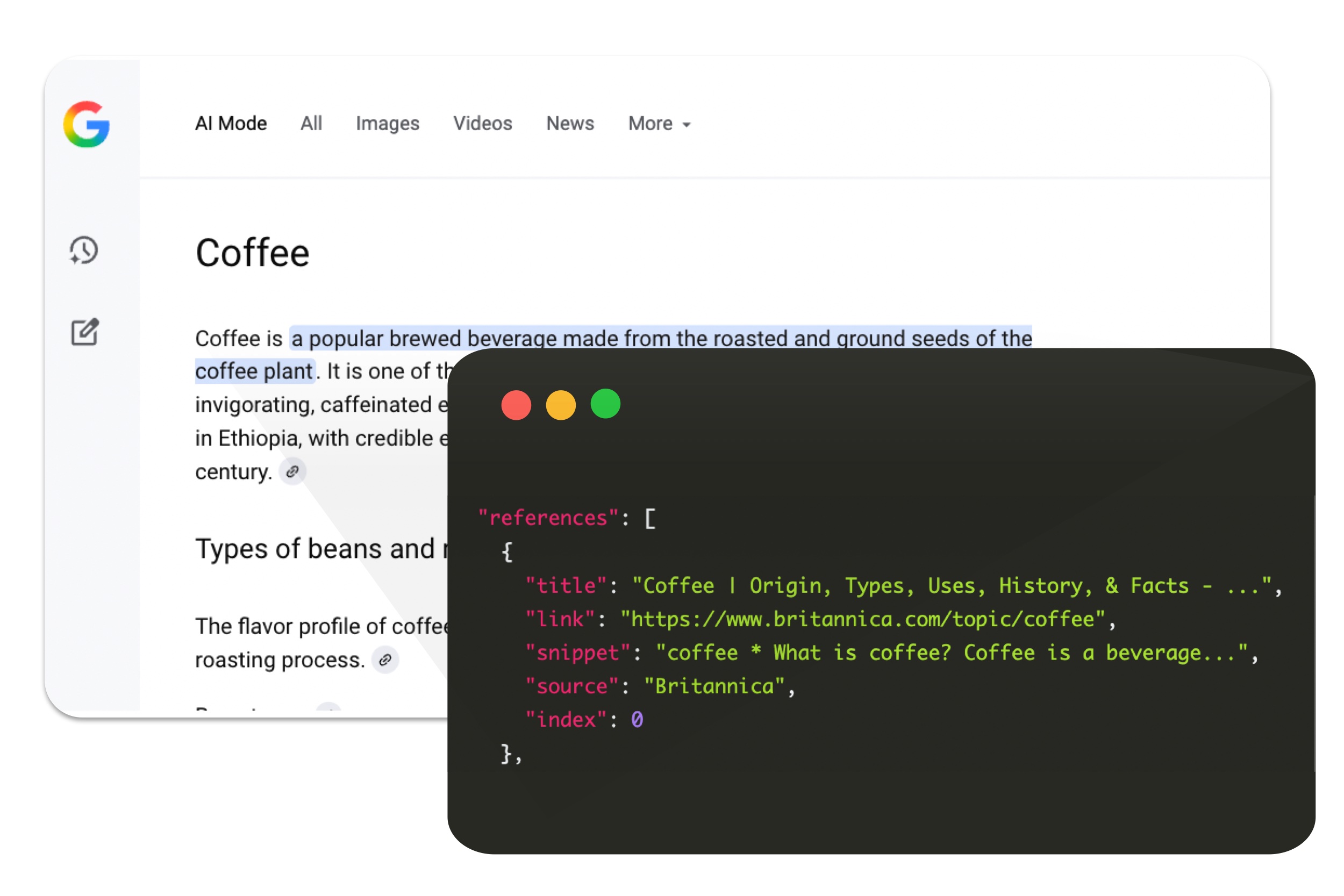
The market for AI SEO APIs is crowded. Different providers excel in different areas. The following table compares some of the leading options based on their primary strengths and typical use cases.
| API Provider | Primary Function | Best For | Key Limitation |
|---|---|---|---|
| OpenAI GPT-4 | Content generation and semantic analysis | Drafting articles, generating meta descriptions, summarizing competitor content | Can produce generic text if not prompted carefully |
| Google Cloud Natural Language | Entity recognition and sentiment analysis | Understanding user intent, analyzing brand mentions, categorizing content | Requires Google Cloud setup and billing |
| Semrush API | Keyword research and rank tracking | Pulling large keyword datasets, monitoring positions, analyzing backlinks | Data can be delayed compared to real-time SERP scraping |
| Ahrefs API | Backlink analysis and content gap identification | Competitor research, finding link-building opportunities, auditing content | Pricing tiers can be expensive for high-volume usage |
| DataForSEO | Real-time SERP data retrieval | Tracking live rankings, analyzing featured snippets, monitoring local SEO | Requires technical expertise to parse complex JSON responses |
Practical Guide: How to Implement AI SEO AI APIs
Implementing these APIs requires a structured approach. Jumping in without a plan will lead to wasted resources and confusing results. Follow these steps to build a successful integration.
Step 1: Define Your Specific Use Case
Do not try to automate everything at once. Start with a single, well-defined problem. Are you struggling with content production speed? Is your technical audit process too slow? Do you need better keyword clustering? Choose one pain point and find an API that directly addresses it.
Step 2: Evaluate Data Privacy and Security
When you send data to an external API, you are sharing it with a third party. Ensure that the provider complies with GDPR, CCPA, and other relevant regulations. Check their data retention policies. If you are processing sensitive customer data, you may need to use a private cloud deployment or a self-hosted model.
Step 3: Start with a Pilot Project
Before integrating the API into your main production environment, run a pilot test. Use a small sample of data to verify that the API’s output is accurate and useful. Compare the AI-generated recommendations against your manual analysis. This validation step is crucial for building trust in the system.
Step 4: Build the Integration Layer
Your developers will need to write code that connects your CMS, analytics platform, or custom database to the API. This typically involves creating a middleware service that handles authentication, request formatting, and response parsing. Consider using webhooks to trigger API calls automatically when new content is published.
Step 5: Establish a Feedback Loop
AI models improve with feedback. Track the performance of pages that were optimized using the API. If a recommendation did not lead to improved rankings, feed that information back into the system. Over time, this will refine the model’s accuracy for your specific niche.
Common Mistakes When Using AI SEO AI APIs
Many teams make avoidable errors when adopting this technology. Recognizing these pitfalls can save you significant time and frustration.
Mistake 1: Ignoring Human Oversight
Delegating all decisions to the AI is a recipe for disaster. The API can suggest a title tag, but it cannot know that your brand voice is playful and irreverent. Always have a human editor review AI-generated output before it goes live. The best results come from a partnership between machine efficiency and human creativity.
Mistake 2: Using a Single API for Everything
No single API excels at every task. A content generation API might be terrible at technical audits. A rank-tracking API might produce poor content suggestions. Use a combination of specialized services to build a comprehensive toolkit.
Mistake 3: Neglecting Prompt Engineering
For generative AI APIs, the quality of the output is directly tied to the quality of the input prompt. Vague prompts produce vague content. Spend time crafting detailed prompts that include your target audience, desired tone, key points to cover, and examples of good writing.
Mistake 4: Failing to Monitor API Costs
API usage can escalate quickly. A simple script that runs every hour and processes thousands of URLs can generate significant bills. Set up budget alerts and monitor your usage dashboards regularly. Optimize your code to make fewer, larger requests rather than many small ones.
Important Notes for Maximizing ROI
To get the most value from AI SEO AI APIs, keep these considerations in mind.
Frequently Asked Questions
What is the difference between an AI SEO tool and an AI SEO API?
An AI SEO tool is a complete software application with a user interface that you interact with directly. An AI SEO API is a backend service that developers integrate into their own custom software. Tools are easier to use but less flexible. APIs require coding skills but offer unlimited customization and automation potential.
Can AI SEO AI APIs replace human SEO specialists?
No. AI APIs can automate data collection, analysis, and repetitive tasks, but they cannot replicate strategic thinking, creative storytelling, or relationship building. Human specialists are still needed to interpret data, set strategy, and ensure content aligns with brand values. The most effective teams use AI to handle the heavy lifting so humans can focus on high-level decision-making.
How much do AI SEO AI APIs cost?
Pricing varies widely. Some APIs charge per 1,000 requests, with costs ranging from a few cents to several dollars depending on the complexity of the task. Others use a subscription model with tiered pricing based on usage volume. Enterprise-level solutions with dedicated support and custom models can cost thousands of dollars per month. It is essential to estimate your expected usage before committing to a plan.
Are AI SEO AI APIs suitable for small businesses?
Yes, but with caveats. Small businesses can benefit from using these APIs for specific tasks like generating meta descriptions or analyzing competitor content. However, they should start with free tiers or low-cost plans to test the value. Investing in expensive enterprise APIs without a clear use case is not recommended.
How do I choose the right AI SEO AI API for my needs?
Start by listing your specific pain points. Then, research which APIs address those exact issues. Read documentation, check user reviews, and take advantage of free trials. Consider the technical expertise of your team. If you do not have developers, you may need to use a tool that wraps the API in a user-friendly interface instead.
Conclusion
AI SEO AI APIs represent a significant shift in how search optimization is executed. They move the discipline from a manual, reactive process to an automated, predictive one. By integrating these intelligent interfaces into your workflows, you can analyze data at scale, generate optimized content faster, and respond to algorithm changes with greater agility. The key to success lies in understanding that these APIs are tools, not replacements for expertise. They require careful selection, thoughtful implementation, and continuous human oversight. When used correctly, they provide a substantial competitive advantage in an increasingly crowded digital landscape. The future of SEO belongs to those who can effectively combine the analytical power of artificial intelligence with the strategic vision of experienced marketers.
Xem thêm:
- AI SEO Heading Generator: The Complete Guide to Higher Rankings in 2025
- AI SEO Ranking Opportunities: The Complete Playbook for 2025
- AI SEO AI Overview Citations: The Complete Guide to Winning Google’s AI Search
- How to Create SEO Briefs with AI: A Step-by-Step System for Faster, Smarter Content Planning
- AI SEO Mobile First Indexing: The Complete Guide to Future-Proofing Your Rankings
Bài viết cùng chủ đề:

AI SEO SEO Automation with Make: The Complete Workflow Guide

AI SEO SEO Automation with Zapier: The Complete Workflow Guide

AI SEO SEO Automation with n8n: The Complete Workflow Guide
AI SEO SEO Automation with Gemini: The Complete Guide to Scaling Organic Growth

AI SEO SEO Automation with Claude: The Complete Guide to Scaling Content in 2025

AI SEO SEO Automation with ChatGPT: The Complete Playbook for 2025

AI SEO & SEO Automation for Affiliate Sites: The 2025 Playbook for Passive Income Growth
AI SEO & SEO Automation for Bloggers: The Complete Guide to Scaling Your Content

AI SEO & SEO Automation for Agencies: The Complete 2025 Playbook

AI SEO and SEO Automation for Ecommerce: The Complete Playbook for 2025

AI SEO & SEO Automation for WordPress: The Complete Playbook for 2025
AI SEO SEO Automation Strategy: The Complete Playbook for 2025

Mastering the AI SEO SEO Automation Process: A Complete Guide to Scaling Organic Growth
AI SEO SEO Automation System: The Complete Guide to Scaling Organic Growth in 2025
AI SEO SEO Automation Platform: The Complete Guide to Scaling Organic Growth in 2025
AI SEO SEO Automation Software: The Complete Guide to Scaling Organic Growth in 2025















