
No products in the cart.
AI SEO AI Search Sources: The Complete Guide to Optimizing for Generative Engines
10
Aug
Aug
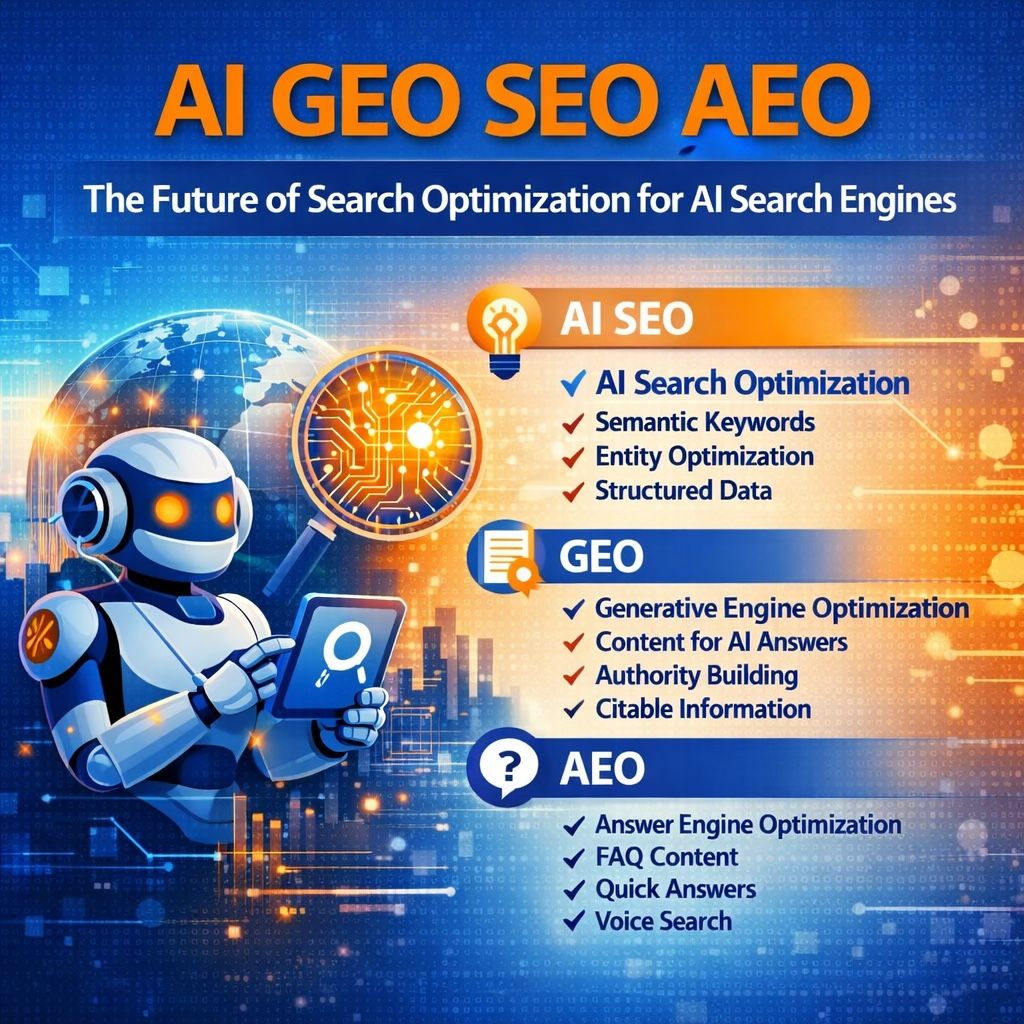
The digital marketing landscape is undergoing a seismic shift. Traditional search engine optimization focused on ranking in a list of blue links, but the rise of generative AI has introduced a new paradigm: AI search. This evolution demands a fresh approach, and at the heart of this strategy lies the concept of “AI SEO AI Search Sources.” Understanding how AI engines like ChatGPT, Perplexity, and Google’s AI Overviews source their information is no longer optional; it is the cornerstone of modern visibility. This guide provides a deep dive into what these sources are, how they work, and how you can optimize your content to become a primary reference for AI-driven answers.
What Are AI Search Sources in the Context of AI SEO?

In traditional SEO, search engines crawl, index, and rank web pages based on relevance and authority. AI search operates differently. Instead of just providing links, generative AI engines synthesize information from multiple web pages to create a single, conversational answer. The “sources” are the specific websites, databases, and content pieces that the AI model pulls from to generate that response.
Therefore, AI SEO is the practice of optimizing your digital footprint so that AI models select your content as a source. It is about being the cited authority in an AI-generated summary. This requires a shift from optimizing for keywords alone to optimizing for context, clarity, and verifiable expertise. The goal is to make it impossible for an AI to answer a relevant question without referencing your data.
The Shift from PageRank to SourceRank
Google’s original PageRank algorithm measured authority through backlinks. AI models use a more complex matrix that includes brand mentions, citation frequency, data consistency, and the semantic clarity of your content. This new metric, often called “SourceRank,” determines how likely an AI is to trust and use your information. Building SourceRank involves ensuring your content is not only well-written but also structurally easy for a machine to parse and cross-reference.
How Do AI Engines Select Their Sources?
To optimize for AI SEO, you must understand the mechanics of source selection. While the proprietary algorithms of companies like OpenAI and Google are secret, research and observation reveal several key factors that influence which websites are cited.
1. Crawlability and Structured Data
AI models rely on web crawlers to index content. If your site is technically sound, loads quickly, and uses structured data (Schema.org markup), you have a significant advantage. Structured data helps AI understand the relationship between entities on your page. For example, marking up a product review with the correct schema tells the AI exactly what the rating is, who the reviewer is, and what the product features are, making it easy to cite.
2. Entity Clarity and Topical Authority
AI engines build knowledge graphs based on entities (people, places, things) and their relationships. Your content must clearly define these entities. If you write about “Apple,” the AI needs to know if you mean the fruit or the technology company. Establishing topical authority by covering a subject comprehensively—from beginner to expert level—signals to the AI that your site is a reliable hub for that specific niche.
3. Citation Frequency in Training Data
AI models are trained on vast datasets. If your website is frequently referenced in academic papers, industry reports, or high-authority forums, it becomes embedded in the model’s baseline knowledge. This is why digital PR and getting quoted in reputable publications are crucial components of AI SEO. The more your brand appears in the training data, the more likely the AI is to default to your information.
4. Freshness and Recency
While training data has a cutoff date, modern AI search engines perform live web searches to answer queries about current events. For “recency-sensitive” queries, the AI prioritizes the most recently updated, high-quality sources. Maintaining a consistent publishing schedule and updating cornerstone content with new data points ensures you are considered for these real-time citations.
Key Categories of AI Search Sources
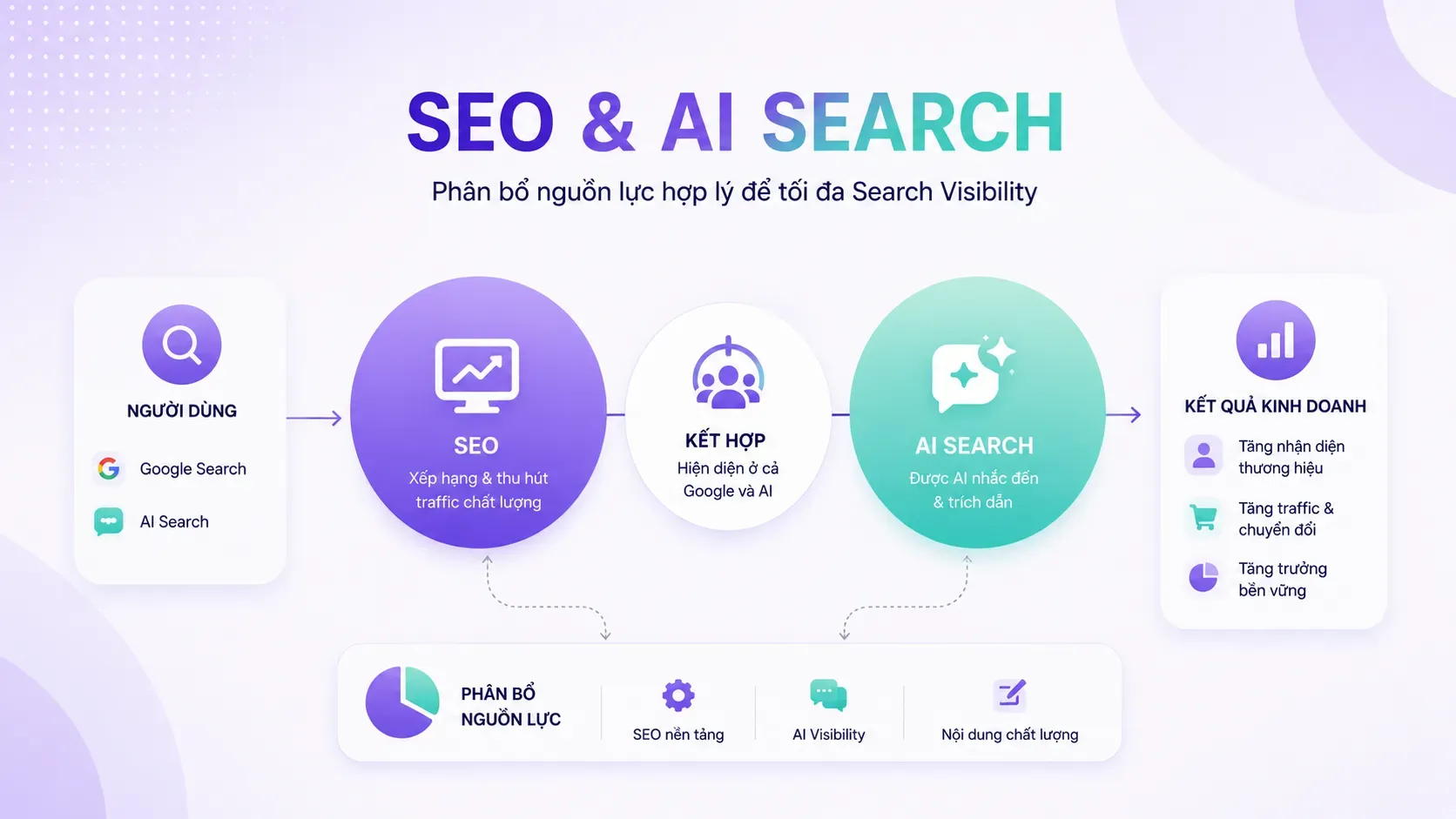
Not all sources are created equal. AI engines tend to favor specific types of content due to their structure and reliability. Here are the primary categories you should focus on.
| Source Type | Why AI Prefers It | Optimization Strategy |
|---|---|---|
| Long-Form Guides | Comprehensive coverage of a topic, providing context and definitions. | Create 2,000+ word pillar pages that answer multiple related questions. |
| Statistical Data & Research | Provides verifiable facts and figures that ground the AI’s answer. | Publish original research, surveys, and data visualizations. Cite your sources. |
| Expert Opinions (E-E-A-T) | Adds authority and trustworthiness to the generated response. | Include author bios, credentials, and quotes from industry leaders. |
| FAQ Sections | Directly matches the question-answer format of AI responses. | Use clear, concise Q&A formatting with schema markup. |
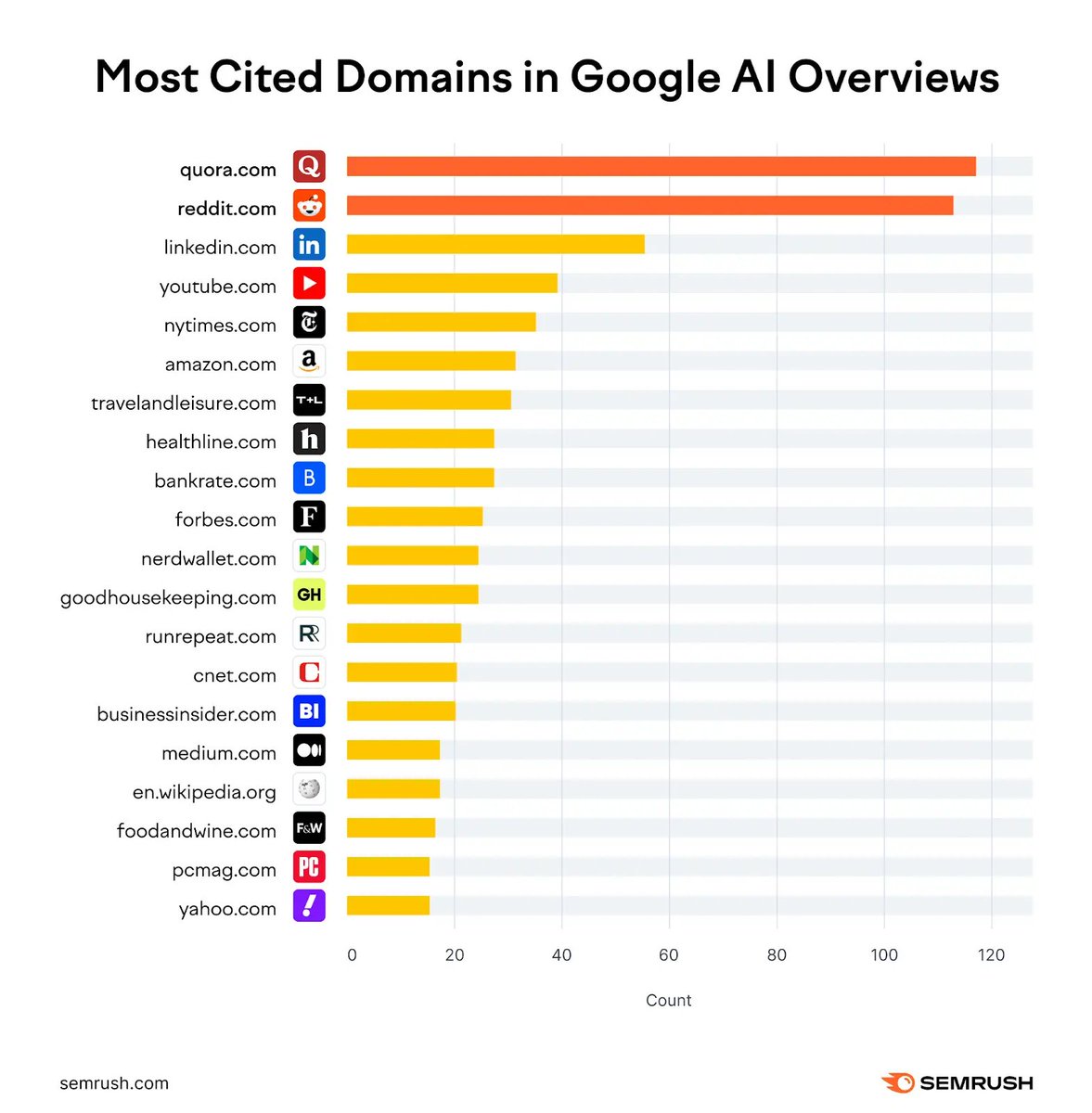
| User Reviews & Forums | Provides authentic, experiential data that is hard to fabricate. | Encourage reviews on your site and monitor Reddit/Quora threads. |
Practical Strategies to Optimize for AI Search Sources
Knowing the theory is one thing; implementing it is another.
Step 1: Optimize for Direct Answers
AI engines love clear, direct answers. Structure your content to answer questions immediately. If your H2 is “What is AI SEO?”, the very first sentence of that section should be the answer. Do not bury the lede. Use the “inverted pyramid” style: answer first, explain second, and provide background third. This makes it easy for the AI to extract the exact snippet it needs.
Step 2: Build a Robust Internal Linking Network
Internal links help AI crawlers understand the relationship between your pages. A strong internal linking structure creates a “knowledge graph” within your own domain. Link from your high-authority pages to newer, related content. Use descriptive anchor text that includes the target keyword of the linked page. This helps the AI understand the context of the link, not just the URL.
Step 3: Leverage the “People Also Ask” Data
Google’s “People Also Ask” (PAA) boxes are a goldmine for AI SEO. These questions represent the exact queries users are asking. Create dedicated sections or subheadings that answer these PAA questions directly. This increases your chances of appearing in both traditional SERPs and AI-generated summaries, as the AI often pulls from the same question-based content.
Step 4: Focus on Brand Mentions and Digital PR
Unlinked brand mentions are a ranking factor in traditional SEO, but they are even more critical for AI. AI models read the web semantically; they do not just look at hyperlinks. If your brand is mentioned in a positive context on a high-authority site, the AI notes that. Invest in digital PR to get your brand name and key executives quoted in industry publications. This builds the “entity” of your brand in the AI’s knowledge graph.
Step 5: Create Original Data and Visuals
Original research is the most powerful currency in AI SEO. When you publish proprietary data, you become the primary source. AI engines will cite your study, and other websites will link to it, creating a cycle of authority. Ensure your data is presented in a clear, tabular format that is easy for AI to parse. Include a summary of key findings at the top of the page.
Common Mistakes in AI SEO and How to Avoid Them
As with any new discipline, there are pitfalls. Avoiding these common errors will save you time and improve your SourceRank.
- Ignoring Technical SEO: If your site is slow or has broken links, AI crawlers will abandon it. Fix your Core Web Vitals before creating new content.
- Keyword Stuffing: AI models are sophisticated. They penalize unnatural language. Write for humans first, and the A
- Thin Content: AI engines need depth to verify information. A 300-word blog post is rarely cited. Aim for comprehensive coverage.
- Neglecting Updates: AI prioritizes freshness. If your statistics are from 2020, the A Update your data regularly.
- Ignoring User Intent: If you write about “best coffee machines” but your content is a product description, you will not be cited. Match your content to the search intent (informational, transactional, etc.).
- Higher Trust: Being cited by an AI engine positions your brand as a thought leader.
- Zero-Click Visibility: Even if users do not click your link, they see your brand name in the AI answer, building awareness.
- Future-Proofing: As AI search becomes the default, you will already have a competitive advantage.
- Lack of Control: You cannot control how the AI phrases your information or if it misinterprets it.
- Attribution Issues: Sometimes the AI cites a source that aggregated your data, not your original site.
- High Competition: The “top spot” in AI answers is often dominated by massive, authoritative domains like Wikipedia or government sites.
Benefits and Limitations of AI Search Optimization
Understanding the pros and cons of this new field helps set realistic expectations for your strategy.
The Benefits
The Limitations
Important Notes on E-E-A-T in the AI Era
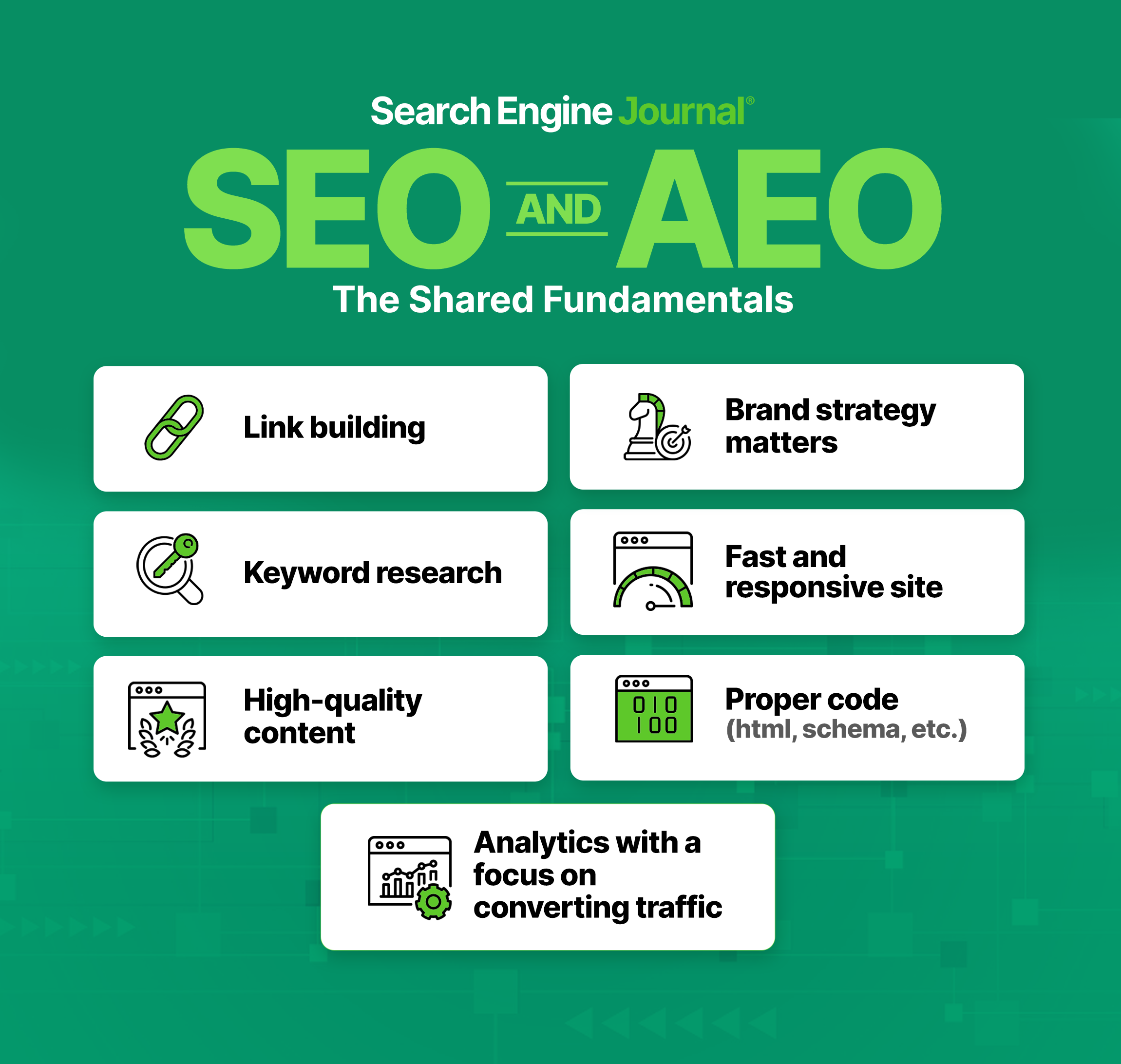
Google’s E-E-A-T (Experience, Expertise, Authoritativeness, Trustworthiness) framework is more relevant than ever in AI SEO. AI models are designed to avoid spreading misinformation. They are more likely to cite content that demonstrates clear E-E-A-T signals.
To prove your Experience, include first-hand examples and case studies. To show Expertise, ensure your content is fact-checked and detailed. To build Authoritativeness, secure backlinks and mentions from respected domains. To demonstrate Trustworthiness, maintain a secure site (HTTPS), have a clear privacy policy, and cite your own sources. These signals tell the AI that your content is safe to use.
Frequently Asked Questions (FAQ)
What is the difference between traditional SEO and AI SEO?
Traditional SEO focuses on ranking in a list of search results (SERPs) to earn clicks. AI SEO focuses on being cited as a source within an AI-generated answer. Traditional SEO targets keywords for page ranking, while AI SEO targets entities and context for source selection. The goal of AI SEO is to be the reference, not just the link.
How do I check if my content is being used as an AI search source?
You can manually query AI engines like ChatGPT, Perplexity, or Google’s AI Overviews with questions related to your niche. Look for your brand name or specific data points from your site in the response. You can also monitor your referral traffic in Google Analytics; a spike from “chat.openai.com” or “perplexity.ai” indicates you are being cited.
Does structured data guarantee Schema markup helps AI engines understand your content, but they still require high-quality, relevant information. Structured data is the “packaging” that makes your content easier to consume, but the “product” (your writing) must still be excellent.Are backlinks still important for AI SEO?
Yes, backlinks remain crucial. AI models use backlinks to determine the authority and relevance of a page. However, the quality of the linking domain matters more than quantity. A link from a high-authority industry journal is worth more than a hundred links from spam directories. Backlinks are a primary signal for the “Authoritativeness” part of E-E-A-T.
How often should I update my content for AI search?
For evergreen topics, review and update your content every 6-12 months to ensure data is current. For news or trending topics, update within hours or days. AI engines favor fresh data for time-sensitive queries. Adding a “Last Updated” date to your articles helps the AI verify the recency of your information.
Conclusion
The transition to AI-driven search is not a passing trend; it is the new reality of digital discovery. Optimizing for “AI SEO AI Search Sources” requires a fundamental shift in mindset. You are no longer writing for a ranking algorithm; you are writing for a reasoning engine that synthesizes information. By focusing on clarity, authority, structured data, and genuine expertise, you can position your brand as the definitive source in your industry. The brands that adapt to this new paradigm today will be the ones that dominate the search landscape of tomorrow. Start by auditing your current content, identifying gaps in your topical authority, and committing to a strategy that prioritizes being the source, not just the result.
Xem thêm:
- AI SEO Keyword Semantics: The Complete Guide to Search Intent Optimization
- AI SEO Seasonal Content: The Complete Playbook for Year-Round Organic Growth
- AI SEO for Beauty: The Complete Guide to Dominating Search in 2025
- AI SEO Link Juice: The Complete Guide to Automating Authority Transfer in 2025
- AI SEO for Technology: The Complete Playbook for B2B and SaaS Growth
Bài viết cùng chủ đề:

AI SEO SEO Automation with Make: The Complete Workflow Guide

AI SEO SEO Automation with Zapier: The Complete Workflow Guide

AI SEO SEO Automation with n8n: The Complete Workflow Guide
AI SEO SEO Automation with Gemini: The Complete Guide to Scaling Organic Growth

AI SEO SEO Automation with Claude: The Complete Guide to Scaling Content in 2025

AI SEO SEO Automation with ChatGPT: The Complete Playbook for 2025

AI SEO & SEO Automation for Affiliate Sites: The 2025 Playbook for Passive Income Growth
AI SEO & SEO Automation for Bloggers: The Complete Guide to Scaling Your Content

AI SEO & SEO Automation for Agencies: The Complete 2025 Playbook

AI SEO and SEO Automation for Ecommerce: The Complete Playbook for 2025

AI SEO & SEO Automation for WordPress: The Complete Playbook for 2025
AI SEO SEO Automation Strategy: The Complete Playbook for 2025

Mastering the AI SEO SEO Automation Process: A Complete Guide to Scaling Organic Growth
AI SEO SEO Automation System: The Complete Guide to Scaling Organic Growth in 2025
AI SEO SEO Automation Platform: The Complete Guide to Scaling Organic Growth in 2025
AI SEO SEO Automation Software: The Complete Guide to Scaling Organic Growth in 2025















