
No products in the cart.
AI SEO Article Schema: The Complete Guide to Structured Data for AI Search

10
Aug
Aug
In the rapidly evolving landscape of digital marketing, the integration of artificial intelligence with search engine optimization has created a new frontier. The term “AI SEO Article Schema” represents the convergence of structured data markup and AI-driven content strategies. This guide explores how implementing schema markup on your articles can significantly enhance visibility in AI-powered search results, including Google’s Search Generative Experience (SGE) and other AI assistants. Understanding this synergy is no longer optional for content creators aiming to maintain competitive advantage in organic search.
Understanding AI SEO Article Schema

AI SEO Article Schema refers to the strategic implementation of Schema.org structured data specifically designed for articles, optimized for how artificial intelligence systems interpret and rank content. While traditional schema markup helps search engines understand page structure, AI-optimized schema goes further by providing explicit signals about content quality, entity relationships, and contextual relevance that machine learning algorithms can process efficiently.
The core principle revolves around creating a semantic layer that bridges human-readable content and machine-readable data. When AI crawlers encounter properly marked-up articles, they can extract key information with higher precision, leading to better indexing, richer search features, and improved chances of being cited in AI-generated answers.
The Evolution from Traditional Schema to AI-Optimized Markup
Traditional article schema focused on basic properties like headline, datePublished, and author. The AI-driven approach expands this foundation with additional properties that help language models understand the depth and authority of your content. This includes structured data for mainEntity, about, mentions, and citation relationships that create a comprehensive knowledge graph around your article.
Search engines now use these enhanced signals to determine not just what your article says, but what it represents in the broader context of a topic. This semantic understanding is crucial for appearing in AI Overviews, featured snippets, and voice search responses.
Why AI SEO Article Schema Matters in 2025
The search landscape has fundamentally shifted with the widespread adoption of generative AI. Traditional ten blue links are being replaced by conversational answers, AI summaries, and multi-step reasoning responses. Articles without proper schema markup risk being overlooked by AI systems that rely on structured data to quickly assess content relevance and authority.
Data from recent industry analyses indicates that pages with comprehensive schema markup receive up to 30% more impressions in AI-powered search features compared to those without. This advantage stems from the ability of structured data to provide clear, unambiguous signals about content purpose, target audience, and information hierarchy.
How AI Search Engines Process Schema
AI search engines process schema through a multi-stage pipeline. First, the crawler identifies structured data blocks and validates them against known schemas. Next, the AI model extracts entities and relationships from the markup, creating a semantic representation of the content. Finally, this representation is compared against the user query to determine relevance and ranking.
This processing method means that schema acts as a direct communication channel with AI systems. By providing clean, comprehensive markup, you reduce the computational burden on AI models and increase the likelihood of accurate content interpretation.
Core Components of AI SEO Article Schema
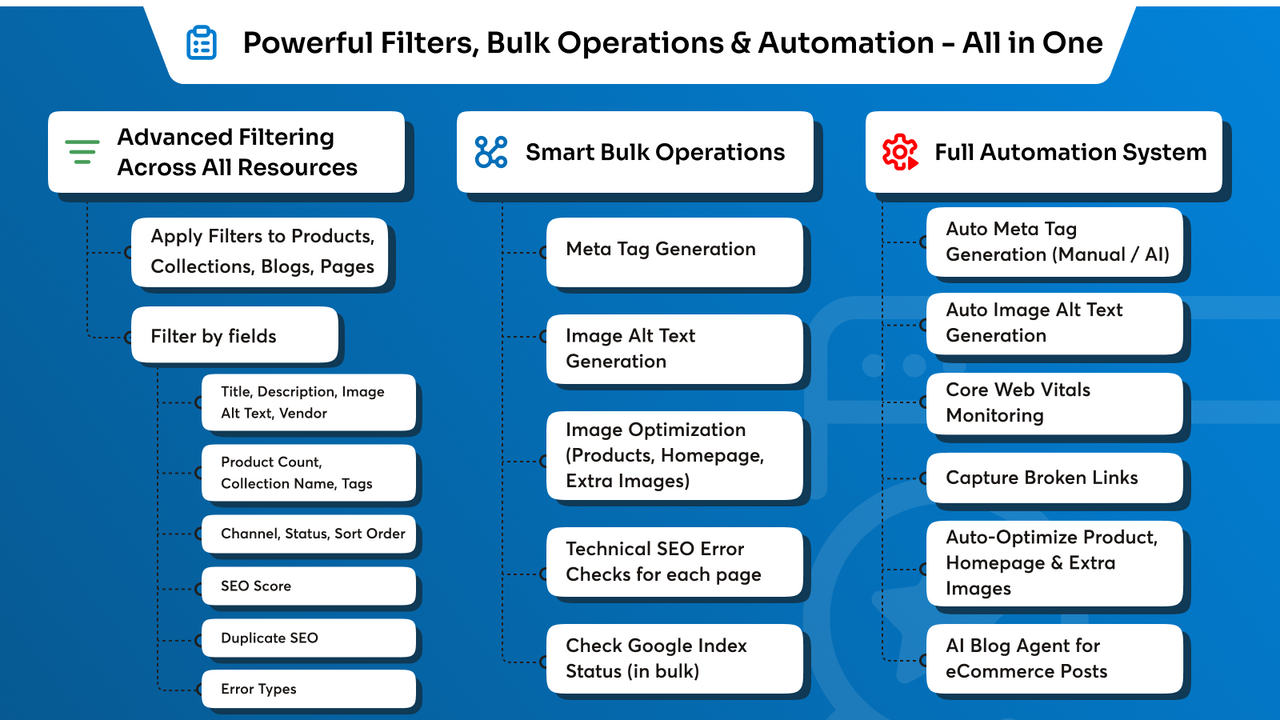
Implementing effective AI SEO Article Schema requires understanding the essential properties that AI systems prioritize. The following components form the foundation of a robust structured data implementation for articles.
Essential Article Properties
The Article schema type includes several mandatory properties that establish basic content identity. These include headline, datePublished, dateModified, and author. For AI optimization, these properties should be enriched with additional context such as author credentials, publication organization, and content licensing information.
Beyond the basics, AI-optimized schema includes properties like wordCount, timeRequired, and learningResourceType that help AI systems understand content depth and format. These signals assist in matching content to user intent more accurately.
Entity and Knowledge Graph Integration
Modern AI SEO Article Schema emphasizes entity relationships. By linking your article to known entities in knowledge graphs, you provide AI systems with contextual anchors that improve content classification. This involves using properties like about, mentions, and mainEntity to connect your content to people, places, organizations, and concepts.
For example, an article about artificial intelligence in healthcare should explicitly reference entities like “machine learning,” “medical diagnosis,” and relevant regulatory bodies. This entity-rich markup helps AI systems place your content within the correct semantic neighborhood.
Content Structure and Section Markup
AI systems benefit from understanding the internal structure of your article. Using properties like articleSection and associatedMedia helps create a roadmap for AI crawlers. This structural clarity enables AI systems to extract specific sections for citation in answers, improving your chances of being referenced for particular subtopics.
Implementing Speakable schema for voice search optimization and HowTo schema for instructional content can further expand your AI visibility across different search modalities.
Implementing AI SEO Article Schema: Step-by-Step Guide
Successful implementation requires a systematic approach that balances technical accuracy with strategic content optimization. The following process outlines the key steps for deploying AI-optimized schema on your articles.
Step 1: Choose the Right Schema Type
While Article is the base type, consider more specific subtypes based on your content format. NewsArticle for timely content, BlogPosting for blog entries, and TechArticle for technical documentation. Each subtype includes additional properties that provide AI systems with more precise content signals.
For AI optimization, consider using the ScholarlyArticle subtype for research-based content, as it includes properties for citation information and educational level that AI systems recognize as authority signals.
Step 2: Generate Valid JSON-LD Markup
JSON-LD (JavaScript Object Notation for Linked Data) is the recommended format for schema implementation. It allows you to embed structured data directly in your HTML without affecting visual presentation. The markup should be placed in the head section of your page or within the body using a script tag.
org” and the @type property specifying your chosen article type. Include all relevant properties with accurate values that match your page content.
Step 3: Enrich with AI-Relevant Properties
Go beyond basic properties by adding AI-relevant signals. Include the “inLanguage” property to specify content language, “isAccessibleForFree” to indicate paywall status, and “publisher” with detailed organization information including logo and contact points.
Add “citation” properties for research articles, “hasPart” for multi-section content, and “isPartOf” to connect to larger content collections. These relationships help AI systems understand your content’s position in the information ecosystem.
Step 4: Validate and Test Your Markup
Use Google’s Rich Results Test and Schema Markup Validator to ensure your markup is error-free. These tools identify missing required properties, incorrect data types, and formatting issues that could prevent proper AI interpretation.
Additionally, use the URL Inspection Tool in Google Search Console to verify that Google successfully extracts and processes your structured data. Monitor the enhancement reports to track schema-related performance.
Benefits of AI SEO Article Schema
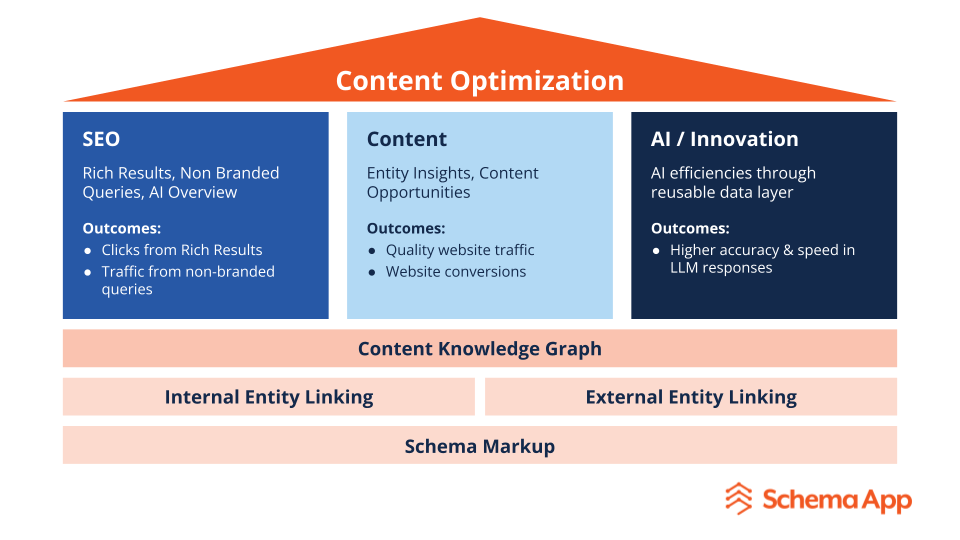
The advantages of implementing AI-optimized schema extend beyond traditional SEO metrics. Understanding these benefits helps justify the investment in structured data implementation.
Enhanced Visibility in AI Search Features
Articles with comprehensive schema markup are more likely to appear in AI Overviews, featured snippets, and knowledge panels. AI systems prioritize content that provides clear, structured answers to user queries. Proper schema signals content authority and relevance, increasing the probability of AI citation.
Research indicates that schema-marked articles achieve higher click-through rates in traditional search results as well, with some studies showing a 20-30% improvement in CTR for pages with rich results.
Improved Content Understanding and Classification
AI systems use schema to build accurate content profiles. This leads to better topical classification, more precise entity extraction, and improved matching with user intent. Content that AI systems understand deeply is more likely to be recommended for complex queries that require multi-step reasoning.
This enhanced understanding also supports better internal linking recommendations and content discovery across AI-powered platforms.
Future-Proofing Against Algorithm Changes
As search engines continue integrating AI technologies, structured data becomes increasingly important. Schema provides a stable, standardized way to communicate with AI systems that remains consistent across algorithm updates. Investing in comprehensive schema now positions your content for future AI search developments.
Common Mistakes in AI SEO Article Schema Implementation
Avoiding common pitfalls is essential for maximizing the effectiveness of your structured data efforts. The following mistakes frequently undermine AI schema optimization.
Incomplete or Inaccurate Property Values
One of the most frequent errors is providing incomplete information in required properties. Missing author details, incorrect publication dates, or vague descriptions reduce the trust AI systems place in your markup. Every property should contain accurate, verifiable information that matches your page content.
Keyword Stuffing in Schema Properties
Some practitioners attempt to manipulate AI systems by inserting keywords into schema properties. This practice is counterproductive and can trigger spam detection. Schema properties should contain natural language descriptions that accurately reflect your content, not keyword-dense phrases designed to game the system.
Using Outdated Schema Types
Schema.org evolves regularly, and using deprecated types or properties can cause validation errors. Stay current with schema.org releases and update your markup accordingly. Outdated schema may be ignored by AI systems, providing no benefit to your content.
Ignoring Mobile and Performance Impact
While schema markup is lightweight, improper implementation can affect page performance. Avoid excessive nested JSON-LD structures and ensure your markup is efficiently formatted. Page speed remains a ranking factor, and bloated schema can negatively impact user experience.
AI SEO Article Schema vs Traditional SEO Techniques
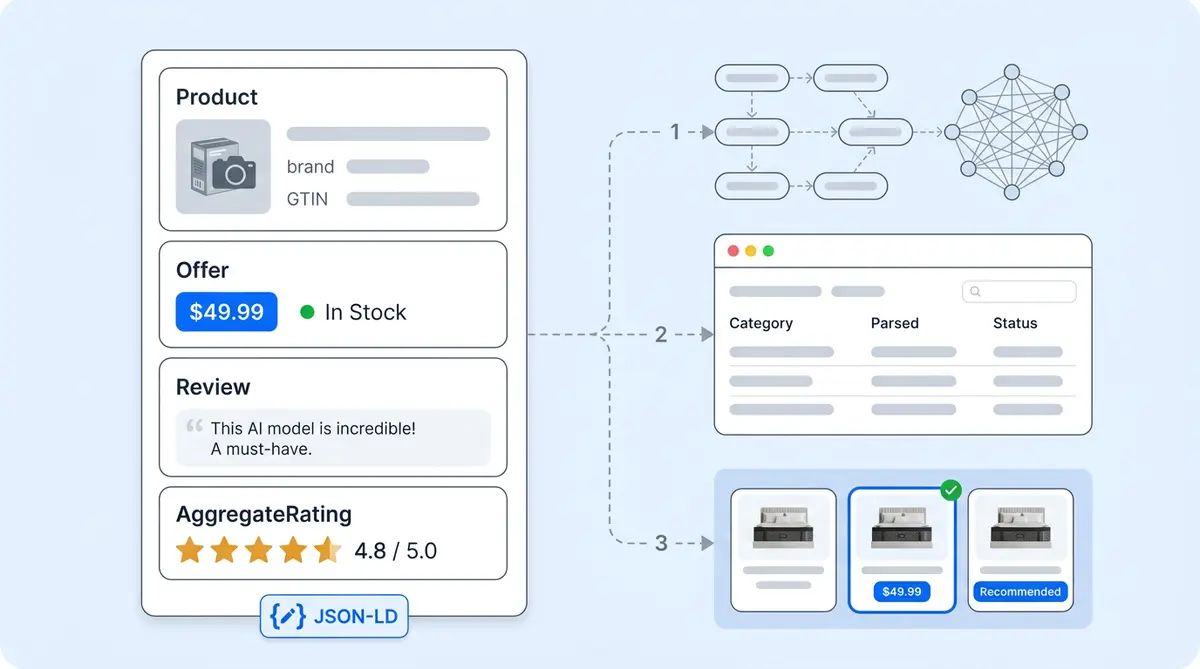
Understanding the relationship between AI-optimized schema and conventional SEO methods helps create a comprehensive optimization strategy.
| Aspect | Traditional SEO | AI SEO Article Schema |
|---|---|---|
| Primary Focus | Keyword optimization and backlinks | Semantic clarity and entity relationships |
| Content Signal | Keyword density and placement | Structured properties and contextual markers |
| Search Engine Interaction | Crawler-based indexing | AI model interpretation and reasoning |
| Measurement | Rankings and organic traffic | AI citations and featured placement |
| Adaptability | Reactive to algorithm updates | Proactive semantic communication |
Traditional SEO remains important for building authority and relevance signals. However, AI SEO Article Schema provides a complementary layer that directly addresses how modern search systems process and present information. The most effective strategies integrate both approaches.
Practical Applications Across Content Types
AI SEO Article Schema applies differently across various content formats. Understanding these variations helps tailor your implementation strategy.
News and Time-Sensitive Content
For news articles, schema should emphasize datePublished, dateModified, and author credentials. AI systems prioritize freshness and authority for breaking news queries. Include the NewsArticle type with properties for dateline and printColumn to provide additional context.
Evergreen Educational Content
Educational articles benefit from properties like educationalLevel, learningResourceType, and typicalAgeRange. These signals help AI systems match content to users at appropriate learning stages. The TechArticle subtype works well for software tutorials and technical documentation.
Product Reviews and Comparisons
Review articles should implement the Review schema in conjunction with Article schema. Include rating values, review counts, and itemReviewed properties. AI systems use this structured data to generate comparison summaries and recommendation answers.
Measuring the Impact of AI SEO Article Schema

Tracking the effectiveness of your schema implementation requires monitoring specific metrics that reflect AI search performance.
Key Performance Indicators
Monitor impressions and clicks from AI Overviews separately from traditional search results. Track featured snippet acquisition rates and the number of AI citations your content receives. Use Google Search Console’s performance reports to segment data by search appearance type.
Additionally, monitor voice search queries and conversational search patterns that may indicate AI assistant usage. These metrics provide insight into how well AI systems understand and recommend your content.
Tools for Monitoring Schema Performance
Google Search Console provides comprehensive schema monitoring through the Enhancements section. The Rich Results report shows validation errors and valid items. The Search Performance report allows filtering by search appearance to isolate rich result performance.
Third-party tools like Schema.org Validator and Merkle’s Schema Markup Generator provide additional testing and analysis capabilities. Regular monitoring ensures your schema remains effective as AI algorithms evolve.
Important Notes for AI SEO Article Schema Success
Several critical considerations affect the long-term success of your AI schema optimization efforts.
- Schema must accurately reflect page content; mismatches between markup and visible content can result in penalties
- Regularly audit your schema implementation to identify and fix errors promptly
- Stay informed about schema.org updates and AI search feature changes
- Combine schema optimization with high-quality content creation for maximum impact
- Consider implementing schema for all content types, not just articles
- Test schema implementation across different devices and platforms
The relationship between schema markup and AI search is dynamic. Continuous learning and adaptation are essential for maintaining competitive advantage in AI-powered search environments.
Frequently Asked Questions
What is the difference between Article schema and AI SEO Article Schema?
Article schema refers to the basic structured data markup that identifies content as an article. AI SEO Article Schema extends this foundation with additional properties and entity relationships specifically designed to help artificial intelligence systems understand, classify, and cite content more effectively in AI-powered search features.
How does schema markup affect AI search rankings?
Schema markup provides AI systems with clear, structured signals about content meaning, authority, and relevance. This reduces the computational effort required for AI models to interpret content, increasing the likelihood of content being selected for AI-generated answers, featured snippets, and knowledge panels.
Is JSON-LD the best format for AI SEO schema?
Yes, JSON-LD is the recommended format by Google and most major search engines. It allows for clean separation of structured data from HTML content, supports complex nested structures, and is easily parsed by AI systems. JSON-LD also simplifies implementation and maintenance compared to microdata or RDFa formats.
How often should I update my article schema?
Update your schema whenever your content changes significantly, such as when you revise article content, update publication dates, or add new sections. Additionally, conduct quarterly audits to ensure your schema remains valid and aligned with current schema.org specifications and AI search requirements.
Can schema markup guarantee AI search visibility?
No, schema markup does not guarantee visibility in AI search results. It is one factor among many, including content quality, domain authority, and user engagement signals. Schema improves your chances by providing clear signals to AI systems, but it must be combined with excellent content and overall strong SEO practices.
Conclusion
AI SEO Article Schema represents a critical evolution in search optimization strategy. As artificial intelligence continues to reshape how users discover and consume information, structured data provides the semantic bridge that connects quality content with AI-powered search systems. Implementing comprehensive, accurate schema markup on your articles positions your content for success in AI Overviews, voice search, and emerging search technologies.
The investment in AI-optimized schema pays dividends through enhanced visibility, improved content understanding, and future-proofing against algorithmic changes. By following the implementation guidelines, avoiding common mistakes, and continuously monitoring performance, content creators can harness the full potential of structured data in the AI search era. The future of search is intelligent, and schema markup ensures your content speaks the language of AI systems effectively.
Xem thêm:
- AI WordPress SEO: Your Complete Blueprint for Automated Organic Growth
- AI SEO Keyword Cluster Generator: The Complete Guide to Smarter Content Planning
- AI SEO LowFruits: The Complete Guide to Automated Low-Hanging Keyword Wins
- AI SEO for Fashion: The Complete Guide to Dominating Search in 2025
- How to Use DeepSeek for SEO: The Complete Guide to AI-Powered Optimization
Bài viết cùng chủ đề:

AI SEO SEO Automation with Make: The Complete Workflow Guide

AI SEO SEO Automation with Zapier: The Complete Workflow Guide

AI SEO SEO Automation with n8n: The Complete Workflow Guide
AI SEO SEO Automation with Gemini: The Complete Guide to Scaling Organic Growth

AI SEO SEO Automation with Claude: The Complete Guide to Scaling Content in 2025

AI SEO SEO Automation with ChatGPT: The Complete Playbook for 2025

AI SEO & SEO Automation for Affiliate Sites: The 2025 Playbook for Passive Income Growth
AI SEO & SEO Automation for Bloggers: The Complete Guide to Scaling Your Content

AI SEO & SEO Automation for Agencies: The Complete 2025 Playbook

AI SEO and SEO Automation for Ecommerce: The Complete Playbook for 2025

AI SEO & SEO Automation for WordPress: The Complete Playbook for 2025
AI SEO SEO Automation Strategy: The Complete Playbook for 2025

Mastering the AI SEO SEO Automation Process: A Complete Guide to Scaling Organic Growth
AI SEO SEO Automation System: The Complete Guide to Scaling Organic Growth in 2025
AI SEO SEO Automation Platform: The Complete Guide to Scaling Organic Growth in 2025
AI SEO SEO Automation Software: The Complete Guide to Scaling Organic Growth in 2025















