
No products in the cart.
AI SEO for Fashion: The Complete Guide to Dominating Search in 2025
31
Jul
Jul
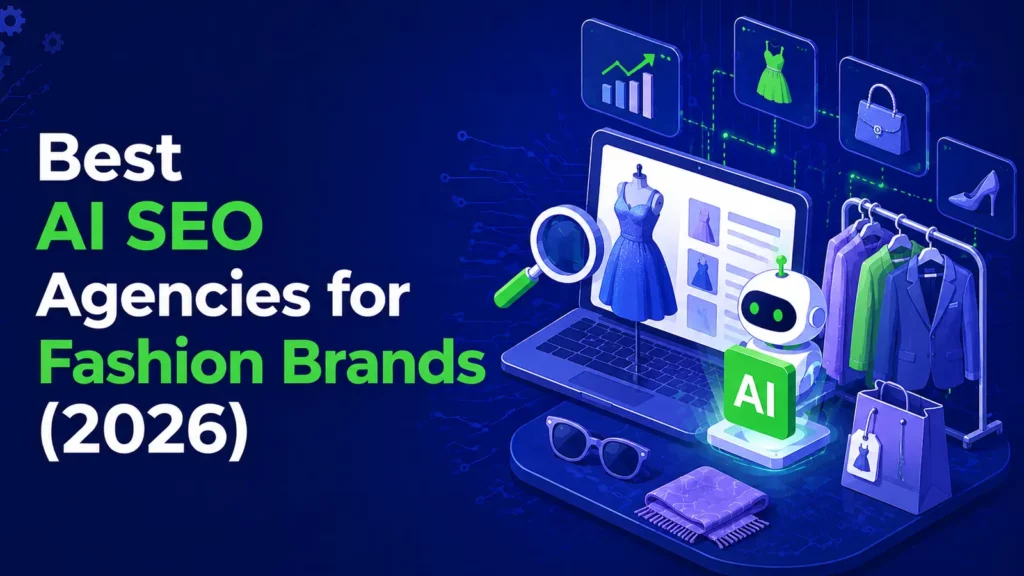
The fashion industry moves at the speed of a trend cycle, and search engine optimization is no longer just about keywords and backlinks. AI SEO for Fashion has emerged as the critical bridge between creative design and data-driven discovery. Fashion brands that fail to adapt to artificial intelligence in their search strategies risk becoming invisible in a digital marketplace saturated with content. This comprehensive guide explores how machine learning, natural language processing, and predictive analytics are reshaping the way fashion retailers attract, engage, and convert customers through organic search.
Understanding AI SEO for Fashion: Beyond Traditional Optimization
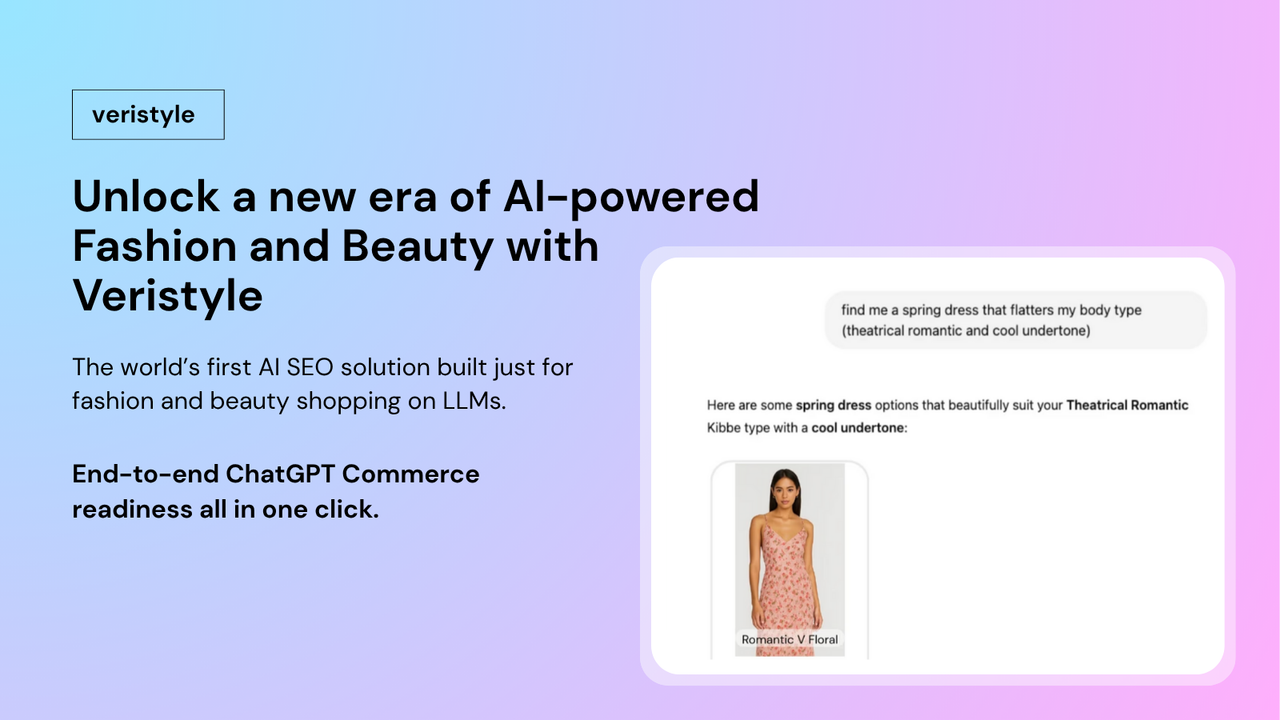
AI SEO for Fashion refers to the strategic application of artificial intelligence technologies to improve a fashion brand’s visibility in search engine results. Unlike traditional SEO, which relies heavily on manual keyword research and static content optimization, AI-powered SEO leverages machine learning algorithms to analyze search patterns, predict consumer behavior, and automate content personalization at scale. The fashion sector presents unique challenges for SEO. Visual search dominates, seasonal trends shift rapidly, and consumer intent varies dramatically between browsing and purchasing. Traditional SEO approaches often fail to capture the nuance of fashion-related queries, which include size specifications, material preferences, style aesthetics, and occasion-based searches. AI systems excel at processing these complex, multi-layered queries and delivering more relevant results.
The Evolution of Search Algorithms in Fashion Retail
Google’s RankBrain and subsequent AI-driven algorithms have fundamentally changed how fashion websites are evaluated. These systems now assess user engagement metrics, dwell time, and content relevance with unprecedented sophistication. For fashion brands, this means that thin product descriptions, duplicate content, and generic category pages no longer suffice. The algorithms now understand semantic relationships between terms like “little black dress,” “cocktail attire,” and “evening wear,” rewarding sites that demonstrate comprehensive topical authority.
Why AI SEO for Fashion Matters More Than Ever
The statistics paint a compelling picture. According to industry reports, over 40% of fashion shoppers begin their product discovery journey on search engines rather than directly on retailer websites. Furthermore, voice search is rapidly growing, with fashion-related queries increasing by over 60% year-over-year. These voice searches tend to be conversational and long-tail, such as “where can I find sustainable denim jackets under $100?” AI SEO for Fashion enables brands to capture these high-intent queries that traditional keyword targeting often misses.
The Shift from Keywords to Search Intent
Fashion consumers rarely search for generic terms like “shoes” or “dresses.” Instead, they search with specific intent: “vegan leather ankle boots for wide calves” or “bridesmaid dresses in emerald green for summer wedding.” AI algorithms excel at deciphering these nuanced intents by analyzing search context, user history, and behavioral signals. Fashion brands that implement AI-driven SEO strategies can align their content with these granular intents, dramatically improving conversion rates.
Core Components of an AI-Driven Fashion SEO Strategy
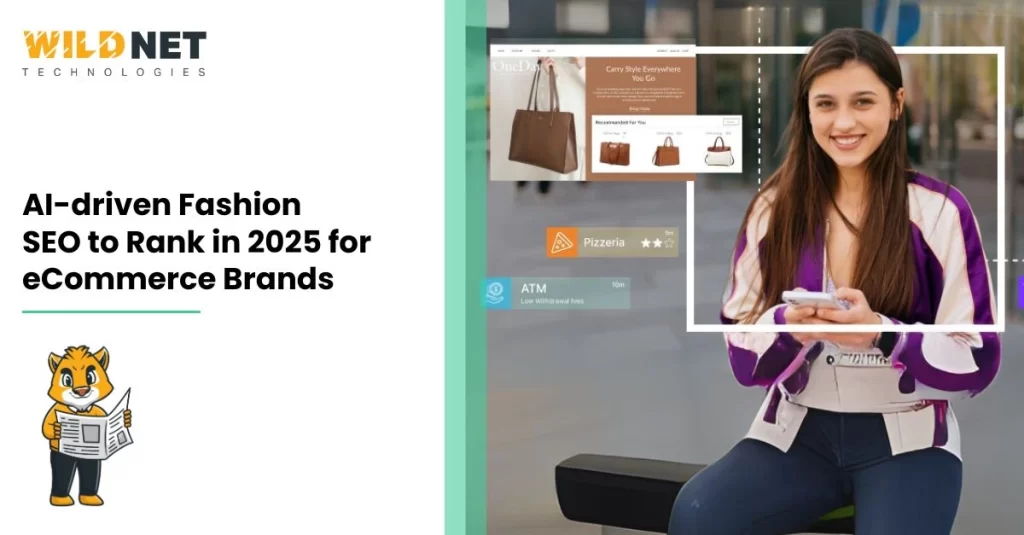
Implementing AI SEO for Fashion requires a multi-faceted approach that integrates several key technologies and methodologies. Each component works synergistically to create a comprehensive optimization framework.
Predictive Analytics for Trend Forecasting
AI systems can analyze massive datasets from social media, search engines, and e-commerce platforms to predict upcoming fashion trends before they peak. This predictive capability allows brands to create content and optimize product pages for terms that will gain traction in the coming weeks or months. For example, if AI detects rising interest in “Y2K accessories” across multiple platforms, a fashion retailer can proactively publish blog content and optimize product listings for this emerging trend, gaining a first-mover advantage in search rankings.
Natural Language Processing for Content Optimization
Natural Language Processing (NLP) enables AI systems to understand the context and semantics of fashion-related content. This goes beyond simple keyword matching to understand relationships between concepts. An NLP-powered SEO tool can analyze a product description for a “cashmere sweater” and suggest related terms like “merino wool alternatives,” “hypoallergenic knitwear,” or “layering pieces for winter,” creating a more comprehensive content cluster that signals expertise to search engines.
Visual Search and Image Recognition
Fashion is inherently visual, and AI-powered visual search is transforming how consumers find products. Google Lens and similar technologies allow users to upload images and find similar products. AI SEO for Fashion includes optimizing images with structured data, descriptive alt text, and proper file naming to ensure these visual search queries surface the brand’s products. Additionally, AI image recognition can analyze product photos to ensure they meet quality standards and accurately represent the items, reducing bounce rates and improving user satisfaction signals.
Automated Schema Markup and Structured Data
Structured data is essential for helping search engines understand fashion product details such as price, availability, size, color, and customer ratings. AI tools can automatically generate and implement schema markup across thousands of product pages, ensuring consistency and completeness. This enhanced data presentation often results in rich snippets in search results, including product images, star ratings, and price information, which significantly improves click-through rates.
Practical Applications of AI SEO for Fashion Brands
The theoretical benefits of AI SEO for Fashion translate into concrete applications that deliver measurable results. Fashion brands of all sizes can implement these strategies to improve their search visibility and organic traffic.
Dynamic Content Personalization
AI algorithms can analyze individual user behavior and preferences to deliver personalized content experiences. For a fashion e-commerce site, this means showing different homepage content, product recommendations, and blog articles based on each visitor’s browsing history and predicted preferences. This personalization extends to SEO, where AI can dynamically adjust meta descriptions and title tags based on user search context, improving relevance and click-through rates.
Intelligent Keyword Clustering
Traditional keyword research often results in scattered, unorganized content strategies. AI SEO for Fashion uses machine learning to cluster related keywords into topical groups, enabling brands to create comprehensive content hubs that cover all aspects of a fashion category. For instance, instead of creating separate articles for “summer dresses,” “maxi dresses,” and “beach cover-ups,” AI might identify these as part of a single topical cluster, guiding the creation of a comprehensive style guide that ranks for all related queries.
Automated Competitor Analysis
AI tools can continuously monitor competitor websites, analyzing their content strategies, backlink profiles, and search rankings. This competitive intelligence allows fashion brands to identify content gaps and opportunities. If competitors are ranking for “sustainable activewear” but lack content on “eco-friendly fabric technologies,” a brand can quickly create authoritative content on that topic to capture untapped search demand.
Voice Search Optimization for Fashion Queries
With the proliferation of smart speakers and voice assistants, optimizing for voice search has become crucial. AI SEO for Fashion includes analyzing voice search patterns, which tend to be longer and more conversational than text-based queries. Fashion brands must create content that answers specific questions like “What should I wear to a beach wedding?” or “How do I style oversized blazers?” in a natural, conversational tone that aligns with how people speak.
Benefits and Limitations of AI SEO for Fashion
Understanding both the advantages and potential drawbacks of AI-driven SEO is essential for fashion brands considering implementation.
Key Benefits
The benefits of AI SEO for Fashion extend across multiple dimensions of digital marketing: – Enhanced Efficiency: AI automates time-consuming tasks like keyword research, content auditing, and performance tracking, freeing up marketing teams to focus on creative strategy
- Improved Accuracy: Machine learning algorithms identify patterns and insights that human analysts might miss, leading to more precise targeting
- Scalability: AI systems can manage SEO for thousands of product pages simultaneously, something impossible for manual optimization
- Real-Time Adaptation: AI can quickly adjust strategies based on algorithm updates, seasonal trends, and changing consumer behavior
- Better User Experience: AI-driven content optimization leads to more relevant, helpful content that satisfies user intent, improving engagement metrics
Potential Limitations
Despite its power, AI SEO for Fashion has certain constraints that brands must acknowledge: – Initial Investment: Implementing AI-powered SEO tools requires significant financial resources, which may be prohibitive for small fashion brands
- Data Dependency: AI systems require large volumes of high-quality data to function effectively, and fashion brands with limited historical data may see reduced benefits
- Creative Limitations: AI cannot fully replicate human creativity and fashion intuition, particularly for brand storytelling and emotional connection
- Over-Optimization Risk: Excessive reliance on AI can lead to content that feels robotic and lacks the authentic voice that fashion consumers crave
- Algorithm Volatility: AI systems must be continuously monitored and adjusted as search engine algorithms evolve
Comparison: Traditional SEO vs. AI SEO for Fashion
Understanding the differences between traditional and AI-driven approaches helps fashion brands make informed decisions about their optimization strategies.
Aspect Traditional SEO AI SEO for Fashion Keyword Research Manual analysis of search volumes and competition Predictive modeling and semantic clustering Content Creation Human-written articles based on keyword lists AI-assisted content generation and optimization Trend Detection Reactive, based on historical data Proactive, using predictive analytics Personalization Limited, based on basic demographics Dynamic, based on individual user behavior Technical SEO Manual audits and fixes Automated monitoring and correction Performance Analysis Monthly reporting with lag time Real-time insights and automated adjustments Scalability Limited by human resources Highly scalable across large product catalogs Step-by-Step Guide to Implementing AI SEO for Fashion
Fashion brands looking to leverage AI in their SEO strategies can follow this practical implementation framework.
Step 1: Audit Your Current SEO Foundation
Before implementing AI solutions, ensure your website has a solid technical foundation. This includes fast loading speeds, mobile responsiveness, secure HTTPS connections, and clean site architecture. AI tools can assist in this audit by automatically crawling your site and identifying technical issues that may be hindering search performance.
Step 2: Invest in the Right AI-Powered SEO Tools
Several platforms offer AI-driven SEO capabilities specifically suited for e-commerce and fashion. Tools like Clearscope, MarketMuse, and Frase use NLP to analyze top-ranking content and provide optimization recommendations. For more advanced predictive analytics, platforms like Crayon and Similarweb offer competitive intelligence powered by machine learning.
Step 3: Build Comprehensive Fashion Content Clusters
Use AI tools to identify all relevant subtopics within your fashion niche. For a brand specializing in women’s footwear, this might include content clusters around different shoe types, materials, occasions, seasonal trends, sizing guides, and styling tips. Each cluster should have a pillar page linking to supporting articles, creating a comprehensive topical authority that search engines reward.
Step 4: Optimize for Visual and Voice Search
Implement structured data for all product images, including detailed descriptions of colors, patterns, materials, and styles. Create FAQ sections that address common voice search queries related to your products. Ensure your content answers questions directly and concisely, as voice search results often pull from featured snippets.
Step 5: Leverage AI for Continuous Optimization
AI SEO for Fashion is not a one-time implementation but an ongoing process. Use AI tools to continuously monitor your search performance, identify content gaps, and suggest improvements. Set up automated alerts for algorithm updates and competitor movements, allowing your team to respond quickly to changes in the search landscape.
Common Mistakes in AI SEO for Fashion and How to Avoid Them
Many fashion brands make critical errors when implementing AI-driven SEO strategies. Recognizing these pitfalls can save significant time and resources.
Mistake 1: Ignoring the Human Element
Some brands rely too heavily on AI-generated content, producing articles that lack personality and emotional resonance. Fashion is an emotional purchase, and consumers connect with brands that tell compelling stories. Avoid this by using AI as a tool to enhance human creativity rather than replace it. Let AI handle data analysis and optimization suggestions while human writers craft the actual narrative.
Mistake 2: Focusing Only on Product Pages
While optimizing product pages is essential, fashion brands often neglect informational content that builds topical authority. AI SEO for Fashion should include style guides, trend reports, fabric care instructions, and size conversion charts. This educational content attracts backlinks, establishes expertise, and captures users earlier in the buying journey.
Mistake 3: Overlooking Mobile Search Optimization
Fashion consumers increasingly shop on mobile devices, and Google’s mobile-first indexing means your mobile site is the primary version evaluated. Ensure that AI-driven optimizations apply equally to mobile experiences. Test page speed, image compression, and navigation on various mobile devices to ensure seamless user experience.
Mistake 4: Neglecting Local SEO for Physical Stores
For fashion brands with physical retail locations, local SEO remains crucial. AI tools can optimize Google Business Profiles, manage local citations, and analyze local search patterns. Ensure your AI strategy includes location-specific content and structured data for each store location.
Mistake 5: Failing to Measure and Iterate
AI SEO for Fashion requires continuous measurement and refinement. Many brands implement AI tools but fail to establish clear KPIs or review performance regularly. Set up comprehensive analytics to track organic traffic, keyword rankings, conversion rates, and user engagement metrics. Use AI-powered reporting tools to identify what’s working and what needs adjustment.
Important Notes for Fashion Brands Using AI SEO
Several critical considerations should guide your AI SEO implementation strategy.
Data Privacy and Compliance
AI systems rely on user data to function effectively, but fashion brands must comply with data protection regulations like GDPR and CCPA. Ensure your AI tools are compliant and that you have proper consent mechanisms in place for data collection and processing.
Brand Voice Consistency
AI-generated content can sometimes drift from your established brand voice. Establish clear guidelines for AI tools, including tone, vocabulary, and stylistic preferences. Regularly review AI-generated content to ensure it aligns with your brand identity.
Integration with Other Marketing Channels
AI SEO for Fashion should not operate in isolation. Integrate your SEO insights with social media marketing, email campaigns, and paid advertising. AI can identify content that performs well in organic search and repurpose it for other channels, creating a cohesive omnichannel strategy.
Ethical Considerations
Be transparent about your use of AI in content creation. Consumers value authenticity, and undisclosed AI-generated content can damage trust. Additionally, ensure your AI tools do not perpetuate biases in fashion representation, such as limited size ranges or lack of diversity in imagery.
Frequently Asked Questions About AI SEO for Fashion
What is AI SEO for Fashion?
AI SEO for Fashion is the application of artificial intelligence technologies, including machine learning, natural language processing, and predictive analytics, to optimize fashion websites for search engines. It involves using AI tools to analyze search patterns, predict trends, automate content optimization, and personalize user experiences to improve organic search visibility and drive traffic to fashion e-commerce sites.
How does AI improve fashion SEO compared to traditional methods?
AI improves fashion SEO by processing vast amounts of data more efficiently than manual methods. It can identify semantic relationships between fashion terms, predict emerging trends before they peak, automate technical SEO tasks, and personalize content for individual users. Traditional SEO relies on manual keyword research and static optimization, which cannot match the speed and accuracy of AI-driven approaches.
What are the best AI tools for fashion SEO?
Several AI-powered tools are effective for fashion SEO, including Clearscope and MarketMuse for content optimization, Frase for content briefs and research, Crayon for competitive intelligence, and various AI-powered technical SEO platforms like Botify and Lumar. Additionally, Google’s own AI-driven tools, including Search Console and Analytics, provide valuable insights for fashion brands.
Can small fashion brands benefit from AI SEO?
Yes, small fashion brands can benefit from AI SEO, though they may need to start with more affordable tools and gradually scale their investment. Many AI-powered SEO tools offer tiered pricing, and some provide free versions with limited features. Small brands can also leverage AI capabilities built into platforms like Shopify and WordPress through plugins and integrations.
How long does it take to see results from AI SEO for Fashion?
Results from AI SEO for Fashion typically become visible within 3 to 6 months, depending on the competitiveness of your niche and the current state of your website. AI can accelerate the process by identifying high-opportunity keywords and content gaps more quickly, but building topical authority and earning backlinks still requires time and consistent effort.
Does AI SEO replace the need for human SEO experts?
AI SEO does not replace human SEO experts but rather enhances their capabilities. AI handles data-intensive tasks like analysis, monitoring, and optimization suggestions, while human experts provide strategic direction, creative content, and nuanced understanding of brand identity and consumer psychology. The most successful fashion brands combine AI efficiency with human expertise.
Conclusion: The Future of Fashion Search Is Intelligent
AI SEO for Fashion represents a fundamental shift in how fashion brands approach search engine optimization. The days of keyword stuffing and generic product descriptions are over. Today’s search algorithms demand relevance, authority, and user satisfaction, all of which AI technologies are uniquely positioned to deliver. Fashion brands that embrace AI-driven SEO gain a significant competitive advantage. They can predict trends before competitors, create content that resonates with specific consumer intents, and optimize thousands of product pages with unprecedented efficiency. The integration of visual search, voice search, and personalized experiences creates a seamless discovery journey that converts browsers into loyal customers. However, successful implementation requires balance. AI should enhance, not replace, the human creativity and emotional intelligence that define great fashion brands. The most effective strategies combine AI’s analytical power with human storytelling, aesthetic judgment, and brand authenticity. As search technology continues to evolve, the fashion brands that thrive will be those that view AI not as a threat but as a powerful ally in their mission to connect consumers with the styles they love. The future of fashion search is intelligent, personalized, and infinitely more sophisticated than anything we have seen before. Brands that start implementing AI SEO for Fashion today will be well-positioned to lead the industry tomorrow.
Xem thêm:
- AI SEO Python Automation: The Complete Playbook for Modern Search Optimization
- AI Grey Hat SEO: The Hidden Mechanics of Blurring Search Engine Guidelines
- AI SEO Content Silos: The Complete Guide to Building Topical Authority in 2025
- AI SEO Slug Generator: The Complete Guide to Perfect URLs in 2025
- AI SEO User Signals: The Complete Guide to Ranking in the Age of Machine Learning
Bài viết cùng chủ đề:

AI SEO SEO Automation with Make: The Complete Workflow Guide

AI SEO SEO Automation with Zapier: The Complete Workflow Guide

AI SEO SEO Automation with n8n: The Complete Workflow Guide
AI SEO SEO Automation with Gemini: The Complete Guide to Scaling Organic Growth

AI SEO SEO Automation with Claude: The Complete Guide to Scaling Content in 2025

AI SEO SEO Automation with ChatGPT: The Complete Playbook for 2025

AI SEO & SEO Automation for Affiliate Sites: The 2025 Playbook for Passive Income Growth
AI SEO & SEO Automation for Bloggers: The Complete Guide to Scaling Your Content

AI SEO & SEO Automation for Agencies: The Complete 2025 Playbook

AI SEO and SEO Automation for Ecommerce: The Complete Playbook for 2025

AI SEO & SEO Automation for WordPress: The Complete Playbook for 2025
AI SEO SEO Automation Strategy: The Complete Playbook for 2025

Mastering the AI SEO SEO Automation Process: A Complete Guide to Scaling Organic Growth
AI SEO SEO Automation System: The Complete Guide to Scaling Organic Growth in 2025
AI SEO SEO Automation Platform: The Complete Guide to Scaling Organic Growth in 2025
AI SEO SEO Automation Software: The Complete Guide to Scaling Organic Growth in 2025















