
No products in the cart.
AI SEO Keyword Cluster Generator: The Complete Guide to Smarter Content Planning
10
Aug
Aug
An AI SEO Keyword Cluster Generator is transforming how digital marketers approach search engine optimization. Instead of targeting single keywords in isolation, this technology groups related search terms into thematic clusters that signal topical authority to search engines. Modern SEO demands comprehensive coverage of a subject, not just individual rankings. This guide explains how AI-powered cluster generation works, why it matters for your rankings, and exactly how to implement it in your content strategy for measurable results.
What Is an AI SEO Keyword Cluster Generator?
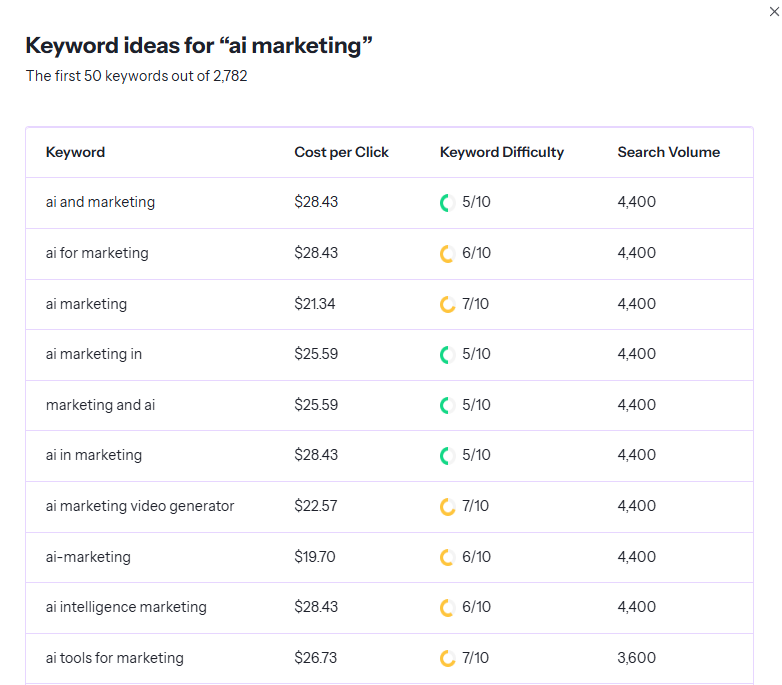
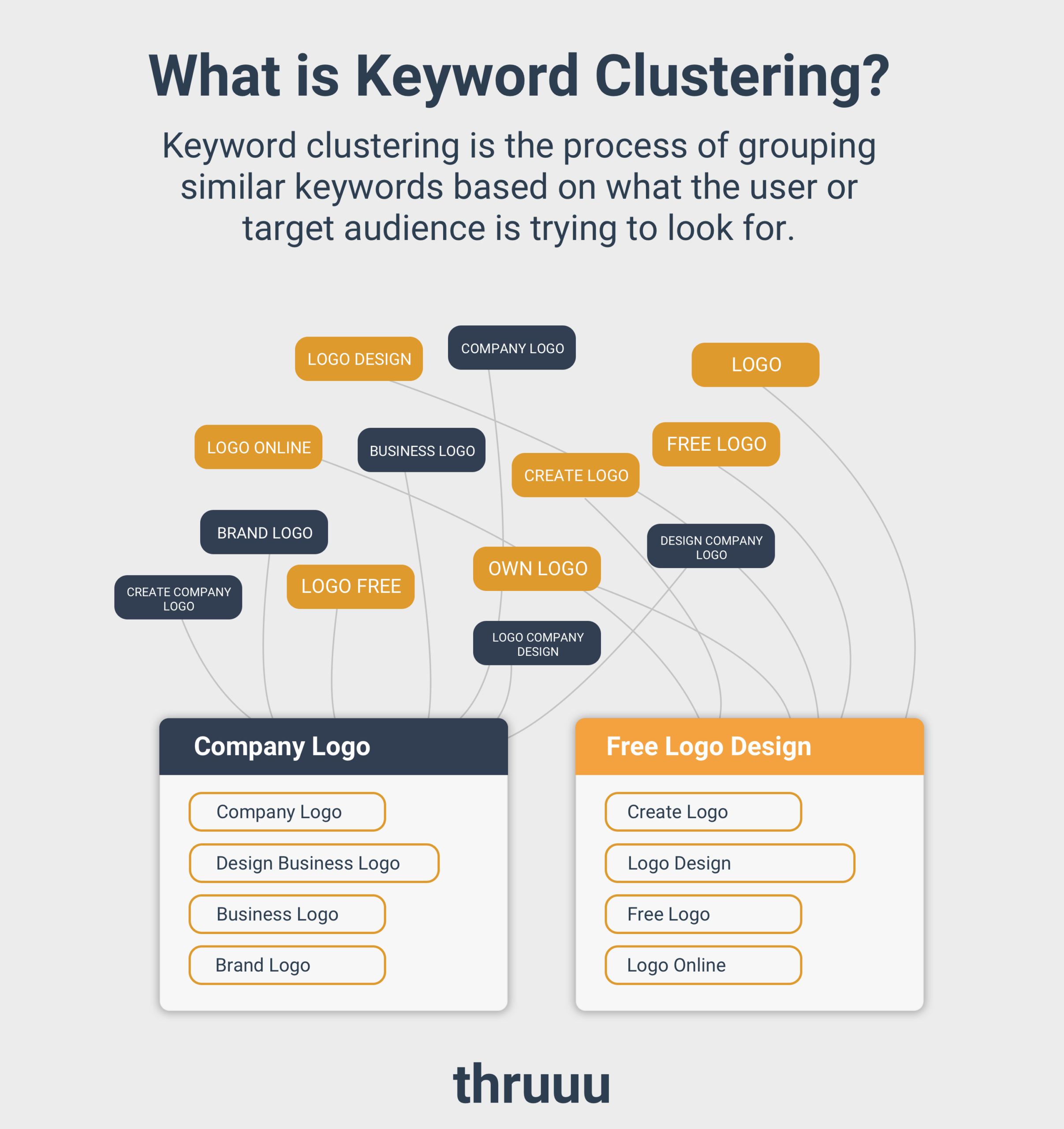
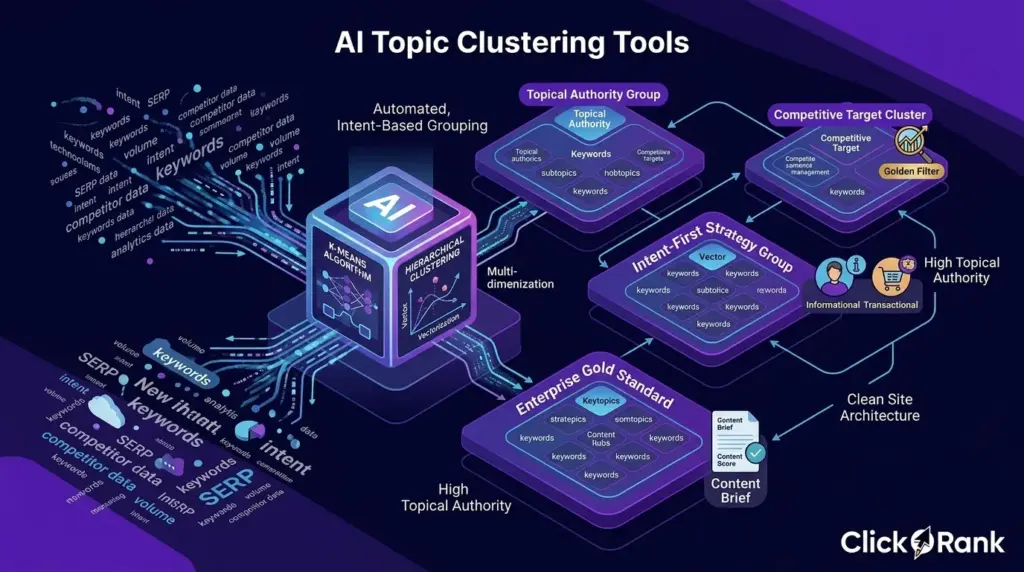
An AI SEO Keyword Cluster Generator is a software tool that uses machine learning algorithms to analyze search queries and automatically group them into semantically related clusters. These clusters represent complete topics that users search for together. For example, instead of just targeting “running shoes,” the tool might generate a cluster containing “best running shoes for flat feet,” “running shoe size guide,” and “how to clean running shoes.”
The core function involves processing large datasets from search engines, analyzing user intent, and identifying patterns of co-occurrence. The AI understands that users searching for “keto diet benefits” likely also search for “keto food list” and “keto meal plan.” This semantic understanding goes beyond simple keyword matching, capturing the relationships between terms that human researchers might miss.
How AI Differs from Traditional Keyword Tools
Traditional keyword tools typically provide lists of related keywords with search volume and difficulty scores. They require manual grouping and analysis. An AI SEO Keyword Cluster Generator automates this entire process. It processes thousands of keywords simultaneously, identifies thematic relationships, and outputs ready-to-use clusters with suggested content angles.
The AI models are trained on billions of search queries and web pages. They understand context, synonyms, and user intent variations. This means the clusters generated are more accurate and comprehensive than anything achievable through manual spreadsheet analysis.
Why Keyword Clustering Matters for SEO in 2024 and Beyond
Search engines have evolved significantly. Google’s algorithms now prioritize topical authority over individual page optimization. A website that publishes one comprehensive article about “digital marketing” will not rank as well as a site that publishes a cluster of interconnected articles covering digital marketing strategy, tools, analytics, and case studies.
Keyword clustering aligns perfectly with how modern search engines evaluate content. When you create a cluster of interlinked articles covering a topic comprehensively, search engines recognize your site as an authoritative resource. This recognition translates into higher rankings for all pages within the cluster, not just the main pillar page.
The Relationship Between Clusters and Topical Authority
Topical authority is the measure of how much expertise a website demonstrates on a particular subject. Search engines assess this by analyzing the breadth and depth of your content coverage. An AI SEO Keyword Cluster Generator helps you build topical authority systematically by ensuring you cover every relevant subtopic within your niche.
Each cluster represents a complete topic ecosystem. When you create content for every keyword in a cluster, you signal to search engines that you have thoroughly covered the subject. This comprehensive coverage is a strong ranking factor, particularly for competitive keywords.
Core Components of an Effective AI Keyword Cluster Generator
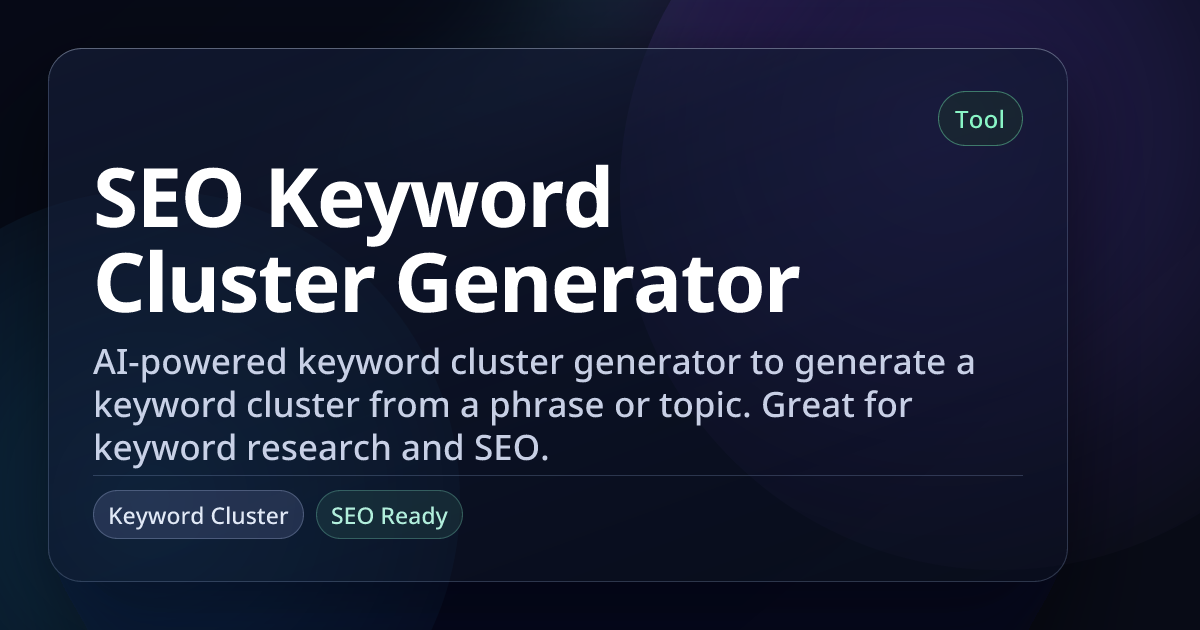
Understanding what makes these tools effective helps you choose the right one and use it properly. The best AI SEO Keyword Cluster Generator tools share several key components.
Semantic Analysis Engine
This is the brain of the tool. It uses natural language processing (NLP) to understand the meaning behind search queries. The engine identifies synonyms, related concepts, and variations in user intent. For instance, it recognizes that “cheap flights” and “budget airfare” represent the same user intent even though the keywords are different.
Search Volume and Difficulty Integration
Effective clustering tools combine semantic analysis with traditional SEO metrics. Each keyword within a cluster is tagged with its search volume, keyword difficulty, and click-through rate potential. This data helps you prioritize which clusters to target first and which keywords within each cluster deserve the most attention.
Content Gap Identification
Advanced tools analyze your existing content alongside the generated clusters. They identify which clusters you have partially covered and which are completely missing from your site. This feature turns the tool from a simple generator into a strategic content planning assistant.
Interlinking Suggestions
The best tools recommend internal linking structures for each cluster. They suggest which pages should link to which, creating a logical hierarchy that search engines can easily crawl and understand. This internal linking guidance is crucial for passing authority throughout your site.
How to Use an AI SEO Keyword Cluster Generator: Step-by-Step Guide
Implementing this technology into your workflow is straightforward when you follow a proven process.
Step 1: Define Your Core Topic
Start with a broad topic relevant to your business. This could be “project management software,” “vegan recipes,” or “home insurance.” Enter this seed topic into the AI SEO Keyword Cluster Generator. The tool will use this as the foundation for building your clusters.
Step 2: Generate and Review Clusters
The tool will produce multiple clusters, each containing anywhere from 5 to 50 keywords. Review these clusters for relevance and accuracy. Remove any keywords that do not align with your business goals. Most tools allow you to edit clusters manually after generation.
Step 3: Prioritize Clusters by Business Value
Not all clusters are equally valuable. Prioritize based on three factors: search volume potential, commercial intent, and alignment with your products or services. A cluster containing “buy” or “best” keywords typically has higher commercial value than purely informational clusters.
Step 4: Map Clusters to Your Content Architecture
For each priority cluster, designate a pillar page and supporting blog posts. The pillar page targets the main topic, while supporting posts target the long-tail keywords within the cluster. This creates a hub-and-spoke structure that search engines love.
Step 5: Create Content and Interlink
Write comprehensive content for each keyword in the cluster. Link every supporting article to the pillar page and vice versa. Use descriptive anchor text that includes relevant keywords. This internal linking structure distributes authority and helps search engines understand the relationship between your pages.
Step 6: Track and Refine
Monitor your rankings for keywords within each cluster. Identify which clusters are performing well and which need more content or better optimization. Regenerate clusters periodically to capture new keyword opportunities as search trends evolve.
Benefits of Using AI for Keyword Clustering
The advantages of AI-powered clustering over manual methods are substantial and measurable.
- Time efficiency: What takes a human analyst days, the AI accomplishes in minutes. This allows your team to focus on content creation rather than data analysis.
- Comprehensive coverage: AI identifies thousands of relevant keywords that manual research would miss. This ensures you do not leave ranking opportunities on the table.
- Accuracy of grouping: AI understands semantic relationships better than humans working with spreadsheets. The clusters are more logical and more aligned with actual user search behavior.
- Scalability: Whether you manage a small blog or a massive e-commerce site, AI clustering scales to handle any volume of keywords.
- Data-driven decisions: The integration of search volume and difficulty metrics ensures you prioritize clusters with the best return on investment.
Limitations and Challenges to Consider
While powerful, these tools are not perfect. Understanding their limitations helps you use them more effectively.
Data freshness: Search trends change rapidly. A cluster generated today may be outdated in six months. Regular regeneration is necessary to stay current.
Over-reliance on automation: AI cannot fully replace human judgment. You still need to evaluate clusters for business relevance and strategic fit. The tool provides suggestions, but the final decisions require human expertise.
Cost considerations: High-quality AI SEO tools require subscription fees. For small businesses or freelancers, this cost may be prohibitive. However, the time savings often justify the expense.
Comparison: AI Keyword Cluster Generator vs. Manual Clustering
| Factor | AI Cluster Generator | Manual Clustering |
|---|---|---|
| Time required | Minutes | Days or weeks |
| Keyword coverage | Thousands of keywords | Hundreds at most |
| Semantic accuracy | High, based on NLP models | Varies with analyst skill |
| Scalability | Unlimited | Limited by human capacity |
| Cost | Subscription fee | Labor hours |
| Consistency | Consistent output every time | Inconsistent, prone to bias |
| Data integration | Automatic volume and difficulty metrics | Manual lookup required |
Common Mistakes When Using AI Keyword Cluster Tools
Avoid these frequent errors to get the most value from your clustering efforts.
Ignoring User Intent Variations
Not all keywords in a cluster have the same intent. Some users want information, others want to buy. Creating the same type of content for every keyword in a cluster is a mistake. Tailor your content format to match the specific intent behind each keyword.
Creating Thin Content for Every Keyword
Just because a keyword exists in a cluster does not mean it deserves its own page. Some keywords are too similar to others and can be covered in a single comprehensive article. Publishing dozens of thin, overlapping articles hurts your site’s quality perception.
Neglecting Internal Linking
Generating clusters without implementing a proper internal linking strategy defeats the purpose. The clusters only work when the pages are interconnected. Allocate time to build and maintain these links.
Failing to Update Clusters Regularly
Search behavior evolves. New keywords emerge, and old ones lose relevance. Treat your keyword clusters as living documents that require regular review and updates, not as one-time projects.
Important Notes for Maximizing Results
Several best practices will enhance your success with AI SEO Keyword Cluster Generator tools.
Combine with human expertise: Use the AI output as a starting point, then apply your industry knowledge to refine the clusters. You know your audience better than any algorithm.
Focus on quality over quantity: It is better to fully cover five clusters with excellent content than to partially cover twenty clusters with mediocre content. Depth matters more than breadth.
Monitor competitor clusters: Analyze which clusters your competitors are targeting successfully. Identify gaps in their coverage that you can exploit with better content.
Integrate with your overall SEO strategy: Keyword clustering is one component of a comprehensive SEO approach. Combine it with technical SEO, link building, and user experience optimization for best results.
Frequently Asked Questions
What is the difference between a keyword cluster and a keyword group?
A keyword group is simply a collection of related keywords, often based on shared terms or basic similarity. A keyword cluster is more sophisticated, grouping keywords based on semantic meaning and user intent. Clusters are designed to represent complete topics that support topical authority building, while groups are often just organizational tools.
How many keywords should be in a single cluster?
T Smaller clusters may not justify a full content hub, while larger clusters become unwieldy. The ideal size depends on the complexity of the topic and your content creation capacity.
Can an AI SEO Keyword Cluster Generator replace a human SEO specialist?
No. These tools automate the research and grouping process, but they cannot replace strategic thinking, content creation, or technical SEO expertise. The best results come from combining AI efficiency with human judgment and creativity.
How often should I regenerate my keyword clusters?
Regenerate your clusters at least quarterly. Search trends, competitor activity, and your own content library change frequently. Quarterly updates ensure your clusters reflect the current search landscape. For fast-moving industries, consider monthly regeneration.
Do keyword clusters help with voice search optimization?
Yes. Voice search queries are typically longer and more conversational. AI clustering tools capture these long-tail, question-based keywords effectively. Creating content that addresses these conversational queries improves your visibility in voice search results.
What is the best way to measure the success of keyword clustering?
Track three key metrics: organic traffic growth for pages within each cluster, keyword rankings for the cluster’s target terms, and conversion rates from cluster traffic. Compare these metrics against clusters that have not been optimized to measure the impact of your clustering efforts.
Conclusion
An AI SEO Keyword Cluster Generator is no longer a luxury but a necessity for serious SEO practitioners. The days of targeting isolated keywords are over. Search engines reward comprehensive topical coverage, and AI clustering is the most efficient way to achieve it. By implementing the strategies outlined in this guide, you can build topical authority, improve your rankings, and drive sustainable organic traffic growth. Start with a clear core topic, generate your clusters, prioritize strategically, and commit to creating high-quality content for every keyword in your chosen clusters. The investment in this technology and process will pay dividends through improved search visibility and business results.
Xem thêm:
- AI SEO Link Architecture: The Complete Guide to Smarter Internal Linking in 2025
- AI SEO Reports: How Intelligent Automation Redefines Search Performance Analysis
- AI SEO Retrieval Augmented Generation: The Complete Guide to Smarter Search Rankings
- Free AI SEO Tools: Supercharge Your Rankings Without Paying a Cent
- AI SEO JavaScript SEO: The Complete Guide to Modern Search Optimization
Bài viết cùng chủ đề:

AI SEO SEO Automation with Make: The Complete Workflow Guide

AI SEO SEO Automation with Zapier: The Complete Workflow Guide

AI SEO SEO Automation with n8n: The Complete Workflow Guide
AI SEO SEO Automation with Gemini: The Complete Guide to Scaling Organic Growth

AI SEO SEO Automation with Claude: The Complete Guide to Scaling Content in 2025

AI SEO SEO Automation with ChatGPT: The Complete Playbook for 2025

AI SEO & SEO Automation for Affiliate Sites: The 2025 Playbook for Passive Income Growth
AI SEO & SEO Automation for Bloggers: The Complete Guide to Scaling Your Content

AI SEO & SEO Automation for Agencies: The Complete 2025 Playbook

AI SEO and SEO Automation for Ecommerce: The Complete Playbook for 2025

AI SEO & SEO Automation for WordPress: The Complete Playbook for 2025
AI SEO SEO Automation Strategy: The Complete Playbook for 2025

Mastering the AI SEO SEO Automation Process: A Complete Guide to Scaling Organic Growth
AI SEO SEO Automation System: The Complete Guide to Scaling Organic Growth in 2025
AI SEO SEO Automation Platform: The Complete Guide to Scaling Organic Growth in 2025
AI SEO SEO Automation Software: The Complete Guide to Scaling Organic Growth in 2025















