
No products in the cart.
AI SEO Automated SEO Audit: The Complete Guide to Continuous Optimization
10
Aug
Aug
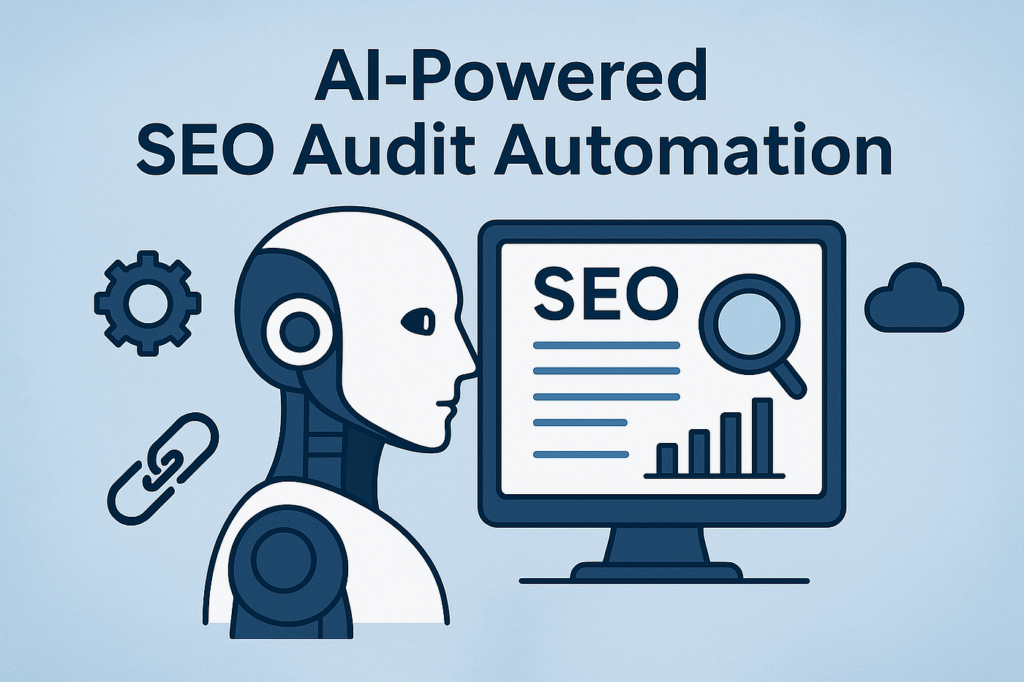
An AI SEO automated SEO audit represents a fundamental shift in how websites are analyzed, diagnosed, and optimized. Traditional manual audits, which once took weeks and required specialized technical expertise, can now be executed in minutes with machine learning algorithms that crawl, parse, and evaluate thousands of data points simultaneously. This comprehensive guide explores the mechanics, benefits, and practical implementation of automated SEO auditing powered by artificial intelligence, offering a clear roadmap for digital marketers, website owners, and SEO professionals seeking to maintain competitive rankings in an increasingly dynamic search landscape.
Understanding AI SEO Automated SEO Audit
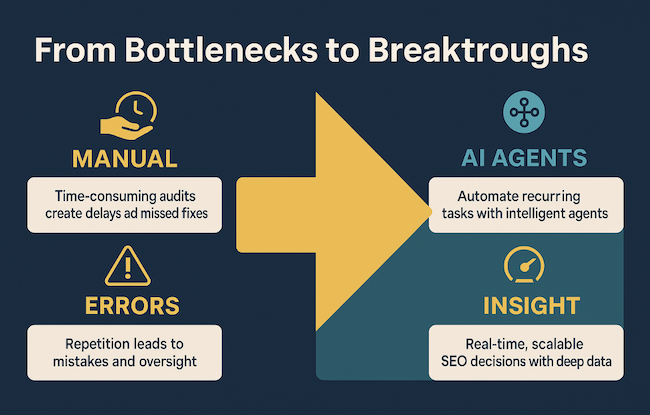
An AI SEO automated SEO audit is a systematic process where artificial intelligence algorithms analyze a website’s technical infrastructure, content quality, backlink profile, and user experience signals against established search engine guidelines. Unlike manual audits that rely on human judgment and sampling, AI-powered systems examine every page, every link, and every element of the site architecture, generating actionable insights without human bias or fatigue.
The core distinction lies in the automation of both data collection and analysis. Traditional tools might crawl a site and present raw data, but AI systems interpret that data, prioritize issues based on potential impact, and even suggest specific remediation steps. This intelligence layer transforms the audit from a reporting exercise into a strategic optimization engine.
The Evolution from Manual to Automated Audits
Manual SEO audits have existed since the early days of search engines, typically involving a checklist of technical elements, content reviews, and competitive analysis. These audits were time-consuming, expensive, and often outdated by the time they were completed. The digital landscape changes daily, with algorithm updates, new competitors, and shifting user behaviors rendering static audits obsolete quickly.
Automated audits emerged with tools that could crawl websites and identify broken links, missing meta tags, and duplicate content. However, these early tools lacked the interpretive capability to understand context, prioritize issues, or adapt to algorithm changes. The integration of AI and machine learning has addressed these limitations, enabling systems that learn from patterns across millions of websites and continuously refine their analysis criteria.
How AI-Powered Audit Systems Work
AI SEO automated SEO audit systems operate through a multi-layered architecture that combines web crawling, natural language processing, and predictive analytics. The process begins with a comprehensive crawl of the target website, mapping every URL, internal link, and resource. This crawl data forms the foundation for all subsequent analysis.
The AI layer then applies machine learning models trained on vast datasets of high-ranking and low-ranking websites. These models identify patterns and correlations that human auditors might miss, such as subtle content structure issues, semantic relevance gaps, or emerging technical problems. The system continuously updates its models based on new data, ensuring that audit recommendations remain aligned with current search engine behavior.
Key Components Analyzed in an Automated Audit
An AI-driven audit examines multiple dimensions of website health simultaneously. Technical SEO elements include crawlability, indexation status, page speed metrics, mobile responsiveness, structured data implementation, and canonical tag usage. Content analysis evaluates keyword relevance, topical coverage, readability scores, and semantic entity usage. Off-page factors include backlink quality, anchor text distribution, and domain authority trends.
User experience signals have become increasingly important in automated audits. AI systems analyze Core Web Vitals, dwell time patterns, bounce rates, and click-through rates to assess how real users interact with the site. These behavioral signals provide insights that pure technical analysis cannot capture, offering a holistic view of website performance.
Benefits of Implementing AI SEO Automated SEO Audit Systems
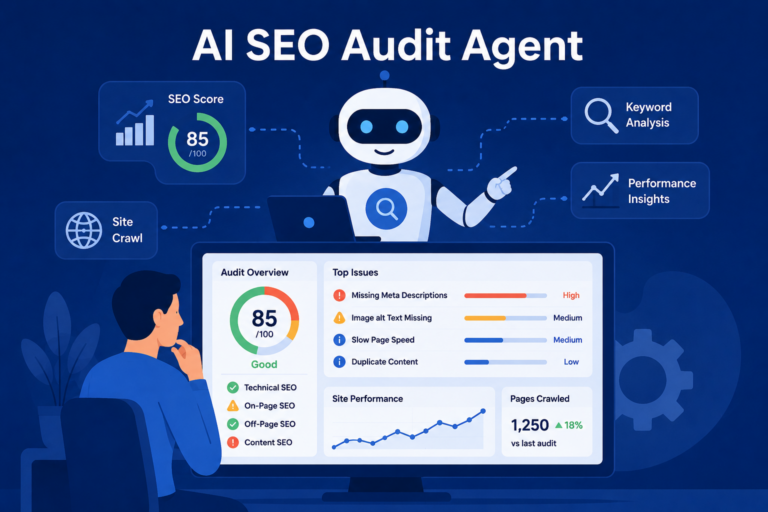
The advantages of automated AI audits extend far beyond time savings. These systems provide continuous monitoring, immediate issue detection, and data-driven prioritization that manual processes cannot match. For enterprise websites with thousands of pages, the scalability of AI audits makes comprehensive analysis feasible on a regular basis.
Cost efficiency represents another significant benefit. While premium AI audit tools require subscription fees, they replace the need for frequent external consultant engagements. The return on investment becomes apparent when considering the potential revenue loss from undetected SEO issues that could have been resolved quickly with automated monitoring.
Continuous Monitoring and Real-Time Alerts
One of the most valuable features of AI-powered audits is the ability to run continuously rather than as a one-time project. Websites change constantly, with new content published, plugins updated, and design elements modified. Each change carries the potential to introduce SEO issues. Automated systems detect these changes immediately and alert site owners before they impact rankings.
Real-time alerts enable rapid response to critical issues such as server errors, accidental noindex tags, or sudden drops in crawl frequency. This proactive approach prevents minor problems from escalating into major ranking losses, protecting the website’s search visibility and organic traffic revenue.
Data-Driven Prioritization of SEO Issues
Not all SEO issues carry equal weight. A missing alt text on a low-traffic image page has minimal impact compared to a site-wide canonicalization error. AI audit systems analyze the potential impact of each detected issue based on factors such as affected page authority, search volume for relevant keywords, and the severity of the technical problem.
This prioritization enables SEO teams to focus their limited resources on high-impact fixes first. The audit output typically includes a prioritized action list with estimated effort and potential benefit, allowing for data-driven resource allocation rather than gut-feeling decisions.
Limitations and Challenges of Automated Audits
Despite their sophistication, AI SEO automated SEO audit systems have limitations that practitioners must understand. AI models are trained on historical data and may not fully account for novel algorithm updates or unprecedented website structures. The recommendations generated are based on probabilities and patterns, not certainties.
Contextual understanding remains a challenge. An AI system might flag a page with thin content, but it cannot fully understand the intent behind a deliberately minimal landing page designed for a specific campaign. Human oversight remains essential to interpret audit findings within the broader business context.
Potential for False Positives and Misdiagnosis
Automated systems occasionally generate false positives, flagging issues that are not actually problematic. For example, an audit might identify duplicate content between two pages that are intentionally similar for regional targeting purposes. Without human review, these false positives can lead to unnecessary changes that harm rather than help SEO performance.
Misdiagnosis can also occur when AI systems lack understanding of industry-specific nuances. A legal website might have lengthy, complex content that an AI flags as too dense, when in reality, that depth is necessary for the topic and expected by the target audience. Human expertise provides the necessary filter for AI recommendations.
AI SEO Automated SEO Audit vs. Traditional Audit Methods
Understanding the differences between AI-driven and traditional audit approaches helps organizations choose the right strategy for their needs. The following table highlights key distinctions:
| Aspect | AI Automated Audit | Traditional Manual Audit |
|---|---|---|
| Time Required | Minutes to hours | Days to weeks |
| Coverage | 100% of pages | Sampling based |
| Frequency | Continuous | Periodic |
| Cost | Subscription based | High consultant fees |
| Interpretation | AI-driven analysis | Human expertise |
| Adaptability | Learns from new data | Depends on auditor knowledge |
| Actionability | Prioritized recommendations | Requires manual synthesis |
Traditional audits bring the benefit of deep human understanding and the ability to ask clarifying questions. However, they suffer from scalability limitations and the inherent subjectivity of individual auditors. AI audits offer consistency and comprehensiveness but require human interpretation for final decision-making.
Practical Implementation Guide for AI SEO Automated SEO Audit
Implementing an AI-powered audit system requires a structured approach to maximize value. The first step involves selecting the right tool or platform based on your specific needs, budget, and technical capabilities. Popular options include comprehensive platforms like Semrush, Ahrefs, and Screaming Frog, each offering varying levels of AI integration.
Once a tool is selected, proper configuration is essential. This includes setting up regular crawl schedules, defining custom parameters for your specific website structure, and establishing baseline metrics for comparison. The initial audit provides a baseline snapshot, while subsequent audits track progress and identify new issues.
Step-by-Step Process for Conducting an AI Audit
The following process outlines a practical approach to running an effective AI SEO automated SEO audit:
- Configure the audit tool with your website URL, crawl settings, and custom parameters
- Run the initial comprehensive audit to establish a baseline of current performance
- Review the prioritized issue list and categorize items by severity and impact
- Address critical technical issues that affect crawlability and indexation first
- Implement content improvements based on AI recommendations for keyword gaps and topical coverage
- Monitor backlink profile changes and disavow toxic links as identified by the system
- Set up automated weekly or monthly reports to track progress over time
- Integrate audit findings with your broader SEO strategy and content calendar
Consistency is key to success. Regular audits, whether weekly or monthly, provide the data needed to identify trends and measure the impact of optimization efforts. The AI system learns from each audit cycle, refining its recommendations based on what changes actually improve performance.
Integrating Audit Results with SEO Strategy
An audit is only valuable if its findings translate into action. The most effective approach involves integrating audit outputs into existing SEO workflows and project management systems. This ensures that identified issues are assigned, tracked, and resolved in a timely manner.
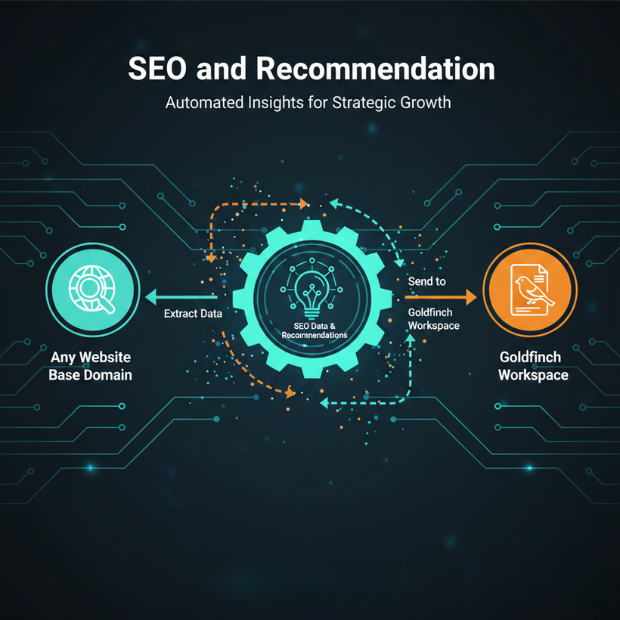
Many AI audit platforms offer API access and integrations with popular tools like Google Search Console, Google Analytics, and project management software. These integrations enable automated data flow and streamlined reporting, reducing the manual effort required to act on audit findings.
Common Mistakes in AI SEO Automated SEO Audit Implementation
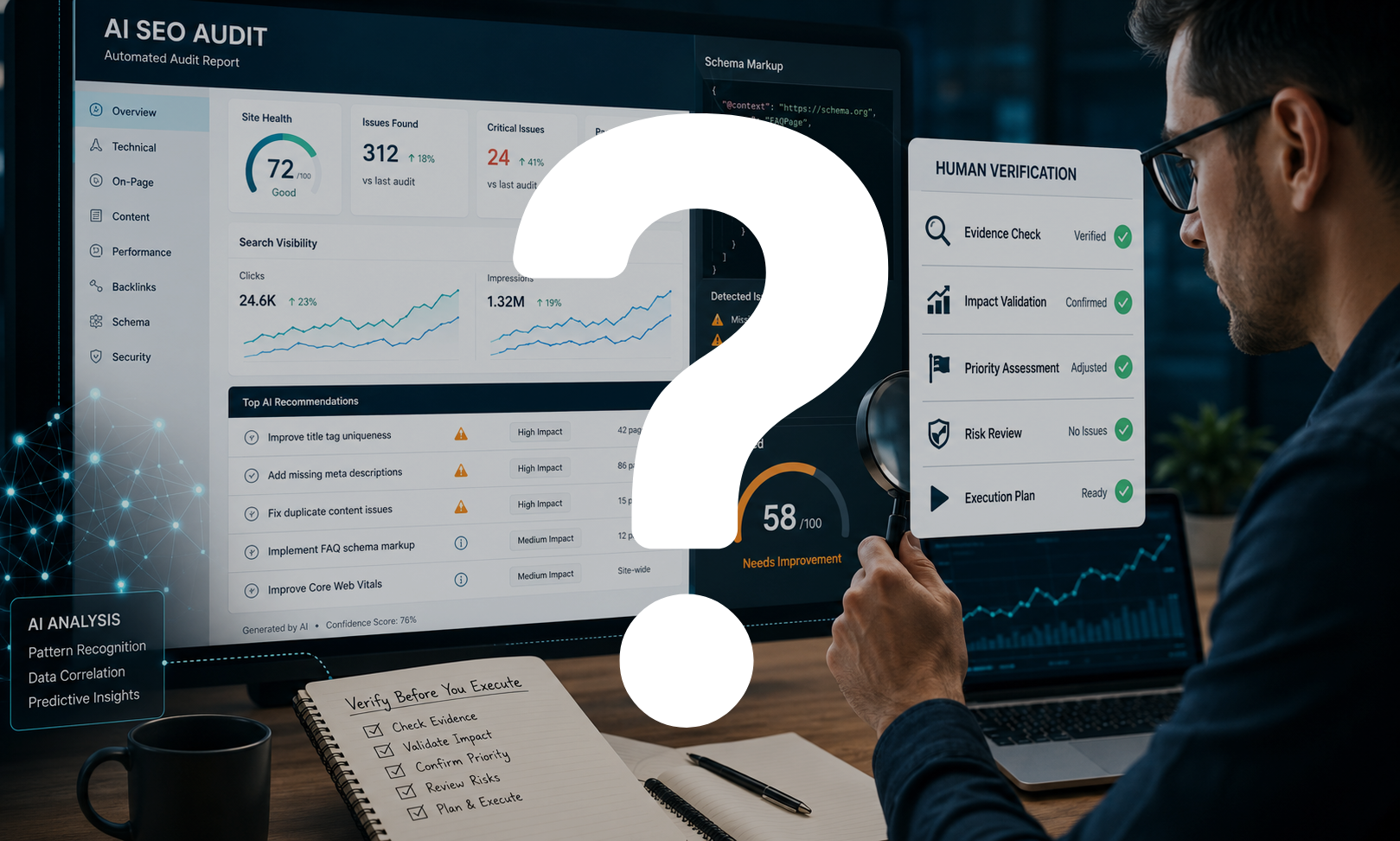
Organizations often make predictable errors when adopting automated audit systems. Understanding these pitfalls helps avoid wasted effort and suboptimal results. The most common mistake involves treating the audit tool as a one-time fix rather than an ongoing monitoring system.
Another frequent error is ignoring the context behind AI recommendations. Blindly implementing every suggestion without considering business goals, user intent, or industry norms can lead to counterproductive changes. The AI provides data and suggestions, but human judgment determines the final course of action.
Over-Reliance on Automation Without Human Oversight
Some teams make the mistake of fully automating their SEO processes, removing human review from the equation. While AI can handle data collection and initial analysis, the strategic interpretation and implementation require human expertise. Websites that succeed with AI audits maintain a hybrid approach, combining machine efficiency with human insight.
Regular review of audit outputs by experienced SEO professionals ensures that recommendations are evaluated within the proper context. These professionals can identify false positives, understand nuanced situations, and make informed decisions about which recommendations to implement.
Neglecting Action on Audit Findings
Running audits without acting on the findings represents a significant waste of resources. Many organizations generate comprehensive audit reports but fail to allocate time and budget for implementation. The audit becomes a documentation exercise rather than a driver of improvement.
To avoid this, establish clear accountability for audit follow-through. Assign specific team members to address different categories of issues, set deadlines for resolution, and track implementation progress. The audit should feed directly into sprint planning or project management cycles.
Important Notes for Maximizing Audit Value
Several key considerations enhance the effectiveness of AI SEO automated SEO audit initiatives. First, ensure that the audit tool has access to accurate data by verifying proper tracking code installation and Search Console verification. Incomplete data leads to incomplete analysis.
Second, recognize that AI audit tools are continuously evolving. Stay informed about feature updates and new capabilities that might benefit your specific use case. Many platforms release regular improvements to their AI models and analysis capabilities.
Third, combine automated audit data with qualitative insights from user feedback, customer service interactions, and on-site behavior analysis. The quantitative data from audits gains meaning when paired with understanding of actual user needs and pain points.
Data Privacy and Security Considerations
When using cloud-based AI audit tools, consider data privacy and security implications. Ensure that the chosen platform complies with relevant regulations such as GDPR or CCPA, particularly if your website handles sensitive user data. Review the platform’s data handling policies and security certifications.
Some organizations prefer on-premise or self-hosted audit solutions to maintain full control over their data. While these options require more technical expertise to set up, they offer enhanced security and customization capabilities for enterprises with strict compliance requirements.
Frequently Asked Questions
What is the difference between an AI SEO automated SEO audit and a regular SEO audit?
An AI SEO automated SEO audit uses machine learning algorithms to analyze website data, interpret findings, and generate prioritized recommendations automatically. A regular SEO audit typically involves manual analysis by human experts using various tools, which is more time-consuming and subject to human bias. AI audits provide continuous monitoring and scale to thousands of pages, while manual audits offer deeper contextual understanding.
How often should I run an AI SEO automated SEO audit?
For most websites, running a comprehensive AI audit monthly provides a good balance between staying current and avoiding information overload. High-traffic e-commerce sites or sites with frequent content updates may benefit from weekly audits. The key is establishing a consistent schedule and tracking changes over time to identify trends and measure improvement.
Can AI SEO automated SEO audit tools replace human SEO experts?
No, AI audit tools cannot fully replace human SEO experts. These tools excel at data collection, pattern recognition, and issue identification, but they lack the contextual understanding, strategic thinking, and creative problem-solving abilities of experienced professionals. The most effective approach combines AI efficiency with human expertise for interpretation and implementation.
What are the most important metrics to track in an AI SEO automated SEO audit?
Critical metrics include crawlability and indexation rates, page speed and Core Web Vitals, mobile usability scores, organic traffic trends, keyword rankings, backlink quality metrics, and conversion rates. The AI system should provide a holistic view of these metrics and highlight correlations between technical issues and performance declines.
How much does an AI SEO automated SEO audit tool cost?
Pricing varies widely based on features, website size, and usage frequency. Basic tools with limited AI capabilities start around $50-100 per month, while comprehensive enterprise platforms can cost $500-1000 or more per month. Many tools offer free trials or limited free versions, allowing you to test capabilities before committing to a paid plan.
What should I do with the results of an AI SEO automated SEO audit?
Prioritize the issues based on the AI system’s impact assessment, then create an action plan that addresses critical technical issues first, followed by content improvements and backlink strategies. Assign responsibilities, set timelines, and track implementation progress. Re-run the audit after implementing changes to verify improvement and identify any new issues that may have emerged.
Conclusion
AI SEO automated SEO audit technology has transformed the practice of search engine optimization, making comprehensive website analysis accessible, affordable, and continuous. The ability to monitor every page, detect issues in real-time, and receive prioritized recommendations empowers organizations to maintain competitive rankings without the resource burden of traditional manual audits.
The most successful implementations combine the analytical power of AI with the strategic judgment of experienced SEO professionals. This hybrid approach maximizes the strengths of both human and machine intelligence, ensuring that audit findings translate into meaningful, measurable improvements in search visibility and organic traffic. As AI technology continues to evolve, the capabilities of automated audit systems will expand further, making them an increasingly essential component of any serious SEO strategy.
Organizations that embrace AI-driven auditing today position themselves for sustained success in the ever-changing search landscape. The investment in automated audit technology pays dividends through early issue detection, efficient resource allocation, and data-driven decision-making. The future of SEO belongs to those who leverage the power of artificial intelligence to continuously optimize their digital presence.
Xem thêm:
- AI SEO LLM Referral Traffic: The Complete Guide to Winning AI Search Visibility
- AI Search Traffic: Your Complete Guide to Organic Visibility in the Age of Generative AI
- Agency AI SEO: The Complete Guide to Scaling Client Results with Artificial Intelligence
- The Ultimate Guide to AI SEO Chrome Extensions: Work Smarter, Rank Higher
- AI SEO Ecommerce Product SEO: The Complete Playbook for 2025
Bài viết cùng chủ đề:

AI SEO SEO Automation with Make: The Complete Workflow Guide

AI SEO SEO Automation with Zapier: The Complete Workflow Guide

AI SEO SEO Automation with n8n: The Complete Workflow Guide
AI SEO SEO Automation with Gemini: The Complete Guide to Scaling Organic Growth

AI SEO SEO Automation with Claude: The Complete Guide to Scaling Content in 2025

AI SEO SEO Automation with ChatGPT: The Complete Playbook for 2025

AI SEO & SEO Automation for Affiliate Sites: The 2025 Playbook for Passive Income Growth
AI SEO & SEO Automation for Bloggers: The Complete Guide to Scaling Your Content

AI SEO & SEO Automation for Agencies: The Complete 2025 Playbook

AI SEO and SEO Automation for Ecommerce: The Complete Playbook for 2025

AI SEO & SEO Automation for WordPress: The Complete Playbook for 2025
AI SEO SEO Automation Strategy: The Complete Playbook for 2025

Mastering the AI SEO SEO Automation Process: A Complete Guide to Scaling Organic Growth
AI SEO SEO Automation System: The Complete Guide to Scaling Organic Growth in 2025
AI SEO SEO Automation Platform: The Complete Guide to Scaling Organic Growth in 2025
AI SEO SEO Automation Software: The Complete Guide to Scaling Organic Growth in 2025















