
No products in the cart.
AI SEO Semantic Content Analysis: The Complete Guide to Smarter Rankings
10
Aug
Aug
AI SEO semantic content analysis has transformed how websites achieve search visibility. This approach moves beyond simple keyword matching to understand the true meaning, context, and relationships between words and concepts. Search engines like Google now use sophisticated natural language processing to interpret user intent, making semantic analysis essential for any serious content strategy. This guide explains what AI SEO semantic content analysis is, how it works, and how to apply it effectively to improve rankings and organic traffic.
What Is AI SEO Semantic Content Analysis?
AI SEO semantic content analysis refers to the use of artificial intelligence and machine learning algorithms to evaluate the meaning, context, and structure of web content. Unlike traditional SEO that focused on exact-match keywords, semantic analysis examines how words relate to each other, the entities mentioned, and the overall topic coverage. The goal is to ensure content thoroughly answers user queries in a way that aligns with search engine understanding.
This analysis processes text to identify key entities, concepts, and their relationships. It helps content creators understand what topics and subtopics their pages should cover to be considered authoritative on a subject. The technology powers tools that compare your content against top-ranking pages, highlighting gaps in coverage and suggesting related terms to include.
The Evolution from Keywords to Semantics
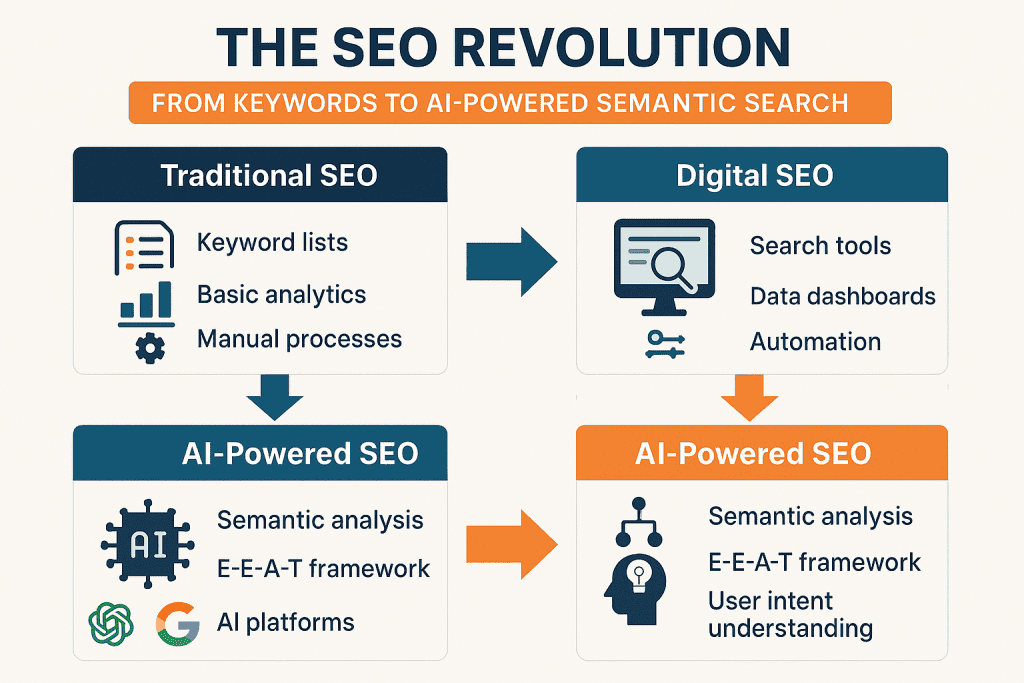
Early search engines relied heavily on keyword density and exact phrase matches. This led to content that was often awkward and stuffed with repetitive phrases. The introduction of algorithms like Google’s Hummingbird in 2013 marked a shift toward understanding the intent behind queries. Later updates, including RankBrain and BERT, brought neural networks and transformer models into search, allowing Google to grasp nuance and context better than ever before.
Today, AI SEO semantic content analysis is not optional. Search engines can detect whether content genuinely covers a topic or simply repeats keywords. Pages that demonstrate comprehensive semantic coverage tend to rank higher because they satisfy user needs more completely.
How AI Semantic Analysis Works in SEO
Understanding the mechanics behind AI SEO semantic content analysis helps you use it more effectively. The process involves several layers of natural language processing and machine learning.
Natural Language Processing (NLP)
NLP is the foundation of semantic analysis. It breaks down text into components like tokens, parts of speech, and grammatical structures. This allows algorithms to understand the syntactic role of each word in a sentence. For SEO, NLP helps identify whether a term is used as a noun, verb, or adjective, which changes its meaning in context.
Entity Recognition
Named Entity Recognition (NER) identifies specific objects, people, places, organizations, and products within text. For example, in an article about digital marketing, the system recognizes “Google,” “SEO,” and “content marketing” as distinct entities. This helps search engines map relationships between concepts and build a knowledge graph of your content’s subject matter.
Topic Modeling and Clustering
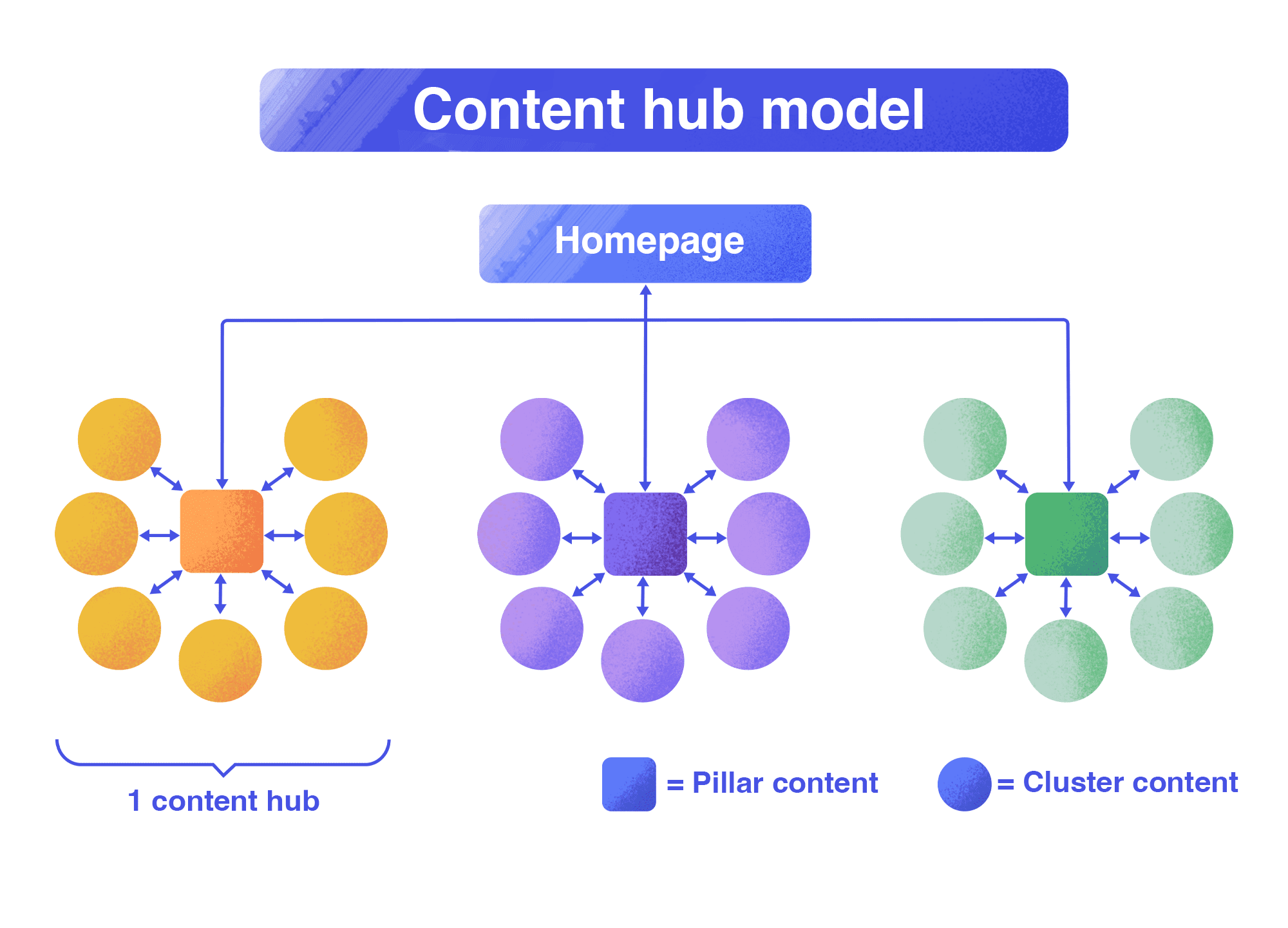
Topic modeling algorithms group related words and concepts into themes. Latent Dirichlet Allocation (LDA) is a common technique that identifies the main topics running through a document. In SEO, this reveals whether your content covers all relevant subtopics that users and search engines expect for a given query.
Semantic Similarity Scoring
Algorithms measure how similar two pieces of text are in meaning, not just in word overlap. This is crucial for evaluating whether your content matches the intent of a search query. Tools use cosine similarity and other mathematical models to score your content against top-ranking pages, showing you where to improve.
Key Components of AI SEO Semantic Content Analysis
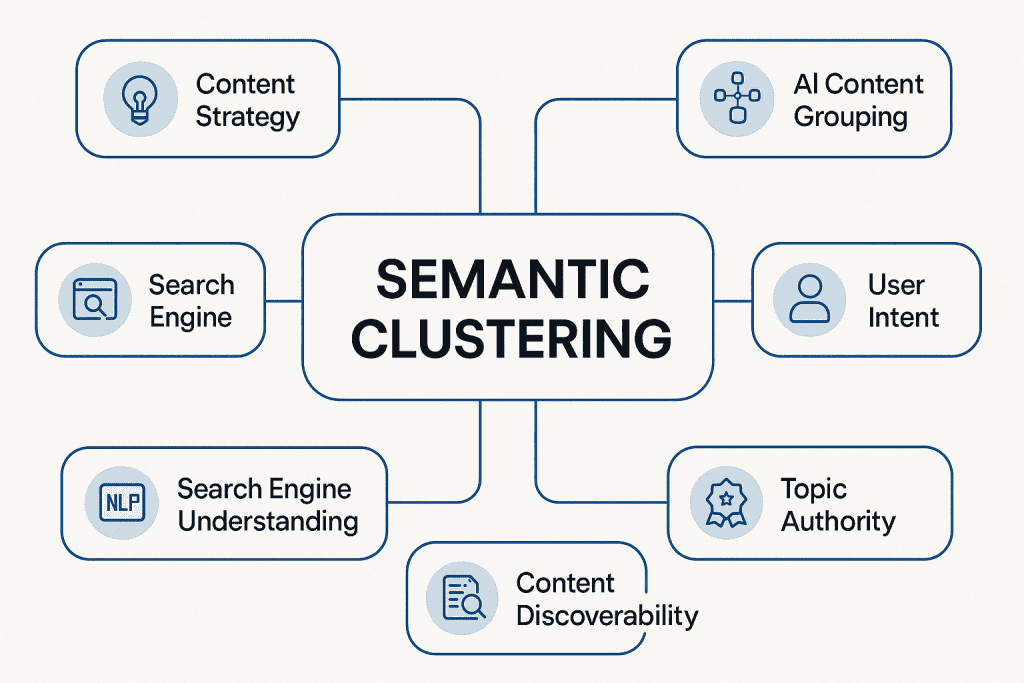
To apply this analysis effectively, you need to understand its core components. Each plays a distinct role in optimizing content for both users and search engines.
Keyword Clustering
Instead of targeting individual keywords, semantic analysis groups related keywords into clusters. For instance, “best running shoes,” “trail running footwear,” and “marathon shoes” might belong to one cluster. Creating content that addresses the entire cluster signals comprehensive coverage to search engines.
Entity Optimization
This involves ensuring your content clearly mentions and connects relevant entities. Using structured data markup like Schema.org helps search engines understand the relationships between entities on your page. For example, marking up a product review with the product name, rating, and reviewer creates clear semantic signals.
Contextual Relevance
Search engines evaluate whether your content fits the context of the query. This includes factors like the user’s location, search history, and device. AI semantic analysis helps you create content that adapts to different contextual scenarios, such as local intent versus informational intent.
Content Depth and Coverage
Semantic analysis measures how thoroughly you cover a topic. This goes beyond word count to assess whether you address the questions, subtopics, and related concepts that users expect. A comprehensive guide on “coffee brewing” should cover methods, equipment, bean types, grind sizes, and common mistakes.
Benefits of Using AI Semantic Content Analysis
Implementing AI SEO semantic content analysis offers measurable advantages for your content strategy and overall search performance.
Improved Search Relevance
Content that aligns with semantic understanding matches user intent more accurately. This leads to higher relevance scores, which search engines reward with better rankings. Pages that answer the full scope of a query tend to appear in more featured snippets and position zero results.
Higher Content Quality
Semantic analysis pushes you to create more thorough, informative content. By identifying gaps in your coverage, you naturally produce more valuable resources for readers. This improves engagement metrics like time on page and reduces bounce rates, which are indirect ranking factors.
Competitive Edge
Many websites still rely on outdated keyword-stuffing tactics. By adopting semantic analysis, you differentiate your content and capture traffic from long-tail and voice search queries that competitors miss. This is especially valuable in saturated niches.
Scalability for Large Sites
For e-commerce sites and large publishers, AI semantic analysis automates the process of optimizing thousands of pages. Tools can analyze entire content libraries, flagging pages that need updates and suggesting improvements based on current search trends.
Limitations and Challenges
While powerful, AI SEO semantic content analysis has limitations that you should acknowledge to avoid over-reliance on automation.
Data Quality Dependence
The accuracy of semantic analysis depends on the quality of the training data and the algorithms used. Biased or incomplete data can lead to incorrect recommendations. Always cross-reference tool suggestions with your own judgment and user feedback.
Contextual Ambiguity
Language is inherently ambiguous. Words have multiple meanings depending on context, and sarcasm or cultural references can confuse even advanced AI. For highly nuanced topics, human oversight remains essential.
Over-Optimization Risk
Following semantic suggestions too literally can result in unnatural content that tries to cover every possible related term. This can harm readability and user experience. Balance semantic coverage with clear, engaging writing.
Constant Algorithm Updates
Search engine algorithms evolve continuously. What works today may not work tomorrow. Semantic analysis tools must be updated regularly to stay aligned with the latest ranking factors, which can be a resource-intensive process.
AI Semantic Analysis vs. Traditional SEO
Understanding the differences between traditional SEO and AI-driven semantic analysis clarifies why the latter is necessary for modern search success.
| Aspect | Traditional SEO | AI Semantic Content Analysis |
|---|---|---|
| Primary Focus | Exact keyword matching | Meaning and context |
| Content Strategy | Targeting individual keywords | Covering topic clusters |
| Measurement | Keyword density, backlinks | Entity coverage, topical depth |
| User Intent | Assumed from keyword | Inferred from context and behavior |
| Flexibility | Rigid, keyword-bound | Adaptive to query variations |
| Content Creation | Writing for search engines | Writing for users, optimized for search |
The table highlights a fundamental shift. Traditional SEO treated keywords as the destination, while semantic analysis treats them as a starting point for understanding the full topic landscape.
Practical Applications and Tools
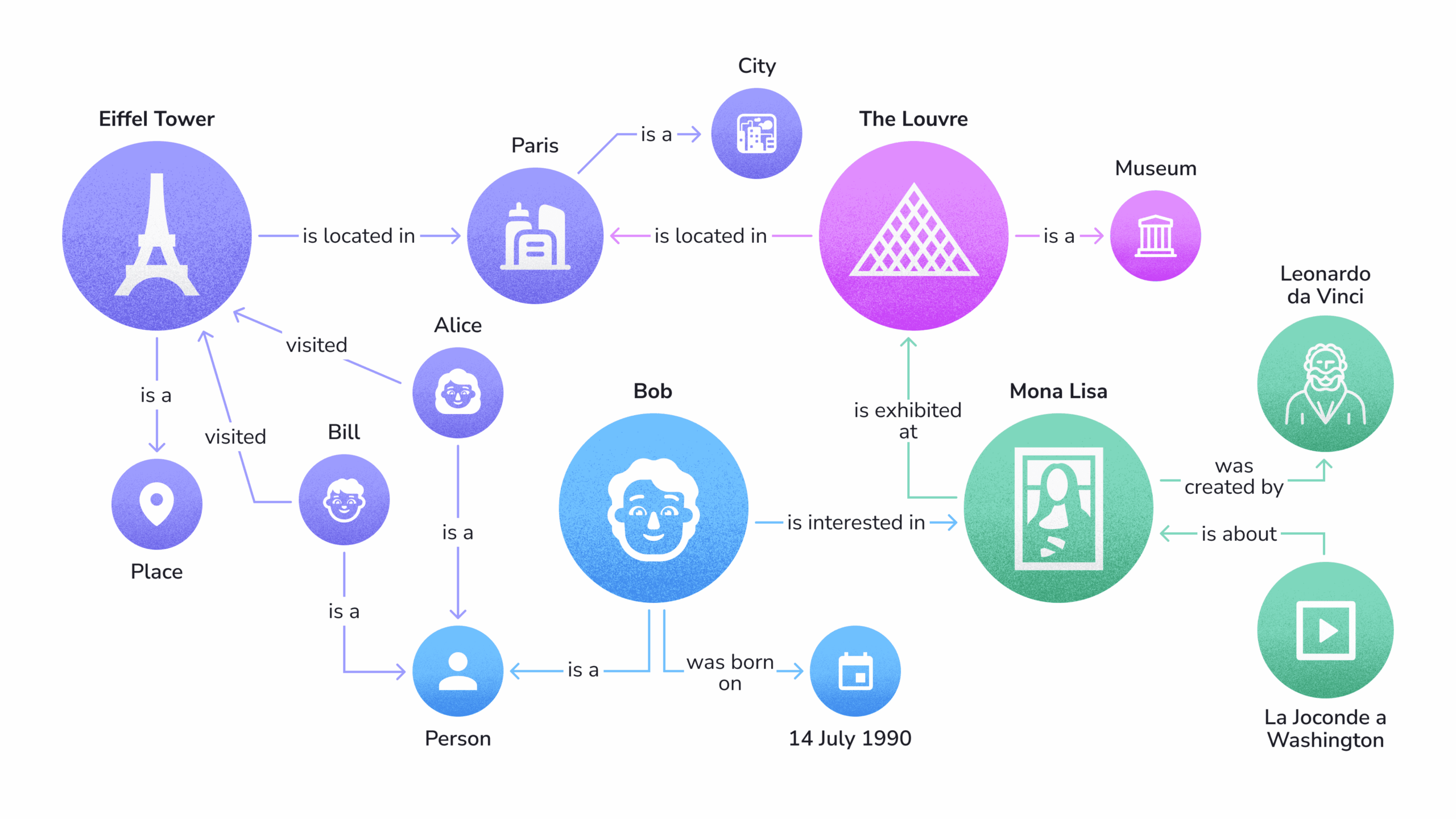
Applying AI SEO semantic content analysis requires the right tools and a structured workflow. Several platforms offer robust features for this purpose.
Popular Semantic Analysis Tools
- Surfer SEO: Analyzes top-ranking pages and provides content guidelines based on semantic relevance, including related terms and structure recommendations.
- Clearscope: Uses NLP to identify key terms and entities that should be included in your content to match search intent.
- MarketMuse: Offers content scoring and optimization suggestions based on a comprehensive analysis of your site and competitors.
- Frase: Helps with content briefs by analyzing search results and generating outlines that cover semantic subtopics.
- Google NLP API: Provides raw entity and sentiment analysis for developers and advanced users who want custom solutions.
- Identify your target topic: Choose a subject that aligns with your business goals and has search demand.
- Run a semantic analysis: Use a tool like Surfer or Clearscope to analyze the top 10-20 ranking pages for your target keyword.
- Extract key entities and terms: Note the recurring entities, related concepts, and subtopics that appear across high-ranking content.
- Create a comprehensive outline: Structure your content to cover all identified subtopics in a logical flow.
- Write naturally: Incorporate the semantic terms organically, focusing on readability and user value.
- Optimize structure: Use clear headings, bullet points, and tables to improve scannability and semantic clarity.
- Validate with scoring: Run your draft through the analysis tool to check your semantic score and fill any gaps.
- Publish and monitor: Track your rankings and organic traffic, then update content as search trends evolve.
Step-by-Step Implementation Guide
Follow this workflow to integrate semantic analysis into your content creation process.
Common Mistakes and How to Avoid Them
Even with the best tools, mistakes can undermine your semantic SEO efforts. Recognizing these pitfalls helps you stay on track.
Keyword Stuffing in Disguise
Some marketers try to game semantic analysis by forcing every related term into their content. This creates unnatural, low-quality text. Avoid this by prioritizing readability. If a term does not fit naturally, leave it out or find a different way to express the concept.
Ignoring User Intent
Semantic analysis is a means to an end: satisfying user intent. Focusing solely on matching terms without considering what the user actually wants leads to high bounce rates. Always ask what problem the user is trying to solve and ensure your content provides the answer.
Neglecting Content Updates
Search trends and semantic relationships change over time. Content that was optimized six months ago may now be outdated. Schedule regular audits of your top pages and refresh them with new information and updated semantic signals.
Overlooking Technical SEO
Semantic analysis cannot compensate for technical issues like slow page speed, broken links, or poor mobile experience. Ensure your site’s technical foundation is solid so that your semantically optimized content can actually be crawled and indexed effectively.
Important Notes for Successful Implementation
Keep these considerations in mind to maximize the effectiveness of your AI SEO semantic content analysis strategy.
Combine with Traditional SEO
Semantic analysis does not replace traditional SEO practices. Backlinks, technical optimization, and on-page elements like title tags and meta descriptions remain important. Use semantic analysis to enhance these efforts, not replace them.
Focus on E-E-A-T
Google’s guidelines emphasize Experience, Expertise, Authoritativeness, and Trustworthiness. Semantic analysis helps you cover topics comprehensively, but you must also demonstrate genuine expertise through accurate information, credible sources, and transparent authorship.
Leverage Structured Data
Schema markup provides explicit semantic signals to search engines. Implement relevant schema types like Article, FAQ, HowTo, and Product to help search engines understand your content’s structure and entities.
Monitor Performance Metrics
Track not just rankings but also engagement metrics like click-through rate, dwell time, and conversion rate. These indicate whether your semantically optimized content is actually resonating with users, not just search engines.
Frequently Asked Questions
What is the difference between semantic SEO and traditional SEO?
Traditional SEO focuses on optimizing for specific keywords and phrases, often measuring keyword density and exact matches. Semantic SEO focuses on the meaning and context behind queries, covering related topics and entities to comprehensively satisfy user intent. Semantic SEO is more holistic and aligns with modern search engine algorithms that use natural language processing.
How does AI help with semantic content analysis?
AI algorithms process large volumes of text to identify patterns, entities, and relationships that humans might miss. They can analyze top-ranking pages, extract common semantic themes, and provide data-driven recommendations for content structure and topic coverage. This automation makes the process faster and more scalable than manual analysis.
Do I need expensive tools for semantic SEO?
While premium tools offer advanced features, you can start with free resources. Google’s NLP API has a free tier for testing. You can also manually analyze top-ranking pages by examining their headings, subheadings, and frequently used terms. As your content volume grows, investing in a dedicated tool becomes more cost-effective.
How often should I update my content for semantic relevance?
T Search trends, competitor content, and user behavior change frequently. Regular updates ensure your content remains semantically aligned with current search intent and algorithm requirements.
Can semantic analysis help with voice search optimization?
Yes, voice search queries are typically longer and more conversational than typed queries. Semantic analysis helps you understand the intent behind these natural language questions and create content that directly answers them. This improves your chances of appearing in voice search results and featured snippets.
Conclusion
AI SEO semantic content analysis represents the current standard for search optimization. It moves beyond simplistic keyword targeting to understand the full meaning and context of content, aligning with how modern search engines evaluate pages. By implementing semantic analysis, you create content that is more relevant, comprehensive, and valuable to users, which ultimately leads to better rankings and sustainable organic growth.
The shift from keywords to semantics is not a passing trend but a fundamental evolution in how search works. Adopting this approach now positions your content strategy for long-term success. Start by analyzing your top pages, identifying semantic gaps, and using the insights to create richer, more authoritative content. The effort invested in understanding and applying AI semantic analysis will pay dividends in improved search visibility and user engagement.
Xem thêm:
- AI SEO Pillar Content: The Complete Blueprint for Dominating Search Rankings in 2025
- AI Site Audit: The Complete Guide to Smarter, Faster Website Analysis for 2025
- AI Page Speed: How Artificial Intelligence Transforms Your Website Into a Lightning-Fast Experience
- AI SEO Click Through Rate: The Complete Guide to Boosting Your Organic CTR in 2025
- AI FAQ Generator: Automate Your Customer Support With Intelligent Self-Service
Bài viết cùng chủ đề:

AI SEO SEO Automation with Make: The Complete Workflow Guide

AI SEO SEO Automation with Zapier: The Complete Workflow Guide

AI SEO SEO Automation with n8n: The Complete Workflow Guide
AI SEO SEO Automation with Gemini: The Complete Guide to Scaling Organic Growth

AI SEO SEO Automation with Claude: The Complete Guide to Scaling Content in 2025

AI SEO SEO Automation with ChatGPT: The Complete Playbook for 2025

AI SEO & SEO Automation for Affiliate Sites: The 2025 Playbook for Passive Income Growth
AI SEO & SEO Automation for Bloggers: The Complete Guide to Scaling Your Content

AI SEO & SEO Automation for Agencies: The Complete 2025 Playbook

AI SEO and SEO Automation for Ecommerce: The Complete Playbook for 2025

AI SEO & SEO Automation for WordPress: The Complete Playbook for 2025
AI SEO SEO Automation Strategy: The Complete Playbook for 2025

Mastering the AI SEO SEO Automation Process: A Complete Guide to Scaling Organic Growth
AI SEO SEO Automation System: The Complete Guide to Scaling Organic Growth in 2025
AI SEO SEO Automation Platform: The Complete Guide to Scaling Organic Growth in 2025
AI SEO SEO Automation Software: The Complete Guide to Scaling Organic Growth in 2025















