
No products in the cart.
Mastering AI SEO Automation Tools: The Ultimate Guide to Scaling Organic Growth Without Burning Out
29
Jul
Jul
The digital marketing landscape has shifted irreversibly. Manual keyword research, painstaking content audits, and hours spent tweaking meta tags are no longer viable for brands that want to compete. This is exactly where AI SEO Automation Tools come into play. By leveraging machine learning and natural language processing, these platforms handle the repetitive, data-heavy chores that once consumed entire teams. The result is faster decision-making, reduced human error, and a level of scalability that traditional workflows simply cannot match.
This comprehensive guide unpacks everything you need to know about AI SEO automation. You will learn how these systems work, which tasks they replace, the tangible benefits and hidden limitations, and how to integrate them into a modern organic strategy without sacrificing quality or authenticity.
What Are AI SEO Automation Tools?
AI SEO automation tools are software platforms that apply artificial intelligence to streamline and execute search engine optimization workflows. Unlike conventional SEO suites that require manual input for every action, these tools use algorithms to analyze massive data sets, identify patterns, and autonomously perform tasks like content generation, internal linking, keyword clustering, and schema markup creation.
At their core, these tools combine large language models (LLMs), computer vision, and predictive analytics. They interpret search intent, evaluate content quality against top-ranking pages, and surface optimization opportunities in seconds. Think of them as an intelligent co-pilot that never sleeps. They do not replace the human strategist; they amplify human capability by removing the bottleneck of manual execution.
How the Technology Works Behind the Scenes
Understanding the mechanics demystifies the “magic” and helps you evaluate solutions critically. Most AI SEO tools rely on a stack of interconnected technologies:
- Natural Language Processing (NLP): Extracts entities, sentiment, and topical relevance from search queries and web documents. This powers content briefs and on-page scoring.
- Machine Learning Models: Trained on millions of ranking pages, they predict which page elements (word count, heading structure, keyword density, image alt text) correlate with high positions for a given query.
- Generative AI: Creates drafts, meta descriptions, title tags, and even entire blog posts based on target keywords and tone-of-voice prompts.
- Computer Vision: Reads visual elements—charts, infographics, product images—to generate accurate alt text and assess page layout.
- Autonomous Crawling and Log Analysis: Mimics search engine bots to detect index bloat, broken links, redirect chains, and crawl budget waste without human scheduling.
- Integration with Your Current Stack: The tool must seamlessly export data into your existing analytics, CMS, and project management environment. API availability and native integrations prevent data silos.
- Training and Onboarding Support: Sophisticated AI interfaces have steep learning curves. Look for vendors that provide dedicated customer success managers, extensive documentation, and community forums.
- Model Transparency: Know which AI model powers the tool and whether it’s regularly updated. GPT-based tools may lag behind direct API access. Tools that train their own proprietary SEO-focused models often deliver higher accuracy.
- Content Ownership and Privacy: Ensure you retain full ownership of any content generated. Avoid tools that claim a license to use your data for model training without explicit permission.
- Future-Proofing Against Search Engine Updates: Tools that constantly align with Google’s quality guidelines (E-E-A-T, helpful content) are safer bets. Ask potential vendors how quickly their algorithms adapt to major core updates.
When integrated, these components form an automation layer that handles everything from discovery research to post-publish optimization.
Comprehensive Classification of AI SEO Automation Tools
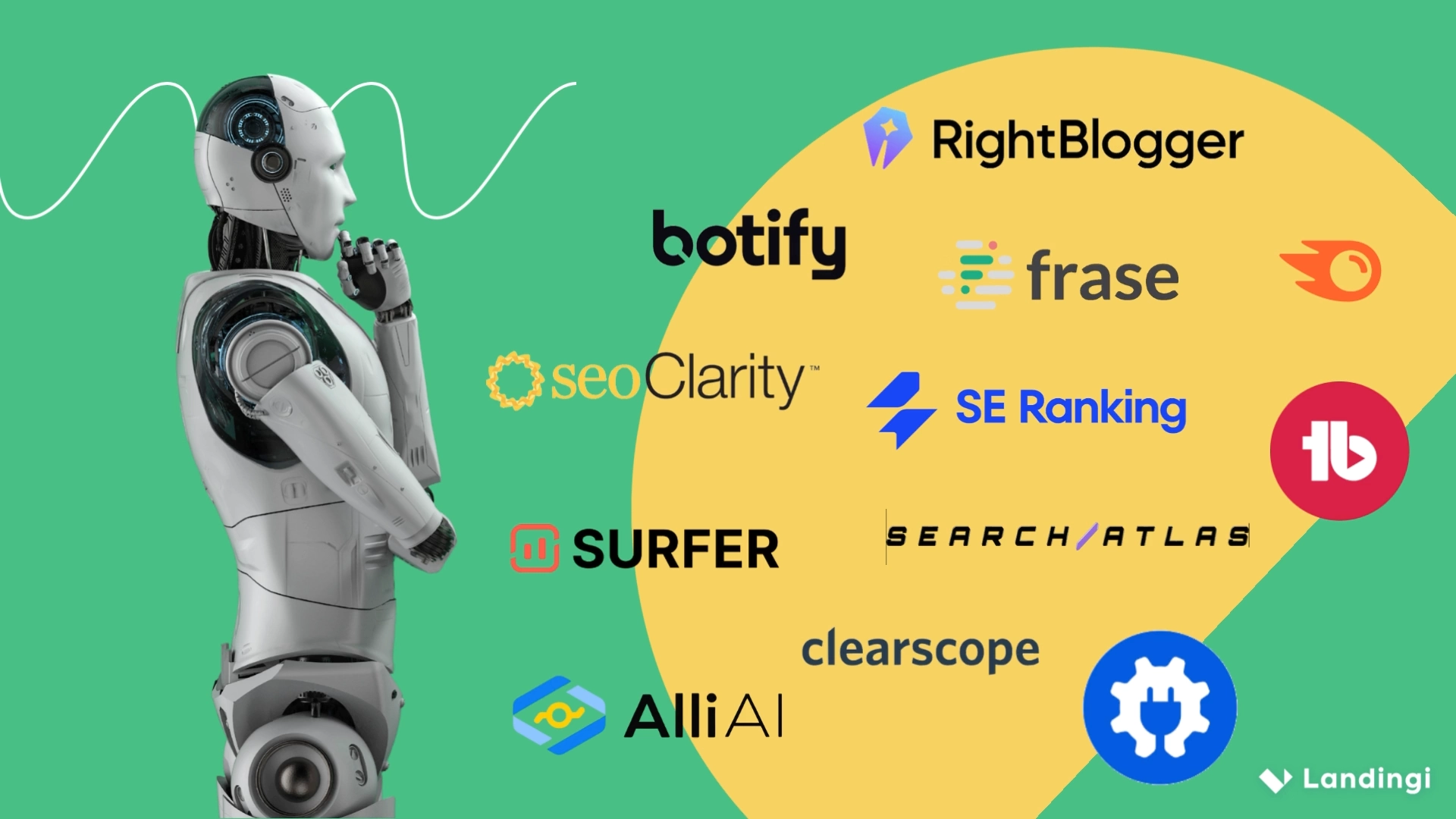
The market is flooded with point solutions, but they generally fall into distinct categories based on the primary job they automate. Recognizing these categories helps you build a well-rounded tech stack without overlapping subscriptions.
1. AI-Powered Content Optimization and Briefing Platforms
Tools like Surfer SEO, Frase, and MarketMuse analyze the top-ranking pages for a focus keyword and generate data-driven content briefs. They score your draft in real time against NLP models, highlighting missing terms, subheadings, and question phrases. Automation extends to suggesting internal links and automatically updating content decay alerts when a piece slips in rank.
2. Autonomous Keyword and Topic Research Engines
Instead of manually typing seed keywords into a planner, AI-driven tools like Semrush’s Keyword Magic Tool (powered by AI clustering) or Ahrefs’ AI-enhanced suggestions group thousands of queries into topical clusters. They automate the mapping of pillar pages to cluster content, saving strategists dozens of hours each quarter. Some platforms, like Keyword Insights, use AI to automatically build an entire content architecture from a single seed term.
3. Automated Technical SEO Auditors
Classic crawlers like Screaming Frog now integrate AI to prioritize fixes based on impact. But dedicated AI technical SEO tools go further. Sitebulb uses machine learning to understand the “why” behind issues, not just flagging a missing H1 but explaining how it affects semantic relevance. Botify and DeepCrawl automate log file analysis, identifying crawl budget waste and rendering discrepancies with predictive models that alert you before a critical page drops out of the index.
4. AI-Based Backlink and Off-Page Automation
Link building has long been manual outreach. AI changes this by analyzing link prospects at scale. BuzzStream and Pitchbox use AI to personalize outreach emails, predict which domains are most likely to respond, and even generate tailored relationship notes. Meanwhile, Ahrefs and Majestic apply machine learning to detect toxic links and automate disavow file creation, a task that previously required hours of manual review.
5. Full-Stack AI SEO Automation Platforms
New entrants like Alli AI, CanIRank, and WordLift aim to automate entire workflows. They detect SEO issues and implement the technical fix directly on your site through API connections (changing canonical tags, updating internal links) without developer involvement. Some even auto-rewrite stale content or add structured data markup based on the page’s intent.
Key Benefits That Make AI SEO Automation Indispensable
The shift from manual to automated is not a luxury—it is a competitive necessity. Organizations deploying these tools effectively report tangible gains across multiple dimensions.
Exponential Speed and Scale: AI can complete a competitive content gap analysis for 10,000 keywords in minutes, a task that would take an analyst weeks. This speed allows marketers to react to algorithm updates, competitor moves, and seasonal trends almost in real time.
Data-Driven Precision: Human bias and guesswork are removed. Instead of thinking “this keyword feels right,” you get exact search volume, trend data, and AI-predicted difficulty scores. Content optimization recommendations are rooted in actual top-performing page elements, not outdated beliefs.
Cost Efficiency and Resource Reallocation: When routine technical audits, rank tracking, and basic content drafting are automated, senior SEO professionals can focus on strategy, persuasive copy, and creative campaigns. A single AI-augmented strategist can manage the workload that previously required a team of five.
Continuous Monitoring Without Fatigue: AI tools never get bored. They run 24/7 crawls, monitoring for site changes, ranking fluctuations, and new backlink alerts. Automated anomaly detection tells you when traffic drops spike for a specific cohort of pages, often before you notice the drop in your dashboard.
Personalization at Scale: AI can tailor meta descriptions, landing page copy, and even internal link suggestions based on user behavior signals. E-commerce sites benefit immensely from automated product description updates that reflect seasonal search intent, all driven by AI content generators.
Limitations and Risks You Must Account For
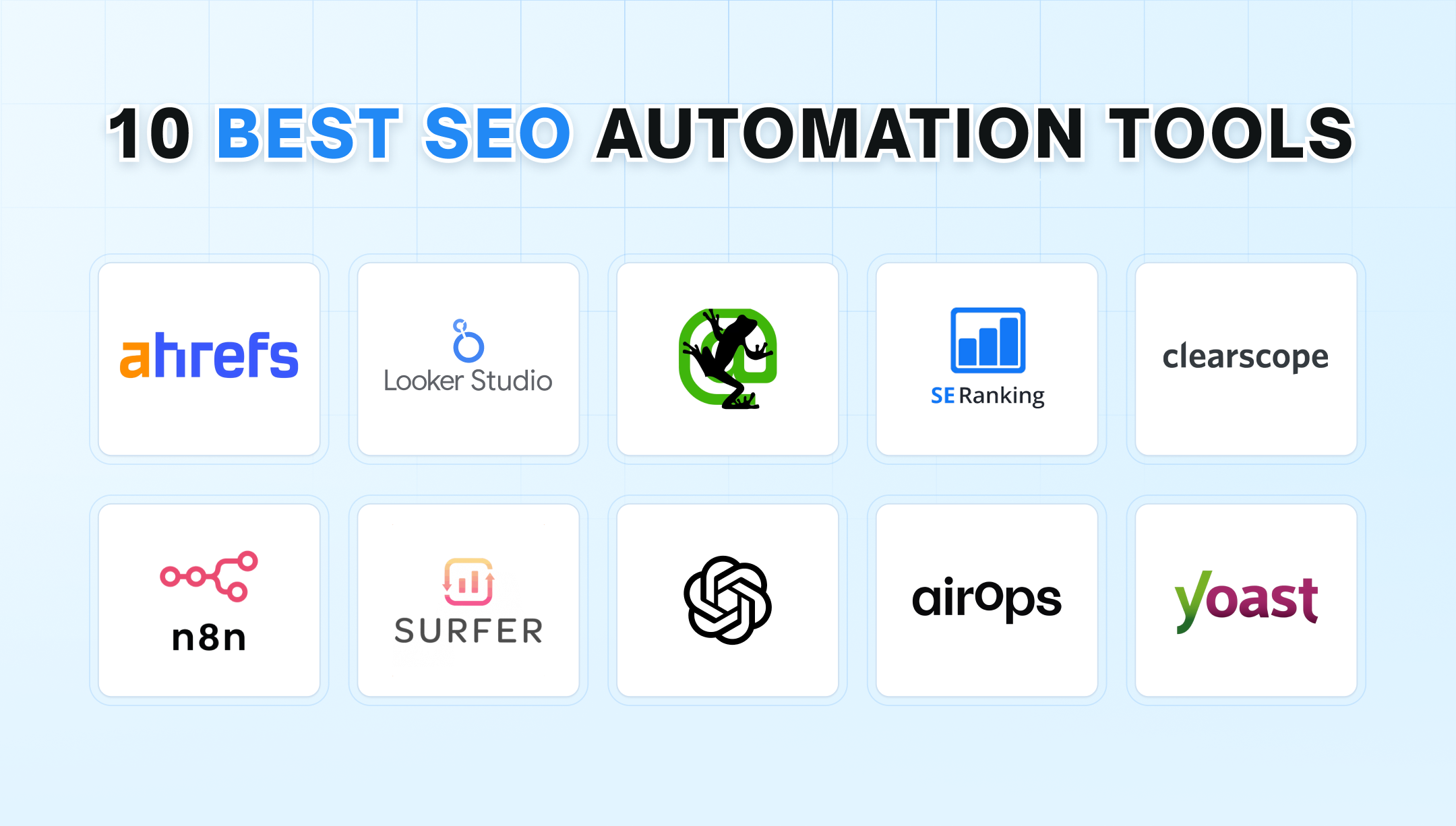
No technology is a silver bullet. Over-reliance on AI SEO automation without strategic oversight leads to mediocre results and even penalties. Understanding the boundaries protects your brand.
Generic, Brand-Diluting Content: Generative AI can produce grammatically correct articles, but they often lack unique insights, first-hand experience, and on-brand storytelling. Search engines increasingly reward demonstrated experience, something pure AI cannot fabricate. Bland, regurgitated content clusters fail to build trust and authority.
Contextual Blind Spots: NLP models still struggle with sarcasm, cultural nuance, and highly specialized jargon. An AI might recommend optimizing for “best free legal advice” when your firm only wants high-value corporate clients, leading to misaligned traffic.
Algorithmic Dependence and Over-Optimization: When every competitor uses the same AI content optimizer, the top results start looking identical. This homogeneity can trigger ranking suppression as search engines demote uniform content. True edges still come from human creativity and first-party data.
Technical Automation Can Break a Site: Tools that auto-implement changes via API, like automatic internal linking plugins, can create site-wide bloat, orphan pages, or canonical conflicts if not monitored. Blind automation without staging tests has cost businesses millions in organic traffic overnight.
Data Privacy and Compliance Concerns: Sending your proprietary content and customer data through cloud-based AI tools may violate GDPR or internal security policies. Always check where data is processed and how models are retrained.
A Practical Workflow: Integrating AI Automation Without Losing the Human Touch
Implemented correctly, AI SEO tools become a force multiplier. The following workflow demonstrates how to layer automation into a monthly organic growth cycle.
Step 1: Automated Market and Keyword Intelligence
Start each quarter by feeding your industry’s core terms into an AI topic clustering tool. Let it generate a comprehensive topic map, complete with search volume, click-through rates, and content gap analysis. This replaces weeks of manual spreadsheet work. Validate the cluster with human judgment: remove irrelevant concepts and add trending topics from social listening.
Step 2: AI-Assisted Content Strategy Creation
Use an AI brief generator to produce detailed outlines for priority topics. The tool will scrape the top 20 results and recommend a word count, heading hierarchy, and semantic entities. A senior strategist then reviews and injects unique angles, proprietary data, quotes from subject matter experts, and multimedia ideas. This ensures the final strategy blends algorithmic precision with human expertise.
Step 3: Drafting with Hybrid Writing
Rather than publishing raw AI text, use a platform like Jasper or Copy.ai alongside a human writer. The AI handles data-heavy sections, lists, and FAQ blocks. The human writer crafts introductions, narrative arcs, case study sections, and any part that requires brand voice and storytelling. This hybrid approach yields content that is both comprehensive and differentiated.
Step 4: Real-Time On-Page Optimization
During writing and editing, an on-page AI tool like Surfer or Frase provides a live score. The editor optimizes the draft until it hits the target, but avoids keyword stuffing. After publishing, set up automated content decay monitors that alert you when a page drops from position 3 to 8, triggering a priority refresh cycle.
Step 5: Automated Technical Health Checks
Schedule weekly deep crawls with a tool like Sitebulb or Lumar (formerly DeepCrawl). Configure the AI to prioritize issues by estimated traffic impact. Fix critical problems (broken internal links, slow load times, missing canonicals) immediately. Reserve lower-priority tweaks for monthly sprints. Never enable automatic live-fix features unless you have a rollback plan.
Step 6: Off-Page and Authority Automation
Set up AI-driven backlink monitoring that scores new links for toxicity. Automated email finders and personalized outreach drafts streamline guest posting and digital PR. However, always manually review outreach messages before sending. Generic AI-crafted pitches hurt your reputation and response rates.
Comparison of Leading AI SEO Automation Tools
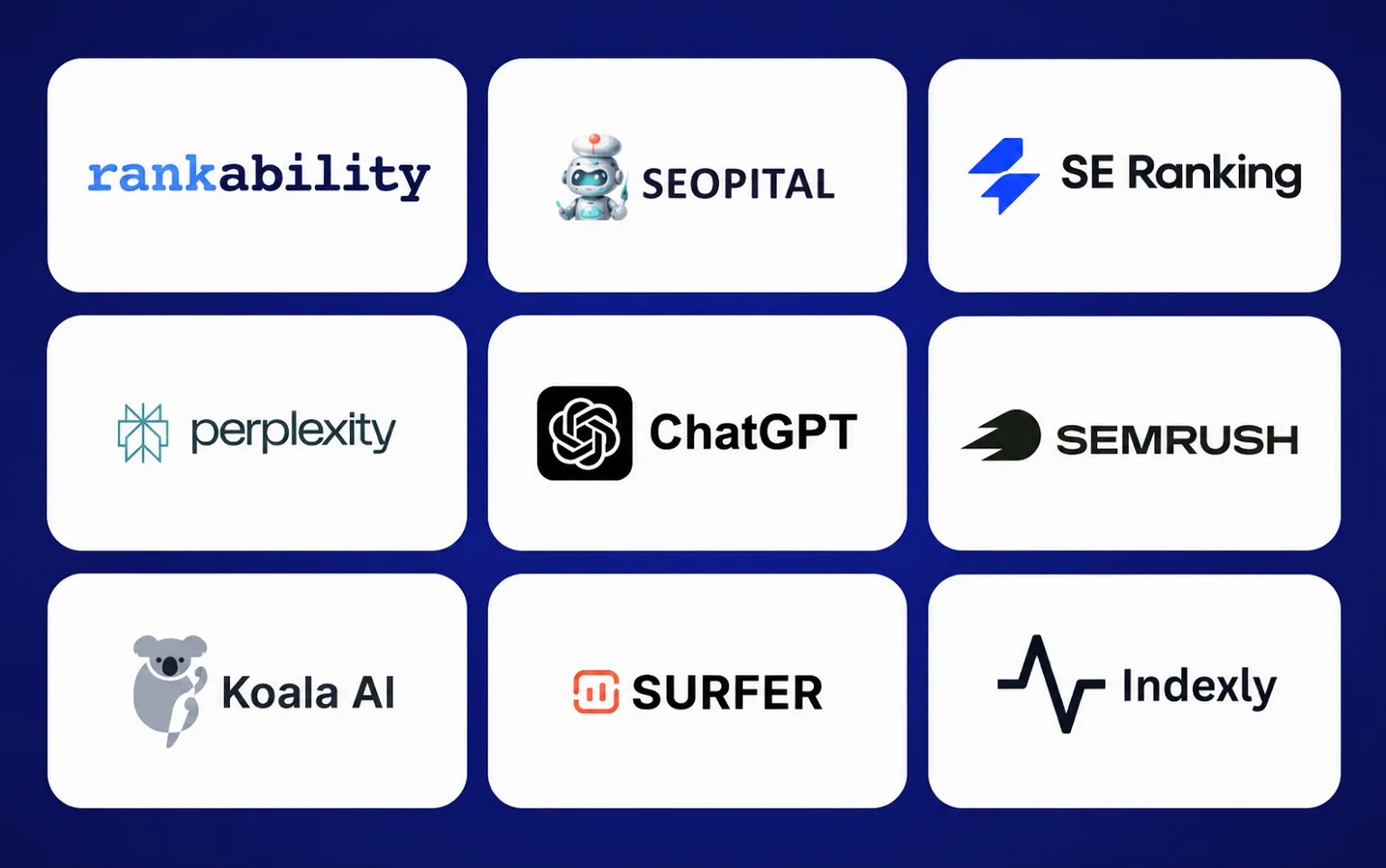
No single tool masters every category. Building a stack requires clear understanding of strengths and trade-offs. The table below compares popular solutions across core functionalities.
| Tool Name | Core Automation Strength | Content Generation | Technical SEO | Backlink Analysis | Ideal For |
|---|---|---|---|---|---|
| Semrush | All-in-one marketing with AI keyword clustering and content writing assistant | Rephrase, expand, rewrite | Site audit with automated fix suggestions | Backlink audit and prospect finder | Agencies needing a full suite |
| Ahrefs | Superior backlink index and AI-powered keyword suggestions | Limited built-in writer | Site audit for common issues | Best-in-class link analysis and prospecting | Link building specialists |
| Surfer SEO | NLP-driven content scoring and real-time editor | AI outline generator and internal link suggestion | No | No | Content teams focused on on-page |
| MarketMuse | Topic modeling and content inventory automation | AI first draft and question research | No | No | Enterprise content strategists |
| Alli AI | Auto-implement technical SEO fixes on any CMS | No | Bulk edits, schema, internal links | No | Large sites with manual SEO bottlenecks |
| WordLift | AI-driven structured data and knowledge graph automation | Content recommendation widgets | Automated schema markup | No | Publishers and e-commerce SEO |
Common Mistakes When Using AI SEO Automation Tools—and How to Avoid Them
Rushing into automation often leads to painful setbacks. Awareness of the most frequent pitfalls will keep your strategy on track.
Treating AI Output as a Final Product
The biggest error is hitting “publish” on AI-generated content without thorough editing and fact-checking. AI models hallucinate statistics, misattribute quotes, and produce shallow explanations. Always run AI drafts through a subject matter expert review. Google’s helpful content system explicitly rewards first-hand experience, so injecting original insights is mandatory.
Ignoring User Intent for Keyword Volume Numbers
AI tools can surface high-volume keywords that are completely misaligned with your audience. A B2B SaaS company optimizing for a generic “what is CRM” query will attract students, not buyers. Use AI for scale but apply human intent classification. Map every keyword to a clear stage in the buyer journey.
Over-Automating Internal Linking
Plugins that auto-link exact match keywords across your site can create a web of irrelevant connections. A page about “apple pie” might automatically link to “Apple Inc.” product pages. Limit automation to suggestion mode. Have a content manager approve link placements in batches.
Neglecting Page Experience Signals
AI SEO tools frequently obsess over text and metadata, ignoring Core Web Vitals, mobile responsiveness, and intrusive interstitials. Automation does not excuse a slow, clunky website. Pair content optimization with automated performance monitoring using tools like PageSpeed Insights and GTmetrix with scheduled alerts.
Building an Entire Strategy on AI Alone
When a brand’s entire content library is AI-written, the site loses the unique texture that builds loyal audiences. Google has penalized sites for “scaled content abuse.” Use AI to augment research and efficiency, but protect your editorial heartbeat with original thought leadership and proprietary research.
Important Considerations Before Investing in an AI SEO Toolkit
Adopting the right tool requires a structured evaluation. Not every shiny AI feature justifies the price tag.
Frequently Asked Questions About AI SEO Automation Tools
Can AI SEO tools fully replace an SEO expert?
No. AI SEO automation tools handle repetitive, data-intensive tasks but lack the strategic nuance, creative storytelling, and ethical judgment of a seasoned professional. They are best used as a productivity multiplier. The human expert is still needed to interpret data, craft unique brand narratives, and make high-level decisions about content direction and risk management.
Which AI SEO tool is best for a small business just starting out?
Small businesses should prioritize tools that offer maximum value for minimal complexity. Frase or Surfer SEO (for content) combined with Ahrefs Webmaster Tools (free) give a solid foundation. For all-in-one ease, Ubersuggest provides an AI-powered, beginner-friendly interface covering keyword research, competitive analysis, and site audits without overwhelming features.
Is AI-generated content against Google’s guidelines?
Not inherently. Google’s stance focuses on content quality, not the method of creation. Automatically generated content intended to manipulate rankings is prohibited. If AI is used to create helpful, original, and people-first content that demonstrates expertise and experience, it aligns with Google’s guidelines. The key is significant human review and added value.
How do I measure the ROI of an AI SEO automation tool?
Measure ROI by comparing organic traffic growth, ranking improvements for target keywords, and hours saved before and after adoption. Calculate the cost per acquired organic visit and the reduction in manual labor hours (converted to salary savings). For content tools, track the average time from brief to publish and content update frequency. A 40% reduction in production time alongside a 20% traffic lift typically justifies the investment.
Conclusion: Building a Sustainable AI-Augmented SEO Practice
AI SEO automation tools have permanently transformed search marketing. They empower teams to execute at a scale that was unimaginable five years ago. Yet the brands that win are not those that automate everything, but those that master the balance. They let AI crunch the numbers, surface insights, and eliminate drudgery, while channeling human creativity, deep industry knowledge, and authentic voice into every strategic move.
To build your competitive advantage, start small. Automate one bottleneck—keyword research, technical auditing, or content brief creation—and refine the human-AI collaboration before expanding. Choose tools that align with your team’s maturity and your brand’s integrity. Used wisely, AI is not a threat to SEO careers; it is the most significant lever for growth the industry has ever seen.
Xem thêm:
- Mastering AI Pillar Pages: The Future of Topic Cluster Architecture in SEO
- AI SEO AI Search Discovery: The Complete Guide to Winning Generative Search
- Google AI Search: The Complete Guide to the Future of Finding Information
- AI Link Building: The Definitive Guide to Smart Backlink Strategies in 2025
- Mastering AI EEAT Optimization: The Strategic Blueprint for Next-Level Search Authority
Bài viết cùng chủ đề:

AI SEO SEO Automation with Make: The Complete Workflow Guide

AI SEO SEO Automation with Zapier: The Complete Workflow Guide

AI SEO SEO Automation with n8n: The Complete Workflow Guide
AI SEO SEO Automation with Gemini: The Complete Guide to Scaling Organic Growth

AI SEO SEO Automation with Claude: The Complete Guide to Scaling Content in 2025

AI SEO SEO Automation with ChatGPT: The Complete Playbook for 2025

AI SEO & SEO Automation for Affiliate Sites: The 2025 Playbook for Passive Income Growth
AI SEO & SEO Automation for Bloggers: The Complete Guide to Scaling Your Content

AI SEO & SEO Automation for Agencies: The Complete 2025 Playbook

AI SEO and SEO Automation for Ecommerce: The Complete Playbook for 2025

AI SEO & SEO Automation for WordPress: The Complete Playbook for 2025
AI SEO SEO Automation Strategy: The Complete Playbook for 2025

Mastering the AI SEO SEO Automation Process: A Complete Guide to Scaling Organic Growth
AI SEO SEO Automation System: The Complete Guide to Scaling Organic Growth in 2025
AI SEO SEO Automation Platform: The Complete Guide to Scaling Organic Growth in 2025
AI SEO SEO Automation Software: The Complete Guide to Scaling Organic Growth in 2025















