
No products in the cart.
AI SEO Breadcrumbs: The Complete Guide to Smarter Navigation in 2025
31
Jul
Jul
Search engines have evolved far beyond simple keyword matching. They now interpret user intent, content relationships, and site architecture with remarkable sophistication. One of the most underrated yet powerful elements in this ecosystem is the breadcrumb trail. When artificial intelligence enters the picture, breadcrumbs transform from a simple navigational aid into a strategic SEO asset that can reshape how search engines understand and rank your content. This guide explores the intersection of AI and breadcrumb navigation, showing you exactly how to leverage this combination for measurable search performance gains.
 guide.”
What Are AI SEO Breadcrumbs?
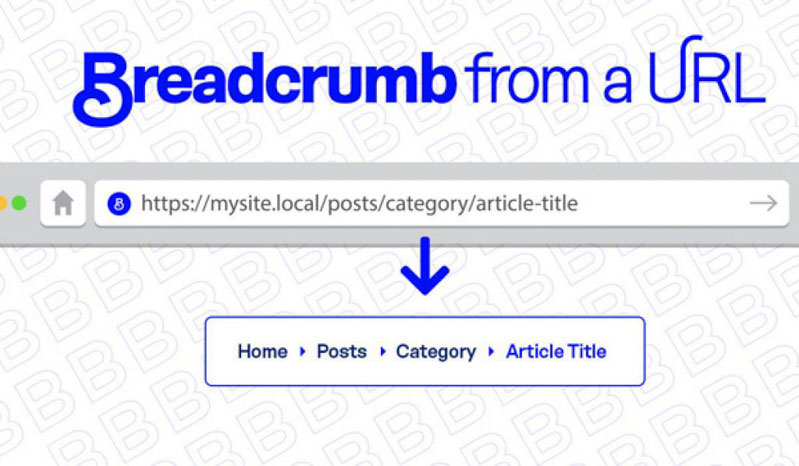
AI SEO breadcrumbs refer to the intelligent application of machine learning and natural language processing to generate, optimize, and structure breadcrumb navigation trails on websites. Unlike traditional breadcrumbs that follow a rigid, manually-defined hierarchy, AI-powered breadcrumbs analyze content semantics, user behavior patterns, and search intent to create dynamic navigation paths that align closely with how both users and search engines interpret your site. The core difference lies in the data processing. Standard breadcrumbs rely on predetermined categories and subcategories. AI SEO breadcrumbs, however, examine the actual content of each page, identify contextual relationships between pages, and generate breadcrumb trails that reflect the true semantic structure of your information architecture. This means the breadcrumbs you see on a product page might differ based on the user’s journey, the search query that brought them there, or the evolving content relationships on your site.
The Evolution from Static to Intelligent Navigation
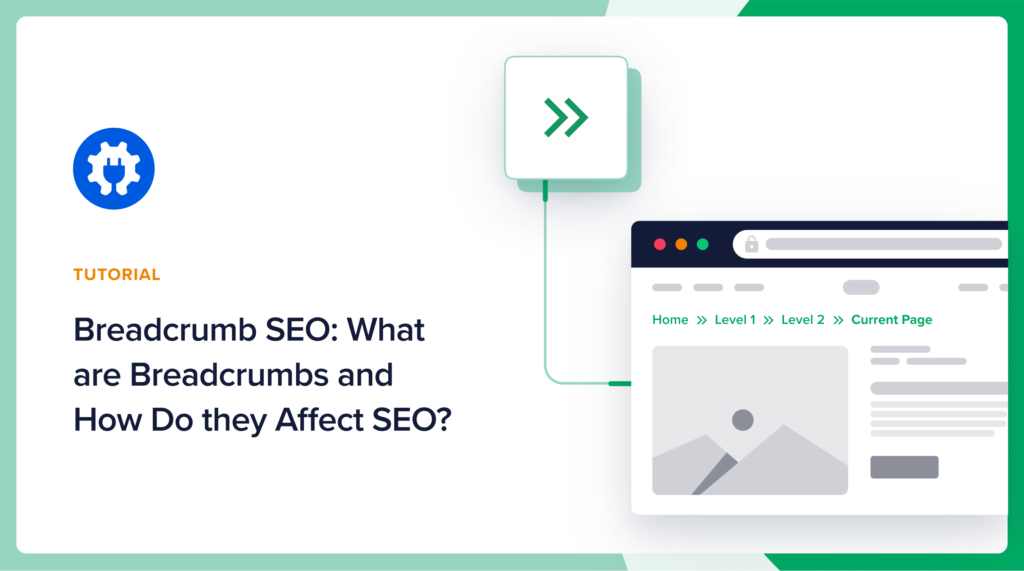
Traditional breadcrumbs have existed since the early days of web design, serving as a simple way to show users their location within a site hierarchy. They typically followed a pattern like Home > Category > Subcategory > Page. This approach worked well for sites with clear, predictable structures. But modern websites are complex, often containing overlapping topics, cross-linked content, and dynamic pages that don’t fit neatly into a single category. AI changes this paradigm. Machine learning algorithms can now analyze millions of user sessions to determine the most logical navigation path for any given page. They can identify that users who visit a specific blog post about “vegan protein sources” often come from a “plant-based diet” category, even if the post was originally filed under “nutrition tips.” The AI then adjusts the breadcrumb trail to reflect this observed behavior, creating a more intuitive and contextually accurate navigation experience.
Why AI SEO Breadcrumbs Matter for Search Rankings
Google’s algorithms have become exceptionally good at understanding content relationships. The search giant uses breadcrumbs as a signal to understand your site’s hierarchy and the relative importance of pages within that structure. When breadcrumbs are accurate and semantically aligned, they help Google’s crawlers establish clear parent-child relationships between pages, which directly influences how link equity flows through your site. The impact on search results is visible. Google often displays breadcrumbs in search engine results pages (SERPs) instead of the standard URL. These breadcrumb-rich snippets provide users with additional context about your page’s position within your site, which can significantly improve click-through rates. Research from various SEO studies indicates that pages with breadcrumb-rich snippets can experience CTR improvements of 5% to 10% compared to pages without them.
Enhanced Crawl Efficiency
AI-optimized breadcrumbs also improve how search engine bots crawl your website. When breadcrumbs accurately reflect your site’s structure, crawlers can more efficiently discover and index pages. This is particularly valuable for large e-commerce sites or content-heavy platforms where crawl budget is a finite resource. By providing clear, logical navigation paths, you reduce the likelihood of crawlers getting lost in orphaned pages or wasting resources on low-value URLs.
Core Components of AI-Driven Breadcrumb Systems
Understanding the technical components helps you appreciate how AI transforms this simple navigation element. Several key technologies work together to create intelligent breadcrumb trails.
Natural Language Processing for Content Analysis
NLP algorithms analyze the textual content of each page to understand its core topic and how it relates to other pages on your site. These algorithms can identify synonyms, related concepts, and hierarchical relationships that might not be obvious from URL structure alone. For example, an NLP system might recognize that a page about “iPhone repair” belongs under a broader “Mobile Device Services” category, even if the URL structure suggests otherwise.
Machine Learning for User Behavior Modeling
Machine learning models track how users navigate your site, noting which paths they take, where they drop off, and which breadcrumb trails they interact with most frequently. Over time, these models learn the most intuitive navigation patterns for different types of users and content. The system can then generate breadcrumbs that match these observed behaviors, creating a more personalized and effective navigation experience.
Schema Markup Integration
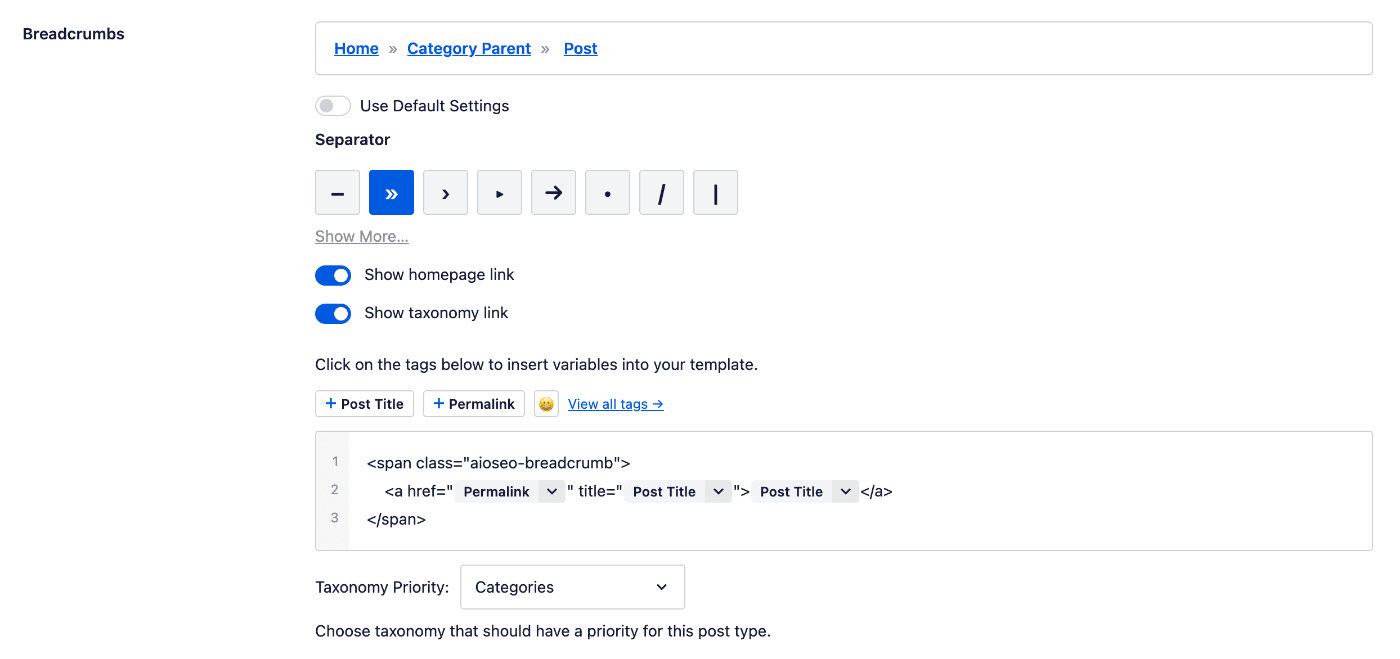
AI breadcrumb systems automatically generate and implement structured data markup, specifically the BreadcrumbList schema. This markup tells search engines exactly how to interpret your breadcrumb trail, enabling them to display rich snippets in search results. AI systems can dynamically update this markup as your site structure evolves, ensuring that search engines always have the most current and accurate information.
Types of AI-Enhanced Breadcrumbs
Not all breadcrumbs serve the same purpose. AI technology enables several distinct types, each optimized for different scenarios.
Hierarchy-Based Breadcrumbs
These are the classic breadcrumbs that show a page’s position within a fixed site structure. AI enhances them by automatically detecting the most logical hierarchy based on content analysis rather than relying on manual categorization. This is particularly useful for large sites where maintaining a consistent, logical hierarchy manually is impractical.
Attribute-Based Breadcrumbs
Common in e-commerce, these breadcrumbs show the filters and attributes a user has selected. AI takes this further by predicting which attributes are most relevant to a user based on their search history and browsing behavior. For instance, an AI system might show “Home > Electronics > Headphones > Wireless > Noise-Cancelling” to a user who previously searched for noise-cancelling features, while showing a simpler path to a first-time visitor.
History-Based Breadcrumbs
These show the user’s actual path through the site rather than the site’s structural hierarchy. AI can optimize these by identifying the most efficient paths and suggesting shortcuts. While less common for SEO purposes, they can improve user experience significantly on complex sites.
Benefits of Implementing AI SEO Breadcrumbs
The advantages extend beyond simple navigation improvements. Here are the key benefits you can expect from a well-implemented AI breadcrumb strategy.
Improved User Engagement Metrics
When users can easily understand where they are and where they can go next, they tend to explore more pages. This increases pageviews per session and reduces bounce rates. Both metrics are important signals that search engines use to assess content quality and relevance. AI-optimized breadcrumbs that accurately reflect user expectations make navigation feel effortless, encouraging deeper exploration.
Better Internal Linking Structure
Breadcrumbs contribute to your site’s internal linking architecture. AI-generated breadcrumbs create logical, contextual links between pages that might not otherwise be connected. This distributes link equity more effectively and helps search engines discover related content. The result is a stronger, more cohesive site structure that ranks better for a wider range of keywords.
Enhanced Mobile User Experience
Mobile users often struggle with complex navigation menus. AI breadcrumbs provide a compact, intuitive way to navigate without taking up valuable screen space. They are particularly effective for mobile e-commerce, where users frequently need to move between category and product pages.
Reduced Cognitive Load
Clear breadcrumb trails reduce the mental effort required to understand a website’s structure. Users don’t have to remember where they are or how to get back to a previous section. This is especially important for content-heavy sites where users might land on a deep page from a search engine and need immediate context.
Limitations and Challenges
While AI SEO breadcrumbs offer substantial benefits, they also come with certain challenges that require careful consideration.
Implementation Complexity
Setting up an AI-driven breadcrumb system requires technical expertise. You need to integrate machine learning models, manage data pipelines, and ensure that the system can handle real-time updates. For small websites, this complexity might outweigh the benefits.
Potential for Inconsistency
AI systems can sometimes generate breadcrumbs that change frequently based on user behavior patterns. This can create inconsistency, where the same page shows different breadcrumbs to different users. While this is intentional for personalization, it can confuse search engines if the structured data is not properly managed.
Data Privacy Concerns
AI breadcrumb systems that rely on user behavior data must comply with privacy regulations like GDPR and CCPA. You need to ensure that your data collection and processing methods are transparent and compliant, which adds another layer of complexity to implementation.
AI SEO Breadcrumbs vs. Traditional Breadcrumbs: A Comparison
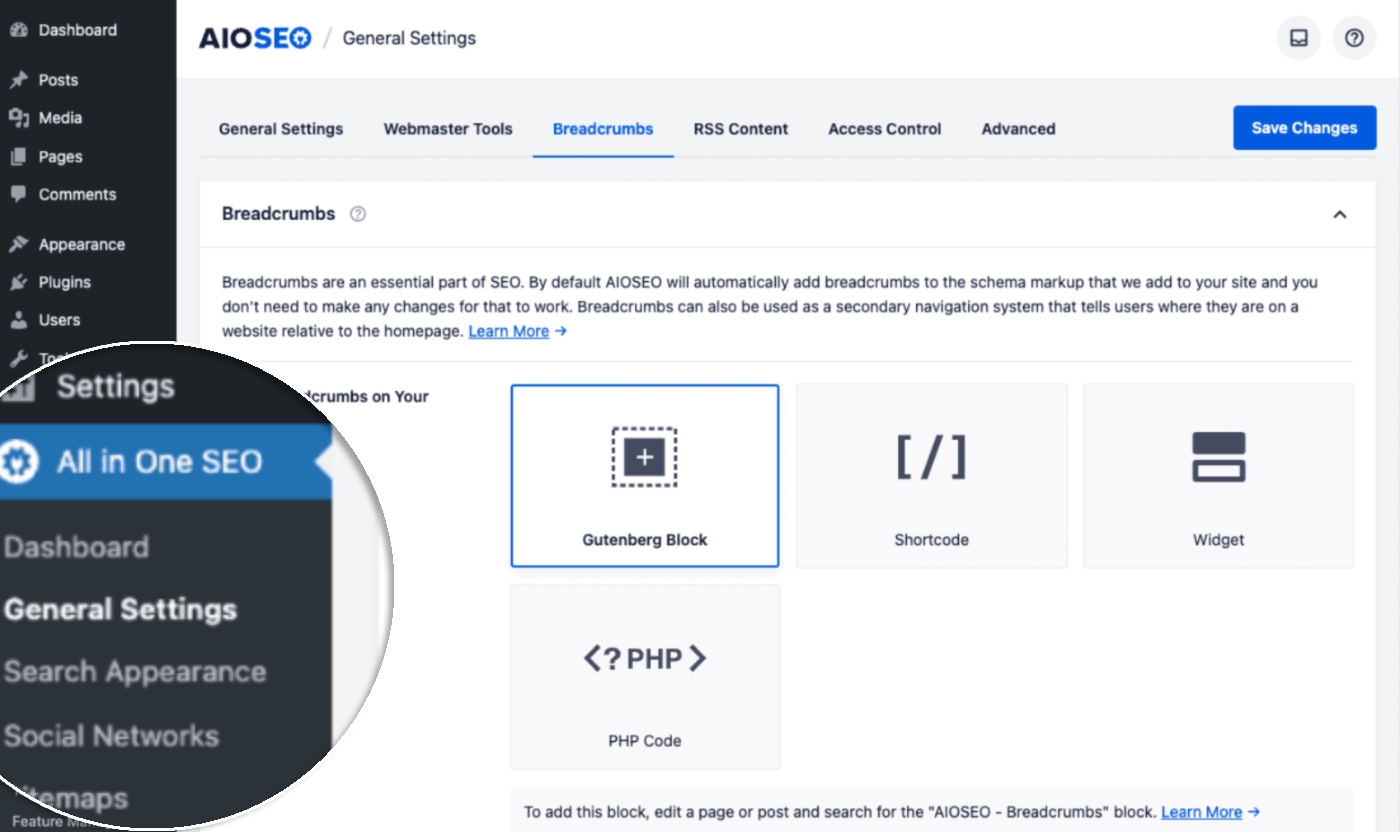
Understanding the differences helps you decide when to invest in AI-powered solutions versus sticking with traditional methods.
| Feature | Traditional Breadcrumbs | AI SEO Breadcrumbs |
|---|---|---|
| Hierarchy Determination | Manually defined, static | Automatically generated based on content analysis |
| Personalization | Same for all users | Adapts to user behavior and intent |
| Schema Markup | Often missing or outdated | Automatically generated and updated |
| Scalability | Difficult to maintain on large sites | Scales easily with site growth |
| Data Requirements | None | Requires user behavior and content data |
| Implementation Cost | Low | Moderate to high |
| SEO Impact | Basic hierarchy signals | Enhanced semantic understanding and rich snippets |
How to Implement AI SEO Breadcrumbs on Your Website
Implementing an AI-driven breadcrumb system requires a structured approach.
Step 1: Audit Your Current Site Structure
Before implementing AI, you need to understand your existing content architecture. Use tools like Google Search Console and Screaming Frog to map out your current hierarchy. Identify pages that are orphaned, categories that are unclear, and content that overlaps across multiple sections. This audit provides the baseline data your AI system will use to learn.
Step 2: Choose the Right Technology Stack
Several options exist for implementing AI breadcrumbs. You can use a custom solution built with Python and machine learning libraries like TensorFlow or PyTorch. Alternatively, you can leverage existing SEO platforms that offer AI-powered site structure analysis. Some content management systems now have built-in AI features that can generate dynamic breadcrumbs. Evaluate your technical resources and choose accordingly.
Step 3: Implement BreadcrumbList Schema Markup
Regardless of the AI technology you use, you must implement proper structured data. The BreadcrumbList schema is a JSON-LD format that tells search engines the exact hierarchy of your breadcrumb trail. Your AI system should generate this markup dynamically, ensuring it always reflects the current breadcrumb structure.
Step 4: Train Your AI Models
If you are building a custom solution, you need to train your machine learning models on your site’s data. This involves feeding the system your content, user navigation logs, and search query data. The models will learn to predict the most logical breadcrumb paths for different pages and user segments. This training phase requires careful validation to ensure accuracy.
Step 5: Monitor and Iterate
AI systems are not set-and-forget. You need to continuously monitor how your breadcrumbs perform in terms of user engagement and search visibility. Use A/B testing to compare different breadcrumb configurations. Track metrics like click-through rate from search results, time on site, and pages per session. Use this data to refine your AI models and improve performance over time.
Common Mistakes to Avoid with AI SEO Breadcrumbs
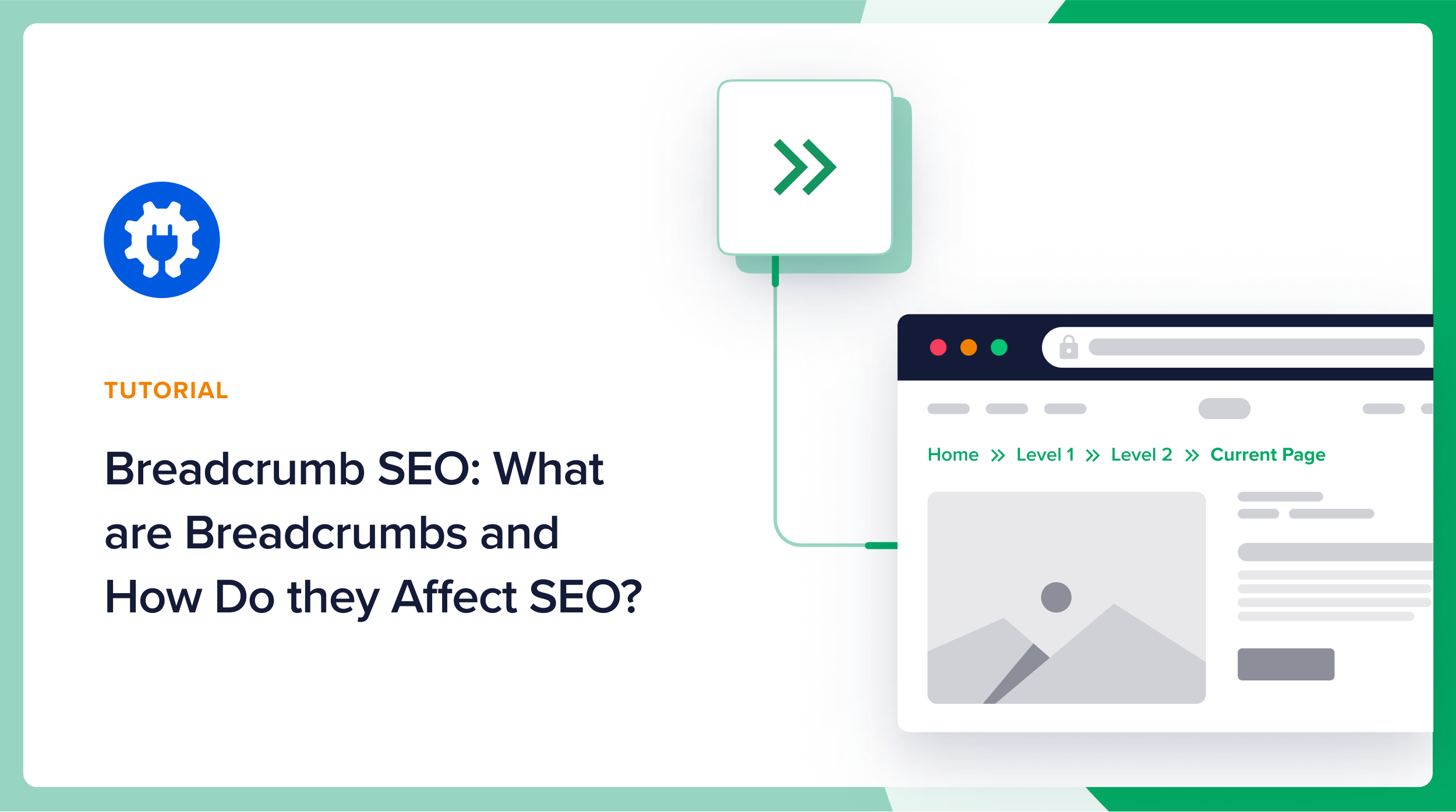
Even with advanced technology, mistakes can undermine your efforts. Here are the most common pitfalls and how to avoid them.
Ignoring Mobile Usability
AI breadcrumbs that work well on desktop might be cluttered or difficult to use on mobile. Ensure your breadcrumb design is responsive and that the AI-generated paths are concise enough for small screens. Test extensively on various mobile devices.
Over-Personalization
While personalization is a benefit, too much of it can confuse users and search engines. If breadcrumbs change dramatically for every user, it becomes difficult to establish a consistent site hierarchy. Strike a balance between personalization and stability.
Neglecting Structured Data Validation
AI-generated schema markup can sometimes contain errors, especially when the system is learning. Use Google’s Rich Results Test to regularly validate your breadcrumb markup. Invalid markup can prevent rich snippets from appearing in search results.
Using Breadcrumbs as a Primary Navigation
Breadcrumbs are a supplementary navigation aid, not a replacement for your main menu. Relying solely on breadcrumbs can make your site difficult to navigate, especially for new users. Ensure your primary navigation remains robust and intuitive.
Important Notes for Maximizing SEO Value
Several best practices can help you get the most from your AI breadcrumb implementation.
Keep Breadcrumb Labels Concise and Descriptive
The text in your breadcrumbs should be short but meaningful. Use keywords that accurately describe the content of each level. Avoid generic labels like “Page 1” or “Miscellaneous.” Each breadcrumb segment should provide clear context.
Ensure Consistency Across Your Site
While AI allows for personalization, the underlying site hierarchy should remain consistent. Users should not see contradictory breadcrumbs for the same page across different sessions. Your AI system should have guardrails to prevent this.
Integrate with Your Overall SEO Strategy
Breadcrumbs are just one element of your SEO strategy. Ensure they align with your keyword targeting, content clustering, and internal linking efforts. The breadcrumb hierarchy should reflect your strategic content priorities, not just arbitrary categories.
Leverage Breadcrumbs for Featured Snippets
Well-structured breadcrumbs can help you win featured snippets for navigational queries. When Google understands your site hierarchy clearly, it is more likely to feature your content for queries like “best [category] products” or “[brand]
-93%

Security Plugins
Original price was: 69,00$.4,49$Current price is: 4,49$.
Frequently Asked Questions
Do AI SEO breadcrumbs directly improve rankings?
AI SEO breadcrumbs do not directly influence rankings as a ranking factor. However, they improve user engagement metrics, internal linking, and crawl efficiency, all of which contribute to better search performance. The enhanced rich snippets they enable can also improve click-through rates, which indirectly signals content quality to search engines.
Can I implement AI breadcrumbs without coding knowledge?
Yes, several SEO platforms and content management systems offer AI-powered breadcrumb features that require minimal technical expertise. Tools like Yoast SEO Premium and Rank Math have introduced AI-driven site structure analysis. For more advanced customization, you would need development support.
How long does it take to see results from AI breadcrumbs?
The timeline varies depending on your site’s size and the quality of your implementation. You might see improvements in user engagement metrics within a few weeks. Search ranking improvements typically take one to three months, as search engines need time to crawl and re-index your updated structure.
Are AI breadcrumbs suitable for small websites?
For small websites with simple structures, traditional breadcrumbs are often sufficient. The complexity and cost of AI implementation may not be justified. However, if your site is growing rapidly or you have complex content relationships, AI breadcrumbs can provide significant value even at a smaller scale.
What is the difference between breadcrumbs and sitemaps?
Breadcrumbs are visible navigation elements on your web pages that show users their current location. Sitemaps are files (XML sitemaps) or pages (HTML sitemaps) that list all your URLs for search engines or users. Breadcrumbs help with user navigation and contextual understanding, while sitemaps primarily aid in discovery and indexing.
How do AI breadcrumbs handle multilingual websites?
AI systems can analyze content in multiple languages and generate breadcrumbs that are linguistically appropriate for each locale. The machine learning models can identify language-specific hierarchy patterns and generate breadcrumb labels in the correct language. This requires training data from each language version of your site.
Conclusion
AI SEO breadcrumbs represent a significant advancement in how websites structure and present navigation information. By leveraging machine learning and natural language processing, you can create breadcrumb trails that are more intuitive, contextually accurate, and aligned with user intent. The benefits extend beyond user experience to include improved crawl efficiency, better internal linking, and enhanced search result presentation. The implementation requires careful planning, the right technology, and ongoing optimization. But the potential rewards in terms of user engagement and search visibility make it a worthwhile investment for sites with complex content architectures. As search engines continue to prioritize semantic understanding and user experience, AI-driven navigation elements like breadcrumbs will become increasingly important components of a comprehensive SEO strategy. Start by auditing your current structure, evaluating your technical capabilities, and taking incremental steps toward a more intelligent navigation system.
Xem thêm:
- AI SEO GEO Strategy: The Complete Guide to Generative Engine Optimization in 2025
- AI SEO Informational Intent: The Complete Guide to Winning Search Visibility
- AI SEO SE Ranking: The Complete Guide to Dominating Search in 2025
- AI SEO Automated Content Optimization: The Complete 2025 Playbook for Higher Rankings
- AI SEO Tag Optimization: The Complete Guide to Smarter Metadata in 2025
Bài viết cùng chủ đề:

AI SEO SEO Automation with Make: The Complete Workflow Guide

AI SEO SEO Automation with Zapier: The Complete Workflow Guide

AI SEO SEO Automation with n8n: The Complete Workflow Guide
AI SEO SEO Automation with Gemini: The Complete Guide to Scaling Organic Growth

AI SEO SEO Automation with Claude: The Complete Guide to Scaling Content in 2025

AI SEO SEO Automation with ChatGPT: The Complete Playbook for 2025

AI SEO & SEO Automation for Affiliate Sites: The 2025 Playbook for Passive Income Growth
AI SEO & SEO Automation for Bloggers: The Complete Guide to Scaling Your Content

AI SEO & SEO Automation for Agencies: The Complete 2025 Playbook

AI SEO and SEO Automation for Ecommerce: The Complete Playbook for 2025

AI SEO & SEO Automation for WordPress: The Complete Playbook for 2025
AI SEO SEO Automation Strategy: The Complete Playbook for 2025

Mastering the AI SEO SEO Automation Process: A Complete Guide to Scaling Organic Growth
AI SEO SEO Automation System: The Complete Guide to Scaling Organic Growth in 2025
AI SEO SEO Automation Platform: The Complete Guide to Scaling Organic Growth in 2025
AI SEO SEO Automation Software: The Complete Guide to Scaling Organic Growth in 2025















