
No products in the cart.
AI SEO Tag Optimization: The Complete Guide to Smarter Metadata in 2025
31
Jul
Jul
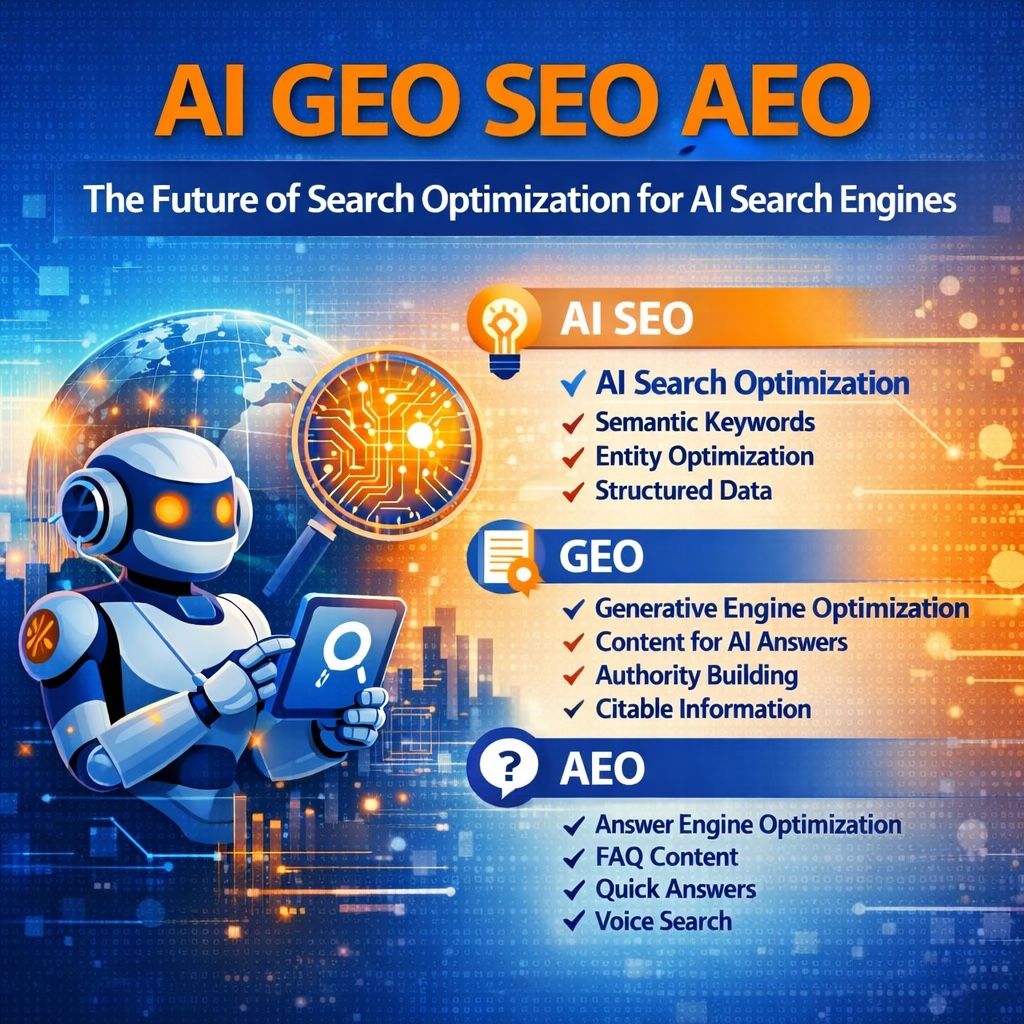
Search engine optimization has entered a new era where artificial intelligence handles the heavy lifting of technical audits and content refinement. AI SEO tag optimization stands at the forefront of this shift, transforming how websites manage title tags, meta descriptions, header tags, and image alt text. This guide breaks down everything you need to know about leveraging machine learning to improve click-through rates, search visibility, and overall site performance. From understanding the core mechanics to implementing advanced workflows, the following sections provide a practical roadmap for marketers, content managers, and technical SEO specialists.
What Is AI SEO Tag Optimization?
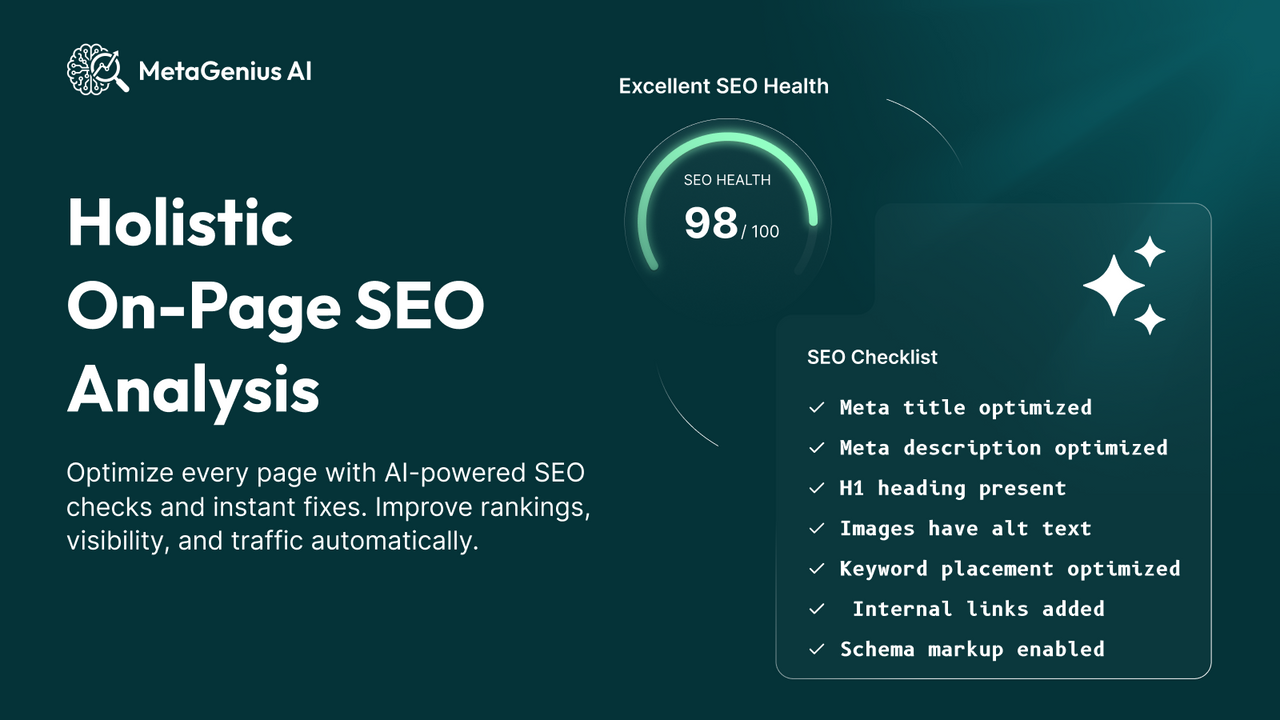
AI SEO tag optimization refers to the use of machine learning algorithms and natural language processing to automatically generate, test, and refine HTML metadata elements for improved search engine rankings and user engagement. These tags include title tags, meta descriptions, heading structures (H1-H6), canonical URLs, and image alt attributes. Unlike traditional manual optimization, AI systems analyze vast datasets of search queries, competitor pages, and user behavior patterns to recommend or implement tag changes at scale.
The core value proposition lies in speed and precision. A human SEO specialist might optimize 20-30 pages per day. An AI-powered system can process thousands of URLs in the same timeframe, continuously learning from performance data to refine its recommendations. This capability becomes essential for large e-commerce sites, news portals, and enterprise-level domains with hundreds of thousands of indexable pages.
How AI Understands Search Intent for Tags
Modern AI models are trained on billions of search queries and web pages. They recognize patterns in language that indicate user intent—whether someone is looking for a quick answer, a detailed guide, a product to purchase, or a specific website. When applied to tag optimization, the AI evaluates the existing title and description against the likely intent behind target keywords. It then suggests variations that better align with what users expect to find, increasing the probability of a click.
For example, a page selling running shoes might have a generic title like “Running Shoes | Shop Online.” An AI system analyzing search data might recommend “Men’s & Women’s Running Shoes – Free Shipping Over $50” because it identifies transactional intent and highlights key differentiators that drive clicks. This level of nuance is difficult to replicate manually across hundreds of product pages.
Key Components of AI-Driven Tag Optimization
Understanding the building blocks of AI SEO tag optimization helps clarify how the technology works in practice. Several distinct elements come into play, each contributing to the overall effectiveness of the strategy.
Title Tag Generation and Rewriting
Title tags remain the most critical on-page SEO element. AI tools analyze current titles, compare them against top-ranking competitors, and generate optimized alternatives. The algorithms consider character length (typically 50-60 characters for desktop display), keyword placement, brand inclusion, emotional triggers, and power words. Advanced systems use reinforcement learning to test multiple title variations and measure which ones generate higher click-through rates in real search results.
Meta Description Optimization
While meta descriptions do not directly influence rankings, they significantly impact click-through rates. AI SEO tag optimization tools craft descriptions that include target keywords naturally, address user pain points, and include a clear call-to-action. The AI learns from historical CTR data across different industries to understand what phrasing resonates with specific audiences. Descriptions are typically optimized to 150-160 characters, ensuring they display fully in search results without truncation.
Header Tag Hierarchy Analysis
Proper header structure (H1, H2, H3) helps search engines understand content hierarchy and improves readability. AI tools audit existing header tags, identify missing or duplicate H1s, and suggest logical restructuring. The algorithms also recommend keyword-rich subheadings that align with featured snippet opportunities. This process ensures that both search crawlers and human readers can easily navigate the content’s main themes and supporting points.
Image Alt Text and Schema Markup
Image optimization often gets overlooked, but AI systems handle it efficiently. The technology generates descriptive alt text that includes relevant keywords while maintaining natural language. Additionally, AI can suggest schema markup (structured data) for articles, products, reviews, and FAQs. This markup helps search engines display rich snippets, which can dramatically increase visibility and click-through rates.
Benefits of Implementing AI SEO Tag Optimization
The advantages of adopting AI for tag optimization extend beyond simple time savings. Organizations that embrace this technology report measurable improvements across multiple SEO metrics.
- Scalability: Optimize thousands of pages simultaneously without increasing headcount or sacrificing quality.
- Data-Driven Decisions: Replace guesswork with algorithmic recommendations based on real search data and user behavior.
- Continuous Learning: AI systems improve over time as they process more performance data, leading to compounding gains.
- Competitive Analysis: Automatically monitor competitor tag strategies and adjust your own approach accordingly.
- Reduced Human Error: Eliminate typos, duplicate tags, and character length issues that plague manual optimization.
- Improved CTR: Higher click-through rates from better-crafted titles and descriptions lead to more organic traffic without additional ad spend.
- Prioritize High-Value Pages: Focus AI optimization efforts on pages that receive significant traffic or target high-commercial-intent keywords first.
- Maintain a Human Review Process: Never deploy AI-generated tags without human approval, especially for brand-critical pages.
- Track CTR by Position: Analyze click-through rates relative to search position. A page ranking #5 with a 10% CTR may outperform a page ranking #1 with a 2% CTR.
- Combine with A/B Testing: Use tools like Google Optimize to test different tag variations and let data determine the winner.
- Stay Updated on AI Capabilities: The field evolves rapidly. Subscribe to SEO industry publications and vendor updates to leverage new features as they launch.
Measurable Impact on Organic Performance
Case studies from enterprise SEO platforms show that AI-optimized tags typically generate a 10-30% increase in organic click-through rates within the first 60 days. For a site receiving 100,000 monthly organic visits, a 20% CTR improvement translates to an additional 20,000 visits per month. Over a year, that represents significant revenue potential, especially for e-commerce or lead-generation sites.
The technology also reduces the time spent on routine SEO tasks. A marketing team that previously dedicated 20 hours per week to manual tag optimization can reallocate that time to content strategy, link building, or other high-impact activities. The return on investment for AI SEO tools often justifies the subscription cost within the first few months of implementation.
Limitations and Challenges of AI Tag Optimization
Despite its power, AI SEO tag optimization is not a silver bullet. Understanding its limitations helps set realistic expectations and avoid common pitfalls.
Lack of Brand Voice and Creativity
AI-generated tags can sometimes sound formulaic or generic. While the algorithms are improving, they may not capture the unique brand personality that a skilled human copywriter brings. For high-profile pages like the homepage or flagship product pages, manual review and customization are still recommended. The best approach combines AI efficiency with human oversight for final polish.
Data Dependency
AI systems require substantial data to make accurate predictions. New websites with minimal traffic history may not provide enough performance data for the algorithms to learn effectively. In such cases, AI recommendations rely on general patterns rather than site-specific insights, which can reduce accuracy. As the site accumulates data, the AI’s suggestions become more refined.
Algorithm Updates and Volatility
Search engine algorithms change frequently. An AI model trained on current ranking factors may become less effective after a major Google update. Reputable AI SEO tools continuously retrain their models, but t Staying informed about industry news helps mitigate this risk.
AI SEO Tag Optimization vs. Traditional Methods
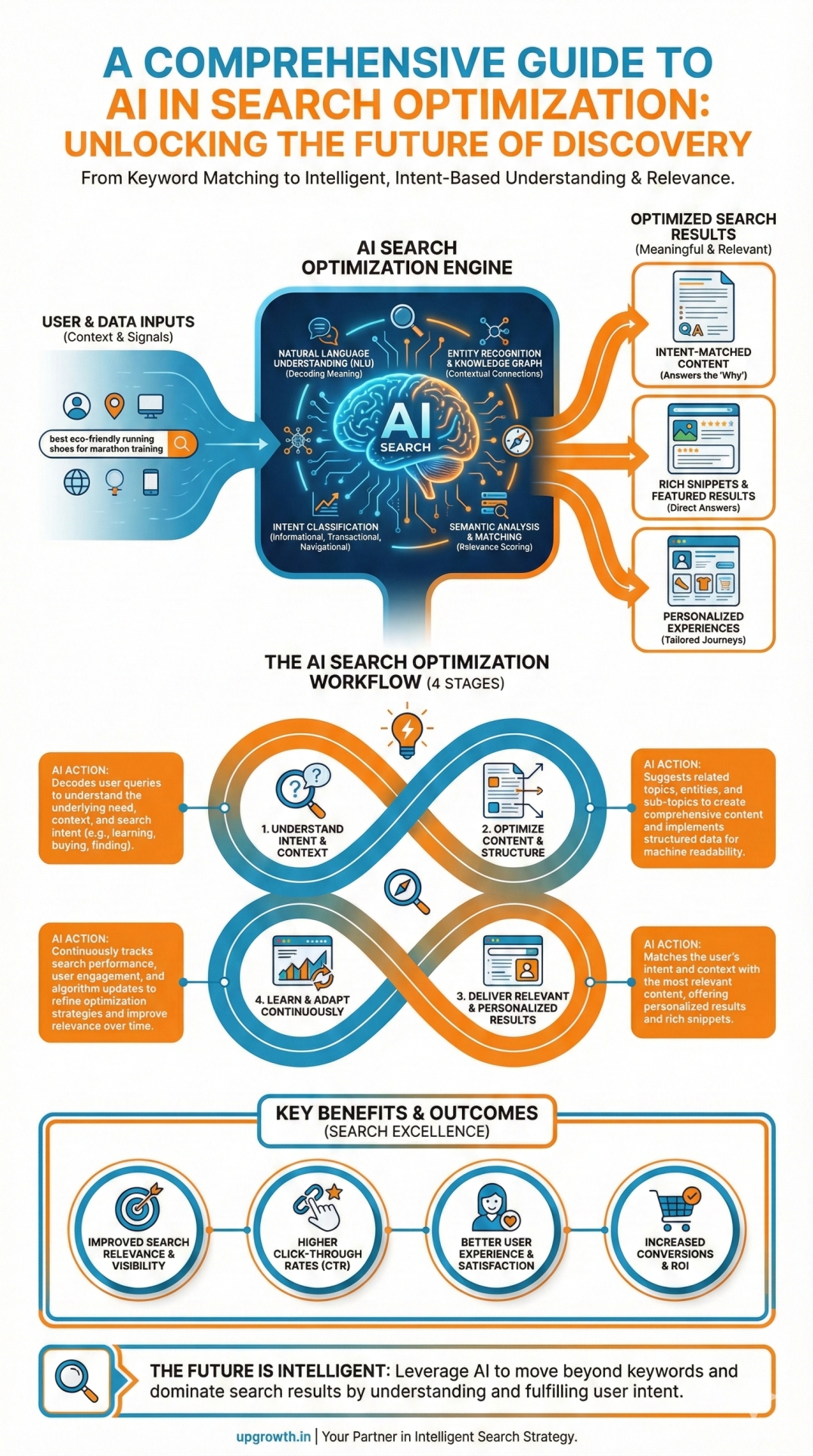
Comparing AI-driven approaches with conventional manual optimization clarifies the distinct advantages and trade-offs of each method.
| Aspect | Traditional Manual Optimization | AI SEO Tag Optimization |
|---|---|---|
| Speed | Slow; limited by human capacity | Fast; processes thousands of pages per hour |
| Scalability | Difficult for large sites | Easily scales to millions of URLs |
| Data Utilization | Relies on manual research and intuition | Uses machine learning on large datasets |
| Creativity | High; captures brand voice | Moderate; may sound formulaic |
| Cost | High labor costs | Subscription fees; lower per-page cost |
| Accuracy | Prone to human error | Consistent and precise |
| Adaptability | Requires manual updates | Continuously learns and adjusts |
The table illustrates that neither approach is universally superior. Large enterprises with extensive product catalogs benefit most from AI automation, while small businesses with limited pages may find manual optimization sufficient. A hybrid strategy—using AI for bulk pages and manual review for key landing pages—often delivers the best results.
Practical Guide: Implementing AI SEO Tag Optimization
Putting AI tag optimization into practice requires a structured approach. The following steps outline a proven workflow for integrating this technology into your SEO strategy.
Step 1: Audit Your Current Tag Landscape
Begin by exporting all existing title tags, meta descriptions, and header structures from your site. Use a crawler tool like Screaming Frog or Sitebulb to generate a comprehensive inventory. Identify common issues such as duplicate titles, missing descriptions, overly long tags, and keyword cannibalization. This baseline audit provides the data needed to measure the impact of AI optimization later.
Step 2: Select the Right AI SEO Tool
Several platforms offer AI tag optimization capabilities. Popular options include Surfer SEO, Frase, Clearscope, and specialized tools like PageOptimizer Pro. Evaluate each based on your specific needs: budget, site size, integration with existing tools, and the quality of AI recommendations. Most platforms offer free trials, allowing you to test their output on a sample of pages before committing.
Step 3: Configure AI Parameters and Brand Guidelines
Set up the AI tool with your brand’s tone, target keywords, and any mandatory elements like location or product names. Provide examples of well-optimized tags from your industry to help the AI understand your preferences. Define character limits and any legal or compliance requirements that must be included in every tag.
Step 4: Generate and Review AI Suggestions
Run the AI tool on your prioritized pages. Review the generated tags critically, checking for accuracy, relevance, and brand alignment. While AI handles the heavy lifting, human oversight ensures quality. Approve changes that make sense and reject those that miss the mark. Over time, the AI learns from your feedback and improves its recommendations.
Step 5: Implement and Monitor Performance
Apply the approved tag changes to your site. Use Google Search Console and analytics platforms to track click-through rates, impressions, and rankings for the affected pages. Compare performance against the pre-optimization baseline. Monitor for at least 4-6 weeks to account for search engine recrawling and indexing delays.
Step 6: Iterate and Refine
AI optimization is not a one-time project. Continuously feed performance data back into the system, allowing it to refine its recommendations. Set up regular audits—monthly or quarterly—to identify new optimization opportunities as search trends evolve and competitors change their strategies.
Common Mistakes in AI SEO Tag Optimization
Even with advanced technology, mistakes happen. Recognizing these pitfalls helps you avoid them and maximize the value of your AI investment.
Over-Optimization and Keyword Stuffing
Some AI tools, if not properly configured, may generate tags stuffed with keywords in an unnatural way. This practice harms user experience and can trigger search engine penalties. Always review AI output for readability and natural language flow. The best tags read like human-written copy, not algorithm-generated text.
Ignoring Search Intent Variations
AI models sometimes default to the most common interpretation of a keyword, missing nuanced intent variations. For example, the keyword “apple” could refer to the fruit or the technology company. Ensure your AI tool has context about your business and target audience to avoid mismatched tag generation.
Neglecting Mobile Display Considerations
Title tags and meta descriptions display differently on mobile devices due to narrower viewports. An AI tool that only optimizes for desktop may generate tags that truncate awkwardly on mobile. Verify that your chosen tool accounts for mobile character limits, typically 30-40 characters for titles and 120-130 for descriptions.
Failing to Integrate with Content Strategy
Tags are only one part of the SEO ecosystem. Optimizing tags without improving the underlying content quality leads to high bounce rates and poor engagement signals. AI tag optimization should complement a broader content strategy that focuses on delivering value to users, not just satisfying search algorithms.
Important Notes for Successful Implementation
Several best practices enhance the effectiveness of AI SEO tag optimization. Keep these considerations in mind as you develop your approach.
Frequently Asked Questions About AI SEO Tag Optimization
What is the difference between AI SEO tag optimization and traditional SEO?
Traditional SEO relies on manual analysis, human judgment, and manual implementation of tag changes. AI SEO tag optimization uses machine learning algorithms to analyze large datasets, generate tag variations, and automatically implement changes at scale. The key difference lies in speed, scalability, and the ability to continuously learn from performance data without human intervention.
How long does it take to see results from AI tag optimization?
Most websites see measurable improvements in click-through rates within 2-4 weeks after implementation, assuming search engines recrawl the affected pages. Ranking improvements may take longer, typically 4-8 weeks, as search engines need time to reassess page relevance based on the updated tags. Full impact is usually visible within 60-90 days.
Can AI SEO tag optimization work for small websites?
Yes, but the value proposition is stronger for larger sites. Small websites with fewer than 100 pages can often manage manual optimization effectively. However, AI tools can still provide valuable data-driven insights and save time even for smaller operations. Many AI SEO platforms offer tiered pricing to accommodate different site sizes.
Will AI replace human SEO specialists?
A Instead, it augments their capabilities by handling repetitive, data-intensive tasks. Human expertise remains essential for strategy development, creative content creation, relationship building, and interpreting nuanced algorithm updates. The most successful SEO professionals embrace AI as a tool that enhances their productivity and effectiveness.
What are the best AI tools for tag optimization?
Several tools excel in this area. Surfer SEO offers comprehensive on-page optimization with AI-generated recommendations. Frase focuses on content optimization and includes tag suggestions. Clearscope provides keyword-driven content guidance. PageOptimizer Pro specializes in real-time SERP analysis and tag scoring. The best choice depends on your specific workflow, budget, and integration needs.
Conclusion
AI SEO tag optimization represents a significant leap forward in how websites manage their metadata. The technology delivers unmatched scalability, data-driven precision, and continuous learning capabilities that manual methods cannot match. By automating the generation and refinement of title tags, meta descriptions, header structures, and alt text, AI empowers SEO teams to focus on higher-level strategy while ensuring every page is optimized for maximum visibility and click-through potential.
The key to success lies in thoughtful implementation. Combine AI efficiency with human oversight, prioritize high-value pages, and continuously monitor performance to refine your approach. While challenges exist—including potential loss of brand voice and dependence on quality data—the benefits far outweigh the drawbacks for most organizations. As search engines become more sophisticated and user expectations rise, AI SEO tag optimization will transition from a competitive advantage to a standard practice. Embracing this technology now positions your website for sustained organic growth in an increasingly competitive digital landscape.
Xem thêm:
- AI SEO Internal Linking Strategy: The Complete Guide to Smarter Link Architecture
- AI SEO Content Clusters: The Complete Strategy for Dominating Search Rankings in 2025
- AI SEO AI Search Reputation: The Complete Playbook for 2025
- AI SEO Online Reviews: The Complete Guide to Leveraging Artificial Intelligence for Reputation Management
- AI SEO AI Search Monitoring: The Complete Guide to Tracking Your Brand in the Age of Generative Engines
Bài viết cùng chủ đề:

AI SEO SEO Automation with Make: The Complete Workflow Guide

AI SEO SEO Automation with Zapier: The Complete Workflow Guide

AI SEO SEO Automation with n8n: The Complete Workflow Guide
AI SEO SEO Automation with Gemini: The Complete Guide to Scaling Organic Growth

AI SEO SEO Automation with Claude: The Complete Guide to Scaling Content in 2025

AI SEO SEO Automation with ChatGPT: The Complete Playbook for 2025

AI SEO & SEO Automation for Affiliate Sites: The 2025 Playbook for Passive Income Growth
AI SEO & SEO Automation for Bloggers: The Complete Guide to Scaling Your Content

AI SEO & SEO Automation for Agencies: The Complete 2025 Playbook

AI SEO and SEO Automation for Ecommerce: The Complete Playbook for 2025

AI SEO & SEO Automation for WordPress: The Complete Playbook for 2025
AI SEO SEO Automation Strategy: The Complete Playbook for 2025

Mastering the AI SEO SEO Automation Process: A Complete Guide to Scaling Organic Growth
AI SEO SEO Automation System: The Complete Guide to Scaling Organic Growth in 2025
AI SEO SEO Automation Platform: The Complete Guide to Scaling Organic Growth in 2025
AI SEO SEO Automation Software: The Complete Guide to Scaling Organic Growth in 2025















