
No products in the cart.
AI SEO Broken Links: The Complete Guide to Automated Link Repair in 2025
31
Jul
Jul
Broken links have always been a silent killer of search rankings, user trust, and crawl efficiency. But the way we find and fix them has changed forever. AI SEO broken links management is no longer a manual, spreadsheet-driven chore. It is now a predictive, automated, and intelligent process that saves hours of work while improving site health metrics. This guide covers everything from the basics of link errors to advanced AI-powered workflows that keep your website error-free.
What Are Broken Links and Why Do They Matter for SEO?
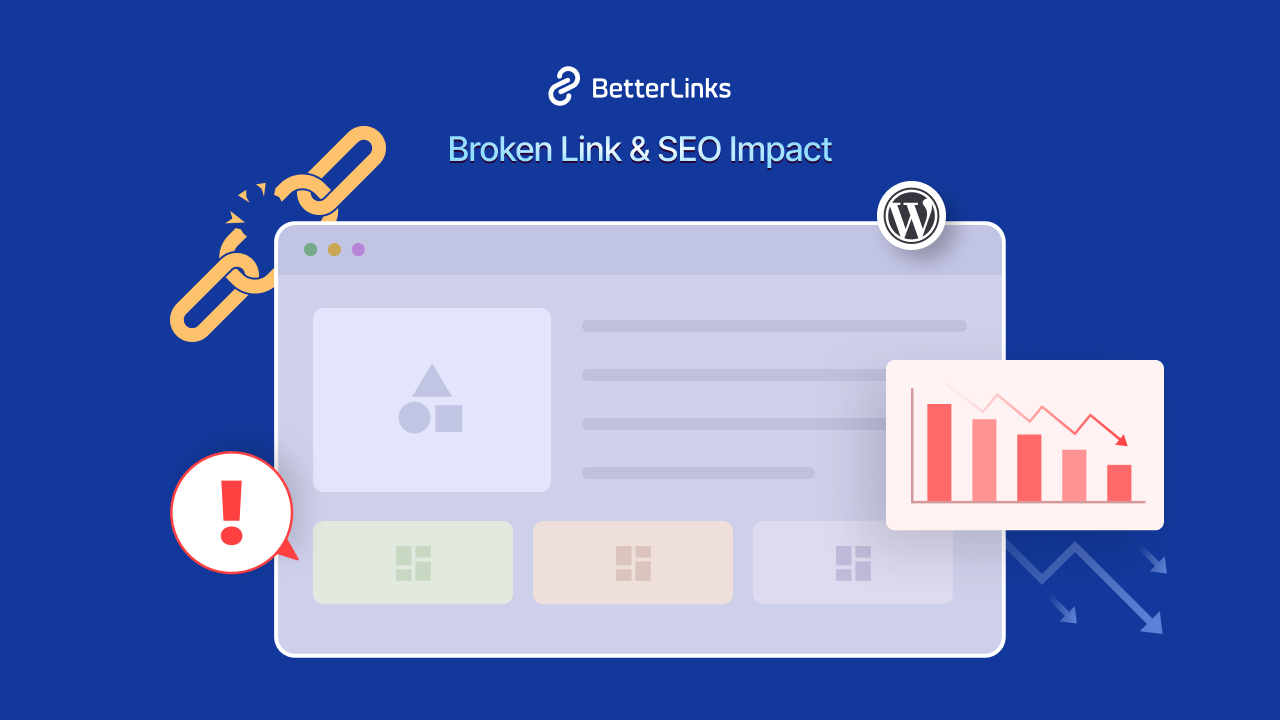
A broken link, also known as a 404 error, occurs when a hyperlink points to a URL that no longer exists, has been moved without a redirect, or is blocked by robots.txt. For search engines, broken links waste crawl budget. For users, they create frustration and increase bounce rates. For your domain authority, they signal neglect.
Search engines like Google use link graphs to understand the relationship between pages. When a high-value internal link breaks, the link equity that should flow to a target page is lost. External broken links pointing out to other sites also harm trust signals. The cumulative effect is a measurable drop in keyword rankings and organic traffic.
Traditional SEO audits involved crawling a site with tools like Screaming Frog, exporting a list of 404s, and manually updating each URL. This process is slow, error-prone, and often outdated by the time you finish. AI SEO broken links tools change this by automating detection, prioritizing fixes, and even suggesting replacement URLs based on content similarity.
How AI Transforms Broken Link Detection and Repair
AI brings three core capabilities to broken link management: pattern recognition, predictive analysis, and natural language processing. Instead of just listing URLs that return a 404 status code, AI systems analyze the context around each link to determine the best course of action.
For example, an AI tool can look at the anchor text of a broken link, the content of the page where it lives, and the historical performance of the target URL. It then decides whether to redirect to a similar page, remove the link entirely, or update the URL to a new location. This level of automation was impossible with manual audits.
Machine learning models are also trained on millions of websites to predict which broken links are most likely to impact rankings. A broken link in your footer might be less critical than a broken link in a pillar article that generates significant traffic. AI prioritizes the fixes that matter most for your revenue and visibility.
The Role of Natural Language Processing in Link Repair
Natural language processing (NLP) allows AI to understand the semantic relationship between the broken link’s destination and other pages on your site. When a product page is deleted, the AI can read the product description and match it to a similar category page or a new product launch. This ensures that users and search engines land on the most relevant content, preserving user experience and link equity.
NLP also helps with external link building. When you find a broken link on another website that points to a dead resource, AI can analyze the content of that page and suggest your own relevant content as a replacement. This is a powerful technique for earning high-quality backlinks, often called broken link building.
Key Components of an AI SEO Broken Links Workflow
An effective AI-driven workflow consists of several interconnected stages. Each stage leverages different algorithms and data sources to ensure comprehensive coverage.
Automated Crawling and Real-Time Monitoring
Traditional crawlers run on a schedule, often weekly or monthly. AI-powered systems crawl your site continuously, using smart scheduling that adapts to your content update frequency. They also monitor external links pointing to your domain, alerting you when a third-party site breaks a link to your content.
Real-time monitoring is crucial for large e-commerce sites where products are added and removed daily. An AI system can detect a broken link within seconds of a page being deleted, allowing for immediate redirect implementation before search engines recrawl.
Intelligent Error Classification
Not all 404 errors are equal. AI classifies broken links into categories such as:
- Soft 404s (pages that return a 200 status but show “not found” content)
- Hard 404s (genuine missing pages)
- Redirect chains (multiple hops that slow down page speed)
- Redirect loops (infinite cycles that never resolve)
- Blocked resources (links blocked by robots.txt)
- Always maintain a backup of your site before implementing bulk redirects.
- Monitor your 404 logs in Google Search Console after AI fixes to ensure no new errors are introduced.
- Combine AI link repair with content pruning strategies to remove low-value pages that generate many broken links.
- Use AI insights to inform your content strategy. If a popular page has broken outbound links, consider updating that content with fresh resources.
- Train your team on how to interpret AI recommendations. A basic understanding of SEO principles is still necessary.
Each category requires a different fix. Soft 404s might need content updates, while redirect chains need simplification. AI automatically identifies the category and applies the appropriate rule.
Predictive Link Value Scoring
Every internal link on your site carries a certain amount of value based on its location, anchor text, and the authority of the linking page. AI calculates a link value score for each broken link. This score combines page rank signals, user engagement metrics, and conversion data. High-value broken links are flagged for immediate attention, while low-value links can be batched for routine maintenance.
Benefits of Using AI for Broken Link Management
The advantages of AI SEO broken links tools extend beyond simple time savings. They fundamentally change how you approach site health.
Time Efficiency and Scalability
A manual audit of a 10,000-page website can take days. AI tools can crawl and analyze the same site in minutes. For agencies managing multiple client sites, this scalability is essential. You can run daily audits for every client without adding headcount.
Improved Accuracy and Reduced False Positives
Traditional crawlers often flag URLs that are intentionally returning 404s, such as deleted products that should not be redirected. AI understands the intent behind the error. It checks historical data, user behavior, and content similarity to avoid unnecessary redirects that could harm user experience.
Proactive Prevention
AI doesn’t just react to broken links; it predicts them. By analyzing patterns in URL changes, content updates, and site migrations, AI can warn you about potential breakage before it happens. For example, if you are about to change your URL structure, AI can simulate the impact and suggest redirect rules in advance.
Limitations and Challenges of AI in Link Repair
AI is powerful, but it is not infallible. Understanding its limitations helps you set realistic expectations and combine automation with human oversight.
Contextual Nuance
AI can struggle with highly contextual decisions. For example, a broken link in a legal disclaimer might need to point to a specific archived version of a policy, not just any similar page. Human judgment is still required for sensitive content areas.
Data Quality Dependence
AI models are only as good as the data they are trained on. If your analytics tracking is broken or your crawl data is incomplete, the AI’s recommendations will be flawed. Regular data hygiene is a prerequisite for effective AI use.
Cost and Learning Curve
Advanced AI SEO tools often come with a subscription cost. Additionally, t Small websites with minimal link issues may not see a return on investment.
AI SEO Broken Links vs. Traditional Methods: A Comparison
| Aspect | Traditional Manual Audit | AI-Powered Automation |
|---|---|---|
| Detection Speed | Weekly or monthly crawl | Real-time continuous monitoring |
| Error Classification | Manual review of status codes | Automatic categorization with NLP |
| Fix Prioritization | Based on intuition or page rank | Predictive scoring with machine learning |
| Redirect Suggestions | Manual search for similar pages | Automated semantic matching |
| Scalability | Limited by human resources | Unlimited with cloud computing |
| Cost | High labor cost | Subscription fee, lower labor |
The table above illustrates a clear shift. While traditional methods are still viable for very small sites, any website with more than a few hundred pages benefits from AI integration.
Practical Guide: Implementing AI for Broken Link Repair
Step 1: Choose the Right AI Tool
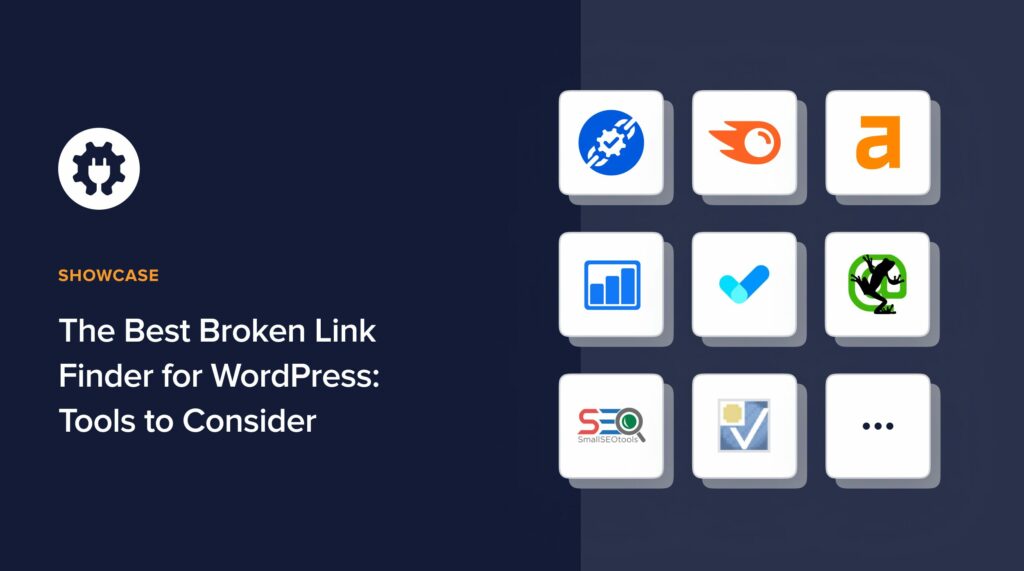
Several platforms offer AI-powered link auditing. Look for features like semantic redirect suggestions, predictive scoring, and integration with Google Search Console. Popular options include Semrush’s Site Audit with AI enhancements, Ahrefs’ Site Explorer, and dedicated tools like Link Whisper.
Step 2: Connect Your Data Sources
Link your website’s CMS, Google Analytics, and Search Console to the AI tool. This provides the AI with behavioral data, search query data, and crawl statistics. The more data the AI has, the better its predictions.
Step 3: Configure AI Rules and Thresholds
Set parameters for what constitutes a critical broken link. For example, you might define a critical link as one that appears in a page with more than 1,000 monthly visits and has a high link value score. The A
Step 4: Review AI Recommendations Weekly
AI should not operate without supervision. Set aside 30 minutes each week to review the AI’s suggested fixes. Approve redirects, reject false positives, and adjust the AI’s learning parameters based on your feedback.
Step 5: Automate the Implementation
Many AI tools integrate directly with your CMS or hosting environment. They can automatically implement 301 redirects or update internal links without manual intervention. Start with a semi-automated mode where you approve changes, then move to full automation once you trust the system.
Common Mistakes in AI-Driven Broken Link Management
Even with advanced technology, mistakes happen. Here are the most frequent errors and how to avoid them.
Over-Redirecting Everything
Some site owners redirect every 404 to the homepage. This is a poor user experience and dilutes link equity. AI can help avoid this by suggesting specific relevant pages, but you must configure the AI to not default to homepage redirects.
Ignoring External Broken Links
Internal links are important, but external links pointing to your site also break. Use AI tools that monitor your backlink profile and alert you when a referring domain has a broken link to your content. This is an opportunity to reach out and suggest an updated link.
Deleting Content Instead of Fixing Links
When a page has many broken links, it is tempting to delete the page entirely. This often causes more harm than good. AI can help you identify which broken links are worth fixing and which pages should be consolidated or updated.
Failing to Update Sitemaps
After fixing broken links, you must update your XML sitemap. AI tools can automate this, but if you are using a semi-manual process, forgetting to update the sitemap means search engines may still try to crawl old URLs.
Important Notes for Maximizing AI Link Repair Success
To get the most out of AI SEO broken links tools, keep these considerations in mind.
Frequently Asked Questions
What is the best AI tool for finding broken links?
The best tool depends on your budget and site size. Semrush and Ahrefs offer robust AI-assisted link audits. For WordPress users, Link Whisper provides automated internal link suggestions and broken link detection. Google Search Console is a free starting point, though it lacks AI-driven recommendations.
How often should I run an AI broken link audit?
For most websites, a weekly automated audit is sufficient. High-traffic e-commerce sites or news portals should run daily audits. AI tools can be configured to run continuously, but you should review the results at least once a week to approve changes.
Can AI fix broken links automatically without human review?
Yes, but full automation is risky. AI can implement redirects and update links, but it may misinterpret context. A semi-automated approach, where AI suggests and you approve, is recommended for the first few months. After you build trust in the system, you can enable full automation for low-risk link types.
Do broken links really affect Google rankings?
Yes, but the impact is indirect. Broken links waste crawl budget, which can delay indexing of new content. They also harm user experience, leading to higher bounce rates and lower dwell time. Over time, these signals contribute to ranking declines. Fixing broken links is a standard part of technical SEO maintenance.
What is the difference between a 404 and a soft 404?
A hard 404 returns a clear “not found” status code. A soft 404 returns a 200 status code but displays content that says the page does not exist. Soft 404s are worse because they confuse search engines. AI tools are particularly good at detecting soft 404s by analyzing page content and user behavior signals.
Conclusion
AI SEO broken links management is no longer a futuristic concept. It is a practical, essential component of modern technical SEO. The shift from manual audits to intelligent automation saves time, reduces errors, and improves the overall health of your website. By leveraging machine learning, natural language processing, and predictive analytics, you can ensure that every link on your site contributes to your search visibility rather than detracting from it.
The key to success is a balanced approach. Let AI handle the heavy lifting of detection, classification, and prioritization, but maintain human oversight for strategic decisions. Start with a reliable AI tool, configure it properly, and review its recommendations regularly. Over time, you will build a self-improving system that keeps your site error-free and your rankings stable.
Investing in AI for broken link repair is an investment in your site’s long-term authority and user trust. The technology is accessible, the benefits are measurable, and the competitive advantage is significant. Take the first step today by auditing your current link health and exploring how AI can transform your workflow.
Xem thêm:
- AI SEO AlsoAsked: The Complete Guide to Smarter Content Research in 2025
- AI SEO Vector Search: The Complete Guide to Semantic Search Optimization
- AI Paragraph Generator: The Complete Guide to Writing Faster, Smarter, and Better in 2025
- AI SEO AI Citation Optimization: The Complete Guide to Dominating Local Search in 2025
- AI SEO Product Category SEO: The Complete Guide to Scaling Category Pages
Bài viết cùng chủ đề:

AI SEO SEO Automation with Make: The Complete Workflow Guide

AI SEO SEO Automation with Zapier: The Complete Workflow Guide

AI SEO SEO Automation with n8n: The Complete Workflow Guide
AI SEO SEO Automation with Gemini: The Complete Guide to Scaling Organic Growth

AI SEO SEO Automation with Claude: The Complete Guide to Scaling Content in 2025

AI SEO SEO Automation with ChatGPT: The Complete Playbook for 2025

AI SEO & SEO Automation for Affiliate Sites: The 2025 Playbook for Passive Income Growth
AI SEO & SEO Automation for Bloggers: The Complete Guide to Scaling Your Content

AI SEO & SEO Automation for Agencies: The Complete 2025 Playbook

AI SEO and SEO Automation for Ecommerce: The Complete Playbook for 2025

AI SEO & SEO Automation for WordPress: The Complete Playbook for 2025
AI SEO SEO Automation Strategy: The Complete Playbook for 2025

Mastering the AI SEO SEO Automation Process: A Complete Guide to Scaling Organic Growth
AI SEO SEO Automation System: The Complete Guide to Scaling Organic Growth in 2025
AI SEO SEO Automation Platform: The Complete Guide to Scaling Organic Growth in 2025
AI SEO SEO Automation Software: The Complete Guide to Scaling Organic Growth in 2025















