
No products in the cart.
AI SEO Claude Projects: The Complete Guide to Automating Search Rankings in 2025
31
Jul
Jul
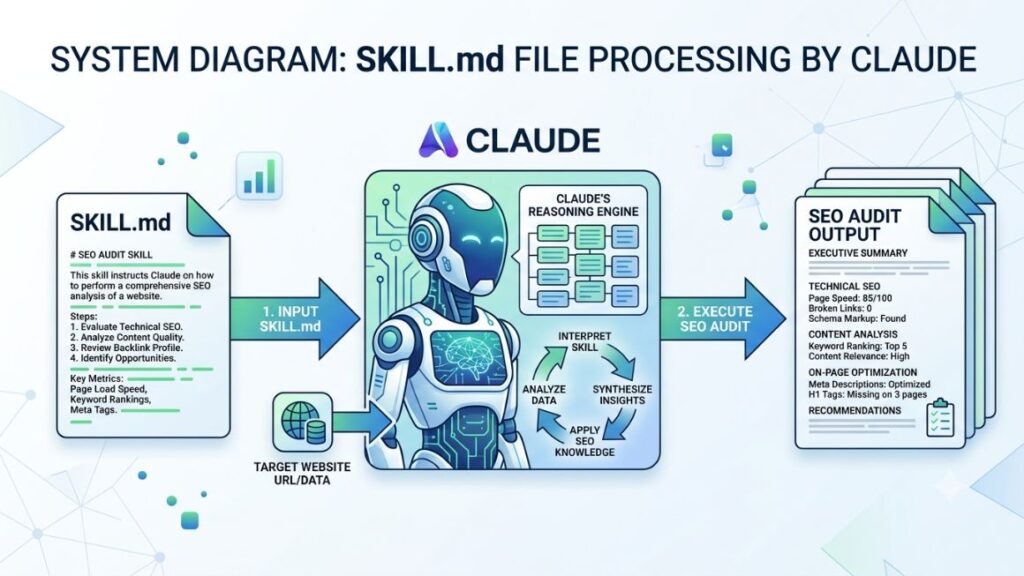
The digital marketing landscape is shifting at unprecedented speed, and the emergence of AI SEO Claude projects represents one of the most significant transformations in how content strategies are executed. Marketers and SEO professionals are increasingly turning to Anthropic’s Claude models to automate research, content generation, and optimization workflows that once required entire teams. This comprehensive guide explores how Claude is reshaping search engine optimization, offering practical frameworks for building your own AI-powered SEO systems.
Understanding AI SEO Claude Projects
AI SEO Claude projects refer to structured initiatives that leverage Anthropic’s Claude language models to perform search engine optimization tasks. These projects range from simple content brief generation to complex multi-stage workflows that handle keyword clustering, entity extraction, internal linking suggestions, and content optimization at scale. What distinguishes Claude from other AI tools in this space is its exceptional ability to process long contexts, maintain consistent brand voice, and follow detailed instructions with high fidelity.
The core value proposition of Claude-based SEO projects lies in their capacity to handle the repetitive, data-heavy aspects of optimization while freeing human experts to focus on strategy and creative direction. Unlike generic AI writing tools, Claude projects can be configured with custom system prompts that encode your specific SEO methodology, competitor analysis frameworks, and content quality standards.
Why Claude Stands Out for SEO Automation
Several technical characteristics make Claude particularly well-suited for SEO applications. The model’s 200,000-token context window allows it to analyze entire competitor pages, comprehensive keyword lists, and full content briefs in a single pass. This capability enables more coherent and contextually aware output compared to models with shorter memory spans.
Claude’s instruction-following reliability is another critical advantage. SEO workflows require consistent application of rules, such as maintaining specific heading structures, keyword density targets, and internal linking patterns. Claude demonstrates superior adherence to these formatting requirements, reducing the need for extensive post-processing and manual corrections.
Additionally, Claude’s nuanced understanding of semantic relationships helps generate content that aligns with Google’s entity-based ranking systems. The model can identify related concepts, synonyms, and contextual variations that contribute to topical authority, which is essential for competing in modern search results.
Core Components of a Successful Claude SEO Project
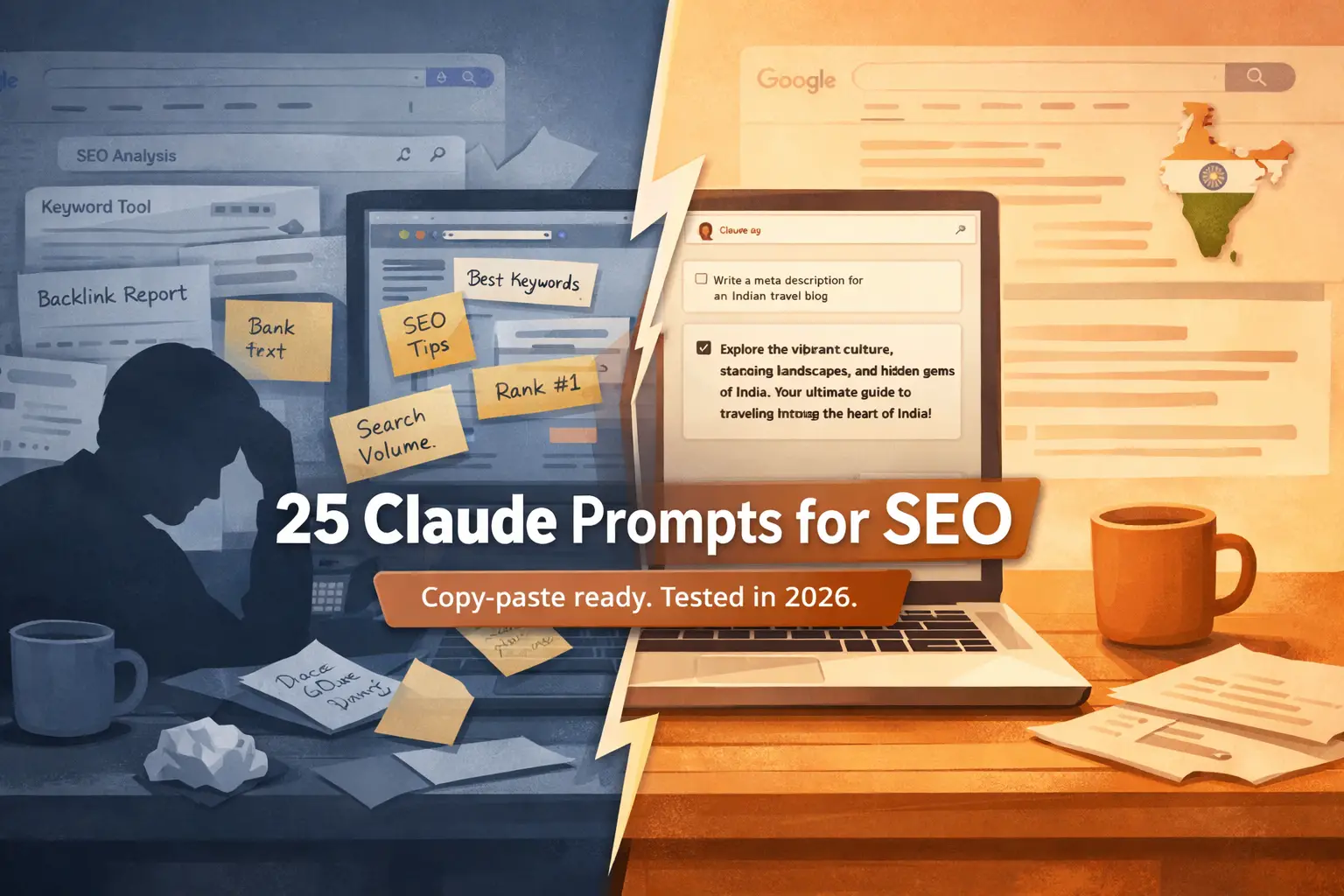
Building an effective AI SEO Claude project requires careful architecture across several key components. Each element plays a vital role in ensuring the system produces high-quality, ranking-ready output consistently.
Custom System Prompts and Personas
The foundation of any Claude SEO project is a well-crafted system prompt that defines the AI’s role, expertise level, and output constraints. A robust system prompt for SEO might specify that Claude should act as a senior content strategist with deep knowledge of a particular industry, follow specific content formatting guidelines, and incorporate target keywords naturally without over-optimization.
For example, a system prompt could instruct Claude to analyze search intent for each keyword, structure content according to the “hub and spoke” model, and ensure every piece includes a unique statistic or expert quote. These detailed instructions transform Claude from a generic text generator into a specialized SEO tool that produces content aligned with your specific ranking goals.
Keyword Research and Clustering Automation
Claude projects can automate the tedious process of keyword research and clustering. By feeding the model a large set of raw keywords, it can group them by search intent, topic relevance, and user journey stage. This automation enables SEO teams to identify content gaps and prioritize topics that have the highest potential for ranking.
Advanced Claude projects can also generate semantic keyword variations that might not appear in traditional keyword tools. The model’s understanding of language nuances allows it to suggest long-tail phrases and question-based queries that align with voice search and featured snippet opportunities.
Content Brief Generation at Scale
One of the most practical applications of Claude in SEO is the generation of comprehensive content briefs. These briefs typically include target keywords, suggested headings, entity lists, competitor analysis summaries, and specific instructions for human writers or AI content generators. Claude can produce these briefs in seconds, dramatically accelerating the content planning phase.
A well-structured brief generated by Claude might include the primary keyword’s search intent analysis, recommended word count based on current top-ranking pages, internal linking opportunities, and a list of questions that should be answered to target featured snippets. This level of detail ensures that every piece of content created has a clear strategic purpose.
Practical Applications and Workflows
Implementing AI SEO Claude projects involves creating repeatable workflows that integrate with your existing content management systems and SEO tools. The following sections outline practical applications that deliver measurable results.
Automated Content Optimization and Rewriting
Claude excels at optimizing existing content to improve search visibility. Projects can be designed to analyze underperforming pages, identify weaknesses in structure or keyword usage, and generate improved versions that maintain the original meaning while enhancing SEO signals. This process is particularly valuable for updating legacy content that has lost rankings over time.
For example, a Claude project might take an existing blog post, compare it against the current top-ranking pages for the target keyword, and produce a revised version with better heading hierarchy, additional relevant entities, and improved readability. The model can also suggest schema markup opportunities and meta description improvements.
Internal Linking Architecture Suggestions
Effective internal linking is crucial for distributing page authority and helping search engines understand site structure. Claude projects can analyze your entire sitemap and content library to recommend strategic internal links. The model considers anchor text relevance, contextual fit, and the relationship between different content clusters.
This application of Claude goes beyond simple link insertion. The AI can identify orphan pages that lack internal links, suggest hub pages that should link to related cluster content, and even generate the exact anchor text that would be most beneficial for ranking specific keywords.
Competitor Analysis and Gap Identification
Claude’s long-context processing makes it ideal for analyzing competitor content strategies. A project can be configured to ingest multiple competitor pages for a given keyword cluster, extract their key themes, content structure, and unique value propositions, and then generate a comparative analysis that highlights opportunities for differentiation.
This analysis can reveal content gaps that competitors have missed, question patterns that are not being addressed, and subtopics that could be expanded into standalone articles. By systematically identifying these gaps, SEO teams can build content that fills unmet user needs and captures additional search traffic.
Benefits and Limitations of Claude-Based SEO
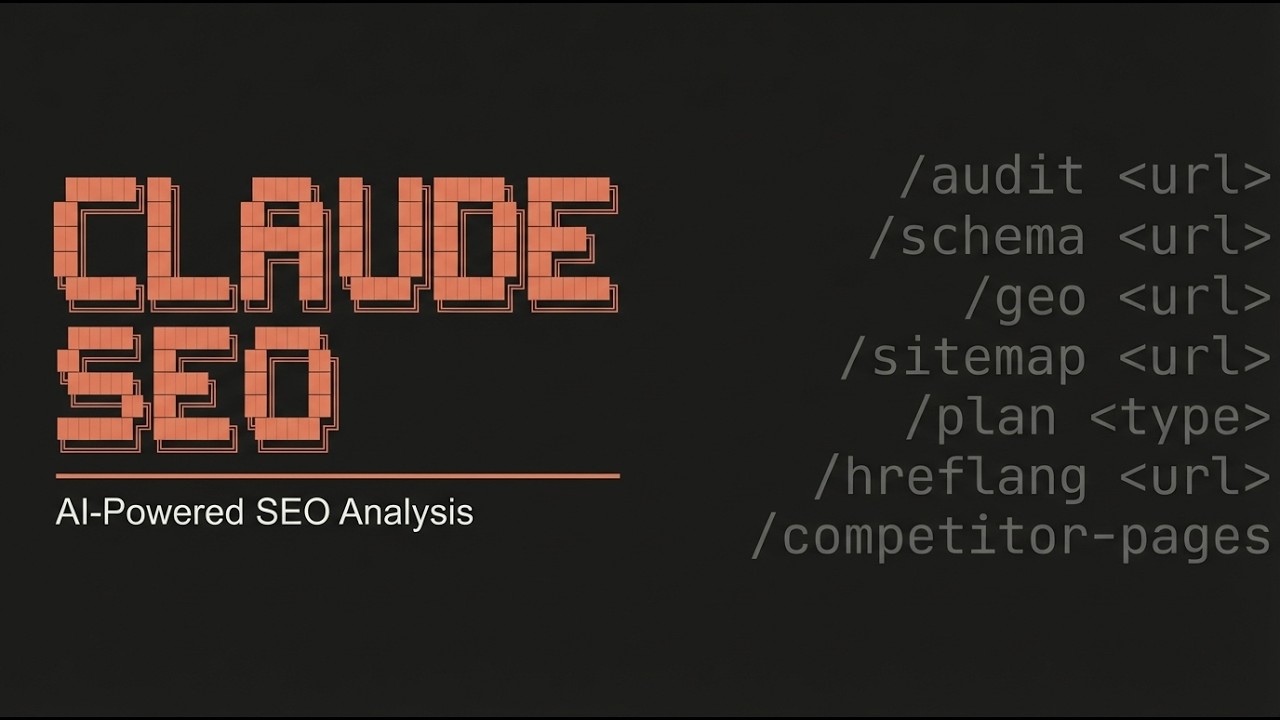
Understanding both the advantages and constraints of AI SEO Claude projects is essential for setting realistic expectations and designing effective systems.
| Aspect | Benefits | Limitations |
|---|---|---|
| Speed | Generates content briefs and drafts in seconds, enabling rapid scaling of content production | Requires human review to ensure factual accuracy and brand alignment |
| Consistency | Maintains uniform formatting and style across large volumes of content | May produce repetitive phrasing if system prompts are not varied |
| Data Processing | Handles large datasets for keyword clustering and competitor analysis | Cannot access real-time search data or Google Analytics directly |
| Creativity | Generates novel angles and unique content structures based on context | May lack the deep industry experience of a human specialist |
| Scalability | Easily scales to handle hundreds of pages without additional headcount | API costs can accumulate for very high-volume projects |
One significant limitation is that Claude does not have direct access to live search engine results pages or ranking data. To overcome this, SEO projects typically integrate Claude with external tools like Ahrefs, SEMrush, or custom scraping scripts that provide the necessary data inputs. This integration creates a hybrid workflow where Claude processes the data and generates insights, while specialized SEO platforms supply the raw metrics.
Step-by-Step Guide to Building Your First Claude SEO Project
Creating a functional AI SEO Claude project requires a systematic approach. The following steps provide a practical roadmap for implementation, whether you are using the Anthropic API directly or a no-code platform like Relevance AI or Zapier.
Step 1: Define Your SEO Objectives and KPIs
Before writing any prompts, clarify what you want the project to achieve. Are you aiming to increase organic traffic by 30% in six months? Do you need to produce 50 new articles per month? Are you focused on improving rankings for a specific set of high-value commercial keywords? Defining clear, measurable objectives will guide every subsequent decision in the project design.
Establish key performance indicators such as keyword position improvements, organic click-through rates, conversion rates from organic traffic, and content production velocity. These metrics will help you evaluate the success of your Claude project and make iterative improvements.
Step 2: Gather and Prepare Your Data Inputs
Claude projects require high-quality input data to produce useful output. Collect your current keyword lists, existing content inventory, competitor URLs, and any brand guidelines or tone-of-voice documents. Organize this data in a structured format, such as CSV files or Google Sheets, that can be easily fed into the AI system.
For keyword clustering projects, ensure your keyword list includes search volume, difficulty scores, and current rankings if available. For content optimization projects, have the full text of underperforming pages ready, along with the top three competing pages for each target keyword.
Step 3: Design Your System Prompt and Workflow
Write a detailed system prompt that encapsulates your SEO methodology. Include specific instructions about content structure, keyword usage, readability targets, and any brand-specific requirements. The more detailed and explicit your prompt, the more consistent and accurate Claude’s output will be.
Design a multi-step workflow if your project involves complex tasks. For example, a content production workflow might have separate stages for keyword analysis, outline generation, draft writing, and SEO optimization. Each stage can use a different prompt or API call, with the output of one stage serving as the input for the next.
Step 4: Test and Iterate with a Pilot Project
Before rolling out your Claude project across your entire content operation, run a pilot with a small set of keywords or pages. Evaluate the output quality against your established KPIs and make adjustments to your prompts and workflow based on the results.
Pay close attention to factual accuracy, brand voice consistency, and the natural integration of keywords. If the output feels robotic or overly optimized, refine your system prompt to emphasize readability and user value over keyword density.
Step 5: Integrate with Your Content Management System
For maximum efficiency, connect your Claude project to your CMS or content workflow tools. This integration can be achieved through API connections, webhooks, or automation platforms like Make or Zapier. The goal is to create a seamless pipeline where keyword data flows in, and optimized content flows out to your publishing queue.
Consider implementing a human review step in the workflow. While Claude produces high-quality drafts, a human editor should verify facts, check for brand alignment, and ensure the content meets your quality bar before publication. This human-in-the-loop approach combines AI efficiency with human judgment.
Common Mistakes and How to Avoid Them
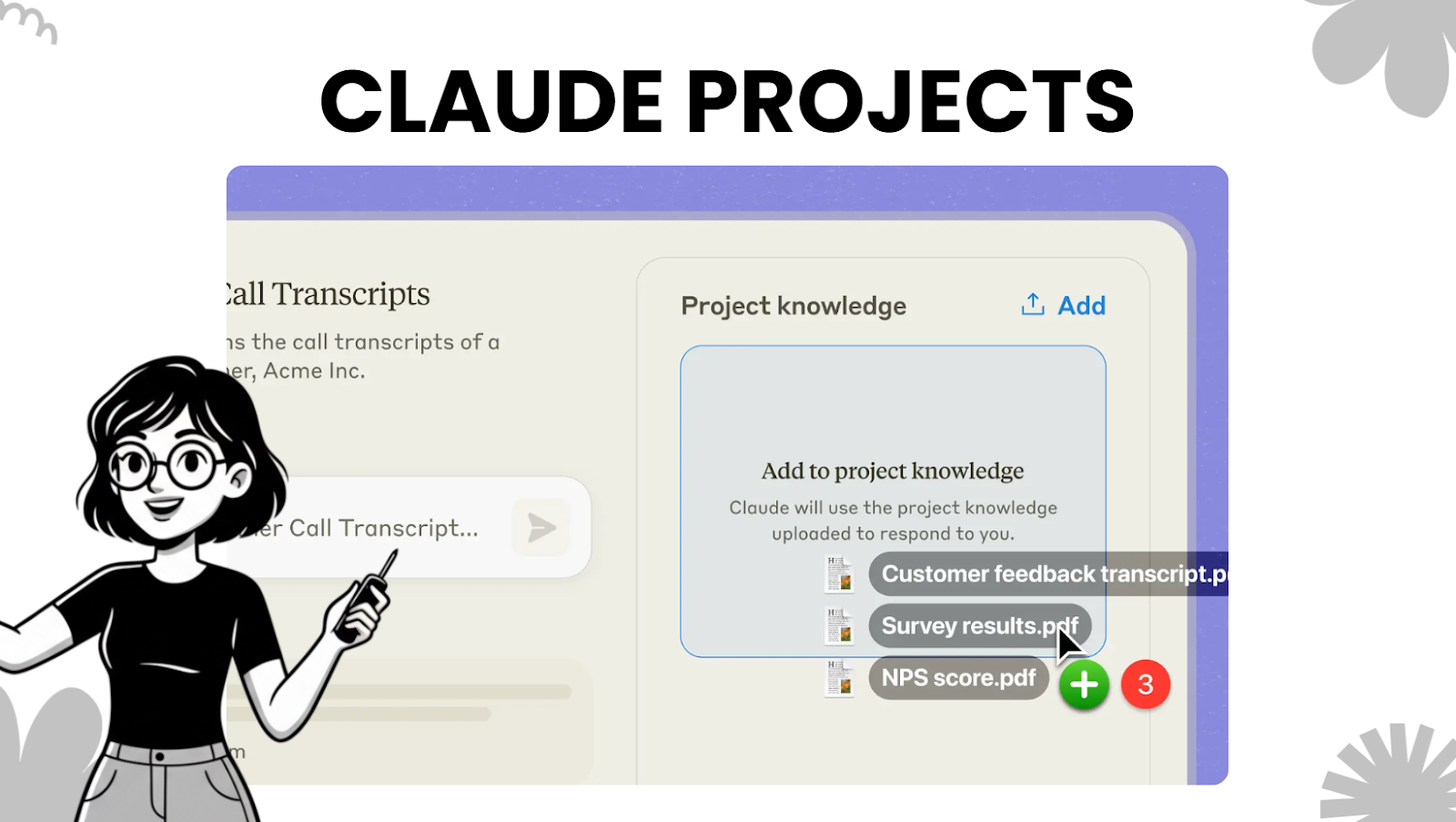
Many organizations make avoidable errors when implementing AI SEO Claude projects. Recognizing these pitfalls can save significant time and resources while improving outcomes.
Over-Reliance on AI Without Human Oversight
The most common mistake is treating Claude as a complete replacement for human SEO expertise. While the model can generate impressive content, it lacks real-world experience, current industry news, and the ability to verify facts against live sources. Publishing AI-generated content without human review risks damaging your site’s credibility and search rankings.
To avoid this, establish a mandatory review process where a human editor checks every piece of AI-generated content for accuracy, originality, and alignment with your brand’s expertise. This review should include fact-checking statistics, verifying claims, and ensuring the content provides genuine value beyond what is available on competing pages.
Ignoring Search Intent Nuances
Another frequent error is using Claude to generate content without properly analyzing search intent. Different keywords require different content formats and depths. A transactional keyword like “buy SEO software” needs a product comparison page, while an informational keyword like “what is SEO” requires a comprehensive guide. Claude can handle both, but only if the system prompt specifies the correct content type.
Incorporate intent analysis into your workflow. Before generating content, have Claude classify each keyword by intent and suggest the appropriate content format. This step ensures that your AI-generated pages match what users actually expect to find when they click on your search results.
Neglecting to Update System Prompts
SEO best practices evolve, and your Claude project should evolve with them. Many teams set up their prompts once and never revisit them, leading to outdated content strategies. Search engine algorithms change, user behavior shifts, and new competitors emerge. Your system prompts should be reviewed and updated at least quarterly to reflect these changes.
Schedule regular audits of your Claude project’s output. Analyze which pieces of content are ranking well and which are underperforming. Use these insights to refine your prompts, adjust keyword targeting, and improve the overall quality of the AI-generated content.
Important Notes for Enterprise Implementation
For larger organizations, scaling AI SEO Claude projects requires additional considerations around governance, security, and integration with existing martech stacks.
Data privacy is a critical concern. If your SEO project involves analyzing proprietary data, customer information, or unpublished product details, ensure that your Claude implementation complies with your organization’s data protection policies. Anthropic offers enterprise-grade API options with enhanced security features, but you should still review data handling procedures carefully.
Version control for prompts is another important aspect. As you iterate on your system prompts, maintain a version history so you can track which versions produced the best results. This practice enables you to revert to successful configurations if a new prompt update underperforms.
Finally, consider the cost implications of large-scale Claude usage. While the API pricing is competitive, generating thousands of content pieces or performing frequent competitor analyses can result in significant monthly expenses. Monitor your usage and optimize prompts to minimize token consumption without sacrificing output quality.
Frequently Asked Questions
What are AI SEO Claude projects?
AI SEO Claude projects are structured workflows that use Anthropic’s Claude language models to automate search engine optimization tasks. These projects can handle keyword research, content generation, competitor analysis, internal linking suggestions, and content optimization. They are designed to scale SEO efforts by combining AI efficiency with human oversight, allowing teams to produce more high-quality content and improve search rankings faster than traditional methods.
How does Claude compare to other AI tools for SEO?
Claude distinguishes itself through its long context window, which allows it to process entire competitor pages and comprehensive keyword lists in one pass. It also demonstrates superior instruction-following capabilities, making it more reliable for maintaining consistent formatting and SEO rules. Compared to tools like ChatGPT, Claude often produces more nuanced and contextually aware content, particularly for complex topics that require deep understanding of semantic relationships.
Can Claude replace human SEO specialists?
No, Claude cannot fully replace human SEO specialists. While the AI excels at data processing, content generation, and pattern recognition, it lacks real-world experience, industry intuition, and the ability to build relationships or understand brand nuances deeply. The most effective approach is a hybrid model where Claude handles repetitive and data-heavy tasks, while human experts focus on strategy, creative direction, and final quality control.
What is the cost of implementing a Claude SEO project?
The cost varies significantly based on usage volume and the complexity of your workflows. API pricing is based on token usage, with costs ranging from a few dollars per month for small projects to hundreds or thousands for enterprise-scale operations. Additional costs may include subscription fees for no-code automation platforms, SEO tools for data inputs, and human review time. Most organizations find that the efficiency gains outweigh the costs, especially when scaling content production.
How do I measure the success of my Claude SEO project?
Success should be measured against the KPIs you defined at the project’s outset. Common metrics include organic traffic growth, keyword position improvements, content production velocity, time saved per piece of content, and conversion rates from organic search. Track these metrics over time and compare them against your baseline performance to determine the project’s return on investment.
Conclusion
AI SEO Claude projects represent a powerful evolution in how digital marketing teams approach search optimization. By leveraging Claude’s advanced language understanding and instruction-following capabilities, organizations can automate time-consuming tasks, scale content production, and gain deeper insights into their competitive landscape. The key to success lies in thoughtful project design, continuous iteration, and maintaining a human-in-the-loop approach that ensures quality and brand integrity.
The future of SEO will increasingly involve collaboration between human strategists and AI systems. Those who master this collaboration now will have a significant competitive advantage as search algorithms continue to prioritize relevance, authority, and user experience. Start small, measure results, and scale what works. The tools are available, the methodology is clear, and the potential for growth is substantial.
Xem thêm:
- AI SEO Database Optimization: The Complete Guide to Smarter Data-Driven Rankings
- AI SEO AI Search Audit: The Complete Guide to Future-Proofing Your Rankings
- AI SEO Image Captions: The Complete Guide to Boosting Search Visibility in 2025
- Mastering AI EEAT Optimization: The Strategic Blueprint for Next-Level Search Authority
- AI SEO Ecommerce Category Pages: The Complete Guide to Higher Rankings
Bài viết cùng chủ đề:

AI SEO SEO Automation with Make: The Complete Workflow Guide

AI SEO SEO Automation with Zapier: The Complete Workflow Guide

AI SEO SEO Automation with n8n: The Complete Workflow Guide
AI SEO SEO Automation with Gemini: The Complete Guide to Scaling Organic Growth

AI SEO SEO Automation with Claude: The Complete Guide to Scaling Content in 2025

AI SEO SEO Automation with ChatGPT: The Complete Playbook for 2025

AI SEO & SEO Automation for Affiliate Sites: The 2025 Playbook for Passive Income Growth
AI SEO & SEO Automation for Bloggers: The Complete Guide to Scaling Your Content

AI SEO & SEO Automation for Agencies: The Complete 2025 Playbook

AI SEO and SEO Automation for Ecommerce: The Complete Playbook for 2025

AI SEO & SEO Automation for WordPress: The Complete Playbook for 2025
AI SEO SEO Automation Strategy: The Complete Playbook for 2025

Mastering the AI SEO SEO Automation Process: A Complete Guide to Scaling Organic Growth
AI SEO SEO Automation System: The Complete Guide to Scaling Organic Growth in 2025
AI SEO SEO Automation Platform: The Complete Guide to Scaling Organic Growth in 2025
AI SEO SEO Automation Software: The Complete Guide to Scaling Organic Growth in 2025















