
No products in the cart.
AI SEO Content Freshness: The Complete Guide to Keeping Your Rankings Alive in 2025

10
Aug
Aug
Search engines have evolved far beyond simple keyword matching. Today, the algorithms prioritize content that is not only relevant but also current and regularly maintained. This is where the concept of AI SEO Content Freshness becomes a critical factor for digital success. It represents the intersection of automated content generation and the ongoing need to update, refine, and republish material to signal relevance to search engines like Google. This guide explores how to leverage artificial intelligence to maintain a competitive edge through strategic content refreshes.
Understanding AI SEO Content Freshness
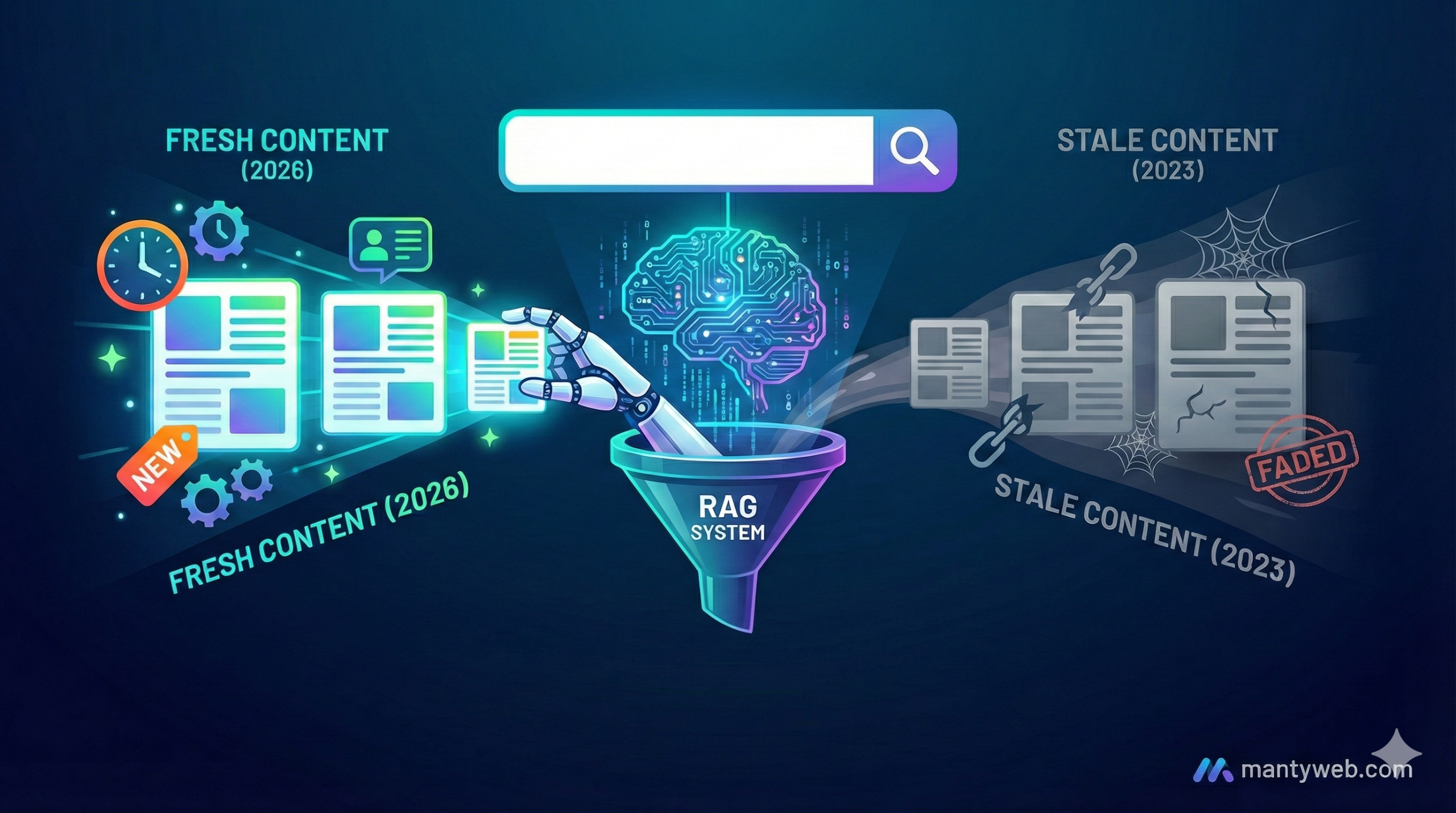
AI SEO Content Freshness refers to the practice of using artificial intelligence tools to identify, update, and optimize existing web content to keep it timely and relevant for search engine rankings. It moves beyond the traditional “set it and forget it” approach to content marketing. Instead, it relies on machine learning algorithms to analyze performance data, detect outdated information, and suggest improvements that align with current search intent.
The core principle is that search engines reward websites that demonstrate they are actively maintained. When a page is updated with new statistics, improved formatting, or expanded sections, crawlers take notice. This signals that the resource is alive and valuable, often leading to a boost in rankings for competitive keywords.
The Role of Machine Learning in Freshness
Machine learning models are exceptionally good at pattern recognition. In the context of content freshness, these models can scan thousands of pages to identify which ones are losing traffic. They can also compare your content against top-ranking competitors to highlight gaps in coverage or outdated references. This automation saves hours of manual auditing and provides data-driven direction for your editorial calendar.
Furthermore, AI can predict which topics are gaining momentum. By analyzing search trend data and social signals, it can flag emerging subtopics that should be incorporated into existing pillar pages. This proactive approach ensures your content remains ahead of the curve rather than constantly playing catch-up.
Why Content Freshness Matters for SEO in the AI Era
The importance of freshness is not a new concept, but the AI era has amplified its significance. Google’s algorithms, particularly those using neural matching and BERT, are better at understanding the nuance of time-sensitive queries. For “Your Money or Your Life” (YMYL) topics like health, finance, and legal advice, outdated information is not just a ranking issue; it is a trust and safety issue.
Search engines use a combination of signals to determine freshness. These include the date of the last significant update, the addition of new internal links, and the consistency of publishing schedules. AI tools help you manage these signals at scale. Without automation, keeping a large content library fresh is nearly impossible for a small team.
Correlation Between Update Frequency and Rankings
Data from various SEO studies indicates a strong correlation between regular content updates and improved organic visibility. Pages that are updated at least once every six months tend to rank higher than those left untouched for years. However, it is not just about changing a date. The update must add genuine value, such as new data points, revised conclusions, or improved readability.
AI facilitates this by suggesting specific paragraphs to rewrite. It can identify where statistics have become stale or where the tone no longer matches the brand voice. This level of precision ensures that every update contributes to a better user experience, which is the ultimate ranking factor.
How AI Tools Identify Stale Content
Identifying which pages need a refresh is the first step in any freshness strategy. AI-powered SEO platforms offer dashboards that score content based on several variables. These scores help prioritize efforts, ensuring you focus on pages with the highest potential for ranking recovery.
Key indicators that AI systems monitor include:
- Declining Organic Traffic: A steady drop in clicks over 30-60 days often signals that the content is losing relevance.
- Keyword Position Drops: If a page falls from position 3 to position 15, it is likely being outcompeted by fresher content.
- Low Engagement Metrics: High bounce rates and low time-on-page suggest the content does not meet user expectations.
- Outdated References: AI can detect mentions of old events, obsolete technologies, or expired statistics.
- Competitor Updates: If competitors have recently published comprehensive guides on the same topic, your content may need a boost.
- Only Changing the Date: Search engines are not fooled by a simple date change. The content itself must be substantively improved.
- Ignoring Search Intent: Updating content to rank for a keyword that no longer matches the page’s purpose will fail. Ensure the intent is aligned.
- Deleting High-Performing Content: If a page is ranking well, do not overhaul it completely. Make incremental changes to avoid disrupting its authority.
- Neglecting Technical SEO: Fresh content on a slow-loading page will not rank. Ensure your technical foundation is solid.
- Failing to Track Results: Without measuring the impact of your updates, you cannot know what is working. Set up tracking before you start.
- Organic Traffic: Compare the average monthly visitors before and after the update.
- Keyword Rankings: Monitor the position of your target keywords over a 60-day period.
- Conversion Rate: Check if the updated content leads to more sign-ups, purchases, or inquiries.
- Backlink Acquisition: Fresh content often attracts new backlinks. Monitor your backlink profile for new referring domains.
- Crawl Frequency: An increase in how often Googlebot crawls your site is a positive signal.
Using NLP for Content Gap Analysis
Natural Language Processing (NLP) is a subset of AI that helps machines understand human language. In SEO, NLP tools analyze the semantic entities present in top-ranking pages. They compare these entities against your content to identify missing terms and concepts. For example, if your article on “digital marketing” lacks mentions of “cookie depreciation” or “privacy-first tracking,” the A
Filling these gaps is a core component of AI SEO Content Freshness. It ensures your content is semantically complete, which helps search engines understand the depth of your coverage. This often leads to eligibility for featured snippets and other rich results.
The Process of Refreshing Content with AI
Executing a content refresh involves more than just running a grammar check. It requires a systematic workflow that combines human creativity with machine efficiency. The following process outlines how to integrate AI into your content maintenance routine.
Step 1: Audit and Prioritize
Start by exporting a list of all your published URLs. Use an AI-powered SEO tool to pull metrics for each page, including traffic, keyword rankings, and backlinks. Create a scoring matrix that weighs these factors. Pages with high backlink equity but declining traffic are prime candidates for a refresh because they have authority that can be leveraged.
Prioritize pages that target commercial or transactional keywords, as these have the highest revenue potential. Informational blog posts are also important, but they may not require the same frequency of updates.
Step 2: Generate AI-Driven Recommendations
Once you have a list of target pages, use AI writing assistants to generate recommendations. These tools can suggest new headings, provide updated statistics, and even rewrite entire sections in a more engaging tone. The key is to use these suggestions as a starting point, not the final product.
Ask the AI to analyze the top 5 search results for your target keyword. It can summarize the common points these pages cover. This summary acts as a checklist for your update. Ensure your refreshed content covers all these points in a more comprehensive or unique way.
Step 3: Implement Changes and Enhance Structure
Apply the changes to your content management system. Update the introduction to reflect the current date and context. Add new sections that address recent industry developments. Improve the formatting by using bullet points, tables, and subheadings to break up large blocks of text.
Pay special attention to the title tag and meta description. These are the first things users see in search results. Use AI to generate multiple variations of these tags and choose the one with the highest click-through potential.
Step 4: Update Internal Links
Content freshness is not just about the page itself; it is also about the ecosystem around it. Use AI to identify new internal linking opportunities. When you publish a new blog post, ensure it links back to your refreshed pillar page. Conversely, update the pillar page to link to the new post. This creates a web of relevance that strengthens the authority of both pages.
Step 5: Resubmit for Indexing
After making significant changes, request re-indexing through Google Search Console. This tells Google to crawl the page again. While Google will eventually find the changes, expediting the process can help you recover rankings faster. Monitor the page’s performance over the next few weeks to see if the refresh had the desired effect.
Benefits of Using AI for Content Freshness
The integration of AI into your freshness strategy offers several distinct advantages over manual methods. These benefits extend beyond just saving time.
| Benefit | Description |
|---|---|
| Scalability | AI can analyze thousands of pages in minutes, making it feasible to maintain freshness across large websites. |
| Accuracy | Machine learning reduces the risk of human error in identifying outdated information or missed keywords. |
| Speed | Automated drafting and rewriting accelerate the update process, allowing for more frequent refreshes. |
| Data-Driven Decisions | AI provides concrete data on what to change, removing guesswork from the editorial process. |
| Competitive Intelligence | AI tools continuously monitor competitor content, alerting you to new strategies they are using. |
Limitations and Risks of AI-Driven Updates
While AI is a powerful ally, it is not a replacement for human judgment. There are significant limitations to consider when relying on AI for content freshness.
The most significant risk is the potential for factual errors. AI models can generate text that sounds plausible but is incorrect. This is particularly dangerous for YMYL topics. Always verify statistics and claims against authoritative sources before publishing.
Another risk is the loss of brand voice. AI tends to produce generic, neutral prose. If you rely too heavily on AI rewriting, your content may lose the unique personality that differentiates you from competitors. Human editors must inject anecdotes, opinions, and specific examples to maintain authenticity.
Finally, t AI might suggest keyword placements that are too aggressive, leading to keyword stuffing. This can trigger search engine penalties. Maintain a natural flow and prioritize readability over keyword density.
AI SEO Content Freshness vs. Traditional Content Updates

Traditional content updates rely on manual audits and intuition. An editor might notice a page is performing poorly and decide to rewrite it based on their knowledge. This process is slow and often reactive. AI-driven freshness is proactive and predictive.
Traditional methods also struggle with scale. A website with 10,000 pages cannot be manually audited every quarter. AI can flag the 100 pages that need attention, allowing the team to focus their efforts where they matter most. This shift from reactive to proactive management is the fundamental difference between the two approaches.
Common Mistakes in AI Content Freshness Implementation
Many businesses fail to see results from their freshness efforts due to common implementation errors. Understanding these pitfalls can save you time and resources.
Practical Applications Across Industries
The principles of AI SEO Content Freshness apply differently across various sectors. Understanding these nuances helps tailor your strategy.
E-commerce and Product Pages
Product pages require frequent updates to reflect inventory changes, pricing, and new features. AI can automate the generation of new product descriptions based on specifications. It can also monitor customer reviews to identify common questions that should be answered directly on the page.
News and Publishing
For news sites, freshness is paramount. AI can help journalists quickly update breaking news stories with new information. It can also suggest related articles to link to, increasing page views and session duration.
B2B and SaaS Blogs
B2B companies often have long sales cycles. Their blog content needs to stay current with industry trends to remain credible. AI can monitor industry publications and suggest updates to existing posts to reflect new regulations or technologies.
Measuring the Impact of Content Freshness
To justify the investment in AI tools, you must measure the return on investment. Track the following metrics before and after your refresh efforts:
Important Notes on Algorithm Updates
Search engine algorithms are constantly changing. What works for freshness today may not work tomorrow. Stay informed about major updates, such as the helpful content update and core updates. These often emphasize the importance of original, people-first content. AI should be used to enhance this, not to mass-produce low-value pages.
Always prioritize the user experience. If a refresh makes the page more helpful, informative, and easy to read, it will likely be rewarded. If it is simply a vehicle for keyword insertion, it will fail.
Frequently Asked Questions
What is the ideal frequency for updating content?
T High-competition topics may require updates every 3-6 months. Evergreen topics may only need a check-up once a year. Use AI analytics to determine when a page’s performance starts to dip, and schedule updates accordingly.
Does Google penalize old content?
Google does not penalize content simply for being old. It penalizes content that is irrelevant or provides a poor user experience. Old content that is still accurate and helpful can rank well. However, for time-sensitive topics, outdated content will naturally lose visibility to fresher sources.
Can AI fully replace human writers in the refresh process?
No. AI is a tool that assists human writers. It can generate drafts, suggest improvements, and analyze data. However, human oversight is required to ensure accuracy, maintain brand voice, and inject creativity. The best results come from a collaboration between human and machine.
How long does it take to see results after a content refresh?
Results vary. Some pages see a ranking improvement within a few days. Others may take several weeks or months, especially if the page has lost significant authority. Patience is key. Continue to monitor performance and make incremental adjustments as needed.
Is AI SEO Content Freshness suitable for small websites?
Yes. Even small websites can benefit from using AI tools to identify which of their few pages need attention. Many AI SEO tools offer affordable plans for small businesses. The time saved can be reinvested into creating new content or improving other aspects of the business.
Conclusion
AI SEO Content Freshness is no longer a luxury; it is a necessity for maintaining competitive search visibility. The digital landscape is dynamic, and search engines demand evidence that your website is actively maintained. By leveraging artificial intelligence to audit, analyze, and update your content, you can ensure that your pages remain relevant, authoritative, and valuable to your audience.
The key to success lies in a balanced approach. Use AI for its incredible analytical and generative capabilities, but always apply human judgment to ensure quality and authenticity. Regularly refresh your cornerstone content, monitor performance metrics, and adapt to algorithm changes. By doing so, you will build a sustainable SEO strategy that withstands the test of time and delivers consistent organic growth.
Xem thêm:
- AI SEO Audit: How to Automate Your Website’s Health Check and Boost Search Rankings
- AI SEO AI Overview Optimization Strategy: The Complete Playbook for 2025
- AI SEO Search Performance: The Complete Guide to Ranking in the Age of Machine Learning
- AI B2C SEO: Mastering Consumer Search with Artificial Intelligence for Unmatched Growth
- AI SEO Silo Architecture: The Complete Guide to Building Topically Authoritative Websites
Bài viết cùng chủ đề:

AI SEO SEO Automation with Make: The Complete Workflow Guide

AI SEO SEO Automation with Zapier: The Complete Workflow Guide

AI SEO SEO Automation with n8n: The Complete Workflow Guide
AI SEO SEO Automation with Gemini: The Complete Guide to Scaling Organic Growth

AI SEO SEO Automation with Claude: The Complete Guide to Scaling Content in 2025

AI SEO SEO Automation with ChatGPT: The Complete Playbook for 2025

AI SEO & SEO Automation for Affiliate Sites: The 2025 Playbook for Passive Income Growth
AI SEO & SEO Automation for Bloggers: The Complete Guide to Scaling Your Content

AI SEO & SEO Automation for Agencies: The Complete 2025 Playbook

AI SEO and SEO Automation for Ecommerce: The Complete Playbook for 2025

AI SEO & SEO Automation for WordPress: The Complete Playbook for 2025
AI SEO SEO Automation Strategy: The Complete Playbook for 2025

Mastering the AI SEO SEO Automation Process: A Complete Guide to Scaling Organic Growth
AI SEO SEO Automation System: The Complete Guide to Scaling Organic Growth in 2025
AI SEO SEO Automation Platform: The Complete Guide to Scaling Organic Growth in 2025
AI SEO SEO Automation Software: The Complete Guide to Scaling Organic Growth in 2025















