
No products in the cart.
AI SEO Outreach Templates: The Complete Guide to Higher Response Rates in 2025
10
Aug
Aug
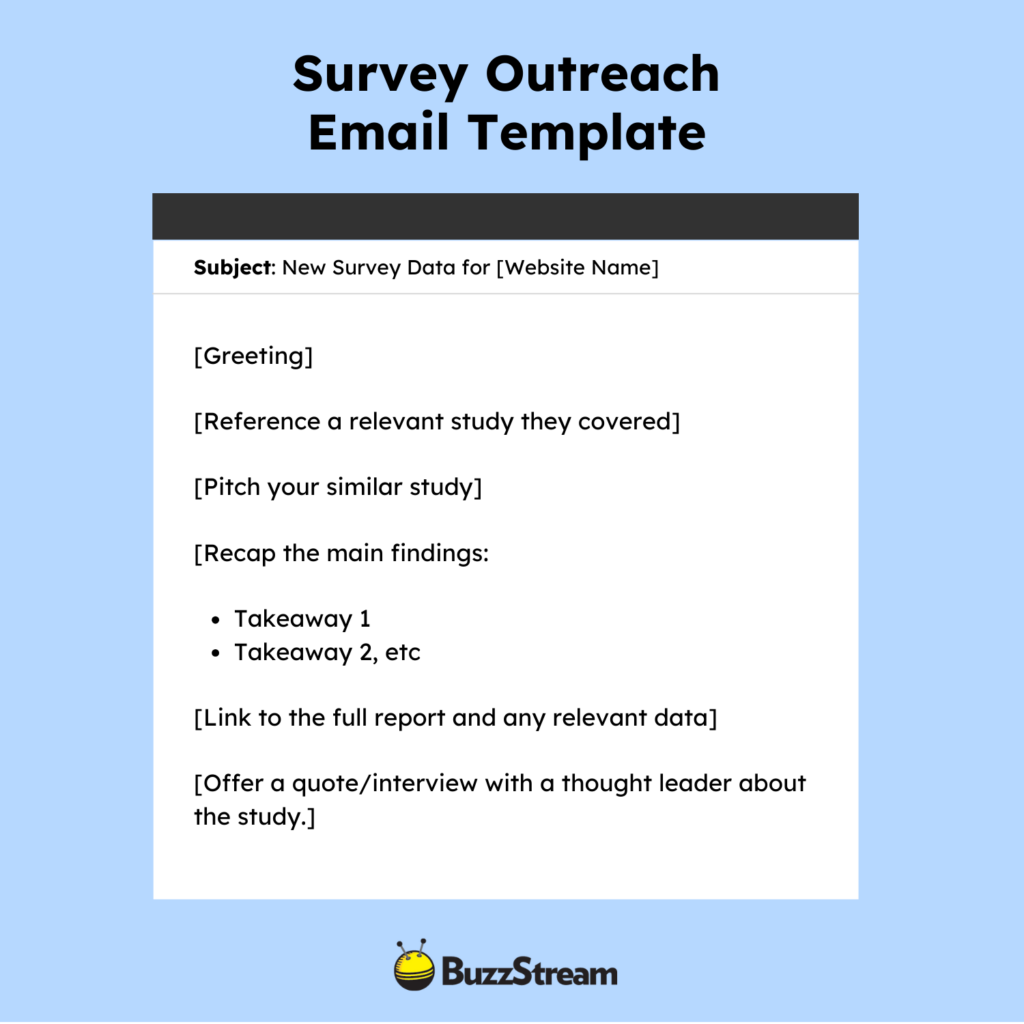
Digital PR and link building have transformed dramatically with the integration of artificial intelligence. AI SEO outreach templates are no longer simple email scripts; they are data-driven, personalized communication frameworks that leverage machine learning to analyze prospects, predict engagement, and automate follow-ups. This comprehensive guide explores how modern marketers use AI-powered templates to secure high-authority backlinks, build meaningful relationships, and scale their outreach efforts without sacrificing quality. From understanding the core mechanics to implementing advanced personalization strategies, this resource covers everything needed to master AI-driven link building in today’s competitive search landscape.
Understanding AI SEO Outreach Templates
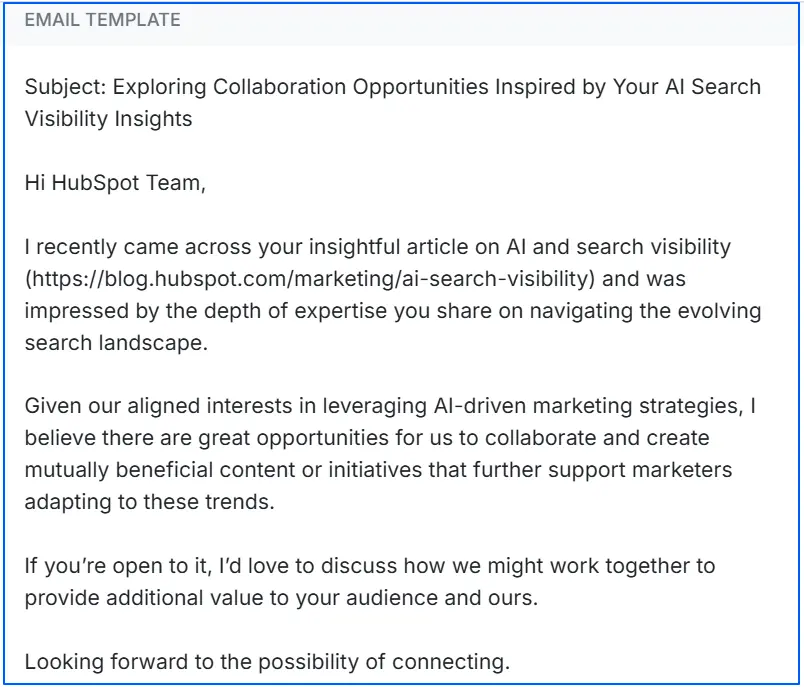
AI SEO outreach templates represent a paradigm shift from traditional copy-paste email scripts. These are dynamic communication frameworks that combine natural language processing, prospect data analysis, and behavioral prediction to create highly targeted messages. Unlike static templates, AI-powered versions adapt to each recipient based on their content preferences, linking behavior, and engagement patterns.
The core principle behind these templates is relevance at scale. While traditional outreach relies on manual research and generic messaging, AI systems process thousands of data points to determine what type of message resonates with each specific prospect. This includes analyzing their recent articles, social media activity, competitor backlinks, and even the tone of their existing content.
The Evolution from Manual to AI-Powered Outreach
Traditional outreach templates followed a one-size-fits-all approach. Marketers would create a single template, personalize the first name, and blast it to hundreds of prospects. Response rates typically hovered between 1-3 percent. AI-powered templates have changed this dynamic entirely by enabling hyper-personalization at scale.
Modern AI systems can analyze a prospect’s entire digital footprint within seconds. They examine writing style, preferred topics, content gaps, and even the emotional tone of their responses. This allows for the creation of outreach messages that feel individually crafted, even when sent to thousands of prospects simultaneously.
Core Components of Effective AI SEO Outreach Templates
Successful AI-driven outreach templates share several fundamental components that distinguish them from traditional approaches. Understanding these elements is crucial for implementing AI-powered link building strategies effectively.
Data-Driven Personalization Fields
AI templates incorporate dynamic fields that go beyond basic name insertion. These include:
- Recent content mentions and specific article references
- Competitor backlink analysis and gap identification
- Social media engagement patterns and preferred platforms
- Content tone and style matching
- Historical response behavior and optimal send times
- Mutual connections and shared communities
- Topic suggestions based on content gaps in the target site
- Writing samples that mirror the site’s preferred style
- Relevant credentials and expertise indicators
- Specific value propositions for their audience
- Pitchbox with AI personalization features
- NinjaOutreach’s AI writing assistant
- Buzzstream’s predictive analytics
- Custom GPT-based solutions integrated with CRM systems
- Specialized AI outreach platforms like Quickmail or Instantly
- Competitor backlink analysis tools like Ahrefs or SEMrush
- Content gap analysis to identify target websites
- Social media monitoring for relevant conversations
- Industry directories and professional networks
- Historical campaign data and engagement metrics
- Prospect name and position
- Recent published content titles
- Specific topics they cover
- Competitor links they already have
- Social media handles and engagement patterns
- Mutual connections or shared groups
- Initial outreach
- Follow-up sequences
- Different content types (guest posts, digital PR, resource links)
- Different prospect types (bloggers, journalists, site owners)
- Different value propositions
Each of these fields is automatically populated by AI systems that continuously learn from engagement data. The result is a message that demonstrates genuine understanding of the prospect’s work and interests.
Predictive Subject Line Optimization
Subject lines determine whether an email gets opened or ignored. AI algorithms analyze millions of email interactions to identify patterns that predict high open rates. These systems test multiple subject line variations and learn which approaches work best for different audience segments.
AI-powered subject lines often incorporate elements like curiosity gaps, specific data points, or personalized references that have been statistically proven to increase open rates. The system continuously refines these based on real-time performance data.
Types of AI SEO Outreach Templates
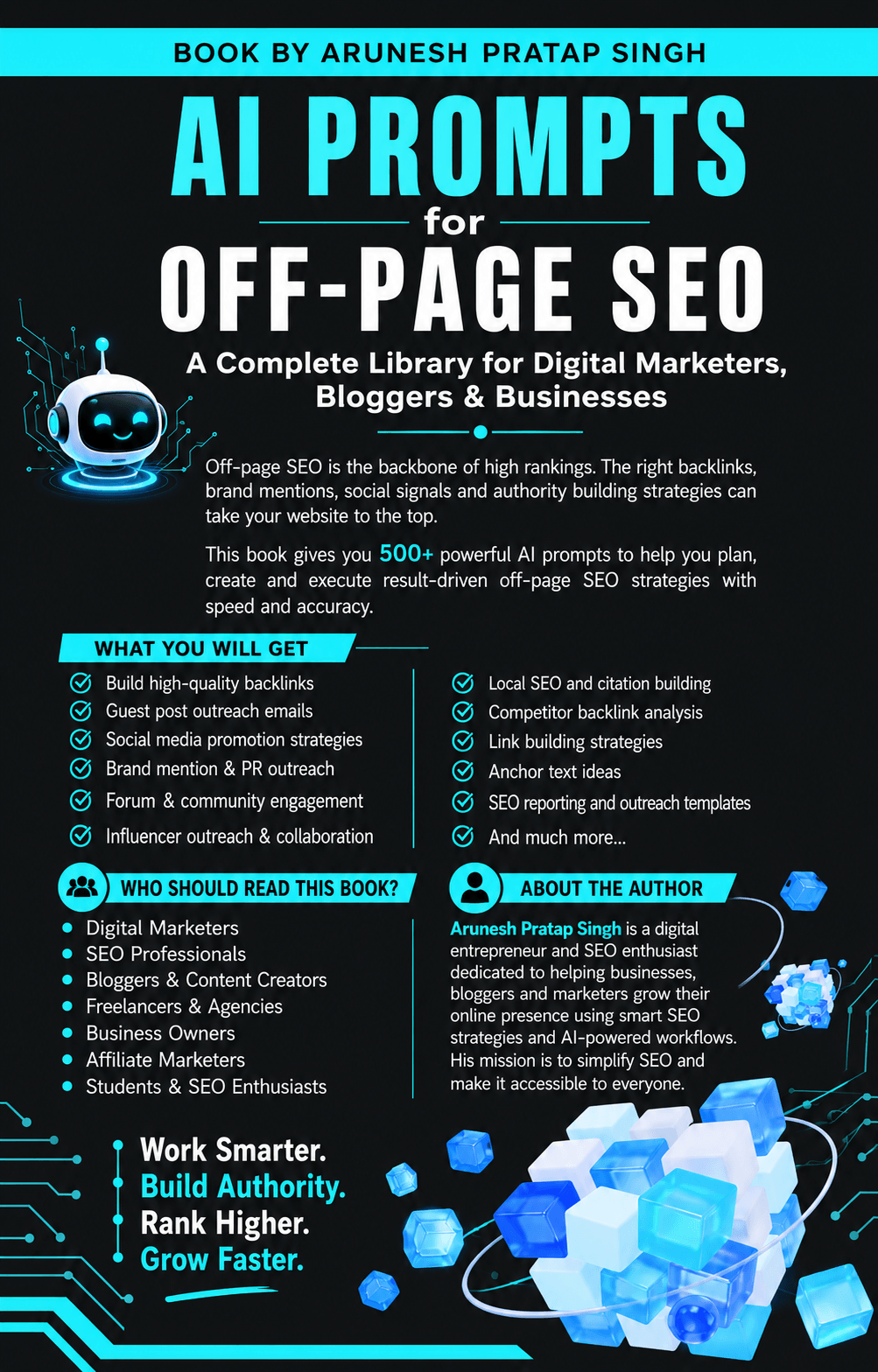
Different link building scenarios require different outreach approaches. AI systems can generate and optimize multiple template types based on the specific goal and context.
Guest Post Pitch Templates
AI-powered guest post pitches analyze the target website’s content style, audience demographics, and editorial guidelines. The template automatically adjusts its tone, length, and structure to match what the editor typically accepts. These templates often include:
Broken Link Building Templates
These templates leverage AI to identify broken links on high-authority websites and suggest relevant replacement content. The AI system analyzes the broken page’s content, the linking context, and the prospect’s content preferences to craft a compelling replacement pitch.
Resource Page Link Templates
AI systems identify resource pages that lack comprehensive coverage of specific topics. The outreach template then positions the sender’s content as the perfect addition to fill that gap, referencing specific sections of the resource page and explaining how the new content enhances its value.
Digital PR and HARO Templates
For digital PR outreach, AI templates analyze journalist preferences, recent articles, and beat coverage. The system crafts pitches that align with the journalist’s writing style and provides data-driven story angles that are more likely to get coverage.
Benefits of Using AI SEO Outreach Templates
The adoption of AI-powered outreach templates offers measurable advantages over traditional methods. These benefits extend beyond simple time savings to fundamentally improve campaign performance.
Significantly Higher Response Rates
Data from various SEO agencies indicates that AI-personalized outreach achieves response rates between 8-15 percent, compared to the 1-3 percent typical of traditional templates. This improvement stems from the relevance and personalization that AI enables.
Scalability Without Quality Loss
Traditional outreach struggles to scale because personalization requires manual effort. AI templates maintain high personalization levels even when sending thousands of emails daily. This scalability allows businesses of all sizes to compete with larger competitors in link building.
Continuous Learning and Optimization
AI systems learn from every interaction. They track which subject lines get opened, which message structures get responses, and which follow-up timing works best. This continuous optimization means templates improve over time, with each campaign performing better than the last.
Reduced Manual Research Time
Manual prospect research can consume hours daily. AI automates this process by analyzing thousands of websites, identifying the best prospects, and populating personalization fields automatically. This frees up time for strategic activities like content creation and relationship building.
Limitations and Challenges
While AI SEO outreach templates offer substantial benefits, they also present specific challenges that marketers must address.
Risk of Generic AI-Sounding Content
Poorly configured AI templates can produce messages that sound robotic and impersonal. Many recipients have become adept at identifying AI-generated content, which can damage sender credibility. Successful implementation requires careful tuning and human oversight.
Data Quality Dependencies
AI templates are only as good as the data they use. Inaccurate or outdated prospect information leads to irrelevant personalization that performs worse than no personalization at all. Maintaining clean, updated prospect databases is essential.
Deliverability Concerns
Sending high volumes of AI-personalized emails can trigger spam filters if not managed properly. Email service providers continuously update their algorithms to detect automated outreach patterns. Proper domain warm-up, sending limits, and engagement monitoring are critical.
Comparison: Traditional vs AI SEO Outreach Templates
| Aspect | Traditional Templates | AI SEO Outreach Templates |
|---|---|---|
| Personalization Level | Basic (first name, company) | Deep (content references, style matching) |
| Research Time | Hours per prospect | Seconds per prospect |
| Response Rates | 1-3 percent | 8-15 percent |
| Scalability | Limited by manual effort | Virtually unlimited |
| Learning Capability | None | Continuous optimization |
| Content Quality | Consistent but generic | Adaptive and relevant |
| Cost | Low initial investment | Higher tool costs |
Practical Implementation Guide
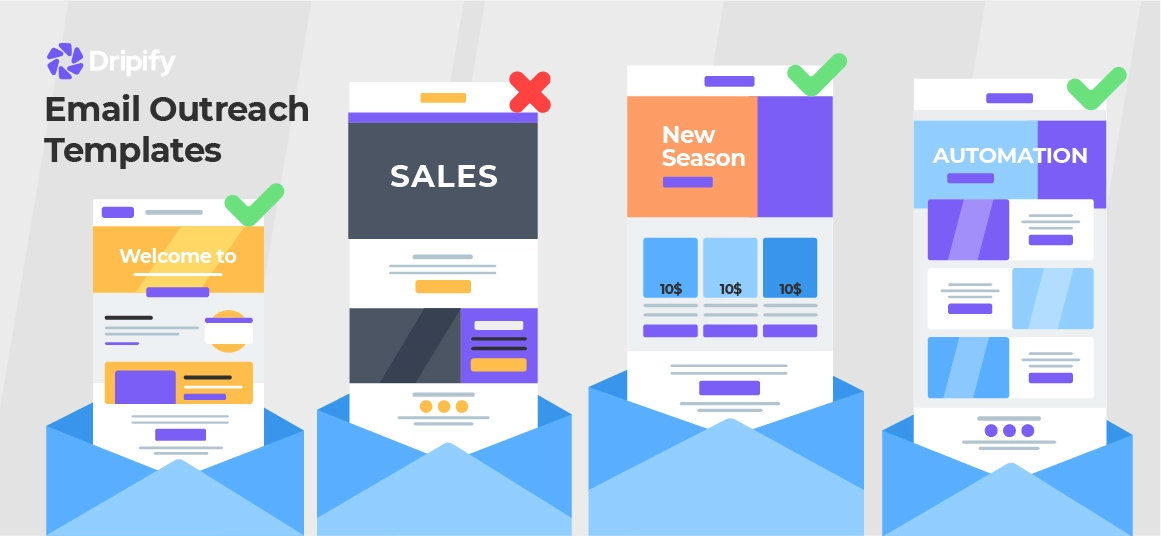
Implementing AI SEO outreach templates requires a systematic approach that combines the right tools with effective processes.
Step 1: Select the Right AI Outreach Tools
Several platforms offer AI-powered outreach capabilities. Popular options include:
Evaluate tools based on your specific needs, budget, and technical capabilities. Many platforms offer free trials that allow testing before committing.
Step 2: Build a Quality Prospect Database
AI templates require comprehensive prospect data to work effectively. Build your database using:
Step 3: Configure Personalization Fields
Set up the data fields that A Common fields include:
Step 4: Create Template Variations
Develop multiple template variations for different scenarios. AI systems perform best when they have diverse templates to draw from. Create templates for:
Step 5: Test and Optimize Continuously
Launch campaigns with A/B testing enabled. Monitor key metrics including open rates, response rates, positive reply rates, and conversion rates. Use this data to refine templates and AI settings continuously.
Common Mistakes and How to Avoid Them
Many marketers fail to achieve desired results with AI outreach templates due to avoidable errors.
Over-Reliance on Automation
Mistake: Letting AI handle everything without human oversight. Solution: Review AI-generated messages regularly and maintain quality control processes. Human review catches nuances that AI might miss.
Ignoring Deliverability Best Practices
Mistake: Sending high volumes without proper email infrastructure. Solution: Use dedicated sending domains, warm up new domains gradually, and monitor spam complaints carefully.
Generic Value Propositions
Mistake: Using the same value proposition for all prospects. Solution: Configure AI to analyze what each prospect values most, whether it’s exclusive data, expert quotes, or comprehensive resources.
Neglecting Follow-Up Sequences
Mistake: Sending only one email and giving up. Solution: Implement multi-touch follow-up sequences with varying messages. AI can optimize follow-up timing and content based on prospect behavior.
Poor Data Hygiene
Mistake: Using outdated or inaccurate prospect data. Solution: Regularly clean your database, verify email addresses, and update prospect information based on recent activity.
Important Notes for Success
Several critical factors determine the success of AI SEO outreach campaigns.
Email authentication protocols like SPF, DKIM, and DMARC must be properly configured to ensure deliverability. Without these, even the best AI templates will land in spam folders.
Compliance with data protection regulations like GDPR and CAN-SPAM is non-negotiable. Ensure your outreach practices include proper opt-out mechanisms and respect recipient preferences.
AI templates should complement, not replace, human relationship building. The most successful campaigns use AI for initial outreach and follow-ups, then transition to personal communication once a prospect shows interest.
Content quality remains the foundation of successful outreach. Even the most personalized template cannot compensate for low-value content. Invest in creating genuinely useful resources that prospects will want to link to.
Frequently Asked Questions
What are AI SEO outreach templates?
AI SEO outreach templates are data-driven email frameworks that use artificial intelligence to personalize messages for link building and digital PR. They analyze prospect data, content preferences, and engagement patterns to create highly relevant outreach messages that achieve higher response rates than traditional templates.
How much do AI outreach tools cost?
AI outreach tools range from $50 to $500 per month depending on features and volume. Enterprise solutions can cost more. Many tools offer tiered pricing based on the number of prospects, email volume, and advanced AI features included.
Can AI templates replace human outreach entirely?
No. AI templates excel at initial outreach, personalization, and follow-ups, but human interaction remains essential for building genuine relationships. The best results come from combining AI efficiency with human judgment and relationship-building skills.
What response rates can I expect with AI outreach?
Well-implemented AI outreach typically achieves response rates between 8-15 percent, compared to 1-3 percent for traditional templates. Positive response rates, where prospects express interest, usually range from 3-7 percent depending on the niche and offer quality.
How do I avoid AI detection in my outreach emails?
To avoid sounding AI-generated, configure templates with varied sentence structures, include specific personal details that show genuine research, and maintain a conversational tone. Review AI outputs regularly and add human touches where needed.
Which industries benefit most from AI outreach templates?
Industries with high competition for backlinks benefit most, including technology, finance, health, and SaaS. However, any industry can benefit from AI personalization, especially those targeting large numbers of prospects with similar characteristics.
Conclusion
AI SEO outreach templates represent the current frontier of link building and digital PR. They combine the scalability of automation with the personalization of human-crafted messages, achieving response rates that traditional methods cannot match. Success requires more than simply adopting AI tools; it demands quality data, thoughtful template configuration, continuous optimization, and a commitment to providing genuine value to prospects.
The landscape of SEO outreach continues to evolve rapidly. Marketers who embrace AI-powered approaches while maintaining human oversight and relationship-building will gain significant competitive advantages. Those who ignore these developments risk falling behind as AI becomes standard practice in digital marketing.
Start by evaluating your current outreach processes, identifying areas where AI can add value, and implementing templates that align with your specific goals. Test, learn, and refine continuously. The future of link building belongs to those who combine technological innovation with authentic communication.
Xem thêm:
- AI Meta Descriptions: The Complete Guide to Writing High-Converting Search Snippets With Artificial Intelligence
- AI SEO Meta Title Generator: The Complete Guide to Higher Click-Through Rates
- AI SEO GEO Tools: The Complete Guide to Generative Engine Optimization in 2025
- AI SEO SERP Monitoring: The Complete Guide to Automated Rank Tracking in 2025
- AI SEO Alerts: The Ultimate Guide to Automated Search Monitoring and Real-Time Warnings
Bài viết cùng chủ đề:

AI SEO SEO Automation with Make: The Complete Workflow Guide

AI SEO SEO Automation with Zapier: The Complete Workflow Guide

AI SEO SEO Automation with n8n: The Complete Workflow Guide
AI SEO SEO Automation with Gemini: The Complete Guide to Scaling Organic Growth

AI SEO SEO Automation with Claude: The Complete Guide to Scaling Content in 2025

AI SEO SEO Automation with ChatGPT: The Complete Playbook for 2025

AI SEO & SEO Automation for Affiliate Sites: The 2025 Playbook for Passive Income Growth
AI SEO & SEO Automation for Bloggers: The Complete Guide to Scaling Your Content

AI SEO & SEO Automation for Agencies: The Complete 2025 Playbook

AI SEO and SEO Automation for Ecommerce: The Complete Playbook for 2025

AI SEO & SEO Automation for WordPress: The Complete Playbook for 2025
AI SEO SEO Automation Strategy: The Complete Playbook for 2025

Mastering the AI SEO SEO Automation Process: A Complete Guide to Scaling Organic Growth
AI SEO SEO Automation System: The Complete Guide to Scaling Organic Growth in 2025
AI SEO SEO Automation Platform: The Complete Guide to Scaling Organic Growth in 2025
AI SEO SEO Automation Software: The Complete Guide to Scaling Organic Growth in 2025















