
No products in the cart.
AI SEO Content Relevance: The Complete Guide to Ranking in the Age of Machine Learning
10
Aug
Aug
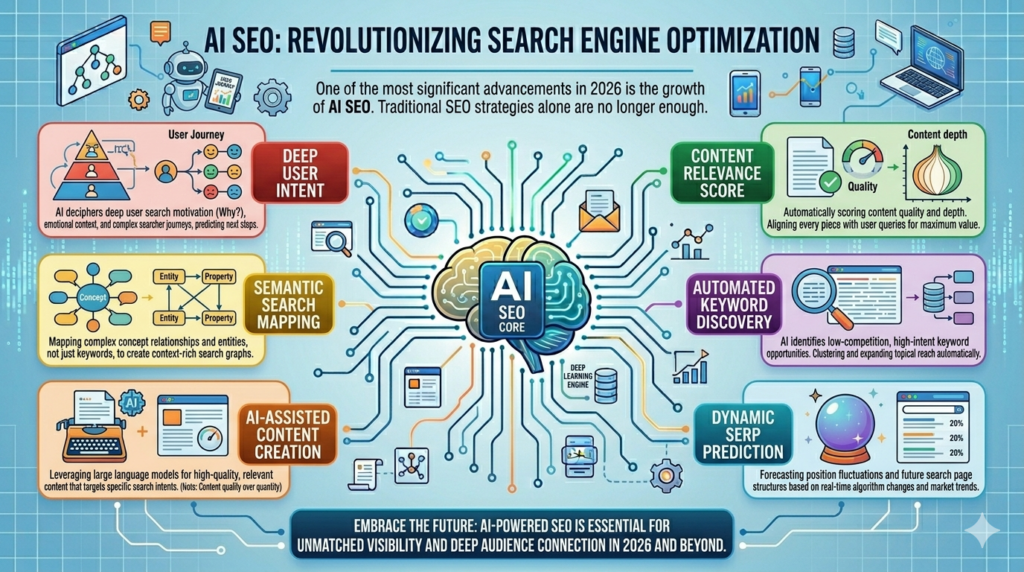
AI SEO content relevance has become the single most important factor for ranking in modern search engines. As Google’s algorithms increasingly rely on natural language processing and machine learning models like MUM and BERT, the way content is evaluated has shifted dramatically from simple keyword matching to deep semantic understanding. For digital marketers, content creators, and SEO professionals, mastering AI SEO content relevance is no longer optional—it is the foundation of sustainable organic growth. This comprehensive guide explores how artificial intelligence interprets content, why relevance trumps raw keyword density, and how to build a content strategy that aligns with machine learning ranking systems.
Understanding AI SEO Content Relevance
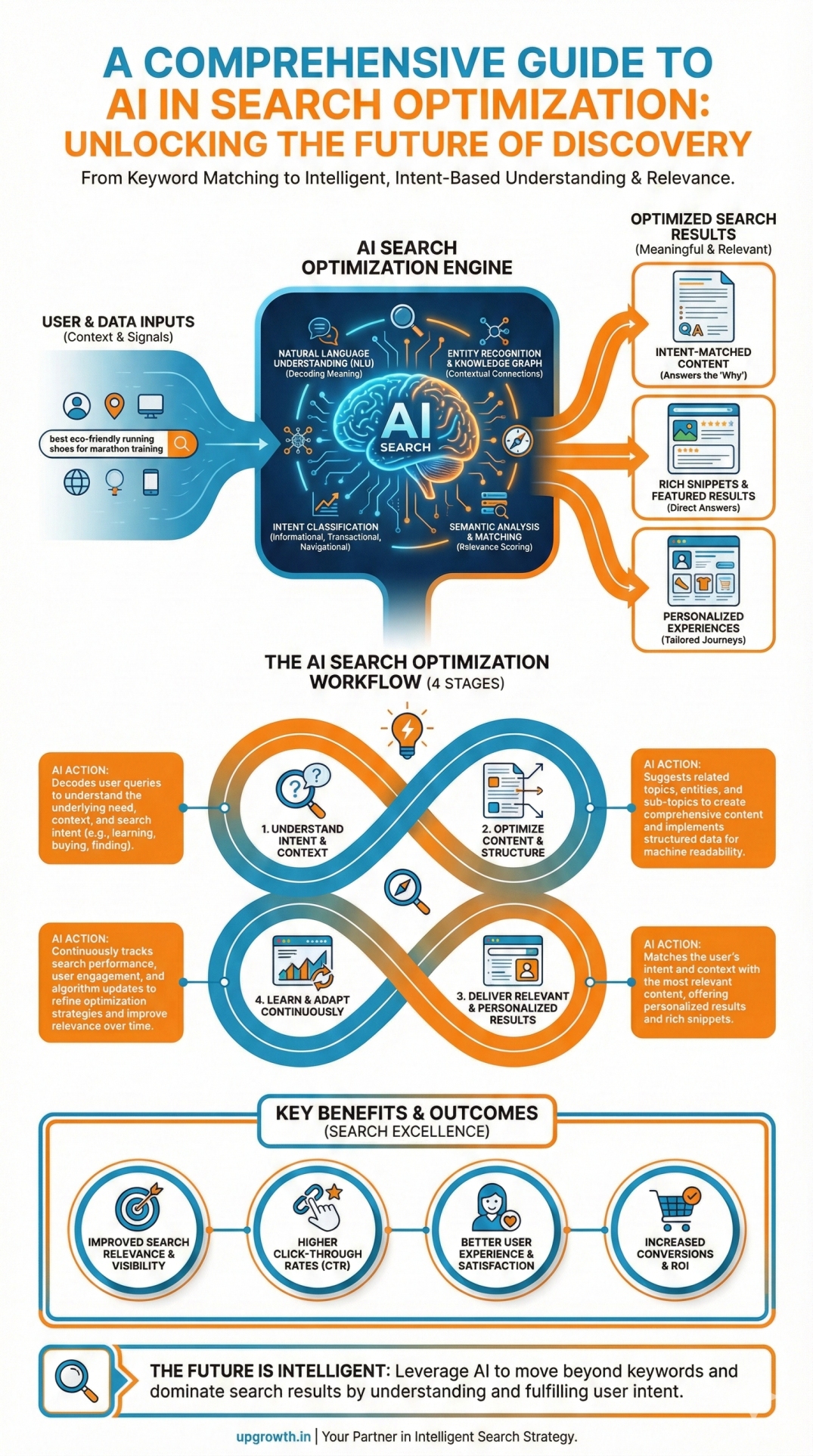
AI SEO content relevance refers to the degree to which a piece of content satisfies the underlying intent behind a user’s search query, as interpreted by artificial intelligence algorithms. Unlike traditional SEO that relied on exact-match keywords and backlinks, AI-driven relevance evaluation focuses on semantic relationships, contextual meaning, and topical authority. Search engines now use neural networks to understand the relationship between words, concepts, and entities within a document, creating a multidimensional map of what the content actually means.
The shift toward AI-powered relevance scoring began with the introduction of RankBrain in 2015 and accelerated with BERT in 2019. These systems process queries and content in a way that mimics human comprehension, recognizing synonyms, understanding context, and distinguishing between different meanings of the same word. For example, the word “apple” in a query about fruit versus a query about technology requires completely different content relevance signals. AI SEO content relevance ensures that your content matches the correct interpretation of the query.
The Evolution from Keywords to Semantic Entities
Early search engines operated on a simple premise: count the number of times a keyword appears on a page and rank accordingly. This led to keyword stuffing and low-quality content that technically matched queries but provided little value. The evolution toward AI SEO content relevance has completely inverted this approach. Modern algorithms now prioritize the presence of related entities, the logical flow of information, and the comprehensive coverage of subtopics that a human expert would naturally include.
Google’s Knowledge Graph and natural language processing models enable the search engine to build a web of interconnected concepts. When you write about “AI SEO content relevance,” the algorithm expects to see related terms like “search intent,” “semantic search,” “natural language processing,” “topic clusters,” and “entity-based optimization.” The presence of these related concepts signals to the AI that your content genuinely addresses the topic rather than merely repeating a phrase.
How AI Algorithms Evaluate Content Relevance
Understanding the mechanics of AI content evaluation helps you create content that aligns with algorithmic expectations. The process involves several layers of analysis, each contributing to the final relevance score that determines your ranking position.
Query Understanding and Intent Classification
Before evaluating your content, the AI must first understand the query itself. Modern search systems classify queries into distinct intent categories: informational, navigational, commercial, and transactional. AI SEO content relevance requires that your content matches the dominant intent behind the target keyword. A query like “best AI SEO tools” carries commercial investigation intent, meaning users expect comparisons, pricing information, and feature breakdowns—not a general definition of AI in SEO.
The AI also identifies the specific entities within a query. For “AI SEO content relevance,” the entities include “AI” (artificial intelligence), “SEO” (search engine optimization), “content,” and “relevance.” Your content must address each of these entities in a way that demonstrates understanding of their interrelationships. Content that only discusses SEO without meaningful engagement with AI concepts will score poorly on relevance metrics.
Semantic Vector Matching
Once the query is understood, the AI converts both the query and your content into mathematical vectors—numerical representations of meaning in a high-dimensional space. AI SEO content relevance is essentially a measure of how closely your content vector aligns with the query vector. This process allows the algorithm to recognize that “machine learning content optimization” is semantically similar to “AI SEO content relevance” even though the exact words differ.
This vector-based approach explains why exact-match keywords have diminished in importance. The algorithm can now identify content that covers the same conceptual ground using entirely different vocabulary. However, this does not mean keywords are irrelevant. Strategic keyword placement still helps the AI quickly identify your content’s primary topic, but the surrounding context and related terms carry equal weight.
Topical Depth and Coverage Analysis
AI systems evaluate whether your content comprehensively covers the topic by analyzing the presence of subtopics and related concepts. For AI SEO content relevance, this means your article should naturally address areas such as:
- How AI interprets user search intent
- The role of natural language processing in ranking
- Techniques for optimizing content for AI algorithms
- Measurement of content relevance through engagement metrics
- Tools that leverage AI for content optimization
- Common pitfalls in AI-driven content creation
- Organic keyword rankings for target and related queries
- Click-through rate from search results
- Average time on page and engagement depth
- Bounce rate and exit pages
- Number of indexed pages and crawl efficiency
- Featured snippet and People Also Ask appearances
Each of these subtopics contributes to the overall topical authority signal. Content that covers multiple related angles demonstrates expertise and provides the comprehensive answer that users seek. The AI rewards this depth with higher relevance scores, which translates to better rankings.
Key Components of AI SEO Content Relevance
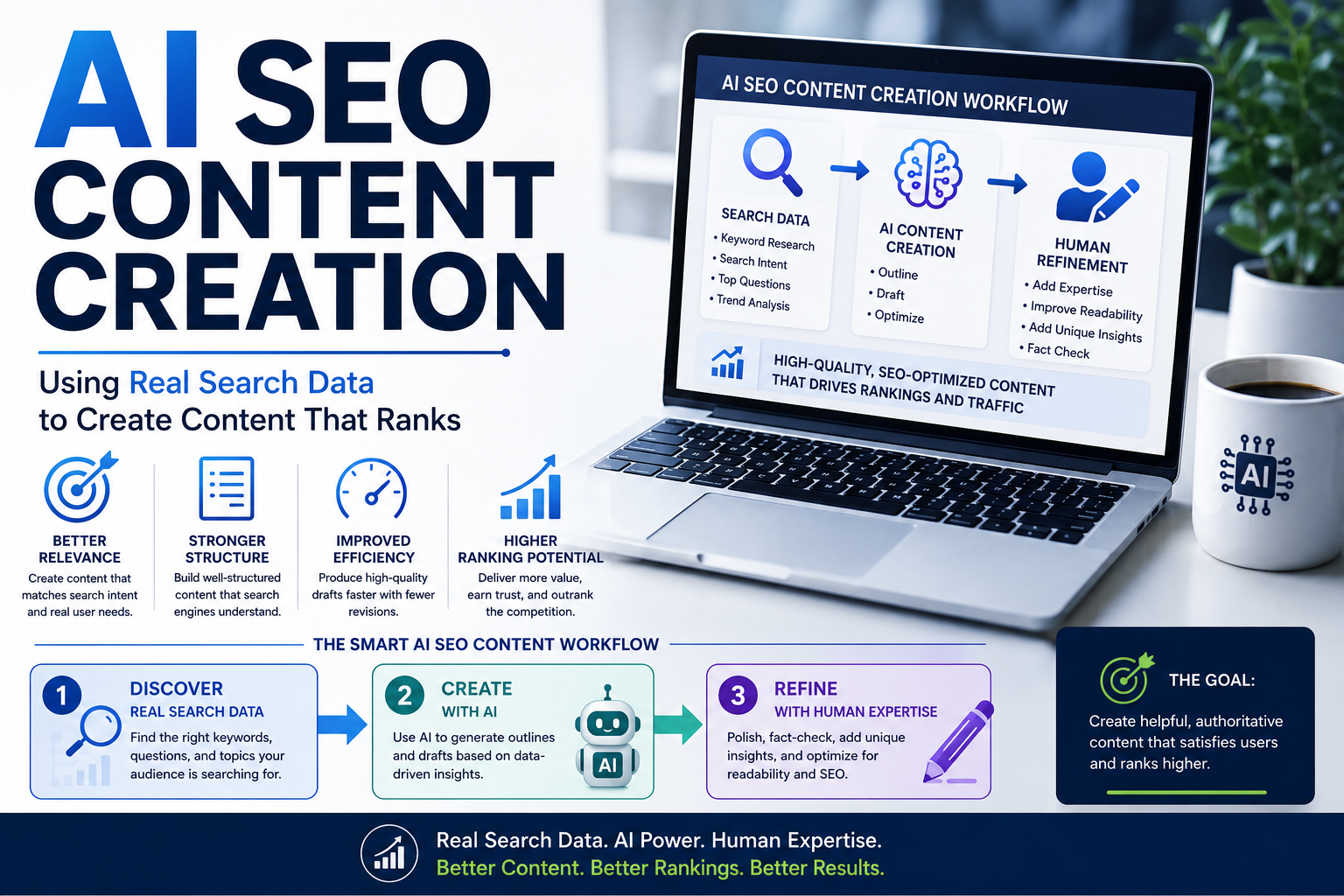
Building content that achieves high relevance scores requires attention to several interconnected components. Each element contributes to the overall semantic signal that AI algorithms use to evaluate your content.
Entity Optimization and Knowledge Graph Alignment
Entities are distinct concepts, people, places, or things that the search engine recognizes. In the context of AI SEO content relevance, entities include Google, BERT, RankBrain, natural language processing, semantic search, and content optimization. Your content should naturally reference these entities in a way that aligns with their established relationships in the Knowledge Graph.
When you mention “BERT,” the AI expects to see connections to “Google algorithm,” “natural language understanding,” and “search ranking.” Building these entity relationships within your content strengthens the overall relevance signal. This is why well-researched, expert-level content naturally performs better—it inherently includes the correct entity relationships that the AI expects.
Contextual Keyword Placement
While exact-match keywords are no longer the primary ranking factor, their strategic placement still matters for AI SEO content relevance. Keywords in title tags, H1 headings, and the first paragraph help the algorithm quickly identify your content’s primary topic. However, the surrounding context is equally important. The words and phrases around your target keyword provide the semantic clues that help the AI understand the specific meaning and intent.
For example, placing “AI SEO content relevance” in a sentence about “improving organic visibility through machine learning” provides different context than placing it in a sentence about “the history of search algorithms.” Both are valid, but they signal different aspects of the topic. The most effective content incorporates the keyword in multiple contexts throughout the article, each adding a new dimension to the semantic understanding.
Content Structure and Readability Signals
AI algorithms also evaluate the structural organization of your content as a relevance signal. Well-structured content with clear headings, logical paragraph flow, and appropriate use of lists and tables signals to the AI that the content is professionally organized and easy to consume. This structural analysis is part of the overall quality assessment that contributes to AI SEO content relevance.
Readability metrics, including sentence length, paragraph complexity, and vocabulary level, are also evaluated. Content that is too dense or overly simplistic may be flagged as low quality. The optimal approach is clear, accessible language that still demonstrates subject matter expertise. This balance signals to the AI that the content is both authoritative and user-friendly.
Benefits of Optimizing for AI SEO Content Relevance
Investing in AI-driven relevance optimization yields substantial benefits that extend beyond simple ranking improvements. Understanding these advantages helps justify the strategic shift from traditional SEO tactics.
Improved Search Visibility Across Query Variations
Content that achieves high AI SEO content relevance ranks for the target keyword and a wide range of related queries. Because the AI understands the semantic relationships within your content, it can match your page to queries that use different vocabulary but express the same intent. This expands your organic visibility without requiring separate pages for every keyword variation.
For instance, content optimized for “AI SEO content relevance” may also rank for “machine learning content optimization,” “semantic SEO strategies,” and “how AI affects content ranking.” This expanded visibility represents significant organic traffic growth without additional content creation costs.
Resilience to Algorithm Updates
Search algorithms are constantly evolving, but the fundamental principle of relevance remains constant. Content that genuinely addresses user intent and demonstrates topical authority will continue to perform well regardless of specific algorithm changes. AI SEO content relevance focuses on the underlying factors that have remained consistent across algorithm updates, providing a stable foundation for long-term ranking success.
Pages that rely on outdated tactics like keyword stuffing or exact-match domains are vulnerable to algorithm penalties. In contrast, relevance-optimized content maintains its rankings because it provides genuine value that aligns with the core mission of search engines: delivering the best possible answers to user queries.
Enhanced User Engagement Metrics
Content that achieves high relevance naturally generates better user engagement. When visitors find content that precisely answers their questions, they stay longer, read more pages, and are more likely to convert. These positive engagement signals—dwell time, low bounce rate, and return visits—are themselves used by AI algorithms as additional relevance indicators.
This creates a virtuous cycle: relevant content attracts engaged users, engagement signals boost relevance scores, and higher relevance leads to better rankings, which attracts even more users. Optimizing for AI SEO content relevance is therefore an investment in the entire ecosystem of your online presence.
Practical Strategies for Improving AI SEO Content Relevance
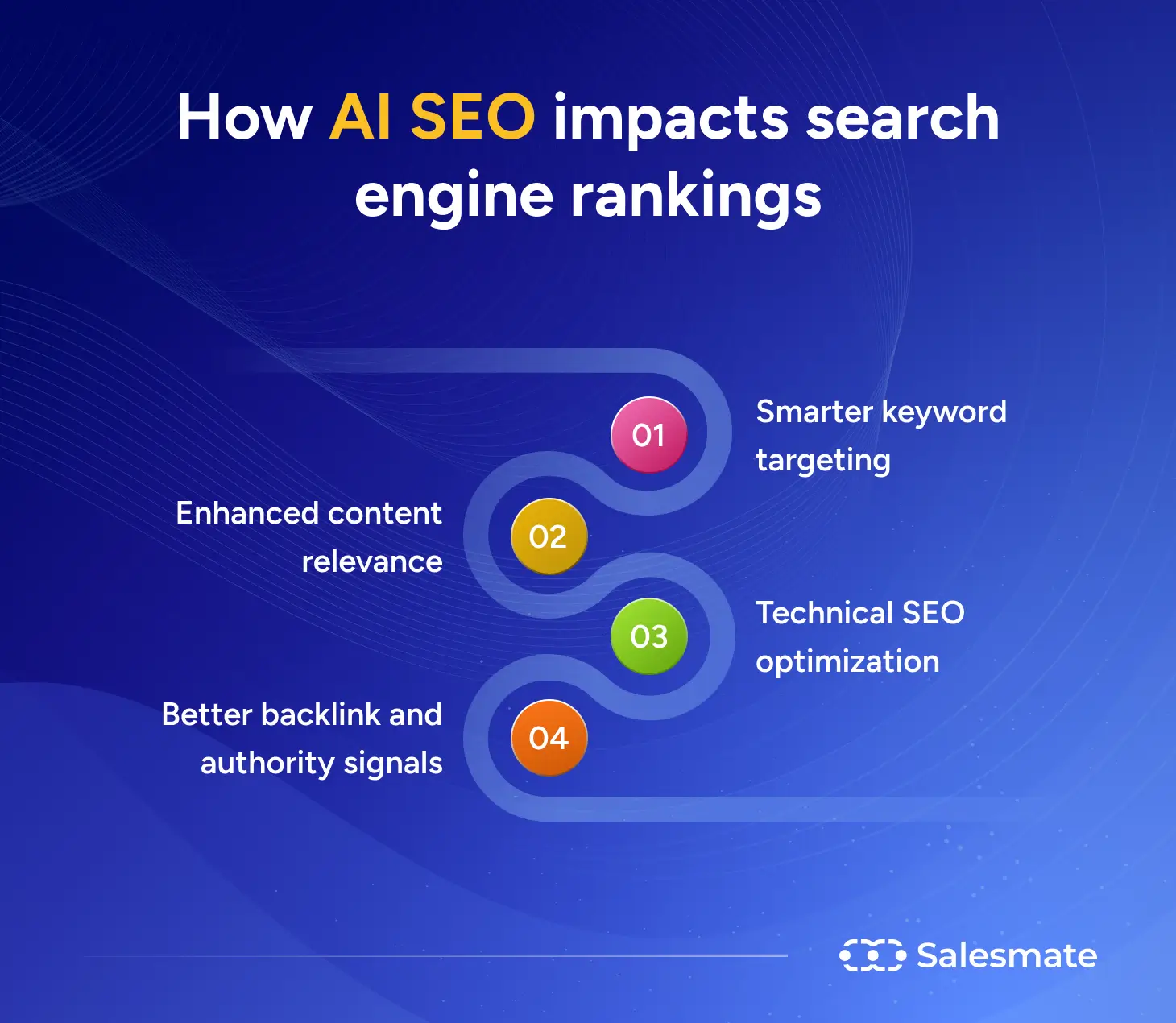
Translating the theory of AI-driven relevance into actionable content strategies requires a systematic approach. The following methods have proven effective for improving content alignment with machine learning algorithms.
Conduct Comprehensive Topic Research
Before writing, research the full landscape of your target topic. Identify the entities, subtopics, and related concepts that authoritative sources consistently address. Analyze the top-ranking pages for your target keyword to understand what the AI currently considers relevant. This research forms the blueprint for your content structure.
Use AI-powered SEO tools that provide semantic analysis and related keyword suggestions. These tools leverage the same natural language processing technology used by search engines, giving you insight into the semantic relationships the AI expects. Tools like Clearscope, Surfer SEO, and MarketMuse provide relevance scores and content briefs based on AI analysis of top-ranking pages.
Structure Content Around Semantic Entities
Organize your content to naturally incorporate the entities and subtopics identified during research. Each major section should address a distinct aspect of the topic while maintaining clear connections to the overall theme. This structure helps the AI map your content to the broader knowledge graph, strengthening the relevance signal.
For AI SEO content relevance, a well-structured article might include sections on the technology behind AI content evaluation, practical optimization techniques, measurement approaches, and future trends. Each section should reference related entities and concepts, creating a dense web of semantic relationships that mirrors how the AI itself organizes information.
Write for Humans First, Algorithms Second
The most effective approach to AI SEO content relevance is to write naturally for human readers while keeping algorithmic requirements in mind. Content that reads naturally, provides genuine value, and demonstrates expertise will inherently contain the semantic signals that AI algorithms seek. Forcing keywords or artificially inserting related terms creates awkward content that both users and algorithms can detect.
Focus on answering the questions your target audience actually asks. Use the language and terminology that your audience uses, as this naturally aligns with the semantic patterns the AI recognizes. Incorporate examples, data, and practical applications that demonstrate real-world understanding of the topic.
Common Mistakes in AI SEO Content Relevance Optimization
Even experienced content creators make errors when adapting to AI-driven relevance evaluation. Recognizing these common pitfalls helps you avoid them in your own content strategy.
Over-Optimization and Keyword Cannibalization
One of the most frequent mistakes is over-optimizing content with excessive keyword variations and related terms. This creates unnatural content that triggers quality flags in AI algorithms. Similarly, creating multiple pages targeting the same semantic topic causes keyword cannibalization, where your own pages compete against each other and dilute the relevance signals.
The solution is to create comprehensive, authoritative pages that cover a broad topic cluster rather than fragmenting content across multiple thin pages. Each page should have a distinct focus while linking to related content to build topical authority.
Ignoring Search Intent Variations
Another common error is assuming that all queries containing the same keyword share the same intent. AI SEO content relevance requires matching the specific intent behind each query variation. A query like “AI SEO content relevance definition” seeks a different content type than “AI SEO content relevance tools.” Creating content that tries to satisfy multiple intents often fails to fully satisfy any of them.
Analyze the search engine results page for your target keyword to understand what content type currently ranks. Match your content format—whether that is a listicle, guide, comparison, or tutorial—to the dominant format in the results. This alignment signals to the AI that your content matches user expectations.
Neglecting Content Freshness and Updates
AI algorithms evaluate content freshness as a relevance signal, particularly for topics that evolve rapidly. AI SEO content relevance is not a one-time optimization but an ongoing process. Content that was relevant six months ago may no longer align with current algorithmic understanding or user expectations.
Regularly audit your content to identify pages that need updates. Refresh statistics, add new examples, and incorporate emerging subtopics. This ongoing maintenance signals to the AI that your content remains current and authoritative.
Measuring AI SEO Content Relevance

Quantifying the relevance of your content helps you identify improvement opportunities and track progress over time. Several metrics and tools provide insight into how well your content aligns with AI expectations.
Key Performance Indicators
Track the following metrics to evaluate AI SEO content relevance:
Improvements in these metrics indicate that your content is becoming more aligned with AI relevance evaluation. Declines signal the need for content optimization.
AI-Powered Content Analysis Tools
Several platforms provide direct measurement of content relevance using AI technology. These tools compare your content against top-ranking pages and provide actionable recommendations for improvement.
| Tool | Key Features | Best For |
|---|---|---|
| Clearscope | Content grading, keyword recommendations, readability analysis | Comprehensive content optimization |
| Surfer SEO | Real-time content editor, SERP analysis, structure suggestions | On-page optimization at scale |
| MarketMuse | Topical authority scoring, content inventory, competitive analysis | Enterprise content strategy |
| Frase | AI content briefs, SERP question extraction, outline generation | Research and content planning |
These tools provide a quantitative relevance score that helps you benchmark your content against competitors and identify specific areas for improvement.
Frequently Asked Questions About AI SEO Content Relevance
What is the difference between traditional SEO and AI SEO content relevance?
Traditional SEO focused on optimizing for exact-match keywords, meta tags, and backlinks to signal relevance to search engines. AI SEO content relevance shifts the focus to semantic understanding, where algorithms use natural language processing to evaluate the meaning and context of content. Instead of counting keyword occurrences, AI evaluates whether content genuinely addresses the user’s intent and covers the topic comprehensively through related entities and concepts.
How does Google use AI to determine content relevance?
Google uses several AI systems, including RankBrain, BERT, and MUM, to understand queries and evaluate content. These systems convert text into mathematical representations that capture meaning, allowing the algorithm to match content to queries based on semantic similarity rather than exact word matches. The AI also analyzes entity relationships, topical depth, and user engagement signals to determine how relevant a piece of content is to a given query.
Can AI SEO content relevance be measured?
Yes, AI SEO content relevance can be measured through a combination of ranking performance, engagement metrics, and specialized SEO tools. Tools like Clearscope and Surfer SEO provide relevance scores by comparing your content against top-ranking pages. Additionally, monitoring organic traffic, keyword rankings, and user engagement metrics provides indirect measurement of how well your content aligns with AI relevance evaluation.
How often should I update content to maintain AI SEO content relevance?
The frequency of content updates depends on the topic’s volatility. Fast-moving topics like technology and digital marketing may require updates every few months, while evergreen topics may remain relevant for years. Conduct quarterly content audits to identify pages with declining traffic or rankings, and prioritize updates for pages that target commercially valuable keywords or serve as cornerstone content for your topical authority.
Does AI SEO content relevance replace the need for backlinks?
No, backlinks remain an important ranking factor, but their role has evolved. AI SEO content relevance focuses on the on-page signals that determine whether content matches user intent. Backlinks serve as external validation of content quality and authority. The most effective SEO strategy combines high-relevance content with a strong backlink profile, as both signals work together to establish topical authority.
Important Notes for Implementing AI SEO Content Relevance
Successfully implementing AI SEO content relevance requires a strategic approach that considers the broader context of your SEO efforts. Keep the following considerations in mind as you develop your content strategy.
First, AI SEO content relevance is not a standalone tactic but part of a comprehensive SEO framework. Technical SEO, site architecture, page speed, and mobile optimization all contribute to how effectively the AI can crawl, index, and evaluate your content. Ensure that your technical foundation supports your relevance optimization efforts.
Second, prioritize quality over quantity. A single comprehensive, highly relevant piece of content outperforms multiple thin, fragmented pieces. Invest in creating authoritative resources that thoroughly address your target topics, and update them regularly to maintain relevance.
Third, align your content strategy with your business goals. Relevance optimization should focus on topics that attract your target audience and drive conversions, not just topics that are easy to rank for. The most relevant content is content that serves both user needs and business objectives.
Finally, stay informed about AI developments in search. The technology behind AI SEO content relevance continues to evolve, and staying current with algorithm updates and industry research helps you adapt your strategy proactively rather than reactively.
Conclusion
AI SEO content relevance represents the fundamental shift in how search engines evaluate and rank content. The era of keyword stuffing and exact-match optimization has given way to a sophisticated system that understands meaning, context, and user intent. By embracing this new paradigm, content creators can build sustainable organic visibility that withstands algorithm updates and delivers genuine value to users.
The strategies outlined in this guide—conducting comprehensive topic research, structuring content around semantic entities, writing naturally for human readers, and continuously measuring and optimizing relevance—provide a practical framework for success. As AI technology continues to advance, the importance of content relevance will only grow. Organizations that invest in understanding and implementing AI SEO content relevance today will be well-positioned to maintain competitive advantage in the search landscape of tomorrow.
The key takeaway is simple: focus on creating content that genuinely answers questions, demonstrates expertise, and provides comprehensive coverage of your topic. When you prioritize relevance for humans, the AI algorithms will recognize and reward your content accordingly. This alignment between user value and algorithmic evaluation is the essence of AI SEO content relevance and the foundation of lasting search success.
Xem thêm:
- WP Trove AI Templates: The Complete Guide to Smarter WordPress Design
- AI SEO n8n Automation: The Complete Workflow Guide for 2025
- Mastering the AI Content Calendar: Automate, Optimize, and Scale Your Publishing Strategy
- AI SEO Contextual Search: The Complete Guide to Ranking in the New Search Era
- AI SEO Contextual Internal Links: The Complete Guide to Smarter Site Architecture
Bài viết cùng chủ đề:

AI SEO SEO Automation with Make: The Complete Workflow Guide

AI SEO SEO Automation with Zapier: The Complete Workflow Guide

AI SEO SEO Automation with n8n: The Complete Workflow Guide
AI SEO SEO Automation with Gemini: The Complete Guide to Scaling Organic Growth

AI SEO SEO Automation with Claude: The Complete Guide to Scaling Content in 2025

AI SEO SEO Automation with ChatGPT: The Complete Playbook for 2025

AI SEO & SEO Automation for Affiliate Sites: The 2025 Playbook for Passive Income Growth
AI SEO & SEO Automation for Bloggers: The Complete Guide to Scaling Your Content

AI SEO & SEO Automation for Agencies: The Complete 2025 Playbook

AI SEO and SEO Automation for Ecommerce: The Complete Playbook for 2025

AI SEO & SEO Automation for WordPress: The Complete Playbook for 2025
AI SEO SEO Automation Strategy: The Complete Playbook for 2025

Mastering the AI SEO SEO Automation Process: A Complete Guide to Scaling Organic Growth
AI SEO SEO Automation System: The Complete Guide to Scaling Organic Growth in 2025
AI SEO SEO Automation Platform: The Complete Guide to Scaling Organic Growth in 2025
AI SEO SEO Automation Software: The Complete Guide to Scaling Organic Growth in 2025















