
No products in the cart.
AI SEO Contextual Keywords: The Complete Guide to Smarter Search Rankings
10
Aug
Aug
Search engine optimization has evolved far beyond simple keyword matching. The rise of artificial intelligence in search algorithms has fundamentally changed how Google and other engines interpret content. AI SEO contextual keywords represent the new frontier—a method that focuses on the meaning, relationships, and intent behind search queries rather than just the literal terms. This guide explains what contextual keywords are, why they matter for modern SEO, and how to implement a strategy that aligns with AI-driven ranking systems.
What Are AI SEO Contextual Keywords?
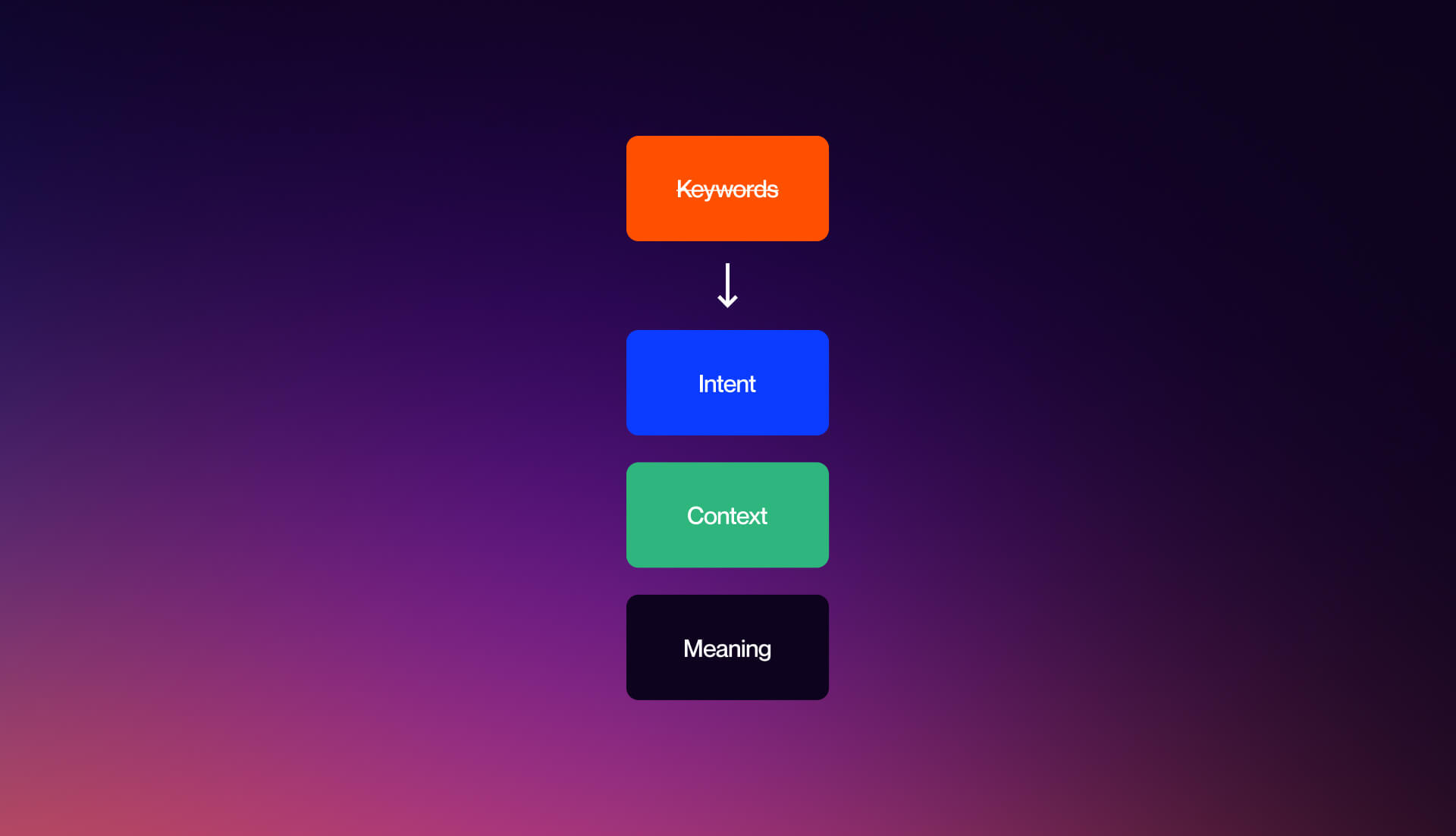
AI SEO contextual keywords are terms and phrases that provide semantic meaning to a piece of content based on the surrounding text, user intent, and topical relationships. Unlike traditional keywords that target exact-match phrases, contextual keywords help search engines understand the broader theme of your content. For example, an article about “apple” could relate to fruit, technology, or the record label. Contextual keywords clarify which meaning applies.
Artificial intelligence models like Google’s BERT and MUM analyze entire sentences and paragraphs to grasp context. They look at how words connect to each other, what entities are mentioned, and what questions the content answers. This means your content must include related concepts, synonyms, and supporting terms that reinforce the main topic. A page optimized for “best running shoes” should naturally include words like “cushioning,” “arch support,” “trail running,” “marathon training,” and “foot strike pattern.”
How AI Search Algorithms Process Contextual Keywords
Modern search engines use neural networks and natural language processing (NLP) to evaluate content. These systems break down text into tokens, analyze word relationships, and build a semantic map of your page. The algorithm checks whether your content covers the full scope of a topic, not just a single phrase. This process involves several key components.
Entity Recognition and Semantic Relationships
AI systems identify entities—people, places, products, concepts—and determine how they relate to each other. When your content mentions “climate change,” the algorithm looks for associated entities like “carbon emissions,” “renewable energy,” “IPCC reports,” and “global temperature rise.” Including these related entities signals that your content genuinely addresses the topic from multiple angles.
Intent Matching Through Context
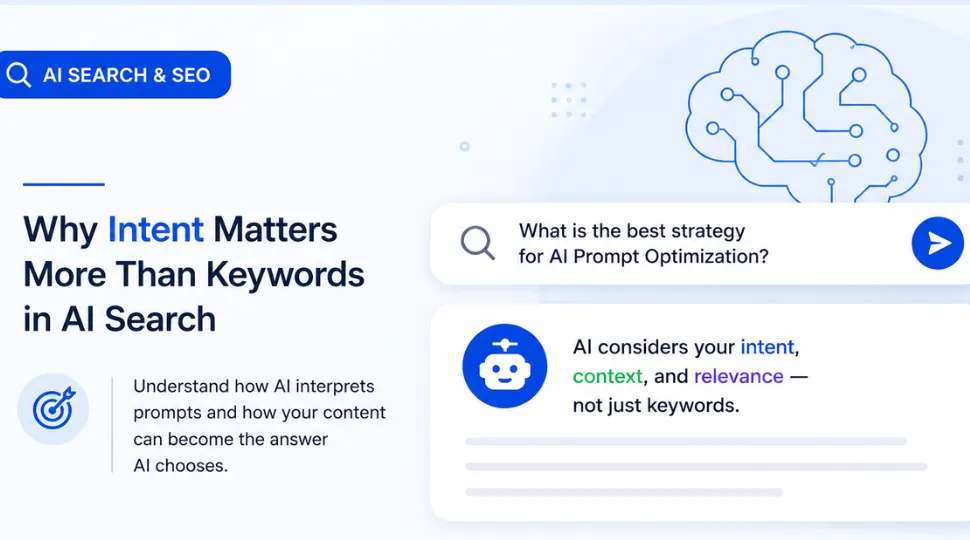
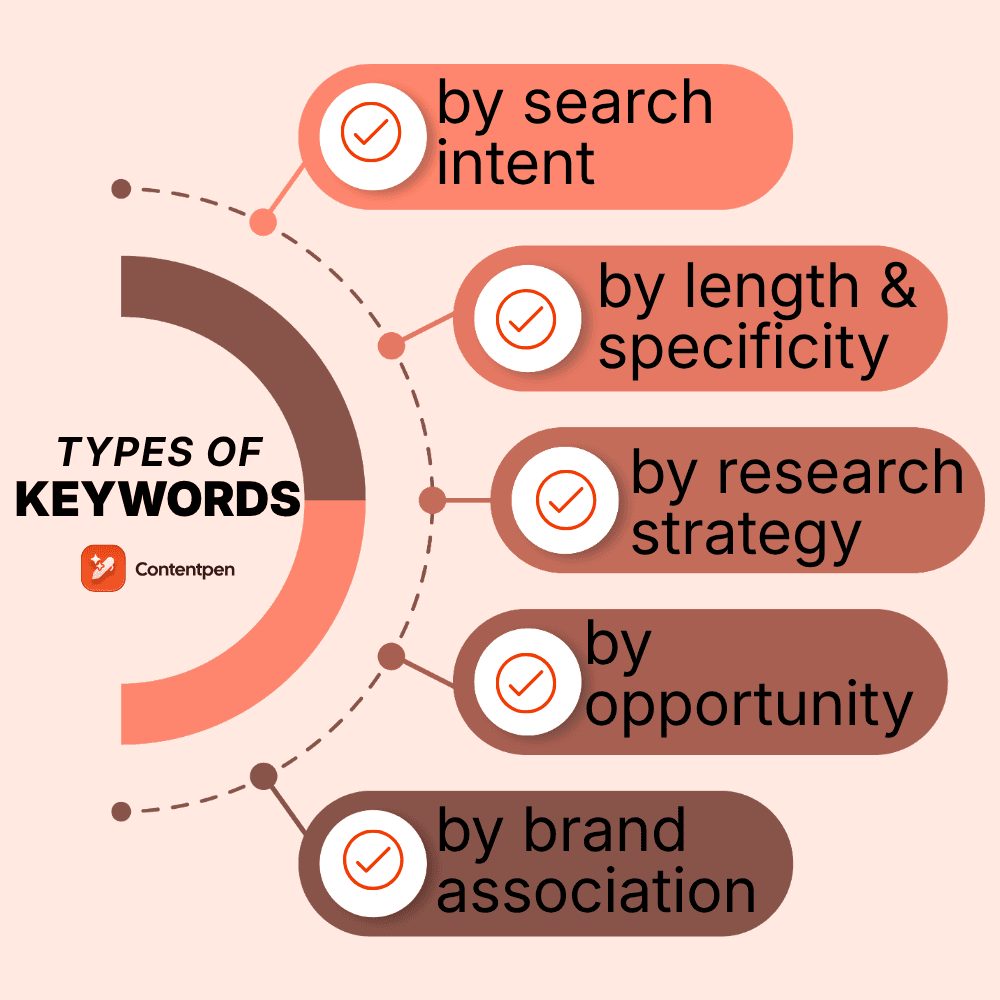
Search intent falls into four main categories: informational, navigational, commercial, and transactional. AI algorithms use contextual clues to determine which intent a query represents. A search for “how to tie a tie” has informational intent, while “buy silk tie online” has transactional intent. Your content must match the intent by providing the right type of information—tutorials for informational queries, product comparisons for commercial queries, and checkout options for transactional queries.
Latent Semantic Indexing and Co-Occurrence
Latent Semantic Indexing (LSI) is an older concept, but its principles still apply. Search engines look for words that frequently appear together in high-quality content about a specific topic. If your page about “keto diet” includes terms like “macros,” “ketosis,” “fat adaptation,” and “electrolytes,” the algorithm recognizes these as supporting concepts that strengthen topical authority.
Why Contextual Keywords Matter for AI-Driven SEO
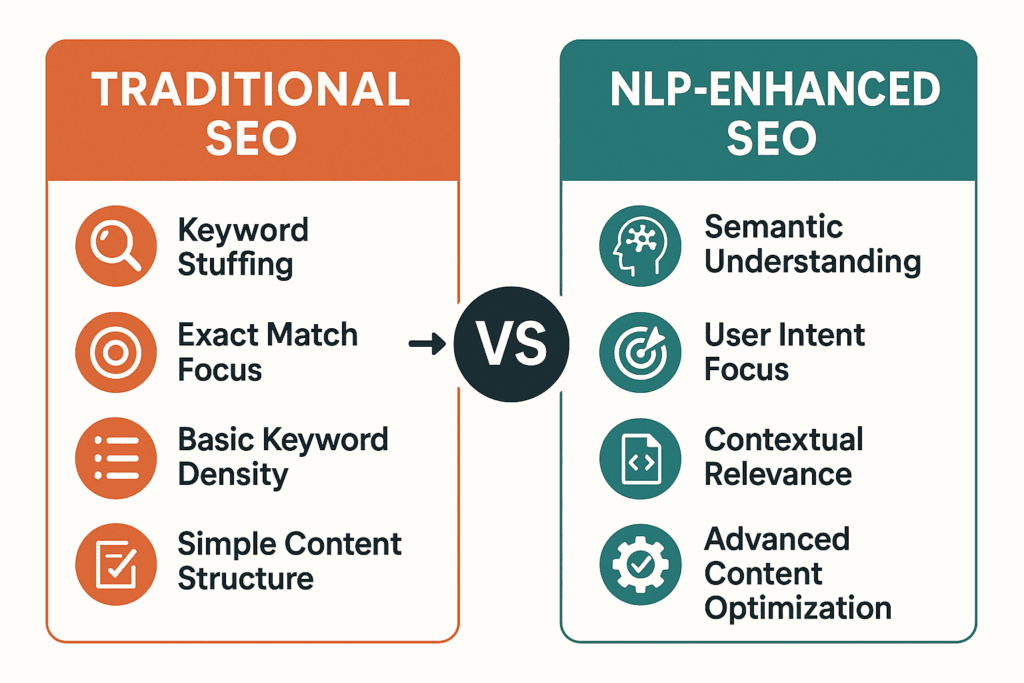
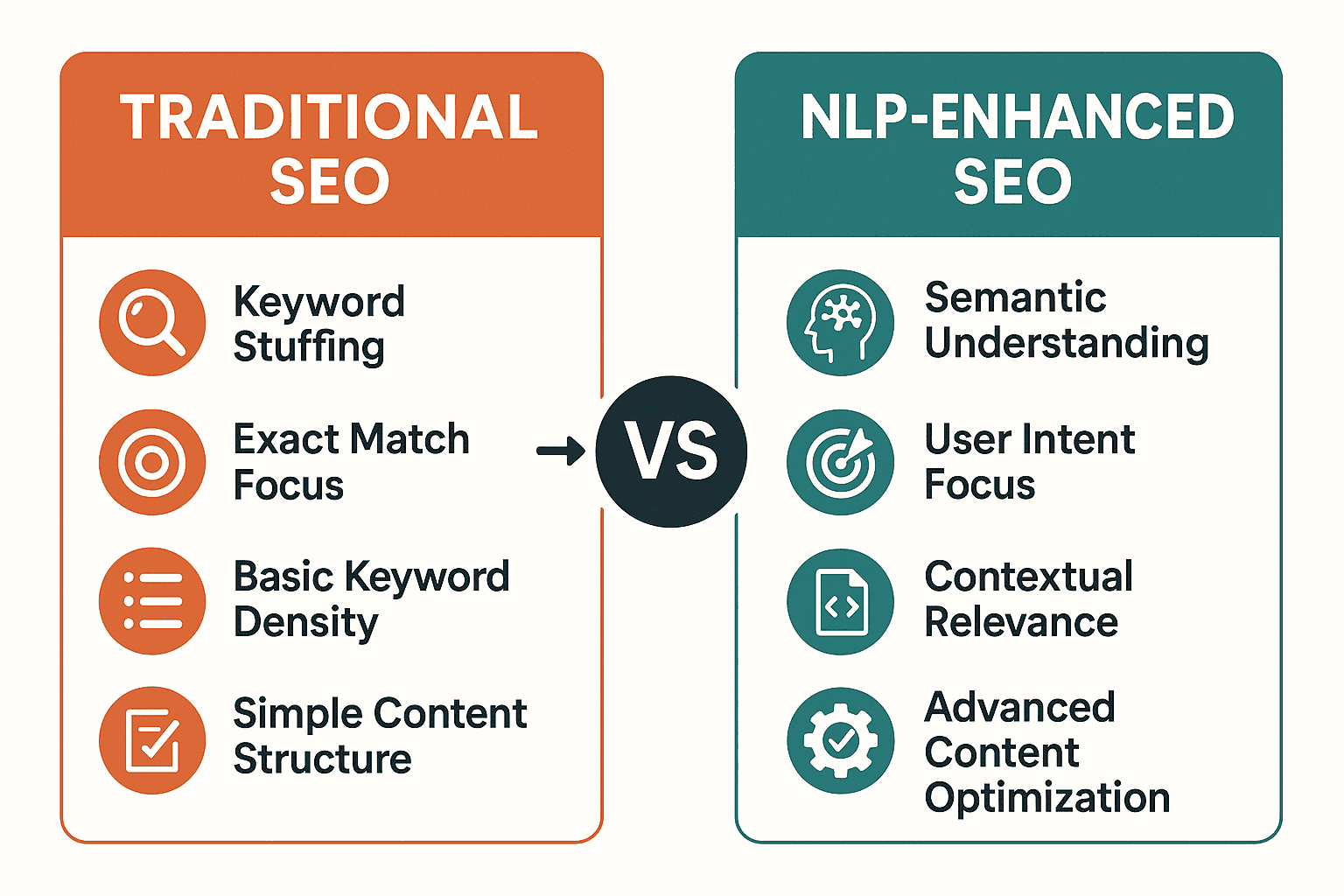
Traditional SEO focused on exact-match keywords and density percentages. That approach no longer works because AI algorithms can detect keyword stuffing and thin content. Contextual keywords offer several distinct advantages that align with how modern search engines operate.
Improved Relevance Signals
When your content includes contextual keywords, you send stronger relevance signals to search engines. The algorithm sees that your page covers a topic comprehensively, which increases the likelihood of ranking for both the primary keyword and related long-tail variations. A page that naturally discusses “vegan protein sources” alongside “plant-based diet” and “amino acid profile” will rank for multiple related queries.
Protection Against Algorithm Updates
Google releases core updates multiple times per year, and these updates increasingly target content quality and relevance. Pages built around contextual keywords tend to survive these updates because they provide genuine value rather than gaming the system. The content remains useful regardless of how the algorithm changes.
Better User Engagement Metrics
Content that uses contextual keywords naturally reads better and keeps users engaged. When visitors find exactly what they need, they stay longer, click through to other pages, and return to your site. These engagement signals—dwell time, bounce rate, and repeat visits—feed back into the algorithm and boost your rankings further.
How to Identify AI SEO Contextual Keywords for Your Content
Finding the right contextual keywords requires a systematic approach. You cannot simply guess which related terms to include. Several research methods and tools can help you build a comprehensive contextual keyword list.
Analyze Search Engine Results Pages (SERPs)
Search for your primary keyword and examine the top-ranking pages. Look at the subtopics they cover, the headings they use, and the related questions they answer. Google’s “People Also Ask” box provides a goldmine of contextual keywords. The “Related Searches” section at the bottom of the SERP also reveals terms that users associate with your main topic.
Use AI-Powered Keyword Research Tools
Tools like Clearscope, Surfer SEO, and MarketMuse use AI to analyze top-ranking content and suggest contextual keywords. These tools scan thousands of pages to identify terms that correlate with high rankings. They provide a content score that shows how well your page covers the topic compared to competitors. These platforms also recommend content structure, including which headings to use and how many words to write.
Mine Customer Reviews and Forum Discussions
Real users often use different language than SEO professionals. Browse Amazon reviews, Reddit threads, Quora answers, and industry forums to see how people talk about your topic. The specific problems, concerns, and terminology they use become valuable contextual keywords. For example, if you sell camping gear, forum users might mention “bear canister storage” or “rainfly setup” — terms you would not find in a standard keyword tool.
Leverage Google Autocomplete and Related Searches
Type your primary keyword into Google and note the autocomplete suggestions. These reflect real search queries from users. Scroll to the bottom of the results page to see related searches. Both sources provide contextual keywords that have proven search volume and relevance.
Practical Implementation: Structuring Content with Contextual Keywords
Knowing which contextual keywords to use is only half the battle. You must integrate them naturally into your content structure. The placement and frequency of these terms affect how well the algorithm understands your page.
Optimize Title Tags and Meta Descriptions
Your title tag should contain the primary keyword and one or two contextual keywords. This signals relevance to both users and search engines. The meta description should expand on the context, using natural language that includes related terms. For example, a title like “Best Hiking Boots for Women: Waterproof Options for Trail and Mountain” includes the primary keyword “hiking boots” and contextual terms “waterproof,” “trail,” and “mountain.”
Use Headings to Create Topical Structure
Your H2 and H3 headings should reflect the subtopics that contextual keywords represent. Each heading should address a specific aspect of the main topic. This creates a logical hierarchy that AI algorithms can parse. A page about “email marketing” might have headings like “Email Automation Workflows,” “Deliverability Best Practices,” “Subject Line Testing,” and “Segmentation Strategies.”
Write Naturally with Semantic Variations
Avoid repeating the exact same keyword phrase throughout your content. Instead, use synonyms, related terms, and natural variations. If your primary keyword is “digital marketing,” you can also use “online marketing,” “internet advertising,” “digital promotion,” and “web marketing.” This variety helps the algorithm understand the full scope of your topic without triggering keyword-stuffing penalties.
Include Contextual Keywords in Image Alt Text and URLs
Search engines cannot interpret images without descriptive alt text. Use contextual keywords in your image descriptions to reinforce the topic. Similarly, your URL structure should include the primary keyword and possibly a contextual modifier. A URL like /best-running-shoes-for-marathon-training provides more context than /product123.
Common Mistakes When Using AI SEO Contextual Keywords
Many content creators make errors when trying to implement contextual keyword strategies. These mistakes can hurt your rankings and waste your efforts. Understanding these pitfalls helps you avoid them.
Keyword Stuffing in the Name of Context
Some writers overcorrect by cramming every related term into their content, creating unnatural, unreadable text. This approach backfires because AI algorithms detect the manipulation. Contextual keywords should flow naturally within the narrative, not appear as a forced list. If a sentence reads awkwardly because of keyword placement, rewrite it.
Ignoring Search Intent
Using the right contextual keywords for the wrong intent will not help you rank. If your primary keyword has commercial intent but your content is purely informational, the algorithm will not consider your page relevant. Always match your content type to the intent behind the search query.
Focusing Only on Primary Keywords
Some SEO professionals spend all their time optimizing for the main keyword and neglect long-tail contextual variations. Long-tail keywords often have lower competition and higher conversion rates. A page that ranks for “best budget espresso machine” might also rank for “affordable espresso machine under $300” if the content includes that contextual phrase.
Copying Competitor Keyword Lists
Using the exact same contextual keywords as your competitors creates duplicate content signals. The algorithm may see your page as a copy rather than an original contribution. Use competitor analysis as a starting point, but add your own unique terms and perspectives based on your expertise and audience research.
Tools and Technologies for Contextual Keyword Optimization
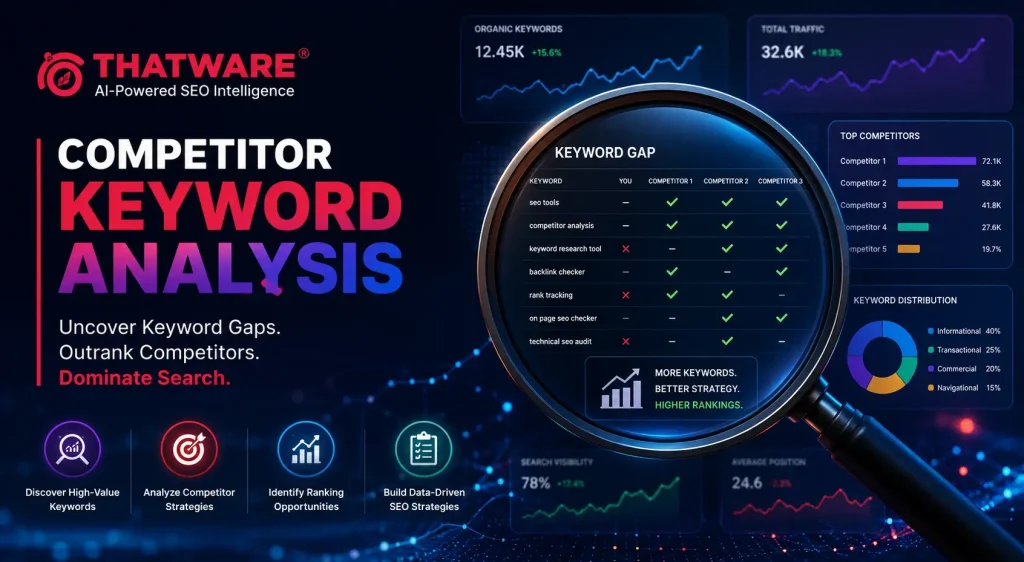
Several software solutions can streamline your contextual keyword research and implementation. These tools range from free browser extensions to enterprise-level platforms.
| Tool | Primary Function | Best For |
|---|---|---|
| Clearscope | Content optimization with AI-driven keyword suggestions | In-depth articles and blog posts |
| Surfer SEO | SERP analysis and content scoring | On-page optimization at scale |
| MarketMuse | Topical authority mapping | Content clusters and pillar pages |
| Google NLP API | Entity and sentiment analysis | Technical SEO teams |
| Ahrefs | Keyword research and SERP analysis | Comprehensive SEO campaigns |
| Semrush | Keyword gap analysis and topic research | Competitive intelligence |
These tools provide data-driven insights that reduce guesswork. However, they cannot replace human judgment. You still need to understand your audience, your industry, and the nuances of your topic to select the right contextual keywords.
Measuring the Impact of Contextual Keywords on SEO Performance
Tracking the effectiveness of your contextual keyword strategy requires monitoring several metrics. You need to know whether your efforts are translating into better rankings and more traffic.
Keyword Position Tracking
Monitor your rankings for both the primary keyword and the contextual keywords you targeted. Use tools like Google Search Console or third-party rank trackers to see how your positions change over time. A successful strategy will show improvement across multiple related terms, not just the main keyword.
Organic Traffic Analysis
Check your organic traffic in Google Analytics. Look for increases in pages per session and average session duration. These metrics indicate that users find your content valuable and engaging. Also, monitor the number of keywords your page ranks for—a well-optimized page should rank for hundreds of long-tail variations.
Conversion Rate Tracking
Ultimately, SEO exists to drive business results. Track how many visitors from organic search complete desired actions—making a purchase, filling out a form, or subscribing to a newsletter. Contextual keywords that attract the right audience will show higher conversion rates than generic traffic.
Future Trends in AI SEO Contextual Keywords
The field of AI-driven search is evolving rapidly. Staying ahead of these trends helps you future-proof your SEO strategy.
Generative Engine Optimization (GEO)
With the rise of AI chatbots like ChatGPT and Google’s Bard, users increasingly get answers directly from generative engines. These systems pull information from multiple sources and synthesize it into a response. To appear in these answers, your content must be structured in a way that AI can easily extract and cite. Clear headings, concise paragraphs, and well-defined entities all help.
Multimodal Search
Google’s MUM model processes text, images, video, and audio simultaneously. This means your content should include multimedia elements that reinforce your contextual keywords. A video transcript, an infographic with descriptive alt text, and a podcast episode all contribute to a richer contextual understanding.
Personalized Search Context
Search engines increasingly personalize results based on user location, search history, and device. Contextual keywords must account for these variations. A user in New York searching for “best pizza” has different intent than a user in Chicago. Local modifiers and regional terminology become important contextual signals.
Frequently Asked Questions About AI SEO Contextual Keywords
What is the difference between LSI keywords and AI SEO contextual keywords?
LSI keywords are a precursor concept based on latent semantic analysis, which looks at word co-occurrence patterns. AI SEO contextual keywords go further by considering user intent, entity relationships, and the overall meaning of the content. Modern AI algorithms like BERT and MUM process entire sentences and paragraphs, not just individual words, to understand context.
How many contextual keywords should I use in an article?
T The right amount depends on the length and depth of your content. A 2,000-word article might naturally include 15 to 30 contextual keywords. The key is to use them naturally and meaningfully. If a term does not fit the flow of your writing, do not force it in.
Can I use AI tools to generate contextual keywords automatically?
Yes, several AI-powered tools can generate contextual keyword suggestions. However, you should always review and filter these suggestions. AI tools may suggest terms that are not relevant to your specific audience or that do not match your brand voice. Human oversight remains essential for quality control.
Do contextual keywords help with voice search optimization?
Absolutely. Voice search queries are typically longer and more conversational than typed queries. Users ask questions like “what is the best way to remove red wine stains?” rather than typing “red wine stain remover.” Contextual keywords that mirror natural speech patterns help your content match these voice queries.
How long does it take to see results from contextual keyword optimization?
SEO is a long-term strategy. You may see initial ranking improvements within a few weeks, but significant results typically take three to six months. The timeline depends on your domain authority, competition level, and content quality. Consistency is more important than speed.
Conclusion
AI SEO contextual keywords represent a fundamental shift in how search engines evaluate content. The days of exact-match keyword stuffing are over. Modern algorithms demand content that demonstrates genuine understanding of a topic through related terms, semantic relationships, and clear user intent. By implementing a contextual keyword strategy, you create content that serves both search engines and human readers effectively.
The process requires careful research, thoughtful content structuring, and continuous measurement. Tools like Clearscope and Surfer SEO can accelerate your efforts, but they cannot replace your expertise and understanding of your audience. Focus on creating comprehensive, valuable content that naturally incorporates the language your users speak. As AI continues to evolve, this approach will only become more important for achieving and maintaining high search rankings.
Xem thêm:
- AI Image SEO: The Definitive Guide to Ranking AI-Generated Visuals
- AI SEO People Also Ask Generator: The Complete Guide to Unlocking PAA Insights
- AI Content vs Human Content: Choosing the Right Approach for Trust, Engagement, and Search Rankings
- AI SEO Silo Structure: The Complete Guide to Building Topically Authoritative Websites
- AI SEO Trust Signals: The Complete Guide to Building Authority in the Age of Machine-Driven Search
Bài viết cùng chủ đề:

AI SEO SEO Automation with Make: The Complete Workflow Guide

AI SEO SEO Automation with Zapier: The Complete Workflow Guide

AI SEO SEO Automation with n8n: The Complete Workflow Guide
AI SEO SEO Automation with Gemini: The Complete Guide to Scaling Organic Growth

AI SEO SEO Automation with Claude: The Complete Guide to Scaling Content in 2025

AI SEO SEO Automation with ChatGPT: The Complete Playbook for 2025

AI SEO & SEO Automation for Affiliate Sites: The 2025 Playbook for Passive Income Growth
AI SEO & SEO Automation for Bloggers: The Complete Guide to Scaling Your Content

AI SEO & SEO Automation for Agencies: The Complete 2025 Playbook

AI SEO and SEO Automation for Ecommerce: The Complete Playbook for 2025

AI SEO & SEO Automation for WordPress: The Complete Playbook for 2025
AI SEO SEO Automation Strategy: The Complete Playbook for 2025

Mastering the AI SEO SEO Automation Process: A Complete Guide to Scaling Organic Growth
AI SEO SEO Automation System: The Complete Guide to Scaling Organic Growth in 2025
AI SEO SEO Automation Platform: The Complete Guide to Scaling Organic Growth in 2025
AI SEO SEO Automation Software: The Complete Guide to Scaling Organic Growth in 2025















