
No products in the cart.
AI SEO Conversational Search: The Complete Guide to Winning Voice and Chat Queries
10
Aug
Aug
The way people search the internet has fundamentally changed. Typing short, fragmented keywords into a search box is no longer the only method. Users now speak full questions to their phones, type natural sentences into chatbots, and expect direct, conversational answers. This shift is powered by artificial intelligence, creating a new landscape known as AI SEO Conversational Search. For businesses and content creators, understanding this evolution is no longer optional; it is essential for maintaining visibility and relevance in search engine results.
This comprehensive guide explores the mechanics of conversational search, its impact on traditional SEO, and actionable strategies to optimize your content for AI-driven platforms. From understanding natural language processing to structuring data for featured snippets, we will cover every critical aspect to ensure your brand thrives in this new era of discovery.
What is AI SEO Conversational Search?
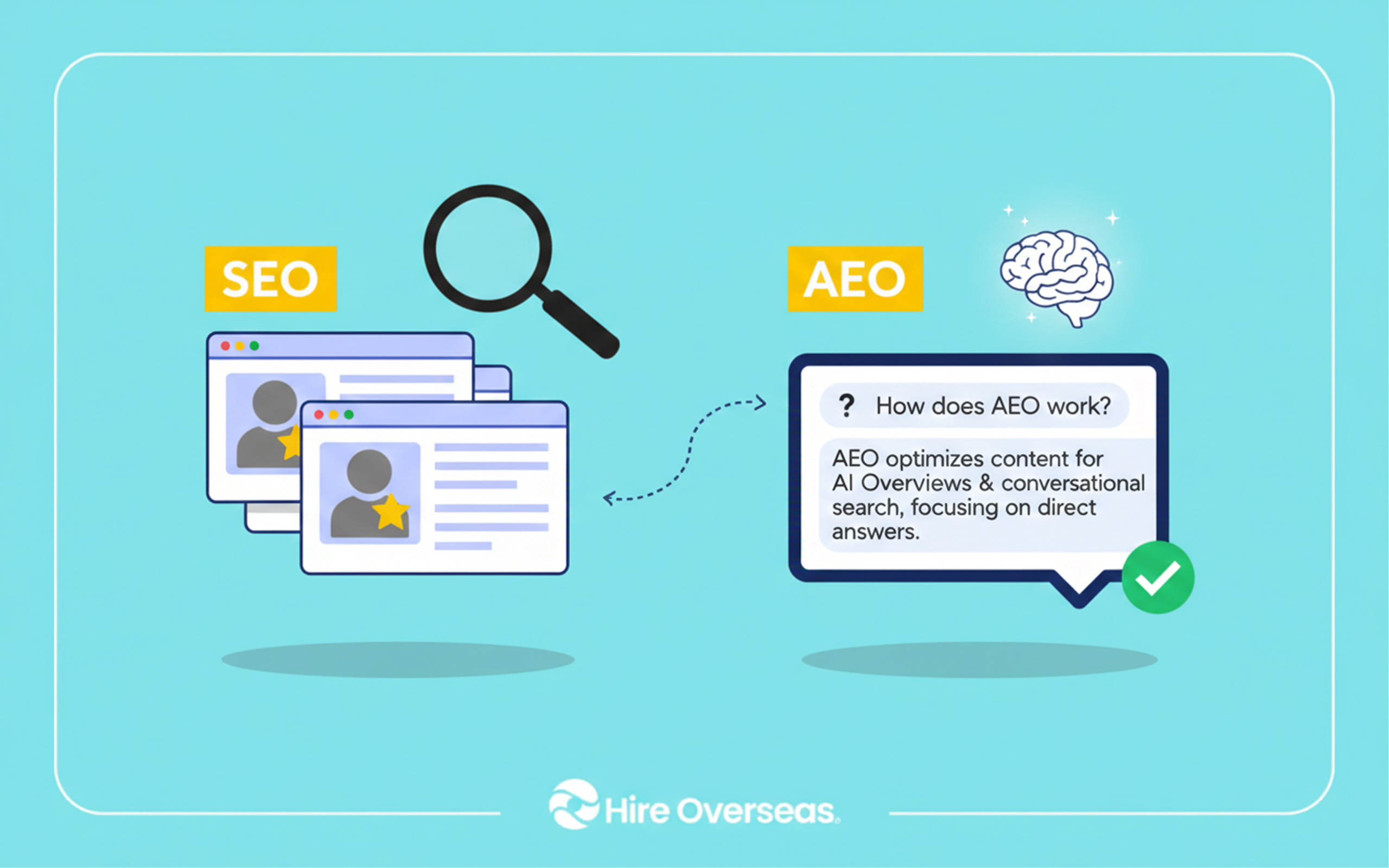
AI SEO Conversational Search refers to the optimization of digital content to rank and perform well in search environments where users interact using natural, full-sentence queries. Unlike traditional SEO, which focuses on matching keywords, conversational search focuses on understanding the intent and context behind a user’s question. It leverages artificial intelligence, machine learning, and natural language processing (NLP) to interpret human language as it is actually spoken or written in daily life.
This approach is driven by the rise of voice assistants like Siri, Alexa, and Google Assistant, as well as AI chatbots like ChatGPT and Google’s Bard. These platforms do not just look for keyword matches; they parse the entire query to understand the user’s goal. The result is a search experience that feels more like a dialogue than a database query. For SEO professionals, this means shifting from a “keyword-centric” mindset to an “intent-centric” strategy.
The Shift from Keywords to Entities and Intent
Traditional SEO relied heavily on exact-match keywords. If someone searched “best coffee shop,” a page with that exact phrase would likely rank well. Conversational search changes this dynamic. AI algorithms now use entity recognition to understand that “best coffee shop” might mean “highest-rated café near me” or “specialty coffee roaster.” The search engine now connects entities (people, places, things) and their relationships to deliver a more accurate answer.
Furthermore, the intent behind a query is now the primary ranking factor. Is the user looking to buy, to learn, or to find a specific location? AI SEO Conversational Search requires content to explicitly answer these questions. Content must be structured to provide immediate, clear answers that satisfy the user’s underlying need, not just a string of keywords.
Why Conversational Search is Critical for Modern SEO
The adoption of voice search and AI chat interfaces is growing exponentially. Statista data indicates that the number of digital voice assistants in use is projected to reach 8.4 billion units by 2024, surpassing the global population. This massive user base relies on conversational queries. If your website is not optimized for these queries, you are effectively invisible to a significant and growing segment of your potential audience.
Moreover, Google’s continuous algorithm updates, particularly the Helpful Content Update and the integration of AI into Search Generative Experience (SGE), prioritize content that is genuinely helpful and conversational. The search engine rewards content that answers questions directly and thoroughly. Websites that fail to adapt to this conversational paradigm will see their organic traffic decline as AI models favor more relevant, user-centric responses.
The Impact of Google SGE and AI Chatbots
Google’s Search Generative Experience (SGE) uses generative AI to provide an overview of a topic directly on the search results page. This means users often get their answer without clicking through to a website. Similarly, AI chatbots like ChatGPT provide synthesized answers from multiple sources. To appear in these AI-generated responses, your content must be the “source of truth” that these models reference. This requires high authority, clear formatting, and comprehensive coverage of the topic.
Optimizing for these platforms involves ensuring your content is easily parseable by AI. This means using clear headings, bullet points, and concise paragraphs. It also means building a strong topical authority so that AI models recognize your site as a reliable resource for specific subjects.
Key Components of Conversational Search Optimization

To succeed with AI SEO Conversational Search, you must focus on several technical and content-related components. These elements work together to signal to search engines and AI models that your content is the best answer to a user’s question.
Natural Language Processing (NLP) and Semantic Search
NLP is the technology that allows computers to understand, interpret, and manipulate human language. In the context of SEO, NLP helps search engines understand the context of words. For example, the word “apple” can refer to the fruit or the technology company. NLP uses semantic analysis to determine which meaning is correct based on the surrounding words in the query and the content.
To optimize for NLP, your content must use related terms and synonyms naturally. This is known as semantic SEO. Instead of repeating the exact keyword “AI SEO Conversational Search” multiple times, you should also use variations like “voice search optimization,” “natural language queries,” and “AI-driven search.” This helps search engines understand the depth and breadth of your content.
Structured Data and Schema Markup
Structured data, or schema markup, is code that you add to your website to help search engines understand the information on your pages. For conversational search, this is vital. By using schema for FAQs, How-To, and Q&A, you provide explicit signals to AI about the questions your content answers. This increases the likelihood of your content being used in rich results and AI-generated answers.
Implementing FAQ schema, for instance, allows search engines to directly pull your questions and answers into the search results. This not only improves visibility but also establishes your content as a direct answer to a specific conversational query.
Featured Snippets and Position Zero
Featured snippets, often called “Position Zero,” are the highlighted boxes that appear at the top of Google’s search results. They are designed to answer a user’s query immediately. For conversational search, winning a featured snippet is the ultimate goal. These snippets are often read aloud by voice assistants and are the primary source for AI chatbots.
To target featured snippets, structure your content to answer specific questions concisely. Use a clear question as an H2 or H3 heading, followed by a direct answer in a paragraph (usually 40-60 words) or a bulleted list. This format is highly favored by Google’s algorithms for extraction.
How to Optimize Content for AI SEO Conversational Search
Optimizing for conversational search requires a strategic overhaul of your content creation process. It is not just about adding a few long-tail keywords; it is about restructuring how you present information.
1. Focus on Long-Tail Keywords and Question-Based Queries
Conversational queries are typically longer and more specific than traditional searches. Instead of “best running shoes,” a user might ask, “What are the best running shoes for flat feet on a budget?” These long-tail keywords have lower search volume but much higher conversion rates because they capture users with specific intent.
Create content that directly addresses these questions. Use tools like “People Also Ask” and “AnswerThePublic” to find the exact questions your target audience is asking. Then, create dedicated sections or blog posts that answer these questions thoroughly.
2. Write in a Conversational Tone
Your content should sound like a helpful expert talking to a friend, not a textbook. Use “you” and “we” to create a connection. Break down complex ideas into simple, digestible chunks. Avoid jargon unless it is absolutely necessary, and always explain it when you use it. This style aligns with how users phrase their queries and how AI models are trained to understand helpful content.
3. Optimize for Voice Search
Voice search queries are often phrased as complete questions. When optimizing for voice, consider the local intent. Many voice searches are local, such as “W”
Also, focus on the “who, what, when, where, why, and how” of your topic. Voice search users are often looking for quick, factual answers. Provide these answers prominently at the beginning of your content.
4. Build Topical Authority
AI models and search engines favor websites that demonstrate deep knowledge on a subject. Instead of writing one-off articles on random topics, create comprehensive content clusters. Have a main “pillar” page that covers a broad topic and link it to multiple “cluster” pages that dive into specific subtopics. This internal linking structure signals to AI that you are an authority on the entire subject area.
Benefits and Limitations of Conversational Search Optimization

Adopting an AI SEO Conversational Search strategy offers significant advantages, but it also comes with challenges that need to be managed.
Key Benefits
- Higher Conversion Rates: Users who find your content through conversational search are often further down the sales funnel, leading to better engagement and conversions.
- Improved User Experience: Content optimized for conversation is easier to read and more helpful, reducing bounce rates and increasing time on page.
- Future-Proofing: As AI continues to evolve, content that is structured for conversational queries will remain relevant and visible.
- Enhanced Brand Authority: Being the source of answers for AI chatbots positions your brand as a thought leader in your industry.
- Loss of Direct Traffic: With AI providing answers directly in search results, users may not click through to your website, reducing direct traffic metrics.
- Increased Competition: The focus on intent means you are competing not just with other websites, but with AI-generated summaries that aggregate information.
- Complexity: Implementing schema markup and creating comprehensive content clusters requires more time and technical expertise than traditional SEO.
- E-E-A-T is Non-Negotiable: Experience, Expertise, Authoritativeness, and Trustworthiness are the pillars of ranking. Showcase author bios, cite credible sources, and keep your information up-to-date.
- Multimodal Search is Rising: Users are searching with images and videos. Optimize your visual content with descriptive alt text and transcripts for video to capture this traffic.
- Local SEO is Paramount: A huge percentage of conversational searches are local. Ensure your NAP (Name, Address, Phone Number) is consistent across the web.
- Privacy and Data: As AI becomes more personalized, respecting user privacy is critical. Focus on first-party data and building a community around your brand.
Potential Limitations
Comparison: Traditional SEO vs. AI SEO Conversational Search
Understanding the differences between these two approaches is crucial for allocating resources effectively. The table below highlights the key distinctions.
| Feature | Traditional SEO | AI SEO Conversational Search |
|---|---|---|
| Query Type | Short, fragmented keywords (e.g., “best laptop”) | Long-tail, full-sentence questions (e.g., “What is the best laptop for video editing under $1000?”) |
| Primary Focus | Keyword density and backlinks | User intent and semantic relevance |
| Content Style | Formal, structured for bots | Conversational, structured for users and AI |
| Optimization Target | Ranking in the classic blue links | Winning featured snippets and AI citations |
| Technology Used | Basic crawlers and indexers | NLP, Machine Learning, and Entity Recognition |
| User Experience | Often requires clicking through multiple pages | Immediate answers provided directly |
Practical Guide: Implementing a Conversational Search Strategy
Step 1: Audit Your Current Content
Review your existing content to identify gaps. Are you answering the “why” and “how” questions? Use analytics to see which pages have high impressions but low click-through rates. These are pages where you might be losing to featured snippets or AI summaries. Rewrite these pages to provide more direct, concise answers at the top.
Step 2: Conduct Conversational Keyword Research
Move beyond standard keyword tools. Use social listening, customer support tickets, and forums like Reddit and Quora to find the exact language your customers use. Compile a list of questions and use them as the foundation for your content calendar.
Step 3: Restructure Your Content Layout
Adopt an inverted pyramid style. Put the conclusion and the direct answer first. Then, provide the supporting details. Use H2 and H3 tags to break the content into logical, scannable sections. Ensure every H2 or H3 can stand alone as a potential featured snippet.
Step 4: Implement Technical SEO Enhancements
Add FAQPage and HowTo schema to your pages. Ensure your site is mobile-friendly and loads quickly, as voice search is predominantly mobile. Secure your site with HTTPS to build trust with both users and AI algorithms.
Step 5: Monitor and Adapt
Track your rankings for question-based queries. Use tools to see if you are appearing in “People Also Ask” boxes. Monitor your performance in AI chatbots by manually testing queries related to your niche. Adapt your strategy based on what you find.
Common Mistakes and How to Avoid Them
Many businesses make critical errors when trying to optimize for conversational search. Being aware of these pitfalls can save you time and resources.
Ignoring the “Zero-Click” Search
Many marketers panic when they see traffic drop due to AI overviews. The mistake is trying to hide content or block AI. Instead, focus on brand visibility. If your brand is cited in the AI answer, that is a win. Ensure your brand name and unique value proposition are clear in the content so users remember you even without clicking.
Keyword Stuffing in a Conversational Format
Trying to force the exact keyword “AI SEO Conversational Search” into every sentence will ruin the readability and trigger AI filters. Use the keyword naturally in the title, first paragraph, and one or two subheadings. Use synonyms and related phrases throughout the rest of the text.
Neglecting User Intent for AI Algorithms
Some SEOs write content specifically to trick AI, creating content that is technically correct but useless to humans. This is a losing strategy. AI models are trained to detect and demote low-quality, automated content. Always write for the human first. If a human finds it helpful, A
Important Notes for Long-Term Success
AI SEO Conversational Search is not a one-time fix. It requires continuous adaptation. Here are some crucial notes to keep in mind.
Frequently Asked Questions (FAQ)
What is the difference between voice search and conversational search?
Voice search refers to the method of input (speaking instead of typing). Conversational search refers to the style of the query (full sentences and questions). While they often overlap, conversational search can also happen through text in chatbots. AI SEO Conversational Search encompasses both, focusing on the natural language aspect of the query.
How does AI SEO Conversational Search affect keyword research?
It shifts the focus from high-volume, short keywords to long-tail, question-based phrases. Keyword research now involves understanding the context and intent behind queries, often using tools that analyze “People Also Ask” and social media discussions to find natural language patterns.
Will AI replace traditional search engines?
No, but it will change how they function. Traditional search engines are integrating AI to provide more direct answers. The goal is not to replace the search engine but to make it more efficient. Websites must adapt to appear in these new AI-driven results, which is the core of AI SEO Conversational Search.
How can I measure the ROI of conversational search optimization?
Measuring ROI is different from traditional SEO. Look at metrics like brand mentions in AI responses, impressions in “People Also Ask” boxes, and direct traffic from voice assistants. Track conversions from users who visit your site after interacting with a featured snippet or AI overview.
Is structured data necessary for conversational search?
While not strictly mandatory, structured data (schema markup) is highly recommended. It provides explicit signals to search engines about the meaning of your content. It significantly increases your chances of being featured in rich results and AI-generated answers, making it a critical component of a successful strategy.
Conclusion
The era of typing fragmented keywords into a search bar is fading. AI SEO Conversational Search represents the new standard for digital discovery, driven by the need for immediate, accurate, and natural answers. By focusing on user intent, leveraging natural language processing, and structuring content for AI readability, businesses can secure their place in this evolving landscape.
The transition requires a shift in mindset from “ranking for keywords” to “providing answers.” The brands that succeed will be those that embrace transparency, build topical authority, and genuinely help their audience. As AI technology continues to advance, the principles of conversational search will only become more deeply integrated into the fabric of the internet. Start optimizing today to ensure your content remains the answer to your customers’ questions tomorrow.
Xem thêm:
- AI SEO Keyword Grouping Tool: The Complete Guide to Smarter Content Clusters
- The Ultimate AI SEO Workflow for SaaS: Scale Organic Growth with Intelligent Automation
- AI SEO AI Mention Tracking: The Complete Guide to Monitoring Brand Visibility in the Age of Generative Search
- AI SEO Bing Webmaster Tools: The Complete Guide to Smarter Search Optimization
- AI Outline Generator: The Complete Guide to Structuring Content in Seconds
Bài viết cùng chủ đề:

AI SEO SEO Automation with Make: The Complete Workflow Guide

AI SEO SEO Automation with Zapier: The Complete Workflow Guide

AI SEO SEO Automation with n8n: The Complete Workflow Guide
AI SEO SEO Automation with Gemini: The Complete Guide to Scaling Organic Growth

AI SEO SEO Automation with Claude: The Complete Guide to Scaling Content in 2025

AI SEO SEO Automation with ChatGPT: The Complete Playbook for 2025

AI SEO & SEO Automation for Affiliate Sites: The 2025 Playbook for Passive Income Growth
AI SEO & SEO Automation for Bloggers: The Complete Guide to Scaling Your Content

AI SEO & SEO Automation for Agencies: The Complete 2025 Playbook

AI SEO and SEO Automation for Ecommerce: The Complete Playbook for 2025

AI SEO & SEO Automation for WordPress: The Complete Playbook for 2025
AI SEO SEO Automation Strategy: The Complete Playbook for 2025

Mastering the AI SEO SEO Automation Process: A Complete Guide to Scaling Organic Growth
AI SEO SEO Automation System: The Complete Guide to Scaling Organic Growth in 2025
AI SEO SEO Automation Platform: The Complete Guide to Scaling Organic Growth in 2025
AI SEO SEO Automation Software: The Complete Guide to Scaling Organic Growth in 2025















