
No products in the cart.
AI SEO Cornerstone Content: The Complete Playbook for Dominating Search Rankings

31
Jul
Jul
Search engine optimization has undergone a seismic shift. The days of churning out thin, keyword-stuffed blog posts are long gone. Today, the most successful digital strategies hinge on creating comprehensive, authoritative resources that answer user intent with unmatched depth. This is where AI SEO cornerstone content enters the picture. By leveraging artificial intelligence to build and optimize these foundational pages, businesses can achieve sustainable organic growth, establish topical authority, and outperform competitors in an increasingly crowded digital landscape. This guide explores everything you need to know about using AI to create cornerstone content that ranks.
What is AI SEO Cornerstone Content?
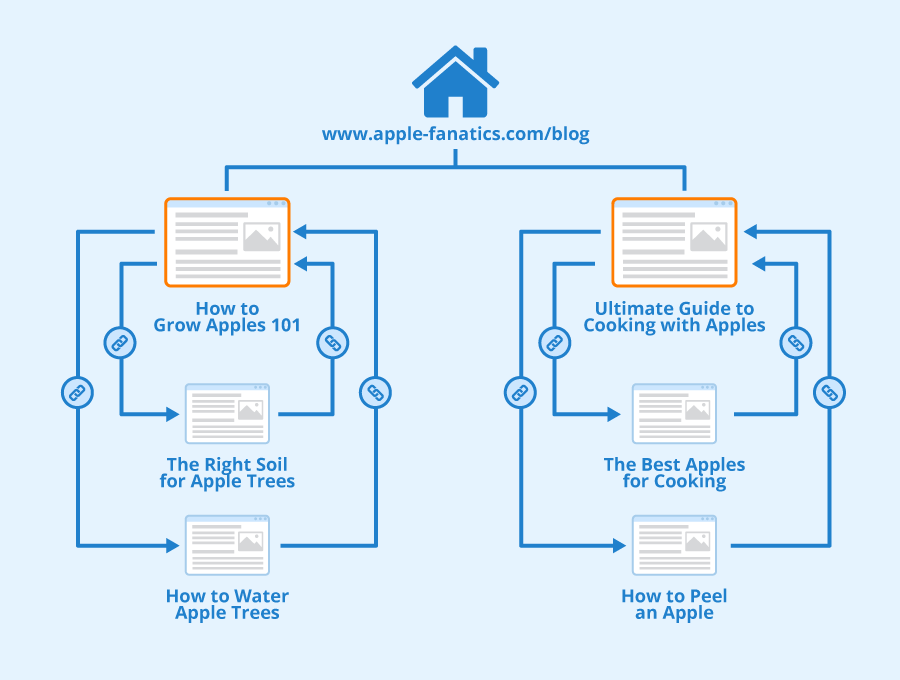
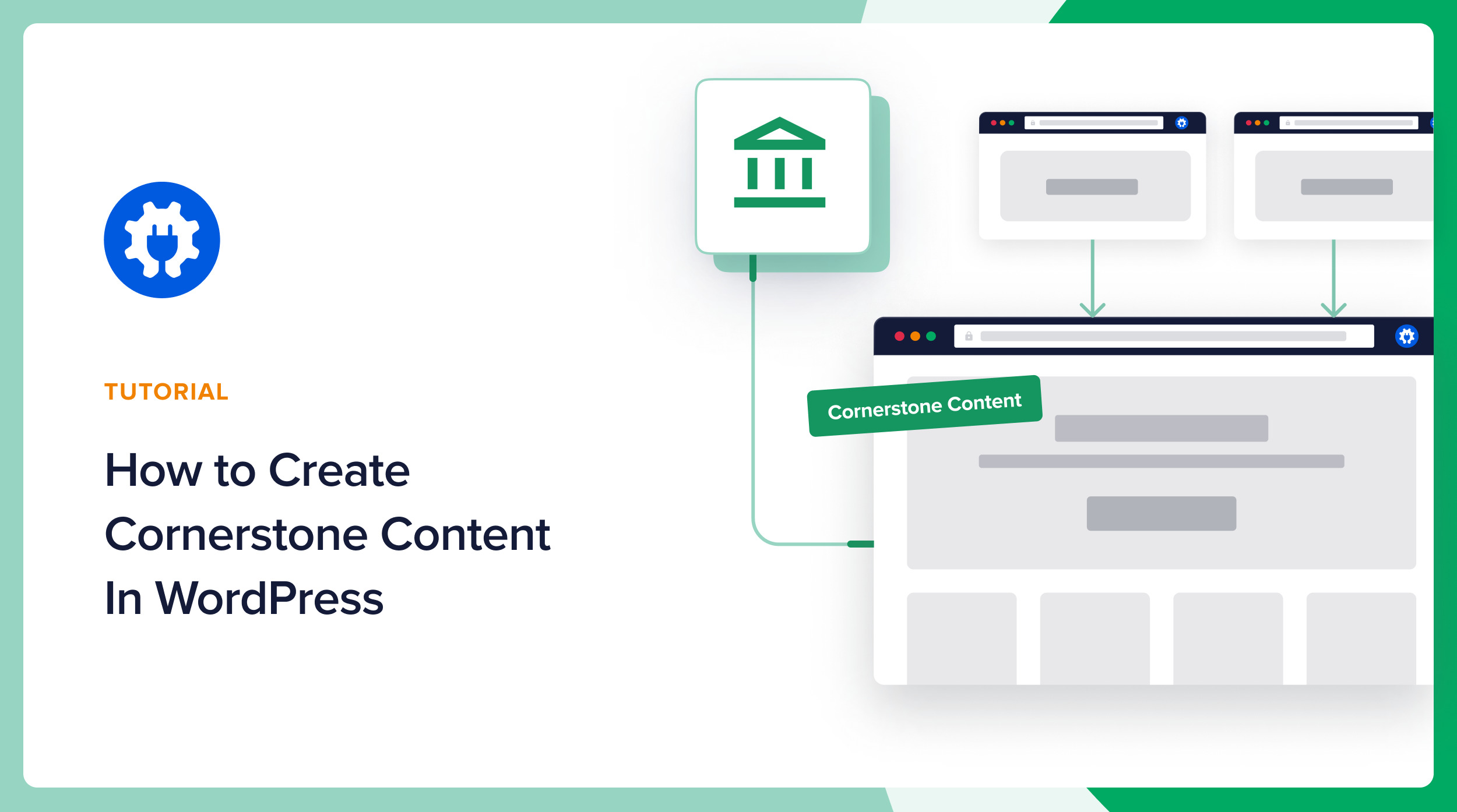
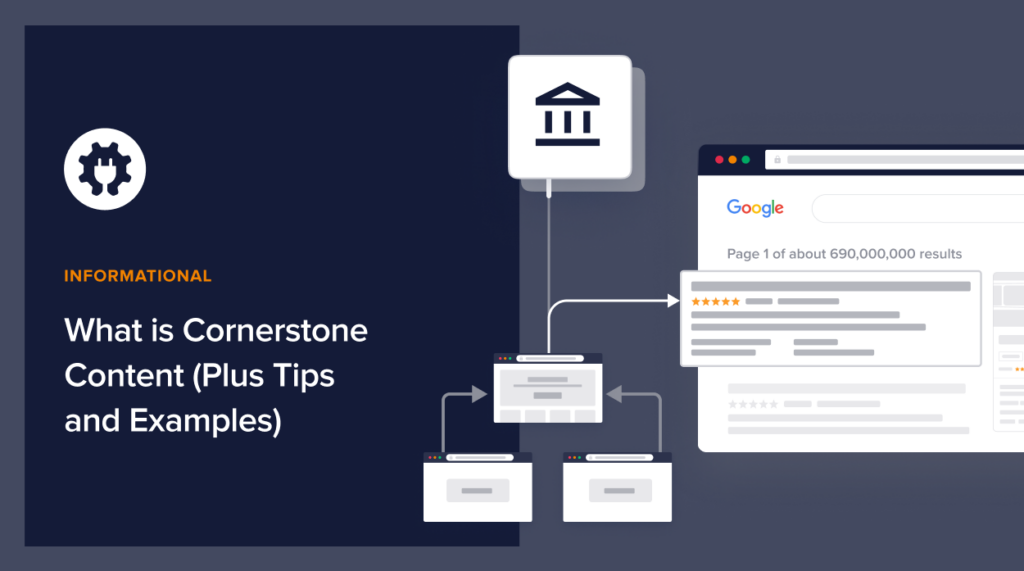
Cornerstone content, also known as pillar content, represents the most important articles on your website. These are comprehensive, long-form guides that cover a core topic in exhaustive detail. They serve as the central hub for a specific subject cluster, with internal links pointing to and from related, more specific blog posts. The goal is to create a resource so valuable that other websites naturally link to it, and search engines recognize it as the definitive answer for that topic.
AI SEO cornerstone content takes this concept and supercharges it with machine learning and natural language processing. Instead of relying solely on human research and writing, you use AI tools to analyze search intent, identify semantic gaps, generate outlines, draft sections, and optimize for on-page elements. The AI doesn’t replace the human editor; it acts as a powerful research assistant and drafting partner, enabling you to produce more thorough, data-backed content at scale.
The Evolution from Traditional Pillar Pages to AI-Driven Hubs
Traditional cornerstone pages were static, manually researched, and often took weeks to produce. They required a deep understanding of SEO, a knack for writing, and hours of keyword research. AI-driven hubs, however, are dynamic. They can be updated in real-time based on new search data, competitor analysis, and user behavior. AI can process millions of search queries to uncover the exact questions your audience is asking, then structure your content to answer those questions directly, increasing the likelihood of earning featured snippets and rich results.
Why AI is a Game-Changer for Cornerstone Content Creation
Creating a 3,000-word cornerstone article manually is a monumental task. It involves keyword research, competitor analysis, outline creation, drafting, editing, and internal linking. AI accelerates every step of this workflow. It can scan the top 10 search results for your target keyword and instantly generate a content brief that includes the subtopics, questions, and entities those pages cover. This ensures your content is not only comprehensive but also directly aligned with what Google deems relevant.
Furthermore, AI excels at identifying latent semantic indexing (LSI) keywords. These are terms and phrases conceptually related to your main topic. For example, a cornerstone piece on “keto diet” might need to cover “macros,” “ketosis,” “net carbs,” and “electrolyte imbalance.” AI can surface these terms automatically, ensuring your content covers the full breadth of the topic, which is a strong signal of topical authority to search engines.
The Core Components of an AI-Optimized Cornerstone Page

To build a cornerstone page that ranks, you need to structure it with specific components in mind. AI can help you optimize each of these elements for maximum impact.
Comprehensive Topic Coverage and Entity Optimization
Your cornerstone content must cover the topic from every conceivable angle. This includes definitions, history, types, benefits, drawbacks, step-by-step guides, and FAQs. AI tools can analyze the “People Also Ask” boxes and related searches on Google to identify the exact entities and subtopics you need to include. By mapping out these entities and weaving them naturally into your headings and body text, you create a semantic web that search engines can easily crawl and understand.
Strategic Internal Linking Architecture
A cornerstone page is useless without a proper internal linking strategy. It should link out to your cluster content (the more specific blog posts that dive deeper into subtopics), and those cluster posts should link back to the cornerstone. AI can analyze your existing site structure and suggest the most relevant anchor text and placement for these links, ensuring link equity flows efficiently throughout your site.
Structured Data and Schema Markup
To help search engines understand the context of your cornerstone content, you need to implement structured data. AI tools can generate the appropriate JSON-LD schema markup for your page, whether it’s an Article, FAQPage, HowTo, or a combination. This markup increases your chances of appearing in rich results, which significantly boosts click-through rates.
Benefits and Limitations of Using AI for Cornerstone Content
Like any technology, AI-powered content creation has its pros and cons. Understanding these will help you use the tools effectively without falling into common traps.
The Advantages of an AI-Assisted Workflow
- Speed and Efficiency: AI can produce a detailed outline and first draft in minutes, reducing production time from weeks to days.
- Data-Driven Insights: AI analyzes real-time search data, giving you insights into user intent that manual research might miss.
- Scalability: You can use AI to create multiple cornerstone pages for different topics simultaneously, accelerating your content strategy.
- Consistency: AI ensures your content maintains a consistent tone, style, and structure across all your pillar pages.
- Gap Analysis: AI can compare your content against top-ranking competitors and highlight missing sections or keywords.
- Lack of Originality: AI generates text based on existing data, so it can produce generic or repetitive content if not guided properly.
- Factual Errors: AI models can hallucinate or provide outdated information. Human fact-checking is non-negotiable.
- Missing Human Experience: AI cannot convey personal anecdotes, unique case studies, or the nuanced expertise that comes from real-world experience.
- Quality Control: AI-generated drafts often require significant editing to improve readability, flow, and engagement.
The Limitations and Risks to Watch Out For
AI SEO Cornerstone Content vs. Traditional Blog Posts
Understanding the difference between a cornerstone page and a regular blog post is crucial for your content strategy. They serve different purposes and require different approaches.
| Feature | AI SEO Cornerstone Content | Traditional Blog Post |
|---|---|---|
| Primary Goal | Establish topical authority and rank for broad, high-volume keywords. | Target long-tail keywords, answer specific questions, and drive targeted traffic. |
| Content Length | Typically 2,000 to 5,000+ words. | Usually 800 to 1,500 words. |
| Structure | Comprehensive guide with multiple H2/H3 sections, tables, and FAQs. | Focused article with a clear introduction, body, and conclusion. |
| Internal Linking | Links out to cluster content and serves as the central hub. | Links back to the cornerstone page and other related posts. |
| Update Frequency | Regularly updated to stay current and comprehensive. | May be updated occasionally, but not as frequently. |
| AI Usage | Used for deep research, entity mapping, and outline generation. | Used for quick drafts, meta descriptions, and title variations. |
Step-by-Step Guide to Creating AI SEO Cornerstone Content
Implementing this strategy requires a systematic approach.
Step 1: Select the Right Topic and Keyword
Your cornerstone topic should be broad enough to support a cluster of related articles but specific enough to be actionable. Use AI-powered keyword research tools to identify topics with high search volume, high relevance, and reasonable competition. Look for topics that align with your business goals and where you can provide unique value or insights.
Step 2: Conduct AI-Powered Competitor and SERP Analysis
Input your target keyword into an AI SEO tool. The tool will analyze the current top-ranking pages and provide a breakdown of their structure, word count, key subtopics, and backlink profile. This data is gold. It tells you exactly what you need to cover to be competitive. Look for gaps in the existing content—questions that aren’t answered, subtopics that are glossed over—and make those the focus of your unique value proposition.
Step 3: Generate a Comprehensive Content Outline
Using the data from your SERP analysis, instruct your AI tool to generate a detailed outline. This outline should include all the major H2 and H3 headings, a list of LSI keywords to incorporate, and suggested data points or statistics to include. Review this outline critically. Add your own expertise, remove irrelevant sections, and ensure the flow makes logical sense for the reader.
Step 4: Draft Content with AI Assistance
Now, use the AI to draft each section of your outline. Provide the AI with specific instructions for each section, including the key points to cover, the tone of voice, and any specific data you want to include. The goal is to generate a solid first draft that you can then refine. Do not copy-paste the AI output directly. Use it as a foundation to build upon with your own insights, examples, and analysis.
Step 5: Human Editing and Expertise Injection
This is the most critical step. You must edit the AI-generated draft to ensure accuracy, originality, and engagement. Add your personal experience, case studies, and unique perspectives. Break up long paragraphs, add visuals, and ensure the content flows naturally. Fact-check every statistic and claim. This is where you transform generic AI text into authoritative, E-E-A-T-compliant content that stands out from the competition.
Step 6: On-Page Optimization and Internal Linking
Optimize your title tag and meta description to include the main keyword and entice clicks. Use AI to generate multiple variations and A/B test them. Ensure your headings follow a logical hierarchy. Add internal links to your related cluster posts using descriptive anchor text. Finally, implement schema markup to help search engines understand your content structure.
Common Mistakes to Avoid When Using AI for Cornerstone Content
Many marketers fail to see results because they make critical errors in their AI workflow. Being aware of these pitfalls will save you time and resources.
Publishing Unedited AI Output
This is the number one mistake. Publishing raw AI text is a recipe for disaster. It often contains inaccuracies, lacks depth, and reads like a robot wrote it. Google’s algorithms are sophisticated enough to detect unhelpful, AI-generated content. Always treat AI as a starting point, not the final product. Your human expertise is the differentiator that adds value and builds trust.
Ignoring Search Intent
AI can generate content, but it doesn’t inherently understand the nuance of user intent. If your keyword has transactional intent (e.g., “best CRM software”), but you create a purely informational guide, you will fail to convert visitors. Use AI to analyze the SERP and determine the dominant intent type, then tailor your content to match that intent.
Keyword Stuffing and Over-Optimization
Just because AI can generate a list of LSI keywords doesn’t mean you should stuff them all into your content. Focus on writing naturally for the reader. Use keywords where they fit organically within the context. Over-optimization can trigger spam filters and harm your rankings.
Neglecting Content Refresh
Cornerstone content is not a “set it and forget it” asset. To maintain rankings, you must regularly update your pillar pages with new data, examples, and insights. AI can help you monitor when your content is becoming outdated and suggest updates based on new search trends.
Important Notes for Maximizing E-E-A-T with AI
Google’s Quality Rater Guidelines emphasize Experience, Expertise, Authoritativeness, and Trustworthiness (E-E-A-T). AI can help you build content that supports these principles, but it cannot replace them.
To demonstrate Experience, include specific examples from your own work or client results. To showcase Expertise, cite credible sources, link to authoritative websites, and ensure your facts are accurate. To build Authoritativeness, earn backlinks from reputable sites and encourage engagement on your content. To foster Trustworthiness, be transparent about your sources, include author bios, and ensure your website has a clear privacy policy and contact information. AI can help you draft the content, but only you can provide the real-world proof that you are a reliable source of information.
Frequently Asked Questions (FAQ)

How long should AI SEO cornerstone content be?
T The length should be dictated by the topic’s complexity and the need to fully answer user queries. Use AI to analyze the word count of top-ranking pages for your keyword to get a baseline, then aim to be more comprehensive and valuable than those pages.
Can Google detect AI-generated content?
Google’s focus is on content quality, not how it was produced. Their systems aim to reward helpful, original content regardless of whether a human or AI assisted in its creation. However, if AI content is unedited, spammy, or lacks value, it will likely be penalized. The key is to use AI as a tool to enhance human creativity and expertise, not to replace it.
What is the difference between cornerstone content and a blog post?
A cornerstone page is a comprehensive, authoritative resource that covers a broad topic in depth and serves as a hub for a content cluster. A blog post is typically shorter, focuses on a specific long-tail keyword or question, and links back to the cornerstone page. The cornerstone page is the foundation of your topical authority, while blog posts are the supporting pillars.
How often should I update my cornerstone content?
You should review and update your cornerstone content at least every 6 to 12 months. However, if you are in a fast-moving industry like technology or finance, you may need to update it more frequently. Monitor your search rankings and traffic. If you see a decline, it’s a sign that your content may be outdated and needs a refresh. AI can help you identify which sections need updating by comparing your content to current top-ranking pages.
What are the best AI tools for creating cornerstone content?
Several powerful tools can assist in this process. For research and SEO analysis, tools like Ahrefs, Semrush, and Surfer SEO offer AI-powered content briefs and gap analysis. For drafting and writing, tools like Jasper, Copy.ai, and ChatGPT are excellent for generating outlines and initial drafts. The best approach is to combine a research tool with a writing tool and apply rigorous human editing to the final output.
Conclusion
AI SEO cornerstone content represents the future of sustainable search engine optimization. By combining the analytical power of artificial intelligence with the irreplaceable value of human expertise, you can create authoritative resources that dominate search results, attract high-quality backlinks, and establish your brand as a thought leader. The process requires a strategic approach: thorough research, intelligent drafting, meticulous editing, and continuous optimization. Avoid the pitfalls of publishing raw AI output and neglecting user intent. Instead, embrace AI as a powerful assistant that amplifies your capabilities. When executed correctly, this strategy transforms your website into a valuable resource hub, driving consistent organic traffic and long-term business growth. The time to build your AI-powered cornerstone content is now.
Xem thêm:
- AI Broken Link Building: How Artificial Intelligence Transforms Dead Links Into High-Authority Backlinks
- AI SEO Keyword Data: The Complete Guide to Data-Driven Search Optimization
- AI SEO NeuronWriter: The Complete Guide to Data-Driven Content Optimization
- AI SEO Content Intelligence: The Complete Guide to Data-Driven Content That Ranks
- AI Digital PR: The Ultimate Guide to Automating and Amplifying Your Public Relations Strategy
Bài viết cùng chủ đề:

AI SEO SEO Automation with Make: The Complete Workflow Guide

AI SEO SEO Automation with Zapier: The Complete Workflow Guide

AI SEO SEO Automation with n8n: The Complete Workflow Guide
AI SEO SEO Automation with Gemini: The Complete Guide to Scaling Organic Growth

AI SEO SEO Automation with Claude: The Complete Guide to Scaling Content in 2025

AI SEO SEO Automation with ChatGPT: The Complete Playbook for 2025

AI SEO & SEO Automation for Affiliate Sites: The 2025 Playbook for Passive Income Growth
AI SEO & SEO Automation for Bloggers: The Complete Guide to Scaling Your Content

AI SEO & SEO Automation for Agencies: The Complete 2025 Playbook

AI SEO and SEO Automation for Ecommerce: The Complete Playbook for 2025

AI SEO & SEO Automation for WordPress: The Complete Playbook for 2025
AI SEO SEO Automation Strategy: The Complete Playbook for 2025

Mastering the AI SEO SEO Automation Process: A Complete Guide to Scaling Organic Growth
AI SEO SEO Automation System: The Complete Guide to Scaling Organic Growth in 2025
AI SEO SEO Automation Platform: The Complete Guide to Scaling Organic Growth in 2025
AI SEO SEO Automation Software: The Complete Guide to Scaling Organic Growth in 2025















