
No products in the cart.
AI SEO Keyword Data: The Complete Guide to Data-Driven Search Optimization

10
Aug
Aug
AI SEO keyword data has transformed how digital marketers approach search engine optimization. The days of manually guessing which terms might drive traffic are fading fast. Modern SEO professionals now rely on machine learning algorithms and natural language processing to uncover search intent, predict ranking potential, and optimize content at scale. This comprehensive guide explores how artificial intelligence is reshaping keyword research, what data points matter most, and how to build a workflow that leverages these powerful tools effectively.
What Is AI SEO Keyword Data?

AI SEO keyword data refers to the structured information generated by artificial intelligence systems that analyze search patterns, user behavior, and content performance. Unlike traditional keyword tools that simply report search volume and difficulty scores, AI-powered platforms process millions of data points to identify semantic relationships, contextual relevance, and predictive trends.
These systems use machine learning models trained on vast datasets of search queries, click-through rates, and content engagement metrics. The output includes not just a list of keywords, but a rich ecosystem of related terms, question-based queries, and topic clusters that help marketers understand the full landscape of user intent around a subject.
The Evolution from Manual Research to AI-Driven Insights
Traditional keyword research relied heavily on exact-match queries and basic metrics like monthly search volume. Marketers would compile lists of terms, check competition levels, and manually map keywords to pages. This approach worked reasonably well for simple informational queries but struggled with the complexity of modern search behavior.
AI SEO keyword data changes this paradigm by analyzing the relationships between words and concepts. Natural language processing algorithms understand that “best running shoes for flat feet” and “how to choose running shoes for pronation” share the same underlying intent, even though the phrasing differs completely. This semantic understanding enables more comprehensive content strategies that capture traffic across multiple query variations.
Key Data Points in AI-Driven Keyword Analysis
Modern AI SEO platforms provide a wealth of data points that go far beyond basic search volume. Understanding these metrics is essential for making informed decisions about content creation and optimization.
| Data Point | Description | Why It Matters |
|---|---|---|
| Search Intent Classification | AI categorizes queries as informational, navigational, commercial, or transactional | Helps match content format to user expectations |
| Semantic Relevance Score | Measures how closely related terms are to the primary topic | Identifies supporting keywords for comprehensive coverage |
| Predictive Trend Analysis | Forecasts future search demand based on historical patterns | Enables proactive content creation before demand peaks |
| Content Gap Analysis | Identifies subtopics competitors cover that you don’t | Reveals opportunities for ranking improvement |
| Entity Association | Maps keywords to people, places, brands, and concepts | Improves topical authority and E-E-A-T signals |
| Ranking Volatility | Tracks how often positions change for specific terms | Indicates algorithm updates or shifting competition |
Search Volume vs. Search Value
One of the most significant shifts in AI SEO keyword data is the move away from raw search volume as the primary metric. High-volume keywords often attract intense competition and may not convert well. AI systems now calculate search value by factoring in user engagement patterns, conversion rates, and the commercial intent behind queries.
For example, a keyword with 5,000 monthly searches and a high purchase intent might be far more valuable than one with 50,000 searches that are purely informational. AI algorithms can identify these nuances by analyzing the types of content that rank for each query and the behavior of users who click through to websites.
How AI Generates and Processes Keyword Data
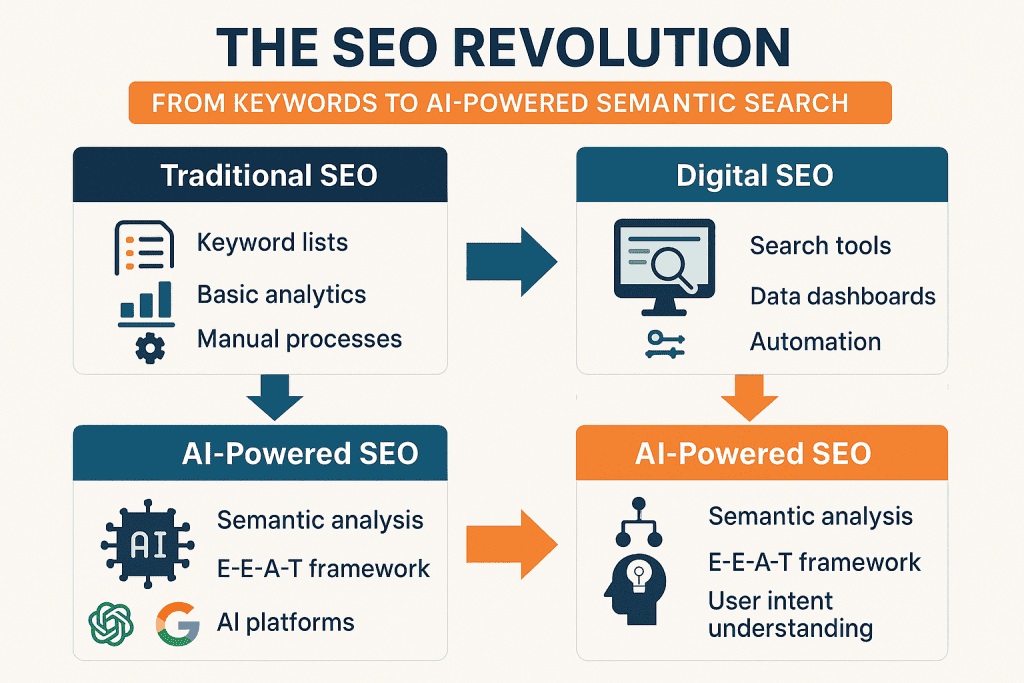
Understanding the mechanics behind AI SEO keyword data helps marketers trust and interpret the insights they receive. The process involves several sophisticated stages of data collection and analysis.
Data Collection from Multiple Sources
AI systems aggregate data from search engine result pages, autocomplete suggestions, related searches, and user interaction signals. Some platforms also incorporate data from social media platforms, forums, and question-and-answer sites to capture the full spectrum of how people phrase their queries.
This multi-source approach ensures that the keyword data reflects real-world search behavior rather than just a snapshot of one search engine’s database. The result is a more robust understanding of how different demographics and regions express the same information needs.
Natural Language Processing and Semantic Analysis
Once collected, the data undergoes natural language processing to identify patterns and relationships. The AI breaks down queries into their component parts, identifies the core entities, and determines the grammatical structure. This analysis reveals whether a query is asking for a definition, a comparison, a list, or a step-by-step guide.
Semantic analysis goes a step further by mapping keywords to concepts. The AI understands that “car insurance” and “auto coverage” are related terms even though they share no common words. This capability enables the generation of comprehensive keyword clusters that cover all the ways users might search for a particular topic.
Predictive Modeling and Trend Forecasting
Advanced AI SEO platforms use historical data to build predictive models that forecast future search trends. These models account for seasonality, emerging technologies, cultural shifts, and changes in consumer behavior. Marketers can use these predictions to create content ahead of demand spikes, positioning themselves as early authorities on trending topics.
Predictive modeling also helps with content refresh strategies. The AI can identify keywords that are declining in relevance and suggest updates to keep existing content aligned with current search behavior.
Practical Applications of AI SEO Keyword Data
The true value of AI SEO keyword data lies in its practical application. Here are the primary ways marketers use these insights to improve their search performance.
Content Strategy Development
AI-generated keyword clusters provide a blueprint for content creation. Instead of targeting individual keywords with separate pages, marketers can develop comprehensive pillar pages that cover a broad topic and support them with cluster content targeting specific subtopics. This approach signals topical authority to search engines and captures traffic from a wider range of queries.
For instance, a website about home fitness might use AI data to identify a cluster around “home workout equipment.” The pillar page covers the overall topic, while supporting pages target specific terms like “adjustable dumbbells,” “resistance bands for home workouts,” and “compact treadmills for apartments.”
On-Page Optimization
AI SEO keyword data informs on-page optimization by revealing the exact language and phrasing that resonates with search engines. The data shows which terms should appear in title tags, meta descriptions, header tags, and body content. It also identifies related terms that should be naturally incorporated to improve semantic relevance.
Modern AI tools go beyond simple keyword placement. They analyze the structure of top-ranking pages and provide recommendations for content length, media inclusion, and internal linking patterns. This holistic approach to on-page optimization produces better results than simply inserting keywords into predefined positions.
Competitor Analysis and Gap Identification
AI platforms continuously monitor competitor content and identify gaps in your coverage. If a competitor ranks for a keyword you haven’t targeted, the AI flags this opportunity. More importantly, it can identify subtopics that competitors have overlooked entirely, providing a chance to create content that fills a genuine void in the market.
This competitive intelligence extends beyond simple keyword tracking. AI systems analyze the quality of competitor content, their internal linking structures, and their backlink profiles to provide a complete picture of what it takes to outrank them.
Benefits of Using AI for Keyword Research
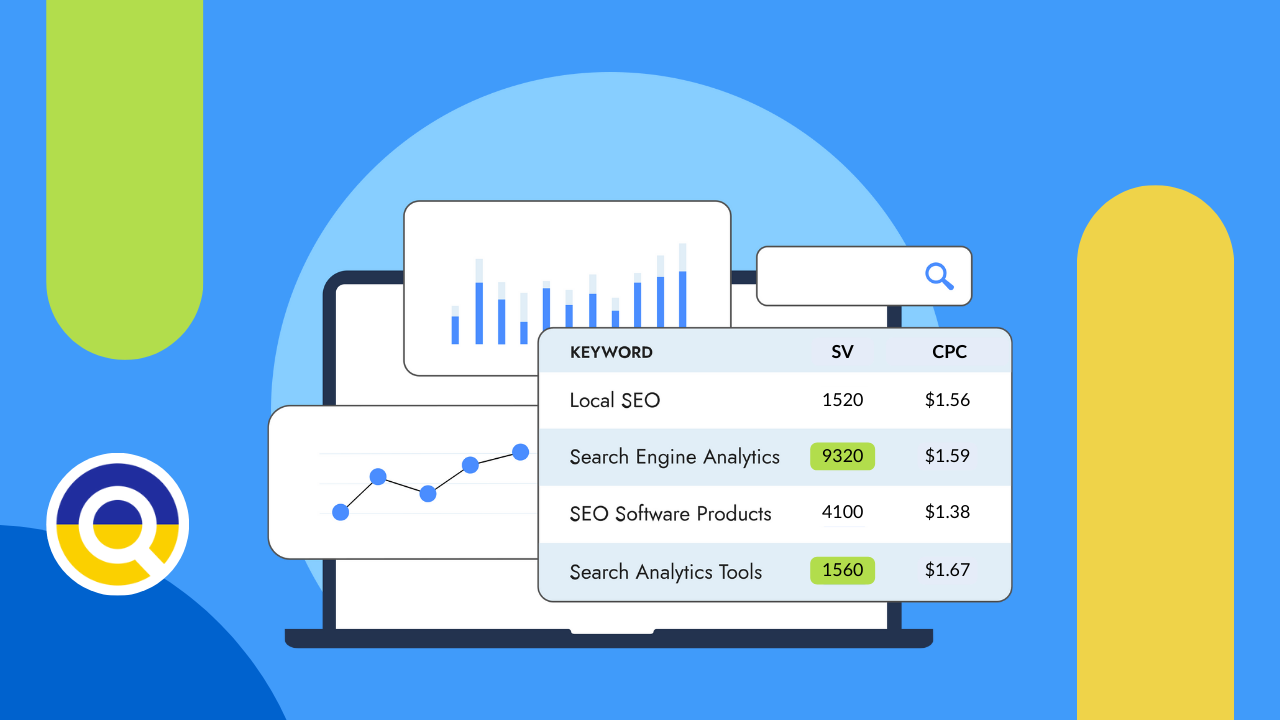
The advantages of AI-driven keyword research over traditional methods are substantial and measurable.
- Time efficiency: AI processes millions of data points in seconds, reducing research time from days to minutes
- Comprehensive coverage: Identifies long-tail and semantic variations that manual research would miss
- Accuracy: Reduces human error and bias in keyword selection
- Scalability: Enables keyword research for thousands of pages simultaneously
- Predictive insights: Provides forward-looking data rather than just historical performance
- Intent understanding: Matches content format to user expectations more precisely
Limitations and Considerations
Despite its power, AI SEO keyword data has limitations that marketers must acknowledge. AI models are trained on historical data, which means they may not fully capture emerging trends or sudden shifts in user behavior. The quality of AI insights depends heavily on the quality of the underlying data sources.
Additionally, AI tools can be expensive, with premium platforms costing hundreds of dollars per month. Smaller businesses may need to rely on free or lower-tier tools that offer less sophisticated analysis. T
Comparing AI SEO Tools for Keyword Data
The market offers several AI-powered SEO platforms, each with unique strengths and weaknesses. Understanding these differences helps marketers choose the right tool for their needs.
| Tool | Key AI Features | Best For | Pricing Model |
|---|---|---|---|
| Surfer SEO | Content optimization scores, semantic analysis | On-page optimization | Subscription |
| Clearscope | Content relevance scoring, term frequency analysis | Content briefs and optimization | Subscription |
| Ahrefs | Keyword difficulty prediction, content gap analysis | Comprehensive SEO research | Subscription |
| Semrush | Topic research, intent classification | Competitive analysis | Subscription |
| MarketMuse | Content modeling, topical authority scoring | Enterprise content strategy | Subscription |
Each platform uses different algorithms and data sources, so results can vary significantly between tools. Many professionals use multiple platforms to cross-reference data and gain a more complete picture of the keyword landscape.
Step-by-Step Guide to Using AI SEO Keyword Data

Implementing AI-driven keyword research requires a structured approach. Follow these steps to integrate AI SEO keyword data into your workflow effectively.
Step 1: Define Your Content Pillars
Start by identifying the core topics that align with your business goals. These pillars should represent the main categories of information or products you offer. For a digital marketing agency, pillars might include SEO, content marketing, social media, and paid advertising.
Step 2: Generate Keyword Clusters
Use your AI SEO tool to generate keyword clusters for each pillar. The A Review the clusters to ensure they align with your understanding of the topic and your target audience’s needs.
Step 3: Analyze Intent and Prioritize
Examine the search intent classification for each keyword cluster. Prioritize terms that align with your conversion goals. For e-commerce sites, transactional keywords should take precedence. For informational sites, focus on queries that demonstrate high engagement potential.
Step 4: Map Keywords to Content
Assign each keyword cluster to a specific page or piece of content. Ensure that each page targets a primary keyword and naturally incorporates related terms. Avoid targeting the same keyword on multiple pages, as this creates internal competition.
Step 5: Optimize and Monitor
Use AI recommendations to optimize your content for target keywords. After publishing, monitor performance using the AI tool’s tracking features. Pay attention to ranking changes, click-through rates, and engagement metrics. Use this data to refine your approach continuously.
Common Mistakes When Using AI SEO Keyword Data
Even with powerful AI tools, marketers can make errors that undermine their SEO efforts. Being aware of these common pitfalls helps you avoid them.
Ignoring Search Intent
Focusing solely on keyword data without considering user intent leads to mismatched content. A page optimized for a transactional keyword that delivers informational content will have high bounce rates and poor conversions. Always align content format and depth with the intent behind the target keyword.
Keyword Stuffing in the AI Era
Some marketers still believe that more keyword mentions equal better rankings. AI algorithms are sophisticated enough to detect unnatural keyword usage and may penalize pages that engage in this practice. Focus on natural language that reads well for humans while incorporating target terms contextually.
Neglecting Long-Tail Keywords
AI tools generate extensive long-tail keyword data, but some marketers ignore these opportunities in favor of high-volume head terms. Long-tail keywords often have lower competition and higher conversion rates because they capture users with specific, advanced intent.
Failing to Update Content
AI SEO keyword data changes over time as search behavior evolves. Content that was optimized six months ago may no longer align with current search patterns. Regular content audits using AI tools help identify pages that need refreshing with new keywords and updated information.
Important Notes for Maximizing AI Keyword Data Value
To get the most from AI SEO keyword data, keep these considerations in mind.
Combine AI insights with human judgment: AI provides data, but human expertise is needed to interpret that data within the context of your brand, audience, and industry. Use AI as a decision-support tool, not a replacement for strategic thinking.
Focus on topical authority: Search engines increasingly reward websites that demonstrate comprehensive coverage of a topic. Use AI keyword data to build out complete topic clusters rather than scattering content across unrelated keywords.
Monitor algorithm updates: Search engine algorithms evolve constantly, and AI tools must adapt to these changes. Stay informed about major algorithm updates and understand how they might affect your keyword strategies.
Integrate with other SEO data: Keyword data is most powerful when combined with technical SEO data, backlink analysis, and user experience metrics. A holistic approach to SEO produces better results than focusing on any single data source.
Frequently Asked Questions
What is the difference between AI SEO keyword data and traditional keyword research?
Traditional keyword research focuses on individual terms and basic metrics like search volume and competition. AI SEO keyword data provides a more comprehensive view by analyzing semantic relationships, search intent, and predictive trends. AI systems process vast datasets to identify patterns and connections that manual research would miss, resulting in more strategic content decisions.
How accurate is AI-generated keyword data?
AI-generated keyword data is highly accurate when sourced from reputable platforms that aggregate data from multiple search engines and user behavior signals. However, accuracy varies between tools and depends on the quality of underlying data. Cross-referencing data from multiple AI platforms provides the most reliable picture of the keyword landscape.
Can AI SEO keyword data replace human SEO expertise?
No, AI SEO keyword data cannot replace human expertise. AI provides powerful insights and automates time-consuming research tasks, but human judgment is still essential for interpreting data within the context of business goals, brand voice, and audience needs. The best results come from combining AI capabilities with experienced SEO professionals.
How often should I update my keyword strategy using AI data?
Keyword strategies should be reviewed at least quarterly, with more frequent checks for industries that experience rapid change. AI tools can provide real-time alerts when significant shifts occur in keyword rankings or search behavior. Regular monitoring ensures your content remains aligned with current search patterns.
What is the cost of AI SEO keyword tools?
AI SEO tools range from free versions with limited features to enterprise platforms costing several hundred dollars per month. Popular tools like Ahrefs and Semrush typically cost between $99 and $449 per month depending on the plan. Free alternatives like Google Keyword Planner offer basic data but lack the advanced AI features of premium platforms.
Conclusion
AI SEO keyword data represents a fundamental shift in how digital marketers approach search optimization. The ability to analyze semantic relationships, predict trends, and understand user intent at scale provides a significant competitive advantage. Marketers who embrace these tools can create more targeted content, identify opportunities faster, and adapt to changing search behavior more effectively than those relying on traditional methods.
The key to success lies in combining AI-powered insights with human strategic thinking. Use AI to handle the heavy lifting of data collection and analysis, but apply your expertise to interpret those insights within the context of your unique business situation. This balanced approach produces sustainable SEO results that withstand algorithm updates and shifting market conditions.
As search engines continue to evolve and artificial intelligence becomes more sophisticated, the role of AI SEO keyword data will only grow in importance. Marketers who develop proficiency with these tools now will be well-positioned to maintain visibility and drive organic growth in the years ahead. Start integrating AI keyword data into your workflow today, and you will see measurable improvements in your search performance and content effectiveness.
Xem thêm:
- AI SEO Content Optimization: The Complete Guide to Ranking Higher in 2025
- AI SEO SERP Research: The Complete Guide to Dominating Search Results in 2025
- AI Overview Optimization: Master Google’s Generative Search for Maximum Visibility
- AI SEO Keyword Lists: The Complete Guide to Building High-Performance Keyword Sets
- How to Build AI SEO Workflows: A Complete Guide to Supercharging Organic Growth
Bài viết cùng chủ đề:

AI SEO SEO Automation with Make: The Complete Workflow Guide

AI SEO SEO Automation with Zapier: The Complete Workflow Guide

AI SEO SEO Automation with n8n: The Complete Workflow Guide
AI SEO SEO Automation with Gemini: The Complete Guide to Scaling Organic Growth

AI SEO SEO Automation with Claude: The Complete Guide to Scaling Content in 2025

AI SEO SEO Automation with ChatGPT: The Complete Playbook for 2025

AI SEO & SEO Automation for Affiliate Sites: The 2025 Playbook for Passive Income Growth
AI SEO & SEO Automation for Bloggers: The Complete Guide to Scaling Your Content

AI SEO & SEO Automation for Agencies: The Complete 2025 Playbook

AI SEO and SEO Automation for Ecommerce: The Complete Playbook for 2025

AI SEO & SEO Automation for WordPress: The Complete Playbook for 2025
AI SEO SEO Automation Strategy: The Complete Playbook for 2025

Mastering the AI SEO SEO Automation Process: A Complete Guide to Scaling Organic Growth
AI SEO SEO Automation System: The Complete Guide to Scaling Organic Growth in 2025
AI SEO SEO Automation Platform: The Complete Guide to Scaling Organic Growth in 2025
AI SEO SEO Automation Software: The Complete Guide to Scaling Organic Growth in 2025















