
No products in the cart.
AI SEO Engagement Metrics: The Complete Guide to Measuring What Truly Matters in 2025
31
Jul
Jul
The digital marketing landscape has shifted dramatically. Gone are the days when ranking high on search engines guaranteed traffic and conversions. Today, search engines like Google use sophisticated machine learning algorithms to evaluate not just what your content says, but how users actually interact with it. This is where AI SEO engagement metrics come into play. These metrics, powered by artificial intelligence, provide a granular view of user behavior, allowing marketers to optimize for genuine interest and satisfaction rather than just clicks. Understanding and leveraging these metrics is no longer optional; it is the cornerstone of a successful modern SEO strategy.
What Are AI SEO Engagement Metrics?
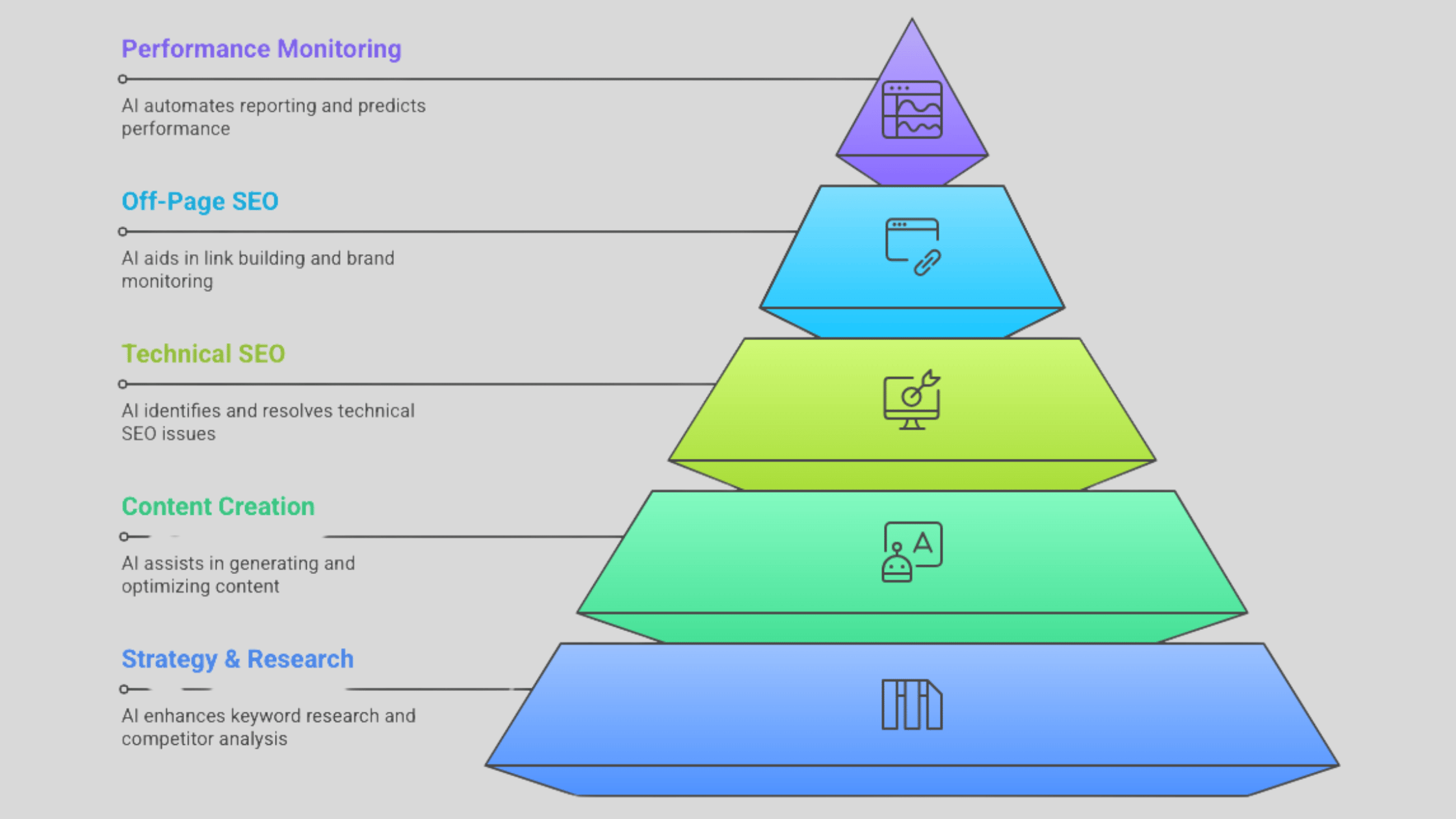
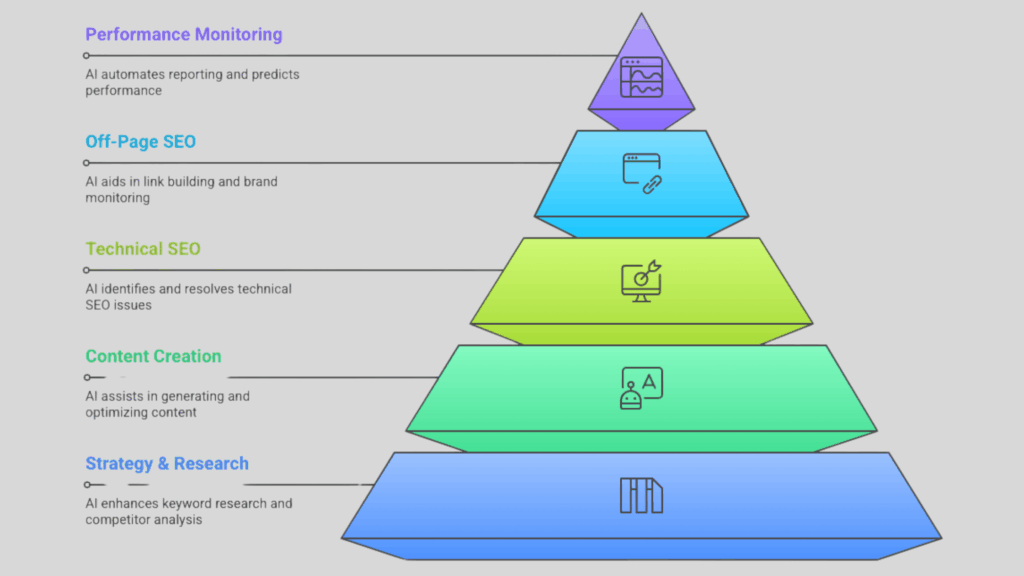
AI SEO engagement metrics are data points that measure how users interact with your website content, analyzed and interpreted through artificial intelligence and machine learning models. Unlike traditional metrics that simply count visits or page views, these advanced metrics delve into the quality of the interaction. They help answer critical questions: Did the user find what they were looking for? Did they stay to read the entire article? Did they engage with the page or bounce immediately?
Search engines use these signals to infer the relevance and value of your content. If users consistently spend a long time on your page, scroll deeply, and interact with elements, the algorithm interprets this as a positive signal. Conversely, if users leave quickly, it suggests the content does not match the search intent. AI enhances this process by identifying complex patterns in user behavior that would be impossible for a human to spot manually, enabling predictive analysis and real-time optimization.
The Core Components of AI-Driven Engagement Analysis
To effectively utilize AI SEO engagement metrics, it is crucial to understand the individual components that make up the analysis. These are not just vanity numbers; they are behavioral indicators that tell a story about your audience’s experience.
Dwell Time and Time on Page
Dwell time refers to the amount of time a user spends on your page after clicking from the search engine results page (SERP) before returning to the results. Time on page is a similar metric, but it measures the duration of a session on a specific page regardless of the entry point. High dwell time is a strong indicator that your content is engaging and relevant to the query. AI tools can analyze this data to determine which sections of your content are most captivating and where users tend to lose interest.
Scroll Depth
Scroll depth measures how far down the page a user scrolls. This metric is vital because it shows whether users are actually consuming your content or just skimming the top. A high scroll depth percentage indicates that your content structure is compelling and that the introduction successfully hooks the reader. AI can segment scroll depth data by user type, device, and traffic source to identify specific areas for improvement.
Bounce Rate and Exit Rate
Bounce rate is the percentage of users who land on your page and leave without visiting any other page on your site. Exit rate is the percentage of users who leave your site from a specific page, regardless of how many pages they visited. While a high bounce rate can be concerning, AI helps contextualize it. For example, a user who reads a long-form article and then leaves without clicking elsewhere might have had a perfectly satisfying experience. AI algorithms can distinguish between a “bad” bounce (user didn’t find what they wanted) and a “good” bounce (user found the answer immediately).
Click-Through Rate (CTR) and Pogo-Sticking
CTR measures how often people click on your link in the search results. Pogo-sticking is the behavior of clicking a result and quickly returning to the SERP to click another. Both are critical AI SEO engagement metrics. A low CTR suggests your title and meta description are not compelling. High pogo-sticking indicates that your content does not match the user’s search intent, which can severely damage your rankings over time.
Return Visits and Frequency
AI tracks whether users return to your site and how often. A high number of return visits indicates strong brand loyalty and content authority. AI can analyze the behavior of returning users to build detailed user profiles, which can then be used to personalize content recommendations and improve overall site architecture.
How AI Transforms Traditional Engagement Metrics
Traditional analytics tools provide raw data, but AI adds a layer of intelligence that makes this data actionable. The transformation is profound, moving from descriptive analytics to prescriptive and predictive insights.
| Feature | Traditional Analytics | AI-Powered Analytics |
|---|---|---|
| Data Processing | Reports historical data (what happened) | Analyzes real-time data and predicts future trends |
| User Segmentation | Basic demographics (age, location) | Behavioral and psychographic segmentation (intent, interest) |
| Pattern Recognition | Manual identification of trends | Automatic detection of complex, non-linear patterns |
| Optimization | A/B testing based on guesswork | Automated, continuous optimization of content and layout |
| Insight Generation | Requires manual interpretation | Provides natural language insights and recommendations |
AI algorithms can process vast amounts of data from millions of user sessions to identify what elements of a page contribute most to engagement. For instance, AI can determine that pages with a specific video placement have a 20% higher dwell time. This allows SEO professionals to make data-backed decisions rather than relying on intuition.
Key AI SEO Engagement Metrics to Track
While the specific metrics may vary depending on the tool, several key performance indicators (KPIs) are essential for any AI-driven SEO strategy. Focusing on these will provide a comprehensive view of your content’s performance.
- Engaged Sessions: This is a Google Analytics 4 (GA4) metric that counts sessions lasting longer than 10 seconds, have a conversion event, or have at least 2 pageviews. It is a more accurate measure of engagement than bounce rate.
- Interaction Rate: The percentage of users who interact with specific elements on your page, such as videos, forms, or interactive charts.
- Content Affinity: AI-driven tools can measure how closely a user’s on-page behavior aligns with their declared interests or past browsing history.
- Sentiment Analysis: AI can analyze comments, social shares, and on-page feedback to gauge the emotional tone of user reactions to your content.
- Attention Score: Some advanced AI tools use eye-tracking data and mouse movement analysis to estimate how much attention users are paying to specific parts of the page.
- Focusing on Vanity Metrics: Obsessing over page views or raw traffic while ignoring engagement quality. A page with 10,000 views but a 90% bounce rate is underperforming. Focus on engaged sessions and conversion rates instead.
- Ignoring Context: A high bounce rate is not always bad. For a recipe page, a user might get the answer and leave immediately, which is a positive outcome. Always analyze engagement metrics in the context of the user’s journey and search intent.
- Making Hasty Changes: AI data can be noisy. Making drastic changes to your content based on a small sample size can be detrimental. Wait until you have statistically significant data before implementing major changes.
- Neglecting Mobile vs. Desktop: Engagement patterns differ drastically between devices. Treating them as a single entity will lead to incorrect conclusions. Always segment your analysis by device type.
- Not Integrating with Other Data: Engagement metrics should not be viewed in isolation. Combine them with conversion data, customer feedback, and sales data to get a holistic view of performance.
Practical Applications: How to Use AI Engagement Data
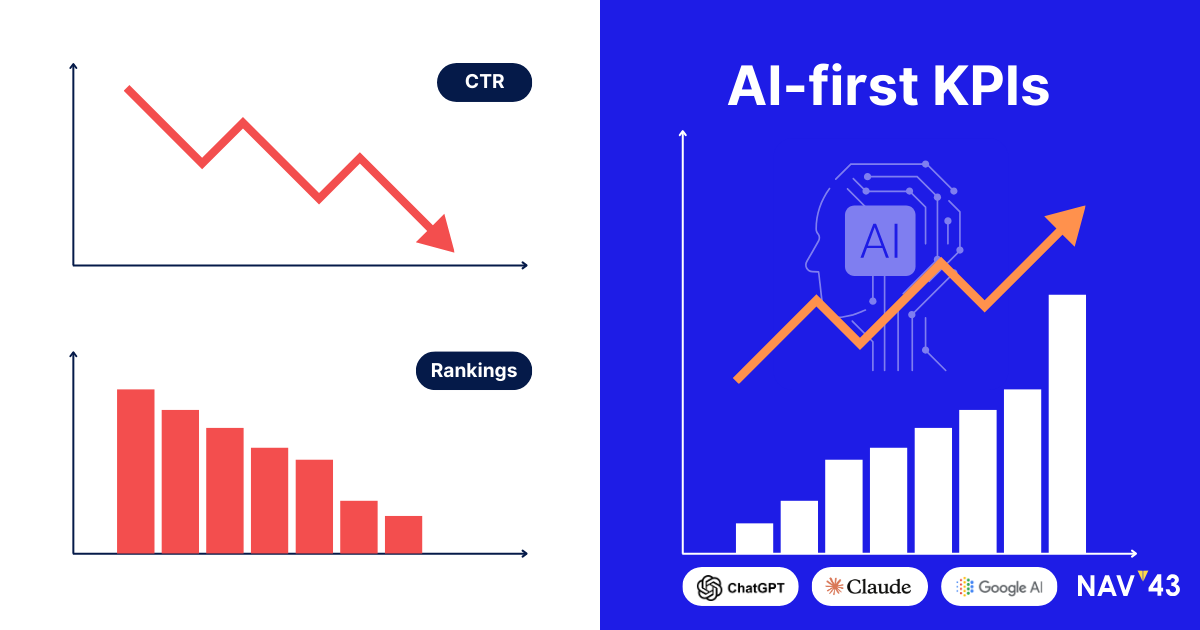
Collecting data is only the first step. The real value lies in applying these insights to improve your SEO performance.
Content Optimization and Refresh
Use AI insights to identify which sections of your top-performing pages have the highest drop-off rates. If users consistently stop scrolling at a particular heading, the content there may be weak or irrelevant. Use this data to rewrite those sections, add more examples, or include a multimedia element to recapture attention. AI can also suggest related topics based on the search patterns of users who engaged deeply with your content.
Improving Search Intent Matching
High pogo-sticking rates are a clear sign of an intent mismatch. AI tools can analyze the search queries that lead to high bounce rates and compare them with the content on your page. This analysis can reveal whether you are targeting informational queries with transactional content or vice versa. Adjust your content strategy to align with the specific intent behind your target keywords.
Enhancing User Experience (UX)
Engagement metrics are directly tied to user experience. If mobile users have significantly lower scroll depth than desktop users, your mobile layout may be problematic. AI can identify specific UX issues, such as slow-loading elements or intrusive pop-ups, that are causing users to disengage. Fixing these issues will improve both engagement and search rankings.
Predictive Lead Scoring
AI can analyze engagement patterns to predict which users are most likely to convert. A user who spends 5 minutes reading a detailed product comparison guide and scrolls to the bottom is a much hotter lead than one who bounces after 10 seconds. Integrate your AI engagement data with your CRM to prioritize leads and personalize your outreach.
Common Mistakes and How to Avoid Them
Even with the best AI tools, marketers often make critical errors when interpreting and acting on engagement data. Being aware of these pitfalls is essential for success.
Important Notes on Data Privacy and Ethics
The use of AI in tracking engagement raises important privacy and ethical considerations. With the increasing enforcement of regulations like GDPR and CCPA, it is crucial to handle user data responsibly.
Ensure that your analytics tools are configured to anonymize IP addresses and that you have explicit consent for any non-essential tracking cookies. Be transparent with your users about what data you collect and how it is used. Relying on aggregated, anonymized data for AI analysis is a safer and more ethical approach than tracking individual user behavior without consent. The future of AI SEO depends on building trust with users, and respecting their privacy is non-negotiable.
Frequently Asked Questions (FAQ)
What is the difference between engagement metrics and traditional SEO metrics?
Traditional SEO metrics focus on visibility and traffic, such as keyword rankings, impressions, and page views. Engagement metrics focus on user behavior after they land on your page, such as dwell time, scroll depth, and interactions. AI SEO engagement metrics specifically use machine learning to analyze these behaviors for deeper insights.
How does Google use engagement metrics in its ranking algorithm?
Google uses engagement signals as a proxy for content quality and relevance. Metrics like dwell time, bounce rate, and pogo-sticking help Google understand if users are satisfied with the search results. While Google does not confirm the exact weight of these signals, extensive testing and industry research strongly suggest they are a significant ranking factor.
What is a good dwell time for a blog post?
T However, a general benchmark is that an average dwell time of 2-3 minutes for a standard blog post is considered healthy. Long-form, in-depth guides should aim for 5 minutes or more. The key is to compare your metrics against your own historical data and direct competitors.
Can AI tools predict my content’s performance before I publish it?
Yes, some advanced AI SEO tools can predict content performance by analyzing your draft against top-ranking pages for your target keywords. They can assess factors like readability, topical coverage, and keyword density to predict potential engagement levels. However, these predictions are not always accurate and should be used as a guide, not a guarantee.
How often should I check my AI SEO engagement metrics?
It depends on your traffic volume. For high-traffic sites, checking weekly is advisable to spot trends quickly. For smaller sites, monthly analysis is usually sufficient to gather meaningful data. The most important thing is to establish a consistent reporting cadence and track changes over time rather than reacting to daily fluctuations.
Conclusion
AI SEO engagement metrics represent the evolution of search engine optimization from a keyword-focused discipline to a user-centric one. By leveraging the power of artificial intelligence to understand how audiences interact with your content, you can create experiences that satisfy both users and search engines. The shift towards engagement is a clear signal that the ultimate goal of SEO is not just to attract visitors, but to provide genuine value that keeps them coming back. Implementing a strategy that prioritizes these metrics will not only improve your rankings but also build a loyal audience and drive sustainable business growth. The future of SEO is intelligent, and it is measured by the depth of the connection you forge with your readers.
Xem thêm:
- AI SEO Experiments: Future-Proof Your Search Strategy with Data-Driven Insights
- AI SEO Digital Authority: The Complete Playbook for Dominating Search in 2025
- AI SEO Outreach Automation: The Complete Guide to Scaling Link Building in 2025
- AI SEO Keyword Data: The Complete Guide to Data-Driven Search Optimization
- AI SEO Topical Relevance: The Complete Guide to Dominating Search in 2025
Bài viết cùng chủ đề:

AI SEO SEO Automation with Make: The Complete Workflow Guide

AI SEO SEO Automation with Zapier: The Complete Workflow Guide

AI SEO SEO Automation with n8n: The Complete Workflow Guide
AI SEO SEO Automation with Gemini: The Complete Guide to Scaling Organic Growth

AI SEO SEO Automation with Claude: The Complete Guide to Scaling Content in 2025

AI SEO SEO Automation with ChatGPT: The Complete Playbook for 2025

AI SEO & SEO Automation for Affiliate Sites: The 2025 Playbook for Passive Income Growth
AI SEO & SEO Automation for Bloggers: The Complete Guide to Scaling Your Content

AI SEO & SEO Automation for Agencies: The Complete 2025 Playbook

AI SEO and SEO Automation for Ecommerce: The Complete Playbook for 2025

AI SEO & SEO Automation for WordPress: The Complete Playbook for 2025
AI SEO SEO Automation Strategy: The Complete Playbook for 2025

Mastering the AI SEO SEO Automation Process: A Complete Guide to Scaling Organic Growth
AI SEO SEO Automation System: The Complete Guide to Scaling Organic Growth in 2025
AI SEO SEO Automation Platform: The Complete Guide to Scaling Organic Growth in 2025
AI SEO SEO Automation Software: The Complete Guide to Scaling Organic Growth in 2025















