No products in the cart.
AI SEO Microsoft Copilot SEO: The Complete Guide to Ranking in the New Search Era
10
Aug
Aug
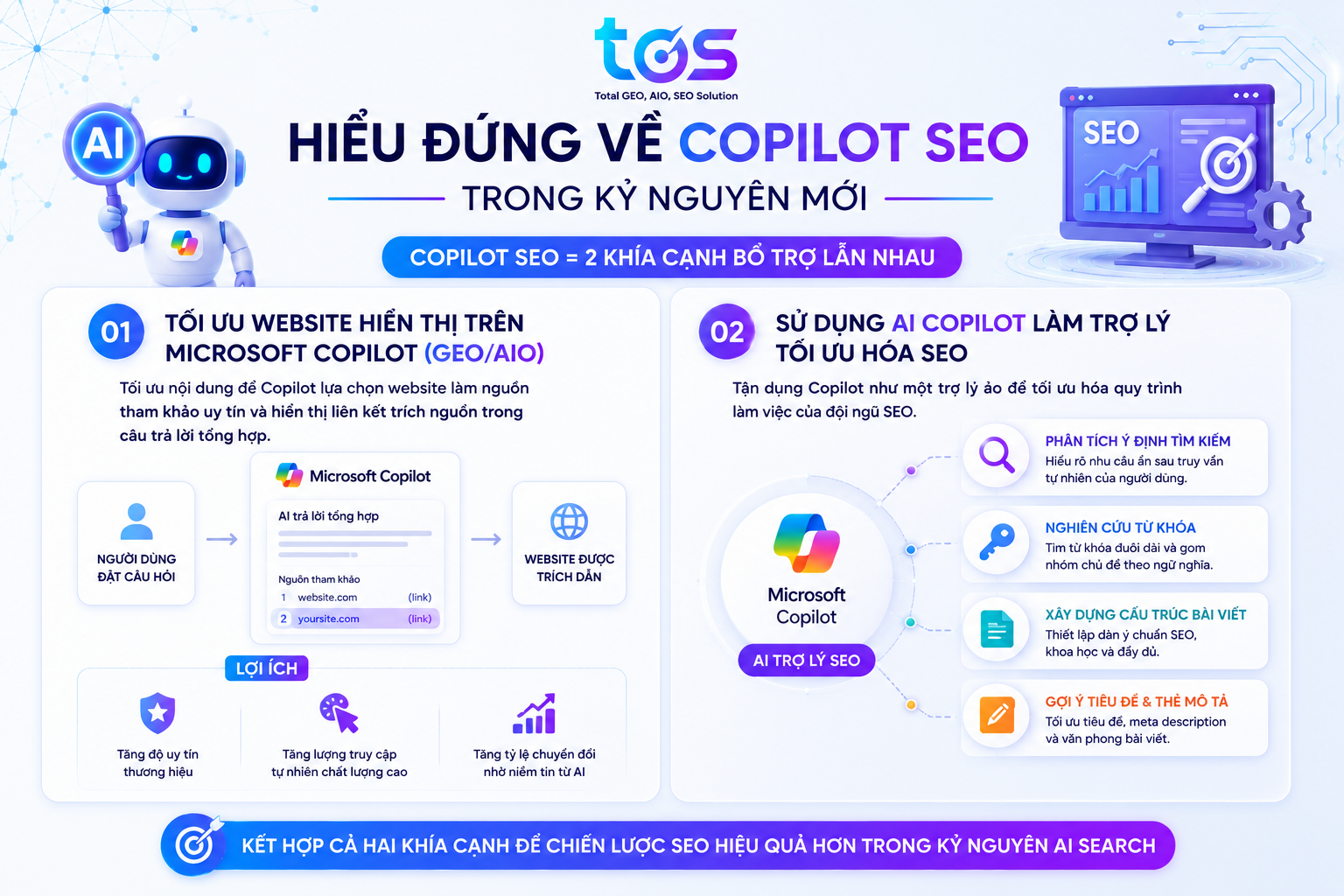
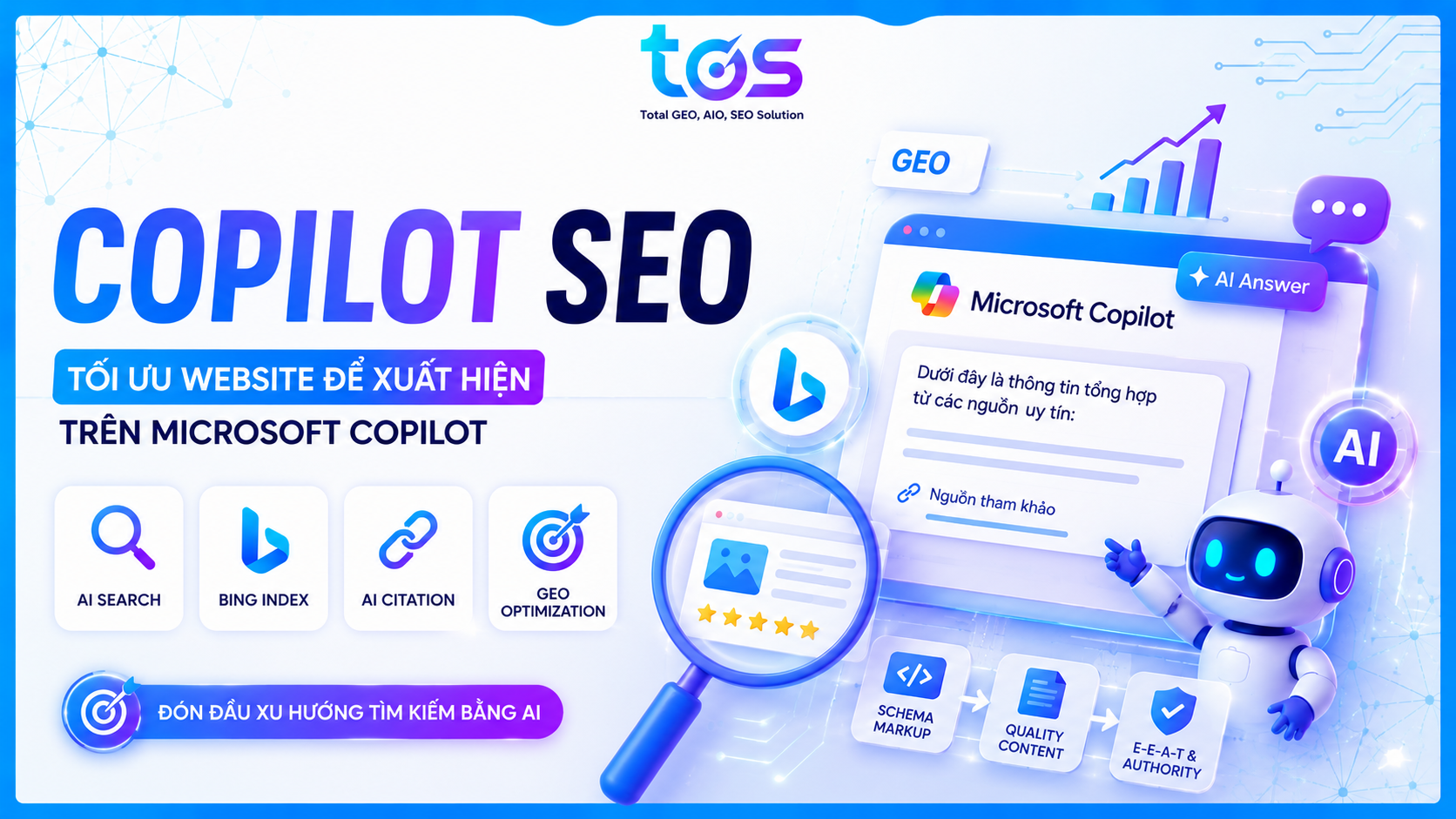
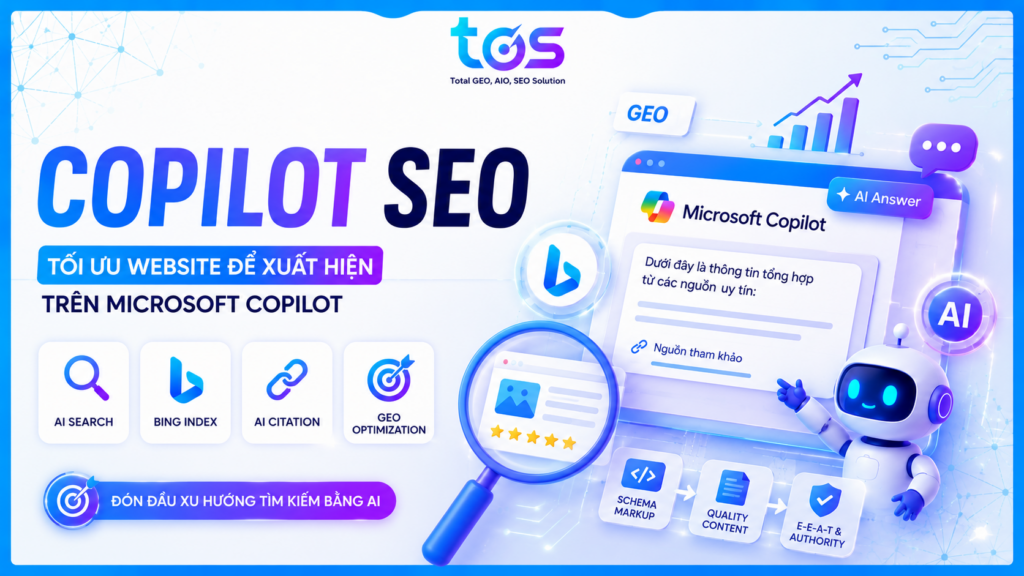
The digital marketing landscape is undergoing a seismic shift. Traditional search engine optimization (SEO) focuses on ranking in Google, but the rise of generative AI has introduced a new frontier: AI search engines and AI-powered assistants. At the center of this evolution for businesses using Microsoft tools is the concept of AI SEO Microsoft Copilot SEO. This guide provides a comprehensive, in-depth look at how to optimize your content for Microsoft Copilot, ensuring your brand remains visible when users turn to AI for answers.
Understanding AI SEO and Microsoft Copilot

AI SEO refers to the practice of optimizing digital content to be understood, cited, and recommended by artificial intelligence systems. Unlike traditional SEO, which relies on crawling and indexing web pages for a list of blue links, AI SEO focuses on providing clear, structured, and authoritative data that AI models can parse to generate conversational answers.
Microsoft Copilot is Microsoft’s AI-powered assistant, integrated across Windows, Edge, Bing, and Microsoft 365. For SEO purposes, Copilot represents a new search interface. When a user asks Copilot a question, it synthesizes information from the web, citing sources it deems most credible. The goal of AI SEO Microsoft Copilot SEO is to become one of those cited sources.
The Shift from Keywords to Intent
Traditional SEO often revolves around matching exact-match keywords. AI SEO, particularly for Copilot, prioritizes semantic understanding and user intent. Copilot does not just look for the keyword “best CRM software”; it analyzes the context, the user’s likely pain points, and the nuances of the query. Therefore, your content must answer questions comprehensively rather than just targeting a specific phrase.
How Microsoft Copilot Differs from Google Search
To master AI SEO Microsoft Copilot SEO, you must understand the technical and behavioral differences between Copilot and a traditional search engine like Google.
| Feature | Google Search | Microsoft Copilot |
|---|---|---|
| Primary Output | List of links (SERP) | Conversational answer with citations |
| User Interaction | Click and browse | Ask follow-up questions |
| Content Consumption | Scans for keywords and backlinks | Parses for semantic clarity and structure |
| Authority Signal | Domain Authority, Backlinks | Source credibility, Entity consistency |
| Freshness | High priority for news | Moderate; focuses on evergreen accuracy |
Google rewards pages that are “click-worthy.” Copilot rewards pages that are “quote-worthy.” This distinction is the core of AI SEO Microsoft Copilot SEO.
Core Strategies for Microsoft Copilot SEO
Optimizing for Copilot requires a multi-faceted approach that blends technical SEO with content excellence. Here are the core strategies to implement.
1. Optimize for Conversational Queries
Copilot users often use natural language. They ask full questions like, “What are the steps to set up a VPN on Windows 11?” rather than typing “VPN setup Windows 11.” Your content must include these long-tail, conversational phrases naturally. Use question-based headings (H2s and H3s) that mirror how people speak to AI assistants.
2. Build Topical Authority with Entity Clusters
Copilot relies heavily on entities (people, places, concepts, products) and their relationships. Instead of writing one-off blog posts, create comprehensive “topic clusters.” If you are writing about “AI SEO Microsoft Copilot SEO,” you should also have supporting content about “Bing Webmaster Tools,” “Generative Engine Optimization,” and “Semantic Search.” This helps Copilot understand that your website is a reliable hub for this specific niche.
3. Prioritize Structured Data and Schema
While Copilot reads natural language, it also benefits from structured data. Implementing schema markup (like FAQPage, HowTo, and Article schema) helps the AI parse your content’s components. This increases the chances of your content being used for rich results or direct answers within the Copilot chat interface.
4. Leverage Bing Webmaster Tools
Since Copilot is powered by Bing’s index, you must ensure your site is indexed in Bing. Use Bing Webmaster Tools to submit your sitemap, monitor indexing, and check for crawl errors. The “URL Inspection” tool allows you to see exactly how Bing’s crawler views your page, which is essential for diagnosing AI SEO Microsoft Copilot SEO issues.
Content Creation Guidelines for Copilot Visibility
The content you produce must be tailored for AI consumption. Here are the specific guidelines for creating content that Copilot loves to cite.
Write Clear, Direct Answers
Do not bury the lead. If your article is titled “How to Fix Printer Errors,” the first paragraph should immediately state the most common fix. Copilot looks for concise, definitive statements. Use the “inverted pyramid” style: answer the question first, then provide the background and details.
Use Lists and Tables Frequently
Copilot often converts information into bullet points or tables in its responses. If your content already uses these formats, it is easier for the AI to extract and replicate the data. Use
- for steps and
- High Visibility: Being cited by Copilot places your brand in front of users without them needing to click a link, offering massive brand exposure.
- Less Competition: Fewer websites are currently optimizing for AI search, meaning early adopters can gain a significant competitive edge.
- Referral Traffic: Copilot includes citations, and users who want to verify the information or read more will click through to your site, driving high-quality referral traffic.
- Voice Search Alignment: Optimizing for conversational queries aligns with the growth of voice search, future-proofing your content.
- Lack of Analytics: It is difficult to track exactly how often your content is cited in Copilot responses. T
- Hallucination Risk: AI can sometimes misinterpret data, leading to incorrect citations. You have limited control over how the AI paraphrases your content.
- Dynamic Algorithms: The way Copilot selects sources changes frequently. What works today might not work next month, requiring constant adaptation.
- Keyword Research with AI Intent: Use tools like AnswerThePublic or “People Also Ask” to find questions related to your topic. Focus on question-based keywords.
- Draft the “TL;DR” Box: Write a 2-3 sentence summary box at the top of the article. This serves as the “direct answer” that Copilot can pull immediately.
- Structure with H2/H3 Questions: Turn your research questions into headings. Ensure each heading is followed by a paragraph that directly answers it in 40-60 words.
- Add a Comparison Table: If your topic involves comparing options, create a table. This is a high-value target for AI extraction.
- Implement FAQ Schema: Add FAQPage structured data to the bottom of the article. This helps Bing understand the Q&A format.
- Submit to Bing: Use the URL Submission tool in Bing Webmaster Tools to request indexing.
- Monitor and Adjust: Use Bing Webmaster Tools to see which queries your page ranks for. If you see impressions for AI-related queries, double down on that content.
- Brand Mentions Matter: Copilot looks for consistent entity information. Ensure your brand name, logo, and description are consistent across all platforms (LinkedIn, Crunchbase, etc.).
- User Experience is King: If a user clicks your link from Copilot and bounces immediately, it signals low quality. Ensure your content matches the promise of the AI summary.
- Multimodal Content: Copilot is becoming more visual. Include images, infographics, and even video transcripts to provide multiple ways for the AI to understand your content.
- Privacy and Trust: Ensure your site has a clear privacy policy and uses HTTPS. Trust signals are crucial for AI models that are programmed to avoid malicious or spammy sites.
- AI SEO Title Optimization: The Complete Guide to Higher Click-Through Rates
- AI SEO for Automotive: The Complete Guide to Dominating Search in 2025
- AI Broken Link Building: How Artificial Intelligence Transforms Dead Links Into High-Authority Backlinks
- AI SEO Community: The Ultimate Hub for Modern Search Professionals
- AI SEO Rendering: The Complete Guide to Modern Search Visibility

AI SEO SEO Automation with Make: The Complete Workflow Guide

AI SEO SEO Automation with Zapier: The Complete Workflow Guide

AI SEO SEO Automation with n8n: The Complete Workflow Guide
AI SEO SEO Automation with Gemini: The Complete Guide to Scaling Organic Growth

AI SEO SEO Automation with Claude: The Complete Guide to Scaling Content in 2025

AI SEO SEO Automation with ChatGPT: The Complete Playbook for 2025

AI SEO & SEO Automation for Affiliate Sites: The 2025 Playbook for Passive Income Growth
AI SEO & SEO Automation for Bloggers: The Complete Guide to Scaling Your Content

AI SEO & SEO Automation for Agencies: The Complete 2025 Playbook

AI SEO and SEO Automation for Ecommerce: The Complete Playbook for 2025

AI SEO & SEO Automation for WordPress: The Complete Playbook for 2025
AI SEO SEO Automation Strategy: The Complete Playbook for 2025

Mastering the AI SEO SEO Automation Process: A Complete Guide to Scaling Organic Growth
AI SEO SEO Automation System: The Complete Guide to Scaling Organic Growth in 2025
AI SEO SEO Automation Platform: The Complete Guide to Scaling Organic Growth in 2025
AI SEO SEO Automation Software: The Complete Guide to Scaling Organic Growth in 2025