
No products in the cart.
AI SEO for Lawyers: The Complete Guide to Dominating Legal Search in 2025
31
Jul
Jul
The legal industry is undergoing a seismic shift. Client behavior has changed, with 96% of people seeking legal advice starting their journey on a search engine. At the same time, the tools used to rank those results have evolved dramatically. This is where AI SEO for Lawyers becomes not just an advantage, but a necessity. Traditional keyword stuffing and link building are no longer enough. Search engines now use machine learning to understand user intent, context, and content quality at a level that was unimaginable a decade ago. This guide provides a comprehensive roadmap for law firms to leverage artificial intelligence, from content creation to technical optimization, ensuring your practice appears when potential clients need you most.
Understanding AI SEO for Lawyers: A New Paradigm

AI SEO for Lawyers refers to the strategic application of artificial intelligence and machine learning tools to improve a law firm’s visibility in search engine results. It moves beyond simple keyword matching to focus on semantic search, natural language processing, and predictive analytics. For attorneys, this means understanding how Google’s algorithms, such as RankBrain and BERT, interpret complex legal queries. A potential client searching for “what to do after a car accident in Chicago” is not just looking for the phrase “car accident lawyer.” They are looking for immediate, actionable advice and a local expert. AI helps you decode that intent and structure your website to answer it directly.
The Shift from Keywords to Intent
Historically, SEO involved targeting exact-match keywords. Today, AI algorithms analyze the relationship between words in a query. They understand that “injury attorney” and “personal injury lawyer” are synonymous, but they also understand the difference between someone researching “how long do I have to file a claim” versus someone ready to hire “best medical malpractice lawyer near me.” AI SEO for Lawyers uses tools like natural language generation to create content that covers entire topic clusters, not just single keywords. This approach builds topical authority, signaling to Google that your firm is a credible resource on specific legal matters.
Why Traditional Legal SEO is Failing
Many law firms still rely on outdated tactics: buying backlinks from low-quality directories, publishing thin blog posts, and optimizing for exact-match domains. These methods are increasingly ineffective and can even trigger manual penalties. Google’s SpamBrain, an AI-powered filter, now detects link schemes and low-value content with high accuracy. Furthermore, the rise of zero-click searches means that users often get their answers directly on the search engine results page (SERP) without clicking through to a website. Traditional SEO focuses on ranking, but AI SEO for Lawyers focuses on visibility and engagement within the SERP itself, using structured data and FAQ schemas to capture featured snippets.
Core Components of an AI-Driven Legal SEO Strategy

Implementing AI SEO for Lawyers involves several interconnected components. It is not a single tool but a holistic approach that touches every aspect of your digital presence.
1. AI-Powered Keyword Research and Topic Clusters
Tools like Clearscope, Surfer SEO, and MarketMuse use AI to analyze top-ranking pages and identify semantic gaps. Instead of guessing what clients search for, these platforms process millions of data points to suggest related terms, questions, and entities. For a family law firm, this might reveal a high-demand subtopic like “digital asset division in divorce” that you haven’t covered. By building comprehensive topic clusters around your core practice areas, you create a web of interlinked content that demonstrates expertise.
2. Generative AI for Content Creation and Optimization
Generative AI, such as GPT-4, can draft outlines, create first drafts, and even rewrite complex legal jargon into plain English. However, the key is human oversight. AI-generated content must be fact-checked, cited, and infused with the unique experience of your attorneys. The most effective strategy uses AI to handle the heavy lifting of research and structuring, allowing lawyers to focus on adding strategic insights and personal anecdotes. This process increases content output by 300% while maintaining quality, a critical factor in competitive markets.
3. Technical SEO and Schema Markup
AI SEO for Lawyers heavily relies on technical precision. Implementing LegalService schema markup helps search engines understand your practice areas, location, and reviews. This structured data enables rich results, including star ratings and FAQ dropdowns, which significantly improve click-through rates. AI-powered site audit tools like Screaming Frog and Sitebulb can crawl your website and identify technical issues—such as broken links, slow page speed, or duplicate content—that hinder ranking. These tools now use machine learning to prioritize which fixes will have the most significant impact on your search performance.
4. Predictive Analytics for Client Acquisition
Advanced AI platforms can analyze historical search data, seasonal trends, and even economic indicators to predict future demand for specific legal services. For example, an AI system might predict a surge in employment law queries following a wave of layoffs in a specific industry. By preparing content and landing pages in advance, your firm can capture this traffic before competitors even recognize the trend. This proactive approach transforms SEO from a reactive tactic into a strategic business development tool.
Benefits and Limitations of AI SEO for Lawyers
Understanding the pros and cons is essential for setting realistic expectations.
| Benefits | Limitations |
|---|---|
| Scalability: Produce more content in less time, covering more practice areas and jurisdictions. | Hallucination Risk: AI can generate false legal citations or inaccurate information if not properly supervised. |
| Data-Driven Insights: Uncover hidden search patterns and client questions that manual research misses. | Lack of Human Nuance: AI struggles to replicate the empathy and personal experience that builds trust with potential clients. |
| Competitive Edge: Automate repetitive tasks like meta descriptions and image alt text, freeing up staff time. | Generic Output: Without careful prompting, AI content can sound robotic and fail to differentiate your firm. |
| Improved ROI: Target high-intent keywords with precision, reducing wasted ad spend and improving organic conversion rates. | Algorithm Dependency: Search engine algorithms change frequently, requiring constant adaptation of AI models. |
Practical Application: A Step-by-Step Guide to Implementing AI SEO
Step 1: Audit Your Current Digital Footprint
Start by using an AI-powered audit tool to analyze your website’s health. Look for technical errors, content gaps, and backlink quality. Identify which of your practice areas have the highest search volume but the lowest ranking pages. This data forms the foundation of your strategy.
Step 2: Build a Semantic Knowledge Graph
Use AI tools to map out the entities related to your practice. For a personal injury firm, this includes types of accidents (truck, slip-and-fall, medical), legal concepts (negligence, liability, damages), and local landmarks. Create content that connects these entities naturally. For example, a page about “truck accident lawyers” should link to related pages about “federal motor carrier regulations” and “black box data analysis.”
Step 3: Generate and Refine Content
Use an AI writing assistant to generate a detailed outline for a new blog post. Provide the AI with specific data points, such as your state’s statute of limitations or recent case outcomes. Have the AI draft the article, then have a lawyer review it for accuracy and add a personal case study or anecdote. Publish the content and use an AI optimization tool to ensure the on-page elements (title tag, meta description, headers) are fully optimized.
Step 4: Optimize for Voice and Conversational Search
With the proliferation of Siri, Alexa, and Google Assistant, voice search is a growing source of legal clients. AI SEO for Lawyers must include optimizing for long-tail, conversational queries. People ask, “Can I sue a hospital for negligence?” not “hospital negligence lawyer.” Structure your FAQ pages to answer these questions directly and concisely. Use natural language in your content that mirrors how people actually speak.
Step 5: Monitor and Adapt with AI Analytics
Set up AI-powered analytics dashboards that track not just rankings, but user engagement metrics like dwell time, bounce rate, and conversion paths. Tools like Google Analytics 4 use machine learning to identify anomalies in user behavior. If a particular page is losing traffic, the AI can suggest whether it is due to a technical issue, a new competitor, or a change in search intent.
Common Mistakes in AI SEO for Lawyers and How to Avoid Them
Even with the best tools, law firms often stumble. Here are the most frequent pitfalls.
Publishing Unedited AI Content
The biggest mistake is publishing raw AI output. Google’s helpful content system specifically targets content that lacks first-hand expertise. For legal matters, this is catastrophic. Always have a licensed attorney review and edit any AI-generated content. Add specific examples, local knowledge, and professional opinions that an AI cannot generate.
Ignoring Local SEO Signals
AI SEO for Lawyers is heavily local. A firm in New York cannot rank for “divorce lawyer” in Los Angeles. Ensure your Google Business Profile is fully optimized, your NAP (Name, Address, Phone) citations are consistent across the web, and you are actively managing client reviews. AI tools can help you generate review response templates, but personalization is key.
Focusing on Quantity Over Quality
Publishing 50 thin articles a month is worse than publishing 5 comprehensive, authoritative guides. AI can create volume, but search engines prioritize depth and relevance. Focus on creating the definitive resource for each legal question you target. Use AI to expand your coverage, not to dilute your quality.
Neglecting the User Experience
AI cannot fix a website that is slow, confusing, or not mobile-friendly. Google’s Core Web Vitals are a ranking factor. Use AI-powered tools to analyze page speed and user flow. Ensure that your contact forms are simple, your phone number is clickable, and your site navigation is intuitive. A potential client who cannot easily find your phone number will click on a competitor.
Important Notes on Ethics and Compliance
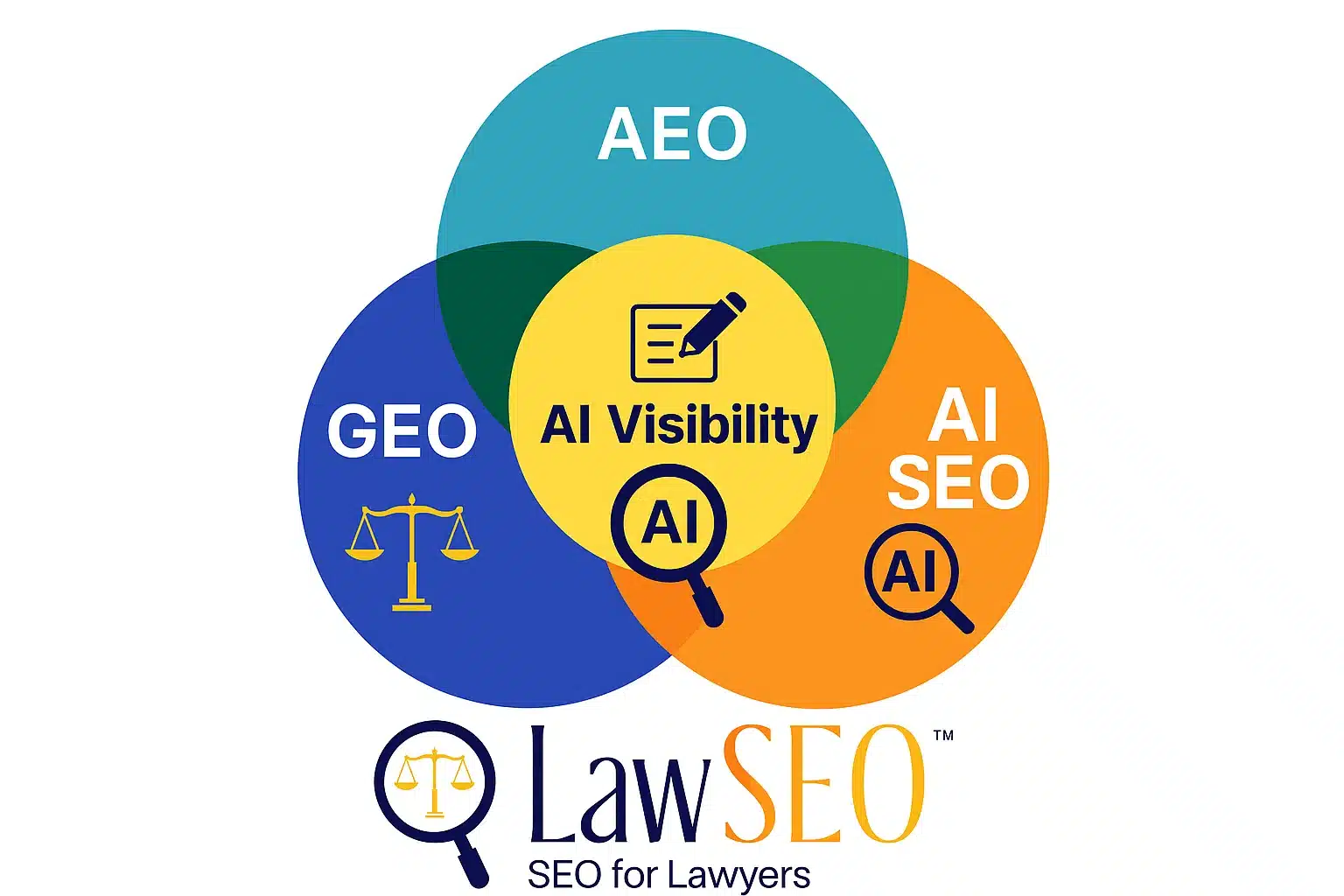
The use of AI in legal marketing carries specific ethical considerations. The American Bar Association (ABA) has issued guidance on the use of technology, emphasizing the duty of competence. This includes understanding the capabilities and risks of AI tools. You must ensure that any AI-generated content complies with state bar advertising rules, which often prohibit false or misleading communications. Never use AI to fabricate client testimonials or case results. Transparency is also crucial; if you use AI to draft content, you are still responsible for its accuracy and compliance.
Frequently Asked Questions (FAQ)
What is the best AI tool for legal SEO?
T For content optimization, tools like Surfer SEO and Clearscope are industry standards. For technical audits, Sitebulb and Screaming Frog are excellent. For content generation, Jasper and Copy.ai are popular, but they require heavy human editing. A comprehensive strategy often uses a combination of these tools.
Can AI replace human SEO experts for law firms?
No. AI is a powerful assistant, but it cannot replace the strategic thinking, relationship building, and legal expertise of a human professional. AI can process data and generate drafts, but it cannot understand the nuances of a specific case, the local competitive landscape, or the ethical obligations of the legal profession. The best results come from a collaboration between AI and experienced legal marketers.
How long does it take to see results from AI SEO for Lawyers?
SEO is a long-term strategy. While AI can accelerate the process, it typically takes 3 to 6 months to see significant improvements in rankings and organic traffic. This timeline depends on the competitiveness of your market, the current state of your website, and the consistency of your efforts. AI helps you get there faster, but it does not provide instant gratification.
Is AI-generated legal content considered plagiarism?
No, AI generates original text based on its training data. However, it can sometimes produce text that is similar to existing content. It is crucial to run all AI-generated content through a plagiarism checker and to add your own unique insights and analysis. This ensures originality and adds value for the reader.
How does AI help with local SEO for attorneys?
AI helps with local SEO by analyzing local search patterns, managing online reviews, and optimizing your Google Business Profile. AI tools can identify which local keywords are driving traffic to competitors and suggest content that targets those specific queries. They can also help you build local citations and ensure your business information is consistent across all directories.
Conclusion: The Future of Legal Marketing is Intelligent
AI SEO for Lawyers is not a passing trend; it is the new standard for legal marketing. The firms that embrace this technology will gain a significant competitive advantage, reaching more clients with less effort and greater precision. The key is to use AI as a force multiplier for your expertise, not as a replacement for it. By combining the analytical power of machine learning with the irreplaceable judgment and empathy of a skilled attorney, your firm can build a powerful online presence that converts searches into consultations. The future belongs to those who can adapt, and the time to start is now.
Xem thêm:
- The Ultimate AI SEO Framework: How to Dominate Search Rankings With Intelligent Automation
- AI SEO Ranking Opportunities: The Complete Playbook for 2025
- AI B2C SEO: Mastering Consumer Search with Artificial Intelligence for Unmatched Growth
- AI SEO GEO Tools: The Complete Guide to Generative Engine Optimization in 2025
- AI Content Planner: Revolutionize Your Content Strategy with Intelligent Automation
Bài viết cùng chủ đề:

AI SEO SEO Automation with Make: The Complete Workflow Guide

AI SEO SEO Automation with Zapier: The Complete Workflow Guide

AI SEO SEO Automation with n8n: The Complete Workflow Guide
AI SEO SEO Automation with Gemini: The Complete Guide to Scaling Organic Growth

AI SEO SEO Automation with Claude: The Complete Guide to Scaling Content in 2025

AI SEO SEO Automation with ChatGPT: The Complete Playbook for 2025

AI SEO & SEO Automation for Affiliate Sites: The 2025 Playbook for Passive Income Growth
AI SEO & SEO Automation for Bloggers: The Complete Guide to Scaling Your Content

AI SEO & SEO Automation for Agencies: The Complete 2025 Playbook

AI SEO and SEO Automation for Ecommerce: The Complete Playbook for 2025

AI SEO & SEO Automation for WordPress: The Complete Playbook for 2025
AI SEO SEO Automation Strategy: The Complete Playbook for 2025

Mastering the AI SEO SEO Automation Process: A Complete Guide to Scaling Organic Growth
AI SEO SEO Automation System: The Complete Guide to Scaling Organic Growth in 2025
AI SEO SEO Automation Platform: The Complete Guide to Scaling Organic Growth in 2025
AI SEO SEO Automation Software: The Complete Guide to Scaling Organic Growth in 2025















