
No products in the cart.
AI SEO for Marketing Teams: The Complete Playbook for 2025
31
Jul
Jul
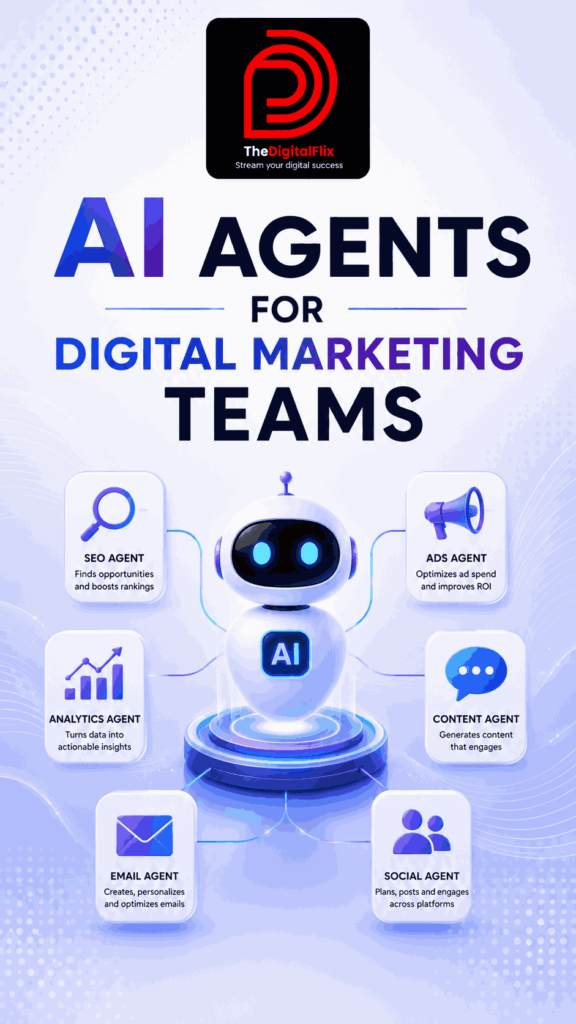
Marketing teams are drowning in data, yet starving for actionable insights. The modern search landscape shifts daily, and keeping pace manually is no longer viable. This is where AI SEO for marketing teams transforms the game. It is not about replacing human creativity; it is about augmenting strategic thinking with machine-speed analysis. This guide provides a deep dive into how marketing departments can leverage artificial intelligence to streamline workflows, predict performance, and secure top rankings without burning out their specialists.
What is AI SEO for Marketing Teams?

AI SEO for marketing teams refers to the integration of machine learning algorithms and natural language processing into the search optimization workflow. Unlike traditional SEO tools that simply report data, AI tools interpret patterns, predict outcomes, and generate recommendations. For a marketing team, this means moving from a reactive posture—fixing issues after rankings drop—to a proactive strategy where the AI flags opportunities before competitors even notice them.
The core value lies in automation of repetitive tasks. Keyword clustering, content gap analysis, and technical audits that once took days now take minutes. However, the strategic direction, brand voice, and final editorial judgment remain firmly in human hands. The best results emerge when the AI handles the heavy lifting of data processing while the team focuses on creative storytelling and user experience.
Why Traditional SEO Workflows Are Failing Modern Teams
The volume of search queries is exploding. Voice search, visual search, and conversational queries have fragmented the keyword landscape. A marketing team using a spreadsheet to track rankings is operating at a severe disadvantage. Traditional workflows fail for three primary reasons: speed, scale, and signal detection.
First, speed. Google updates its algorithm thousands of times per year. Manual analysis cannot keep up with these fluctuations. Second, scale. A mid-sized company might have thousands of pages. Auditing each one manually is impossible. Third, signal detection. AI can identify subtle correlations between content structure and ranking success that the human eye misses. Without AI, teams are essentially guessing based on outdated best practices.
The Core Components of an AI-Driven SEO Strategy
Implementing AI SEO for marketing teams requires understanding its distinct components. Each piece serves a different function in the optimization lifecycle.
1. Automated Keyword Research and Clustering
AI tools analyze search engine result pages (SERPs) to group keywords by search intent. Instead of targeting individual keywords, teams target topic clusters. The AI identifies which terms are informational, transactional, or navigational. This allows for the creation of content hubs that satisfy multiple queries with a single authoritative page.
2. Predictive Performance Analytics
Machine learning models can forecast the potential traffic of a piece of content before it is published. These models analyze historical data from your site and competitor sites to estimate click-through rates and conversion potential. This helps marketing teams prioritize content topics that are likely to generate ROI, rather than chasing vanity metrics.
3. Content Optimization and Brief Generation
AI writing assistants generate comprehensive content briefs. These briefs include recommended headings, semantic keywords, and readability scores. The AI does not write the final article; it provides a structural blueprint. This ensures that the human writer covers all relevant subtopics that Google associates with the primary keyword.
4. Technical SEO Auditing
Crawling a website for broken links, duplicate content, and schema markup errors is tedious. AI-powered crawlers simulate Googlebot behavior and prioritize issues based on impact severity. They can also suggest fixes for JavaScript rendering problems and Core Web Vitals issues, which are critical for page experience signals.
How to Implement AI SEO for Marketing Teams: A Step-by-Step Guide
Adopting AI is not a plug-and-play solution. It requires a structured rollout to ensure adoption and measurable results.
- Audit Current Toolstack: Identify which existing tools have AI capabilities that are underutilized. Many enterprise SEO platforms already have machine learning features built-in.
- Define Clear KPIs: Decide what success looks like. Is it organic traffic growth, keyword ranking velocity, or lead generation? AI models need a clear target to optimize against.
- Start with One Workflow: Do not overhaul everything at once. Begin with keyword clustering or content brief generation. Measure the time saved and the quality of output.
- Train the Team: Marketing specialists need to understand how to prompt the AI effectively. A vague prompt yields a vague result. Training should focus on input quality.
- Establish a Human Review Loop: AI output is a starting point, not the finish line. Every piece of content and every technical recommendation must pass through human editorial review.
Key Benefits of AI SEO for Marketing Teams
The advantages of integrating AI are tangible and measurable. Teams that adopt these tools report significant shifts in efficiency and effectiveness.
- Time Efficiency: Automating data collection and reporting frees up 10-15 hours per week per specialist, allowing them to focus on strategy.
- Improved Accuracy: AI eliminates human error in data analysis. It detects anomalies in traffic drops or ranking changes instantly.
- Scalability: Marketing teams can manage larger content portfolios without hiring additional headcount. AI handles the analysis for thousands of pages simultaneously.
- Competitive Intelligence: AI tools monitor competitor changes in real-time. They alert teams when a competitor publishes new content or changes their backlink profile.
- Better Content Relevance: By analyzing SERP features, AI helps teams create content that matches the exact format Google wants to rank, whether that is a listicle, a video, or a product page.
Limitations and Risks: What AI Cannot Do
While powerful, AI is not a silver bullet. Marketing teams must understand its limitations to avoid costly mistakes.
Lack of Brand Nuance: AI does not understand your brand’s unique voice or emotional connection with the audience. It generates content that is grammatically correct but often generic. Human editing is essential to inject personality.
Data Dependency: AI models are only as good as the data they are trained on. If your historical data is flawed or sparse, the AI predictions will be inaccurate. This is known as the “garbage in, garbage out” principle.
Over-Optimization Risk: Relying too heavily on AI recommendations can lead to over-optimized content that lacks natural flow. Google’s algorithms are sophisticated enough to detect unnatural keyword usage, even if it is semantically relevant.
AI SEO Tools Comparison for Marketing Teams
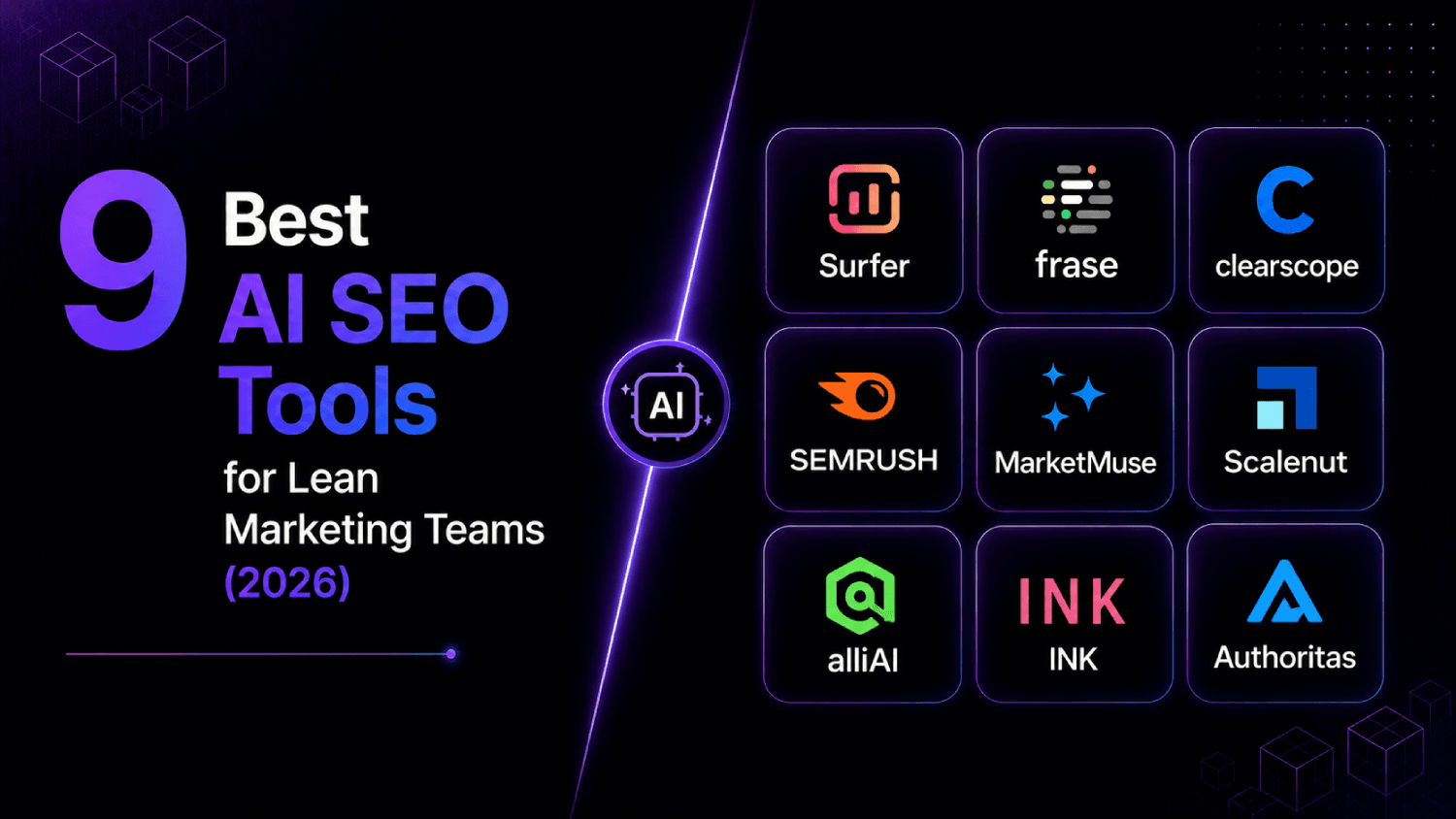
Choosing the right tool depends on team size, budget, and specific needs.
| Tool Category | Primary Function | Best For | Consideration |
|---|---|---|---|
| All-in-One Platforms | Keyword research, rank tracking, audits | Enterprise teams needing a single source of truth | Higher cost, steeper learning curve |
| Content Optimization Tools | Real-time content scoring, brief generation | Editorial teams producing high volumes of content | Focuses on on-page factors only |
| Technical SEO Crawlers | Site health monitoring, log file analysis | Technical SEO specialists and developers | Requires technical expertise to interpret |
| AI Writing Assistants | Draft generation, headline testing | Copywriters looking for inspiration | Output requires heavy editing for quality |
Practical Applications: Real-World Use Cases
Understanding theory is one thing; seeing it in action is another. Here are three scenarios where AI SEO for marketing teams delivers exceptional value.
Case Study 1: E-commerce Category Page Optimization
An online retailer with 5,000 product categories used AI to analyze search intent for each category. The AI identified that many categories were targeting “informational” keywords but the pages were transactional. The team rewrote the category intros to answer questions first, then showcase products. Organic traffic increased by 34% in two months.
Case Study 2: B2B SaaS Content Refresh
A software company had hundreds of outdated blog posts. The AI tool analyzed which posts were losing rankings and suggested specific sections to update. The team prioritized the top 50 posts based on predicted traffic recovery. This targeted approach resulted in a 120% increase in demo sign-ups from organic search.
Case Study 3: Enterprise Link Building
AI tools analyzed the backlink profiles of competitors and identified patterns in the types of sites linking to them. The marketing team used this data to create digital PR assets that matched those patterns. They secured 40% more high-authority backlinks in a quarter than the previous year.
Common Mistakes When Adopting AI SEO
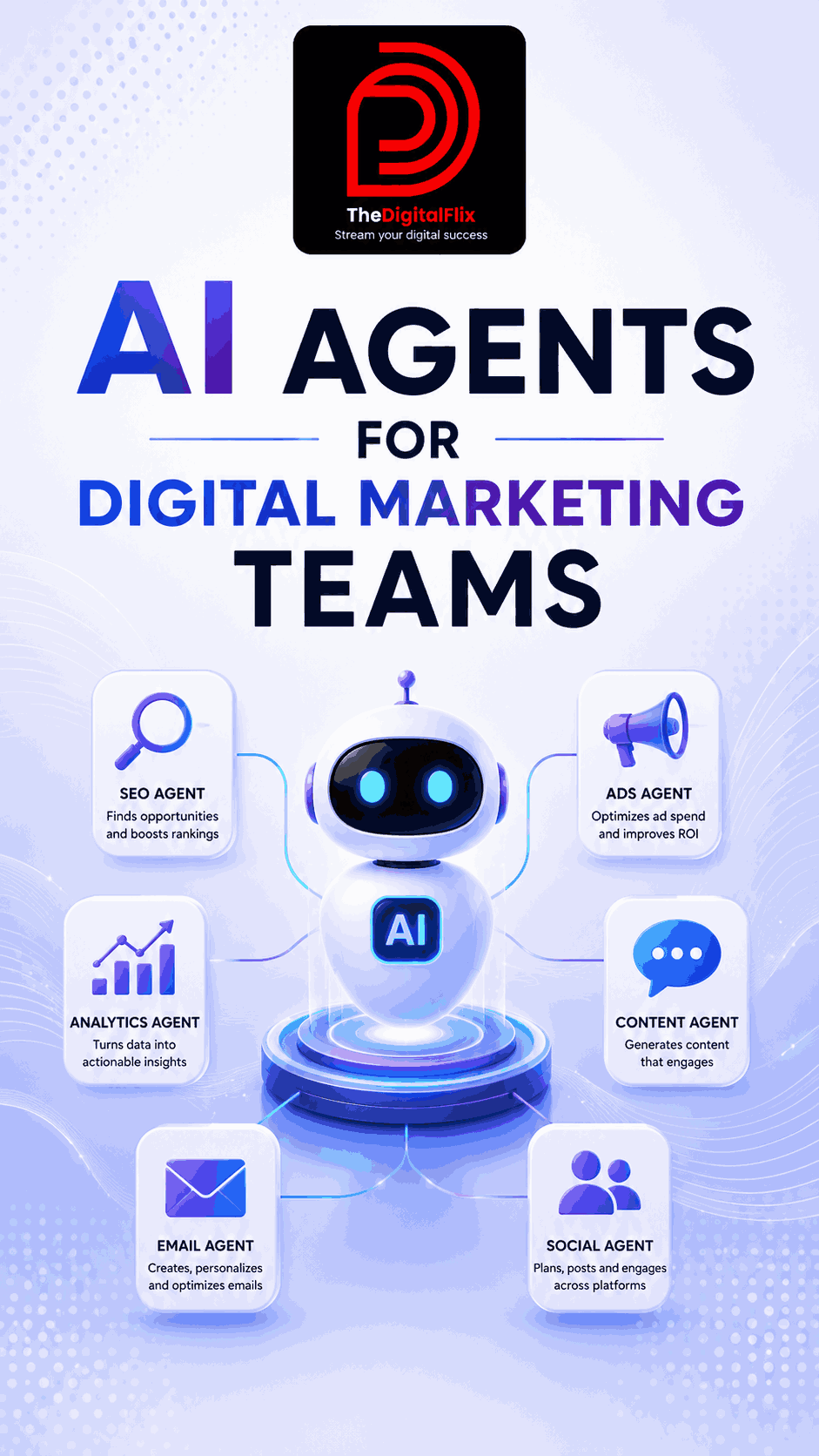
Many marketing teams fail to see results because they make predictable errors during implementation. Avoiding these pitfalls is crucial for success.
- Ignoring Search Intent: Using AI to generate content for keywords that do not match the user’s stage in the buying journey. The A
- Publishing AI Content Unedited: Google’s spam policies explicitly target mass-produced AI content that lacks original insight. Always add unique data, quotes, or personal experience.
- Focusing Only on Rankings: Rankings are a means to an end. The goal is revenue. AI should be used to optimize for conversions, not just position one.
- Neglecting Prompt Engineering: Asking the AI “write about SEO” yields generic results. Asking it to “write a 1500-word guide for a CMO about AI SEO, including a table comparing tools” yields a usable draft.
- Not Integrating with Other Data: SEO data should be combined with CRM data and sales data. AI works best when it has a holistic view of the customer journey.
Important Notes on AI and Google’s Guidelines
Google’s stance on AI-generated content is clear: it is against spam, not against AI. The search engine rewards content that demonstrates E-E-A-T (Experience, Expertise, Authoritativeness, Trustworthiness). This means that AI SEO for marketing teams must focus on adding human value.
Marketing teams should use AI to research and structure, but the final output must include first-hand experience. If you are writing about a product, include test results. If you are writing about a process, include a case study. This human element is what separates high-ranking content from AI slop. Additionally, always fact-check AI outputs. AI models can hallucinate statistics or cite non-existent studies. Verify every claim before publishing.
Frequently Asked Questions
Will AI replace SEO specialists?
No. A The role will shift from data collector to data interpreter and strategist.
How much does AI SEO software cost?
Pricing varies widely. Basic content optimization tools start around $50 per month. Enterprise-level all-in-one platforms can cost over $500 per month. Most tools offer tiered pricing based on the number of keywords tracked and users.
Can AI predict Google algorithm updates?
AI cannot predict specific updates, but it can detect patterns of volatility. Tools monitor SERP fluctuations and alert teams to potential instability. This allows teams to avoid making drastic changes during an update rollout.
Is AI-generated content penalized by Google?
Google penalizes spammy content regardless of whether it is written by a human or an AI. If the content is helpful, original, and demonstrates expertise, it will rank. If it is mass-produced and lacks value, it will be ignored or penalized.
What is the best way to start with AI SEO?
Start with a single pain point. If your team spends too long on keyword research, invest in a tool that automates clustering. If your content is underperforming, use an AI brief generator. Once you see success in one area, expand to other workflows.
Conclusion
AI SEO for marketing teams is no longer a futuristic concept; it is a present-day necessity. The teams that embrace this technology will operate with greater speed, precision, and scalability than those that rely on manual processes. The key is to view AI as a collaborative partner, not a replacement. By combining the analytical power of machine learning with the emotional intelligence and strategic vision of human marketers, organizations can achieve sustainable organic growth. The future of search is intelligent, and the marketing teams that adapt now will lead their industries tomorrow.
Xem thêm:
- AI SEO Content Quality: The Complete Guide to Publishing Content That Ranks in 2025
- AI SEO Content Brief Generator: The Complete Guide to Streamlining Your Content Workflow
- Google AI Overviews: The Ultimate Guide to Understanding, Optimizing, and Thriving in Search
- AI SEO Community: The Ultimate Hub for Modern Search Professionals
- AI SEO Tips: Mastering the Future of Search Engine Optimization
Bài viết cùng chủ đề:

AI SEO SEO Automation with Make: The Complete Workflow Guide

AI SEO SEO Automation with Zapier: The Complete Workflow Guide

AI SEO SEO Automation with n8n: The Complete Workflow Guide
AI SEO SEO Automation with Gemini: The Complete Guide to Scaling Organic Growth

AI SEO SEO Automation with Claude: The Complete Guide to Scaling Content in 2025

AI SEO SEO Automation with ChatGPT: The Complete Playbook for 2025

AI SEO & SEO Automation for Affiliate Sites: The 2025 Playbook for Passive Income Growth
AI SEO & SEO Automation for Bloggers: The Complete Guide to Scaling Your Content

AI SEO & SEO Automation for Agencies: The Complete 2025 Playbook

AI SEO and SEO Automation for Ecommerce: The Complete Playbook for 2025

AI SEO & SEO Automation for WordPress: The Complete Playbook for 2025
AI SEO SEO Automation Strategy: The Complete Playbook for 2025

Mastering the AI SEO SEO Automation Process: A Complete Guide to Scaling Organic Growth
AI SEO SEO Automation System: The Complete Guide to Scaling Organic Growth in 2025
AI SEO SEO Automation Platform: The Complete Guide to Scaling Organic Growth in 2025
AI SEO SEO Automation Software: The Complete Guide to Scaling Organic Growth in 2025















