
No products in the cart.
Google AI Overviews: The Ultimate Guide to Understanding, Optimizing, and Thriving in Search
29
Jul
Jul
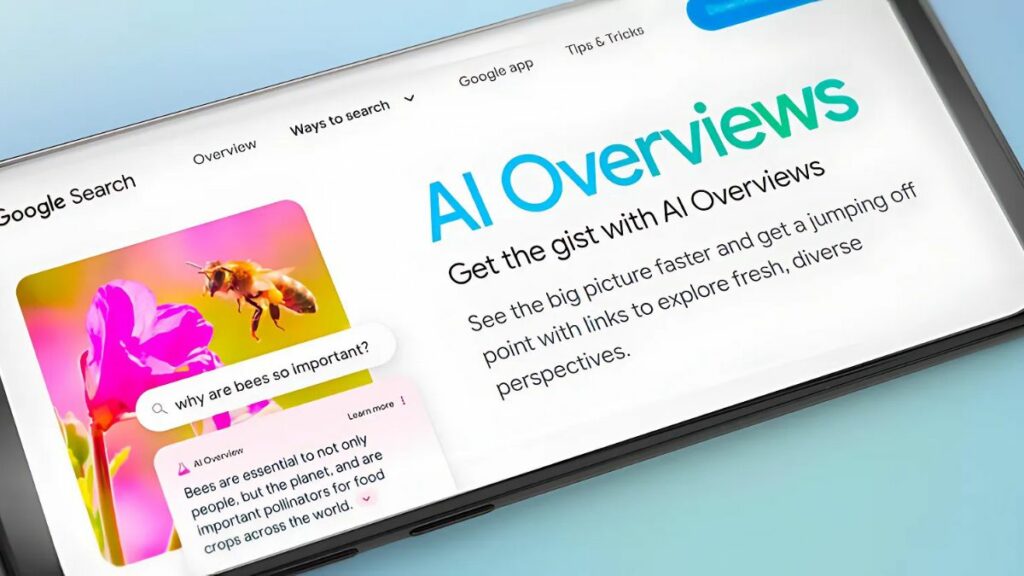
Google AI Overviews represent the most significant shift in search results in over a decade. These AI-generated summaries now appear at the top of Google for millions of queries, instantly reshaping how users consume information and how websites earn visibility. Understanding Google AI Overviews is no longer optional for anyone who relies on organic search traffic—it is a strategic imperative. This guide unpacks what AI Overviews are, how they work, how they differ from traditional snippets, actionable ways to optimize for them, and what the future holds.
What Are Google AI Overviews?

Google AI Overviews are concise, AI-powered summaries that appear above the standard blue links in Google Search. They are generated by Google’s advanced large language model, Gemini, and are designed to give users a quick, synthesized answer to complex or multi-step questions. Instead of merely pulling an excerpt from a single page, AI Overviews combine information from multiple sources across the web and present it in a clear, digestible format.
The feature was launched in the United States in May 2024 and has since expanded to over 100 countries. Initially met with mixed reactions, Google AI Overviews have rapidly evolved with tighter source attribution and more accurate responses. They are not a separate search engine; they sit within Google’s main results page, often accompanied by links to the sites that informed the answer.
Key characteristics define Google AI Overviews. They appear only when Google’s systems determine that an AI-generated summary provides added value above traditional results. They can include text, ordered lists, bullet points, tables, and sometimes images or videos. Most importantly, they are part of the broader Search Generative Experience, placing AI at the center of Google’s core mission to organize information.
How Google AI Overviews Work
Behind every AI Overview lies a multi-stage pipeline. When a user enters a query, Google’s ranking systems first determine whether an AI Overview is appropriate for that search intent. Typically, complex, informational, or open-ended queries trigger the feature, whereas simple navigational or purely transactional queries may not.
Once triggered, Gemini processes the query and pulls information from multiple high-ranking web pages that Google has indexed and deemed trustworthy. The model synthesizes this content into a coherent summary, sometimes adding reasoning steps, comparisons, or clarifications. Google’s systems then validate the output against core quality guidelines, checking for factual accuracy, safety, and bias. If the summary meets these thresholds, it is displayed with a prominent “AI Overview” label and a thumbnail carousel of source links.
One crucial element is the link presentation. Early versions simply listed a few source cards at the top, but recent updates surface links more prominently, including in-line citation chips that users can click to verify specific claims. This commitment to transparency is growing, as Google understands that trust hinges on clear attribution. Websites that consistently deliver high-quality, authoritative content are the most likely to be cited, making content depth and credibility more important than ever.
The Evolution of Search Summaries: From Featured Snippets to AI Overviews
To fully appreciate Google AI Overviews, it helps to see where they fit in the lineage of search features. Google has long experimented with quick answers: Knowledge Graph panels, direct answers, and especially Featured Snippets. However, AI Overviews represent a quantum leap.
| Feature | Data Source | Output Style | Interactivity | Attribution |
|---|---|---|---|---|
| Featured Snippet | Single page excerpt | Plain text, list, or table | Static | One main link |
| Knowledge Panel | Structured databases (Knowledge Graph) | Factual, entity-based | Low | Often authoritative sources |
| Google AI Overview | Multiple web pages, synthesized by AI | Narrative, multi-step, contextual | Dynamic, can handle follow-ups | Multiple source links, in-line citations |
The jump from Featured Snippets to AI Overviews is not just technical; it changes the user’s relationship with search. Instead of a single quoted passage, users get a crafted answer that often reduces the need to click through to a website. This is why CTR (click-through rate) dynamics are shifting, and why the SEO community watches every update with intense focus.
Why Google AI Overviews Matter for SEO and Content Strategy
For website owners, marketers, and content creators, AI Overviews are a double-edged sword. On one hand, appearing as a cited source can drive significant brand exposure and referral traffic, even if the immediate click-through rate declines. On the other hand, a highly informative AI Overview can satisfy a user’s query without any clicks, which may shrink the total clickable pie for informational keywords.
SEO strategies must now account for two audiences: the algorithm that selects sources for the AI Overview and the human reader who may scan the summary before deciding to click. This means content must be structured, authoritative, and exceptionally clear. The “position zero” game has evolved: it is no longer about owning the single Featured Snippet but about being one of the trusted sources the AI Overview consistently references.
Moreover, AI Overviews tend to appear for high-consideration, educational, or problem-solving queries. If your website targets these topics, the reward for earning a citation is high-quality, top-of-funnel visibility. Over time, as AI Overviews become even more integrated into search, the concept of ranking may shift from blue link positions to presence within the AI-generated answer.
Types of Queries That Trigger AI Overviews
Not every search generates an AI Overview. Google’s systems are selective, prioritizing queries where synthesis adds clear value. The most common query types include:
- How-to and step-by-step guides: complex tasks like “how to change a car battery” or “how to train for a marathon” often trigger detailed, stepwise summaries.
- Multi-faceted comparisons: searches such as “digital nomad visas for freelancers” or “best project management software for small teams” benefit from AI’s ability to weigh pros and cons across sources.
- Definition and concept explanations: especially when a topic has layers, like “blockchain technology explained” or “what is quantum computing.”
- Health, finance, and YMYL topics with nuance: queries involving symptoms, treatments, or financial advice demand trustworthy synthesis from authoritative sites.
- Long-tail and conversational queries: natural language questions like “Is it safe to travel to Japan in August with kids?” trigger AI Overviews that aggregate weather, safety, and travel tips.
- Thin content with no added value: simply rephrasing what already exists on ten other sites rarely earns a citation.
- Overly promotional or sales-heavy language: AI Overviews prioritize educational, unbiased information. Purely commercial pages are often bypassed.
- Outdated information: if your page contains old statistics or obsolete advice, even if it once ranked well, the A Schedule regular content audits.
- Missing expertise signals: an anonymous blog with no author credentials will struggle for inclusion in YMYL query overviews.
- Ignoring the follow-up query potential: some users engage with AI Overviews conversationally. Content that anticipates and answers related follow-up questions creates a stronger topical cluster, which the AI might reference across multiple interactions.
- Blocking Google from crawling your content: if JavaScript or robots.txt prevents Googlebot from fully rendering your pages, AI Overviews cannot use them. Ensure your site is fully accessible.
Understanding these triggers lets content creators align their editorial calendars with queries that have a higher chance of displaying an AI Overview, and thus a higher chance of being cited.
How to Optimize Content for Google AI Overviews
Optimizing for AI Overviews requires a holistic approach that blends classic SEO with AI-readiness. The goal is to become one of the reliable sources Gemini draws upon. Here are proven tactics:
1. Create Comprehensive, Topically Authoritative Content
AI Overviews favor pages that thoroughly cover a subject. This means moving beyond thin 300-word posts. Develop pillar pages that answer a core question, then link out to cluster content that dives into subtopics. Use clear structure with descriptive headings so the AI can easily parse sections. Include statistics, citations, and original insights that add unique value beyond what competitors offer.
2. Adopt a “Question and Answer” Format
Since AI Overviews often synthesize answers to specific questions, framing your content around explicit questions can increase the likelihood of being pulled as a source. Use H2 or H3 tags that directly mirror common search queries, and immediately follow them with concise, accurate answers. Google’s “People Also Ask” data and keyword research tools can help identify these questions.
3. Build Unshakeable E-E-A-T Signals
Expertise, Experience, Authoritativeness, and Trustworthiness are critical for AI Overview inclusion, especially on sensitive topics. Ensure your content has a visible author bio showing real credentials. Cite reputable sources, link to official studies, and keep information up to date. For health and finance, consider having content reviewed by certified professionals and explicitly noting that fact.
4. Use Clear, Well-Formatted Data
Gemini excels at interpreting structured information. Presenting data in tables, bulleted lists, and highlighted key takeaways makes extraction easier. For example, a comparison between two software products laid out in a clean table increases the chances that the AI Overview will replicate that table. Similarly, numbered step-by-step instructions are highly digestible.
5. Leverage On-Page Technical SEO Best Practices
While AI Overviews do not rely solely on traditional ranking signals, well-optimized pages remain fundamental. Fast loading speed, mobile friendliness, proper schema markup (especially Article, FAQ, HowTo schema), and internal linking all contribute to a site’s perceived authority. Schema helps Google understand the type and purpose of your content, which can directly influence whether it’s included in an AI-generated summary.
6. Monitor and Adapt Based on Citation Data
Use Google Search Console and third-party AI Overview tracking tools to identify which queries are triggering AI Overviews and whether your URLs appear as sources. If you notice underperformance, revisit the relevant pages and strengthen them with better depth, updated facts, or clearer formatting. This iterative feedback loop is essential as Google continuously refines the feature.
Common Mistakes That Prevent AI Overview Inclusion
Even well-intentioned optimization efforts can go wrong. Avoiding these pitfalls will protect your visibility:
The Impact of AI Overviews on Click-Through Rates and Traffic
One of the most debated aspects of Google AI Overviews is their effect on organic traffic. Early data from industry studies suggests a nuanced reality. For purely informational queries where the AI Overview provides a complete answer, click-through rates to traditional results can drop significantly—sometimes by 15-30%. However, for comparison, review, or transactional intent queries, the AI Overview often serves as an appetizer, enticing users to click through for more detail, user reviews, or pricing.
Furthermore, being cited as a source can offset the loss in raw clicks. A brand that consistently appears as a trusted source within AI Overviews builds authority and may see an uptick in branded searches and direct traffic over time. The key is to measure success beyond a single keyword’s CTR. Aggregate metrics such as overall site authority, email sign-ups, and conversion rates from organic search provide a fuller picture.
Advertisers are also watching this space. As of now, AI Overviews do not contain paid links, but they may reduce the number of ad slots clicked if users find answers immediately. Google is actively experimenting with ad formats within the AI Overview framework, making this a constantly shifting landscape.
Real-World Examples of Google AI Overviews in Action
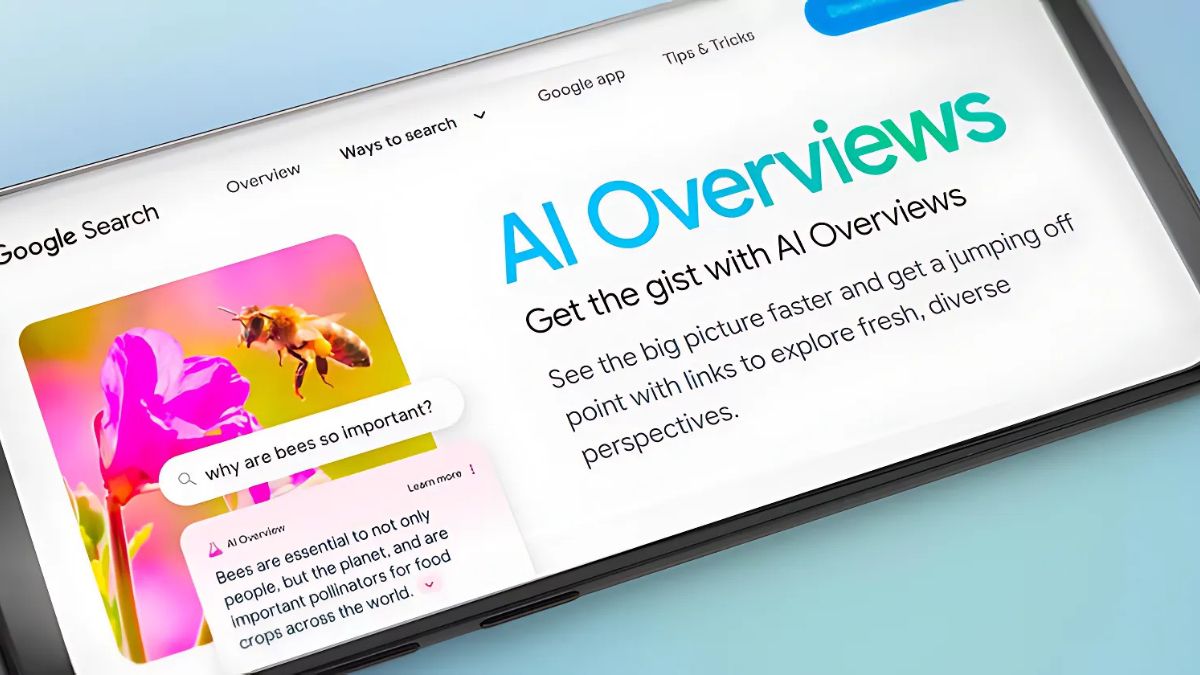
To ground the theory in practice, consider these illustrative scenarios based on observed behaviors:
Scenario 1: Recipe and Meal Planning. A search for “healthy meal prep ideas for a family of four” triggered an AI Overview listing five recipe types with brief descriptions and a suggested shopping list. The summary linked to three popular food blogs and one health authority site. The food blogs that provided clear, well-structured recipe cards and nutritional information were cited most often.
Scenario 2: Technical Troubleshooting. “My laptop won’t turn on after a power surge” generated an AI Overview with a step-by-step diagnostic: check the power adapter, perform a hard reset, check for battery swelling, and test with an external monitor. The sources were a mix of manufacturer support pages and tech forum posts that had detailed, chronological guides.
Scenario 3: Financial Planning. “Should I refinance my mortgage in 2025?” brought up an AI Overview summarizing current interest rate trends, pros and cons of refinancing, and when it does not make sense. The summary drew heavily from reputable financial institutions, government housing authority data, and NerdWallet-style comparison pages that included calculators.
These examples highlight that no single content format dominates. Instead, it is the combination of authority, structure, and relevance that consistently earns a citation.
How to Track and Measure Your Performance in AI Overviews
As Google AI Overviews become a staple, a new analytics discipline is emerging. Google Search Console now offers limited insights into AI Overview impressions and clicks (where available), but many third-party tools have stepped in to provide dedicated tracking. These tools can show which queries display an AI Overview, the source URLs cited, and changes over time.
To set up your own tracking, begin by identifying a set of target keywords for which you would expect an AI Overview. Manually check these queries regularly (using incognito mode) and note which sites are cited. Then, cross-reference your own site’s presence. Use annotated records to track the evolution of the summaries. Additionally, monitor your overall organic traffic to pages targeting these keywords—if a page suddenly loses traffic despite stable rankings, it may be due to a new AI Overview absorbing clicks.
A proactive approach is to set up alerts in monitoring platforms for any mention of your brand name within AI-generated search results. As Google improves its citation display, this data will become more accessible, helping content teams directly attribute traffic to AI Overview citations.
The Future of Google AI Overviews and Search
AI Overviews are not static. Google has signaled that this is a long-term direction, with plans to integrate multimodal capabilities (images, video summaries) and perhaps even transactional features like booking or purchase directly from the overview. The boundary between search, assistant, and marketplace is blurring.
For website owners, the path forward involves doubling down on unique value. As AI becomes better at summarizing widely known information, content that is based on first-hand experience, original research, proprietary data, and deep niche expertise will stand out. Generic content will struggle to be cited. The future of SEO is less about gaming an algorithm and more about being undeniably the best source on a topic.
Voice search and mobile usage will further accelerate the importance of AI Overviews, as spoken answers often come directly from these summaries. Brands that recognize this shift early and align their content strategy accordingly will not only protect their traffic but build a stronger digital presence for the AI-driven era.
Frequently Asked Questions About Google AI Overviews
What exactly is a Google AI Overview?
A Google AI Overview is an AI-generated summary that appears at the top of Google Search results for certain queries. It synthesizes information from multiple web pages using Google’s Gemini model and presents a concise answer, often with source links. It is designed to quickly address complex or multi-step questions directly on the search page.
How do AI Overviews differ from Featured Snippets?
Featured Snippets extract a passage, list, or table from a single web page. AI Overviews synthesize information from several sources into a new, coherent summary. AI Overviews can handle more nuanced, multi-step queries and may offer follow-up interactivity, while Featured Snippets are static and typically shorter.
Can I opt out of having my content used in AI Overviews?
Google currently offers limited direct opt-out controls specifically for AI Overviews. However, using standard noindex tags or blocking Googlebot entirely would prevent your content from appearing anywhere in search, including AI Overviews. Many site owners choose to manage their presence via the Google-Extended crawler directive or Content Removal requests, though these are not foolproof. Google’s guidelines suggest that the best way to influence inclusion is through quality control and transparency.
Will AI Overviews eliminate organic traffic?
AI Overviews are changing the way organic traffic flows but not eliminating it. For informational queries, click-through rates may decline, but high-quality, in-depth pages can still attract clicks from users seeking more detail. Additionally, being cited as a source builds brand visibility that can convert into direct or returning traffic. The traffic value shifts from simple query answers to deeper engagement.
How can I get my website cited in AI Overviews?
Focus on creating comprehensive, authoritative content that directly answers user questions with clear structure. Use semantic HTML, implement relevant schema markup, and demonstrate E-E-A-T with expert author bios and up-to-date citations. Monitor queries where AI Overviews appear and iteratively improve your content to be the best possible source.
Do AI Overviews show up for commercial or transactional queries?
Currently, AI Overviews are more common for informational and educational queries, but they are gradually appearing for some commercial queries that require comparison or explanation, like “best running shoes for flat feet.” As the feature matures, its presence across intents will likely expand, potentially reshaping product research and purchase journeys.
Are AI Overviews available in all languages and countries?
Google first launched AI Overviews in the U.S. and has since expanded to over 100 countries and many major language markets, including English, Hindi, Japanese, and Portuguese. The rollout is ongoing, and availability may vary based on local regulations, content quality, and language model capabilities.
Key Takeaways for Navigating Google AI Overviews
Google AI Overviews have moved from an experiment to a permanent fixture of search. Embracing them requires a mindset shift: rather than fighting for clicks on every query, the opportunity lies in becoming a trusted source within the AI-generated ecosystem. This is achieved through uncompromising content quality, clear information architecture, and a relentless focus on user needs. The brands and sites that thrive will be those that view AI not as a threat, but as a new channel to demonstrate expertise and build lasting authority.
Start by auditing your most important content against the optimization principles outlined here. Track your presence, adapt quickly, and remember that the core principle of search remains unchanged: provide the best answer, and visibility will follow—whether through a blue link or a shining mention in an AI Overview.
Xem thêm:
- AI SEO Topic Clustering: The Complete Guide to Building Topical Authority in 2025
- AI SEO Entity Based Search: The Complete Guide to Future-Proofing Your Rankings
- AI Robots.txt: The Complete Guide to Controlling AI Crawlers on Your Website
- The Ultimate AI SEO Checklist: 25 Steps to Rank Higher in 2025
- How to Rank in AI Overviews: The Complete Guide to Appearing in Google’s Generative Search Results
Bài viết cùng chủ đề:

AI SEO SEO Automation with Make: The Complete Workflow Guide

AI SEO SEO Automation with Zapier: The Complete Workflow Guide

AI SEO SEO Automation with n8n: The Complete Workflow Guide
AI SEO SEO Automation with Gemini: The Complete Guide to Scaling Organic Growth

AI SEO SEO Automation with Claude: The Complete Guide to Scaling Content in 2025

AI SEO SEO Automation with ChatGPT: The Complete Playbook for 2025

AI SEO & SEO Automation for Affiliate Sites: The 2025 Playbook for Passive Income Growth
AI SEO & SEO Automation for Bloggers: The Complete Guide to Scaling Your Content

AI SEO & SEO Automation for Agencies: The Complete 2025 Playbook

AI SEO and SEO Automation for Ecommerce: The Complete Playbook for 2025

AI SEO & SEO Automation for WordPress: The Complete Playbook for 2025
AI SEO SEO Automation Strategy: The Complete Playbook for 2025

Mastering the AI SEO SEO Automation Process: A Complete Guide to Scaling Organic Growth
AI SEO SEO Automation System: The Complete Guide to Scaling Organic Growth in 2025
AI SEO SEO Automation Platform: The Complete Guide to Scaling Organic Growth in 2025
AI SEO SEO Automation Software: The Complete Guide to Scaling Organic Growth in 2025















