
No products in the cart.
AI SEO for Restaurants: The Complete Guide to Dominating Local Search in 2025

31
Jul
Jul
The restaurant industry has always been a battlefield for visibility. With the rise of voice search, AI-powered assistants, and algorithm updates that prioritize user experience, traditional keyword stuffing no longer works. This is where AI SEO for Restaurants changes the game. It is not just about ranking higher; it is about being found by the right hungry customers at the exact moment they decide to eat. By leveraging machine learning and natural language processing, restaurant owners can now automate content creation, optimize for conversational queries, and analyze competitor data at scale. This guide breaks down every layer of this technology, from foundational concepts to advanced execution strategies that drive foot traffic and online orders.
What Is AI SEO for Restaurants?
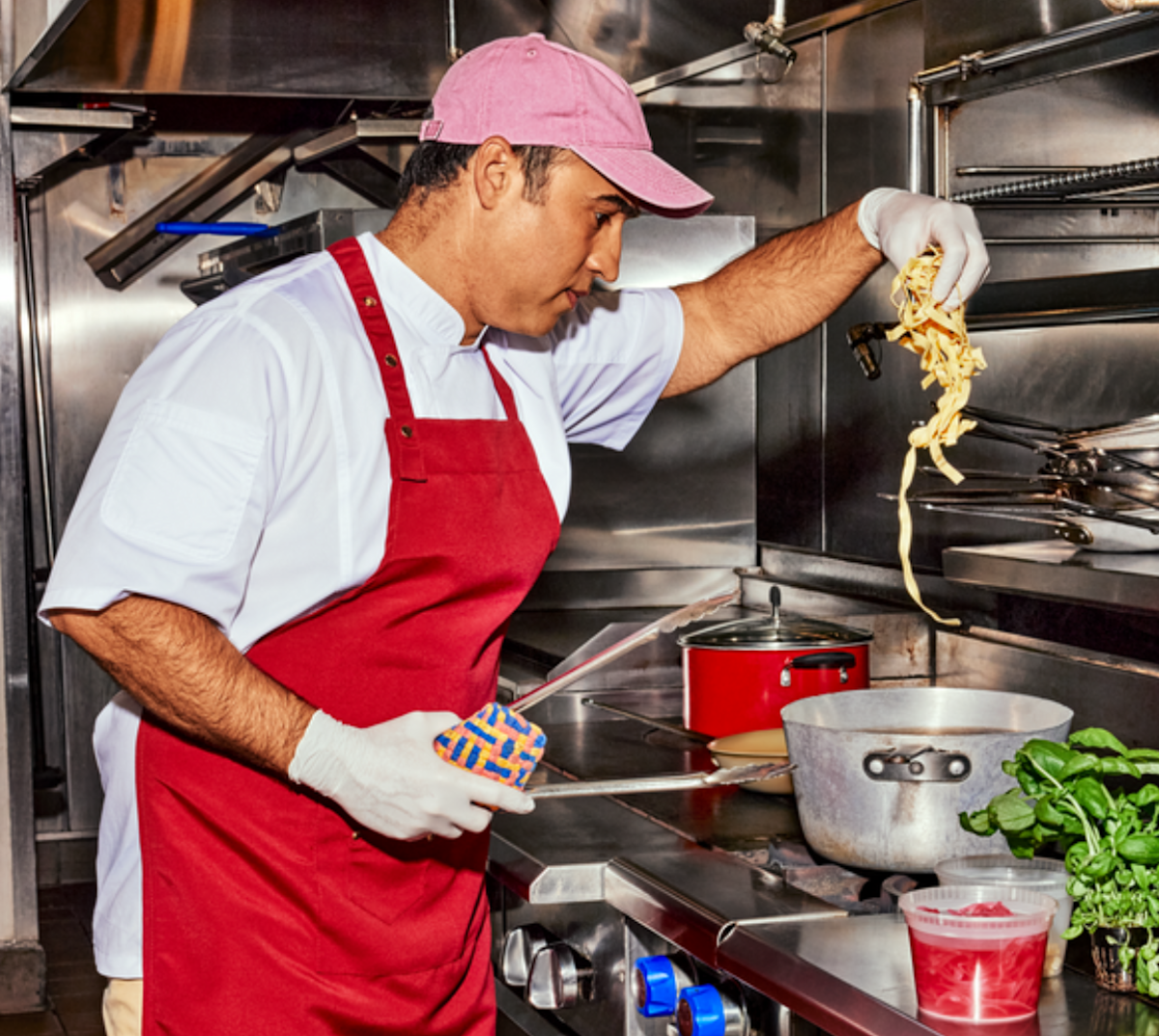
AI SEO for Restaurants refers to the application of artificial intelligence tools and algorithms to optimize a restaurant’s online presence for search engines. Unlike traditional SEO, which relies on manual keyword research and static content updates, AI-driven strategies use predictive analytics to understand user behavior patterns. These systems analyze search queries, review sentiment, and local trends to generate hyper-relevant content that matches what potential diners are actually typing or speaking into their devices.
The core difference lies in the ability to process vast datasets. A human marketer might update a menu page once a month. An AI system can adjust meta descriptions, schema markup, and blog posts in real-time based on seasonal ingredients, weather patterns, or even local events. For example, if a sudden cold front hits New York City, an AI tool can automatically suggest content about hearty soups or comfort food specials, aligning the restaurant’s site with the surge in related searches.
The Shift from Keywords to Intent
Search engines have moved beyond matching exact phrases. Google’s BERT and MUM algorithms understand the context behind a query. When someone searches “best place for a birthday dinner with a vegan option,” the search engine looks for restaurants that explicitly mention private dining, vegan menus, and celebratory atmospheres. AI SEO for Restaurants helps you capture these long-tail, intent-rich queries by analyzing the semantic relationships between words. Instead of just targeting “Italian food,” you target “romantic Italian restaurant with outdoor seating for anniversaries.”
Why Traditional Restaurant SEO Is No Longer Enough
Traditional methods relied on backlinks, exact-match domains, and directory listings. While those still hold some value, they fail to address the dynamic nature of local search. Consider that 46% of all Google searches have local intent. A static website with a generic “About Us” page does not answer the specific questions that AI-driven search engines now prioritize. Furthermore, the rise of zero-click searches means that your restaurant’s information must be structured perfectly for featured snippets and knowledge panels.
Another critical failure point is the lack of personalization. Traditional SEO treats all visitors the same. AI SEO for Restaurants allows for dynamic content delivery. If a returning visitor frequently orders gluten-free items, the AI can prioritize showing them the gluten-free menu section when they land on your site. This level of personalization signals to search engines that your site provides exceptional user experience, which is a direct ranking factor.
Core Components of an AI-Driven Restaurant SEO Strategy
Implementing AI SEO for Restaurants is not a single action but a layered process. Each component works together to build a digital footprint that is both machine-readable and human-friendly. Below are the essential building blocks you need to integrate into your marketing stack.
1. AI-Powered Keyword and Topic Clustering
Gone are the days of targeting one keyword per page. AI tools like Clearscope, Surfer SEO, and MarketMuse analyze the top-ranking pages for your target terms and identify the subtopics they cover. For a restaurant, this might mean creating a comprehensive guide to “Best Brunch Spots in Austin” that includes sections on wait times, parking, kid-friendliness, and signature cocktails. The AI identifies these clusters based on co-occurrence patterns across thousands of high-authority pages.
This approach builds topical authority. When your site consistently covers all facets of a dining-related topic, search engines view you as an expert source. This is particularly effective for local SEO, where you can create neighborhood-specific guides that link back to your main service pages.
2. Automated Content Generation for Menus and Specials
Writing unique descriptions for every dish is time-consuming. AI writing assistants can generate appetizing, SEO-friendly descriptions that incorporate local ingredients and dietary tags. However, the real power lies in dynamic generation. If you run a daily special, an AI tool can automatically publish a new blog post or update a page with the dish name, price, and relevant keywords like “Tuesday Taco Special in Downtown LA.” This keeps your site fresh without requiring manual effort from your staff.
It is crucial to note that AI-generated content still requires human oversight. The best practice is to use AI for the first draft and then have a human editor add personality, local anecdotes, and accurate details about preparation methods. This hybrid approach ensures authenticity while maximizing efficiency.
3. Schema Markup and Structured Data
Schema markup is the language that helps search engines understand your content. For restaurants, this includes Menu, Restaurant, Review, and Event schemas. AI SEO for Restaurants takes this a step further by automating the generation of JSON-LD code. Tools can pull data from your POS system or reservation platform to update your schema in real-time. This ensures that when someone asks Siri or Google Assistant for “restaurants open now,” your business appears with accurate hours, wait times, and available tables.
Structured data also powers rich results. A properly marked-up menu can display star ratings, price ranges, and photos directly in the search results. This visual real estate dramatically increases click-through rates, often by 30% or more compared to plain listings.
4. Review Sentiment Analysis and Reputation Management
Online reviews are a massive ranking factor for local SEO. AI tools can now analyze thousands of reviews across Yelp, Google, and TripAdvisor to identify common themes. If multiple reviews mention “slow service on weekends,” the AI flags this as a potential issue. You can then respond to these reviews with personalized apologies and update your operational strategy. More importantly, AI can help you generate responses that match the tone of the review, ensuring your brand voice remains consistent.
Sentiment analysis also feeds into your content strategy. If customers frequently praise your “truffle fries,” you can create a dedicated landing page for that dish, targeting the keyword “best truffle fries in [City].” This aligns your on-page content with actual customer sentiment, which is a powerful trust signal for both users and search engines.
Practical Implementation: A Step-by-Step Guide
Knowing the components is one thing; executing them is another.
Step 1: Audit Your Current Digital Footprint
Start by using an AI-powered audit tool like Semrush or Ahrefs to analyze your current rankings, backlink profile, and site health. Pay special attention to your Google Business Profile. Ensure that your name, address, and phone number are consistent across all platforms. The AI tool will flag any discrepancies that could confuse search engines.
Next, analyze your competitors. Use AI tools to see which keywords they rank for that you do not. Look at their menu pages and blog posts. Identify gaps in their content that you can fill. For example, if they do not have a page dedicated to “private event catering,” you can create one to capture that traffic.
Step 2: Build a Content Engine with AI Assistance
Create a content calendar that focuses on three pillars: seasonal menus, local guides, and behind-the-scenes stories. Use AI to generate topic ideas based on trending searches in your area. For instance, if “outdoor dining” is trending in your city, the A
When writing, use AI to optimize your drafts. Tools like Grammarly and Hemingway can improve readability, while Surfer SEO can suggest word counts and heading structures based on what is currently ranking. Remember to include location-specific keywords naturally. Instead of “we serve pizza,” write “we serve wood-fired Neapolitan pizza in the historic district of Charleston.”
Step 3: Optimize for Voice Search and AI Assistants
Voice search queries are longer and more conversational. People say “Hey Siri, find a sushi place near me that is open late,” not “sushi restaurant open now.” To optimize for this, create FAQ pages that directly answer these questions. Use natural language in your headings and body text. The AI algorithms that power voice assistants pull from these FAQ sections to generate spoken answers.
Ensure your website loads quickly on mobile devices. Voice searches are predominantly performed on smartphones. A slow-loading site will be penalized by Google’s Core Web Vitals, which are a direct ranking factor. Use AI-powered image compression tools to reduce file sizes without sacrificing quality.
Step 4: Leverage Predictive Analytics for Menu Optimization
AI can predict which dishes will be popular based on historical sales data, weather forecasts, and local events. Use this data to update your featured items on your website and Google Business Profile. If the AI predicts a surge in demand for “iced coffee” during a heatwave, you can create a blog post about your cold brew process and link to your online ordering page.
This predictive approach also helps with inventory management. By aligning your SEO content with your actual stock, you avoid promoting dishes that are sold out, which leads to a poor user experience and negative reviews.
Benefits and Limitations of AI SEO for Restaurants
Adopting this technology offers significant advantages, but it is not without its challenges. Understanding both sides of the coin is essential for setting realistic expectations.
Key Benefits
- Time Efficiency: Automates repetitive tasks like meta tag generation and image alt text, freeing up staff to focus on customer service.
- Data-Driven Decisions: Provides actionable insights from search data, review sentiment, and competitor analysis, reducing guesswork.
- Scalability: Easily manage SEO for multiple locations by generating localized content for each branch without duplicating efforts.
- Improved User Experience: AI helps personalize content and site navigation based on user behavior, leading to longer dwell times and higher conversion rates.
- Competitive Edge: Early adopters can outrank competitors who are still using static, outdated SEO methods.
- Cost of Tools: Premium AI SEO tools can be expensive, with subscriptions ranging from $100 to $500 per month. This may be prohibitive for small, independent restaurants.
- Lack of Human Touch: Over-reliance on AI can result in generic, soulless content that fails to capture the unique personality of your restaurant.
- Algorithm Changes: Search engines constantly update their algorithms. AI tools may lag behind these changes, providing outdated recommendations.
- Data Privacy Concerns: Using AI to analyze customer data requires strict adherence to privacy regulations like GDPR. Mishandling this data can lead to legal issues and reputational damage.
Limitations to Consider
Comparison: AI SEO vs. Traditional SEO for Restaurants
To fully grasp the value proposition, it helps to see the two approaches side-by-side. The table below highlights the critical differences in strategy, execution, and outcomes.
| Aspect | Traditional SEO | AI SEO for Restaurants |
|---|---|---|
| Keyword Research | Manual analysis of search volumes and competition | Predictive modeling and semantic clustering |
| Content Creation | Static blog posts and menu pages | Dynamic, personalized content updated in real-time |
| User Intent | Focus on matching exact keywords | Focus on understanding context and conversational queries |
| Data Analysis | Monthly reports and manual review | Real-time analytics with automated recommendations |
| Local Optimization | Directory listings and basic NAP consistency | Sentiment analysis and geo-specific content generation |
| Adaptability | Slow to react to market changes | Immediate response to trends and algorithm updates |
Traditional SEO is like a paper map; it gets you there but requires manual navigation. AI SEO is like a GPS with live traffic updates; it reroutes you instantly based on current conditions. For a restaurant competing in a saturated market, the latter is no longer a luxury but a necessity.
Common Mistakes and How to Avoid Them
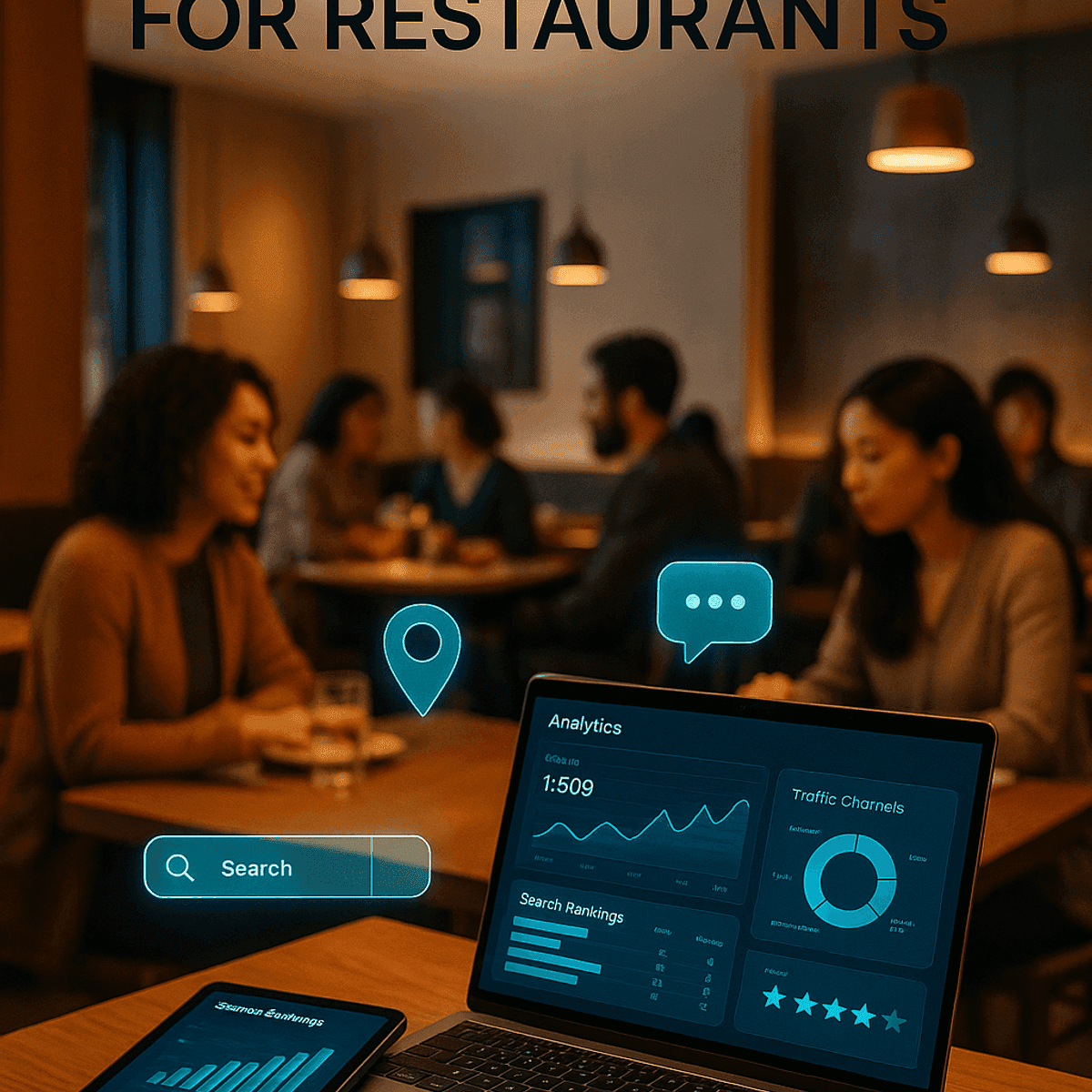
Many restaurant owners jump into AI SEO without a clear strategy, leading to wasted budgets and poor results. Here are the most frequent pitfalls and the practical solutions to sidestep them.
Mistake 1: Publishing Unedited AI Content
AI can produce grammatically correct text, but it often lacks the nuance of your brand voice. Publishing this raw content can damage your credibility. Search engines are also getting better at detecting purely AI-generated text, which can result in manual penalties.
Solution: Always have a human editor review and enhance AI drafts. Add personal stories, chef interviews, and specific details about your sourcing practices. This not only improves quality but also adds the E-E-A-T signals that Google values.
Mistake 2: Ignoring Local Schema Markup
Some restaurant owners focus solely on blog content and forget the technical backend. Without proper schema markup, your rich snippets will not appear, and your chances of winning the local pack diminish significantly.
Solution: Use an AI tool that automatically generates and updates schema for your menu, hours, and events. Test your markup using Google’s Rich Results Test tool to ensure it is error-free.
Mistake 3: Targeting National Keywords Instead of Local Ones
A small pizzeria in Chicago will never rank for “best pizza in the USA.” This is a waste of resources. AI tools can help you identify the right level of competition, but you must guide them with a local-first strategy.
Solution: Focus on hyper-local keywords like “deep dish pizza in Wicker Park” or “late-night halal food near Times Square.” Use AI to analyze the search volume and difficulty for these specific terms, then create content that addresses the unique needs of that neighborhood.
Mistake 4: Neglecting the Google Business Profile
Your website is important, but your Google Business Profile is the centerpiece of local SEO. AI tools can help you optimize your profile by suggesting post times, photo updates, and Q&A responses. However, many owners set it up and forget it.
Solution: Use AI to monitor your profile’s performance. Set up alerts for new reviews and questions. Respond to these promptly using AI-drafted responses that you personalize before hitting send.
Important Notes for Long-Term Success
AI SEO for Restaurants is not a one-time project. It requires continuous monitoring and adjustment. Search algorithms evolve, customer preferences shift, and your menu changes. The following notes will help you maintain your competitive edge over time.
First, prioritize user experience above all else. Google’s algorithms are designed to reward sites that satisfy users. If your AI-generated content is accurate but your website is slow and cluttered, your rankings will suffer. Invest in a clean, mobile-responsive design with intuitive navigation.
Second, build a diverse backlink profile. AI can help you identify link-building opportunities, but the outreach must be human. Partner with local food bloggers, participate in community events, and get featured in local news outlets. These authentic links carry more weight than any automated directory submission.
Third, track your results meticulously. Use tools like Google Analytics and Search Console to monitor your organic traffic, conversion rates, and keyword rankings. AI can provide predictive forecasts, but you need to verify the actual outcomes to refine your strategy.
Finally, stay updated on AI regulations and search engine guidelines. What is acceptable today may be considered spam tomorrow. Subscribe to industry newsletters and attend webinars to stay ahead of the curve.
Frequently Asked Questions
How much does AI SEO for Restaurants cost?
The cost varies widely depending on the tools and services you choose. DIY approaches using subscription tools like Surfer SEO or Frase can cost between $50 and $200 per month. Hiring an agency that specializes in AI-driven local SEO can range from $500 to $2,000 per month, depending on the number of locations and the scope of work. Many tools offer free trials, allowing you to test their effectiveness before committing.
Can AI replace my human SEO manager?
No, AI is a powerful assistant, not a replacement. AI excels at data analysis, content generation, and pattern recognition. However, it lacks the strategic thinking, creative intuition, and relationship-building skills of a human expert. The best results come from a hybrid approach where AI handles the heavy lifting and humans provide oversight and creative direction.
Is AI-generated content penalized by Google?
Google does not penalize content simply because it is AI-generated. However, it does penalize content that is low-quality, spammy, or lacks originality. If you publish AI content without human review, it may be flagged as unhelpful. The key is to use AI as a starting point and then add unique value through personal experiences, expert opinions, and accurate local information.
How quickly will I see results from AI SEO?
Results typically take 3 to 6 months to become noticeable, depending on the competitiveness of your market and the current state of your website. AI can accelerate the process by helping you identify quick wins, such as fixing broken links or optimizing underperforming pages. However, building true topical authority and earning backlinks takes time.
What is the best AI tool for a small restaurant?
For small restaurants with limited budgets, tools like Google’s free AI-powered performance suggestions and ChatGPT for content drafting are excellent starting points. For more advanced needs, consider using a combination of a keyword research tool like Ubersuggest and a content optimization tool like Surfer SEO. The best tool is the one that fits your specific workflow and technical skill level.
Conclusion
AI SEO for Restaurants represents a fundamental shift in how dining establishments attract customers online. It moves beyond simple keyword placement to a holistic understanding of user intent, local context, and real-time data. By integrating AI into your content creation, technical optimization, and reputation management, you can achieve visibility that was previously reserved for large chains with massive marketing budgets.
The journey requires an investment of time and resources, but the payoff is substantial. You will not only rank higher in search results but also provide a better experience for your customers, from the moment they search to the moment they sit down at your table. Start small, focus on your local market, and gradually expand your AI capabilities. The restaurants that embrace this technology now will be the ones leading the industry in the years to come.
Xem thêm:
- Next-Generation AI SEO Workflow for Enterprises: A Blueprint for Scalable Organic Growth
- AI SEO Templates: Streamline Your Search Strategy with Intelligent Frameworks
- AI SEO External Links: The Complete Guide to Smarter Link Building in 2025
- AI SEO Content Architecture: The Complete Blueprint for Scalable Organic Growth
- The Ultimate AI SEO Workflow for Ecommerce: Drive More Traffic and Sales
Bài viết cùng chủ đề:

AI SEO SEO Automation with Make: The Complete Workflow Guide

AI SEO SEO Automation with Zapier: The Complete Workflow Guide

AI SEO SEO Automation with n8n: The Complete Workflow Guide
AI SEO SEO Automation with Gemini: The Complete Guide to Scaling Organic Growth

AI SEO SEO Automation with Claude: The Complete Guide to Scaling Content in 2025

AI SEO SEO Automation with ChatGPT: The Complete Playbook for 2025

AI SEO & SEO Automation for Affiliate Sites: The 2025 Playbook for Passive Income Growth
AI SEO & SEO Automation for Bloggers: The Complete Guide to Scaling Your Content

AI SEO & SEO Automation for Agencies: The Complete 2025 Playbook

AI SEO and SEO Automation for Ecommerce: The Complete Playbook for 2025

AI SEO & SEO Automation for WordPress: The Complete Playbook for 2025
AI SEO SEO Automation Strategy: The Complete Playbook for 2025

Mastering the AI SEO SEO Automation Process: A Complete Guide to Scaling Organic Growth
AI SEO SEO Automation System: The Complete Guide to Scaling Organic Growth in 2025
AI SEO SEO Automation Platform: The Complete Guide to Scaling Organic Growth in 2025
AI SEO SEO Automation Software: The Complete Guide to Scaling Organic Growth in 2025















