
No products in the cart.
AI SEO Generative Search Optimization: The Complete Playbook for 2025
10
Aug
Aug
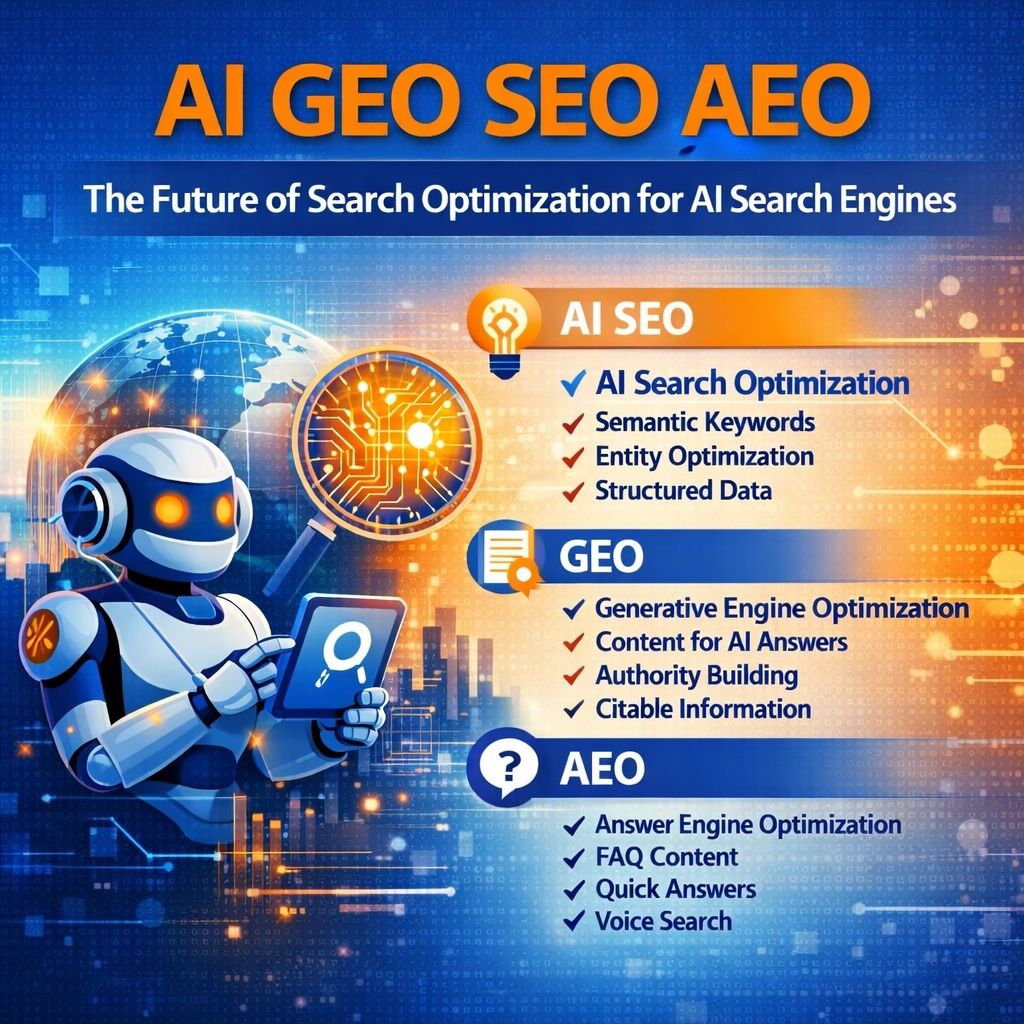
The digital landscape has shifted beneath our feet. Traditional search engine optimization focused on ranking in a list of blue links. Today, the battleground is the AI-generated answer box. AI SEO Generative Search Optimization is the discipline of ensuring your brand becomes the primary source cited when artificial intelligence platforms like Google AI Overviews, ChatGPT, Perplexity, and Bing Copilot generate their responses. This is not a futuristic concept; it is the current reality of organic discovery. Brands that adapt now will capture the zero-click traffic of tomorrow, while those that ignore this shift risk becoming invisible to a generation of AI-assisted searchers.
Understanding the Shift from Traditional SEO to Generative Search
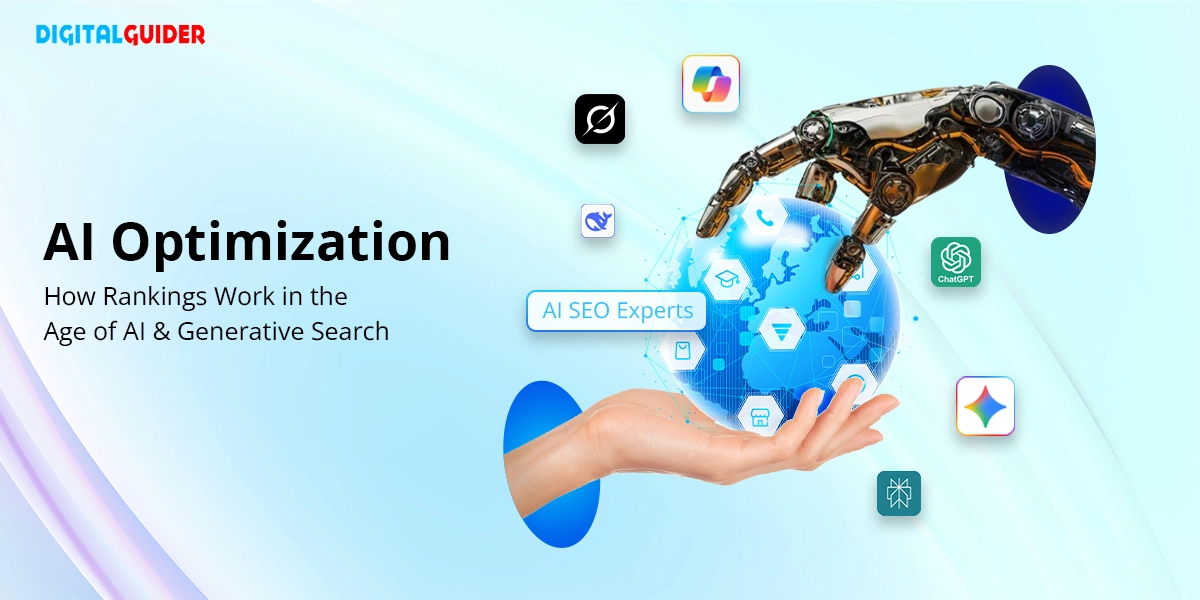
To master AI SEO Generative Search Optimization, you must first understand the fundamental change in user behavior. When a user asks a complex question, they no longer want to click through five different websites. They want a synthesized, conversational answer. Generative engines scrape vast amounts of data, analyze top-ranking pages, and then “rewrite” the information into a cohesive paragraph. This process removes the need for the user to visit your site directly.
This shift means your content is no longer just competing for a click; it is competing for a citation. The goal is to become the “source of truth” that the AI trusts. This requires a technical and editorial approach that differs significantly from standard link-building and keyword density tactics. You are optimizing for machine comprehension and factual accuracy, not just keyword matching.
The Anatomy of an AI Answer Box
Generative search results typically pull from three distinct sources: high-authority domains, structured data (like Wikipedia or schema markup), and user-generated content like forums. The AI evaluates these sources based on a complex algorithm that prioritizes clarity, consistency, and corroboration. If your content is buried in jargon or contradicts other high-ranking sources, the A
Furthermore, these systems favor content that is written in a direct, declarative style. They look for “entities” (people, places, things) and the relationships between them. Your content must explicitly state these relationships. For example, instead of implying that a product is durable, you must state “This product is durable because it uses aerospace-grade aluminum.” This explicit logic helps the AI map your content to the user’s query.
Core Pillars of AI SEO Generative Search Optimization
Implementing a successful strategy requires focusing on four core pillars. These are not optional add-ons; they are the foundation of visibility in the generative landscape. Each pillar works in tandem to build a profile that AI systems deem credible and useful.
1. Entity Clarity and Topical Authority
Generative AI relies on knowledge graphs. These graphs store information about entities and their connections. To rank in AI search, your website must clearly define what you are and what you talk about. This involves building topical authority through “pillar pages” and “cluster content.” If you write about “digital marketing,” you must also write extensively about “email automation,” “PPC bidding,” and “content strategy” to prove you are an authority on the entire subject, not just one page.
You must also ensure your brand entity is clear. Use consistent naming conventions across your site, social profiles, and business listings. The AI must be able to verify that “Your Brand” is the same entity everywhere. This consistency builds trust signals that are critical for citation.
2. Structured Data and Schema Markup
While AI can read plain text, structured data makes their job infinitely easier. Implementing schema markup (JSON-LD) helps the AI understand the context of your content. For example, using “FAQPage” schema tells the AI exactly what questions your page answers. Using “Article” schema with a clear “author” and “datePublished” field signals freshness and expertise.
This is not just about technical cleanliness. In a generative environment, the AI often looks for the “most likely” answer. Structured data removes ambiguity. It tells the machine, “This is the definition,” or “This is the price,” or “This is the review.” Without it, the AI has to guess, and guessing often leads to your content being overlooked in favor of a competitor who provided clearer signals.
3. Conversational and Direct Answer Formatting
The style of your writing matters more than ever. AI models are trained on conversational data. Content that mimics natural speech patterns is easier for them to parse and rephrase. You should structure your content to answer the “People Also Ask” questions directly. Use the “question as the H2” and then provide a 40-60 word answer immediately in the paragraph below.
Avoid fluff and introductory filler. If the query is “What is AI SEO Generative Search Optimization?”, your first paragraph after the H1 should define it clearly. This “direct answer” block is what the A If you bury the answer on page three, you lose the citation.
4. Digital PR and Brand Mentions
Backlinks remain important, but “unlinked mentions” are becoming equally vital. When an AI scans the web, it looks for corroboration. If a major news site mentions your brand but does not link to you, the AI still registers that mention as a trust signal. Therefore, your digital PR strategy must focus on getting your name, product, and founder quoted in high-authority publications.
This is about building a “digital footprint” that exists independently of your own website. The AI wants to see that others are talking about you. This is the “Experience” and “Trustworthiness” part of E-E-A-T. You cannot fake this with low-quality directory links; you need genuine editorial coverage.
Practical Application: How to Optimize Your Content
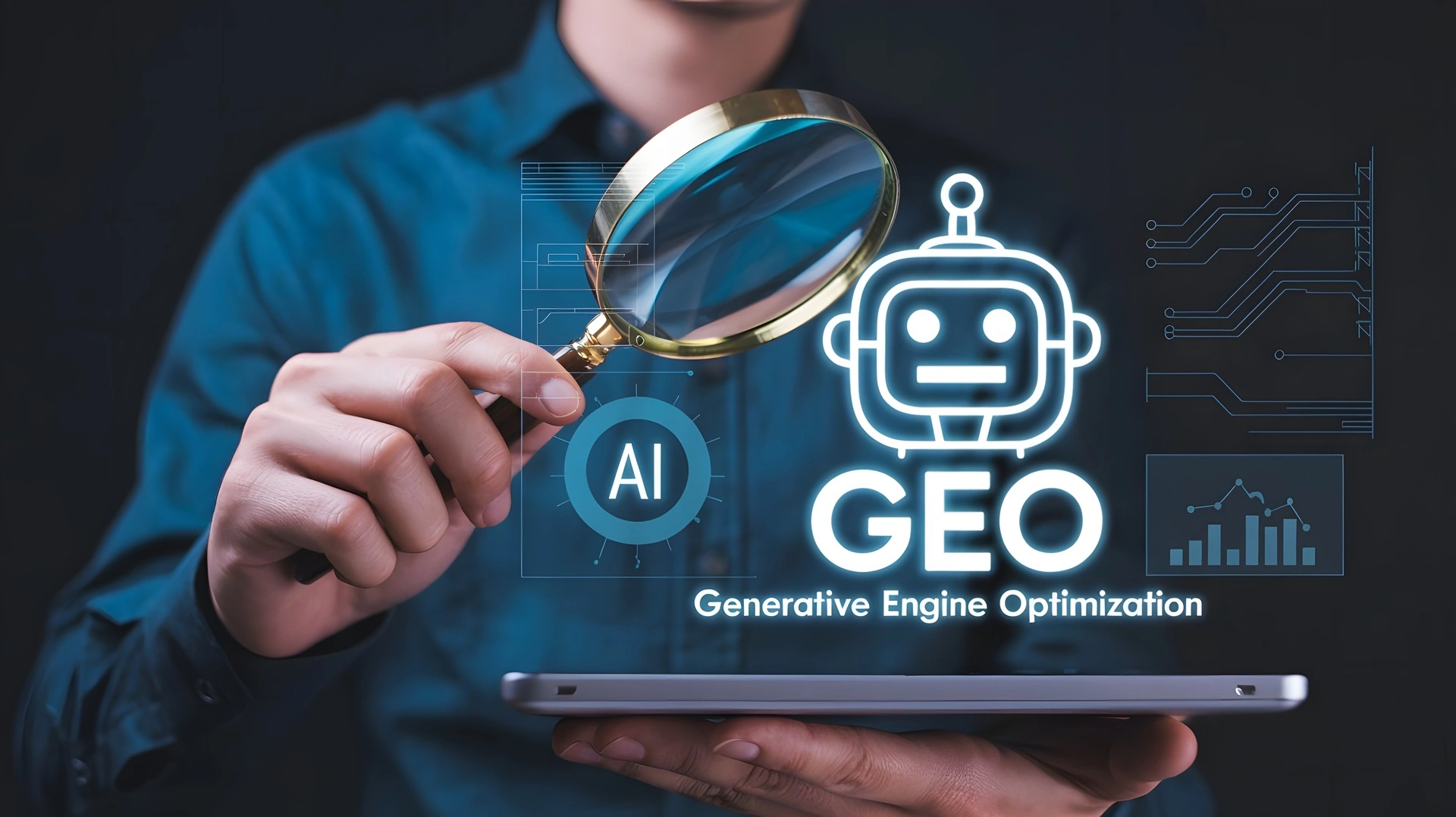
Knowing the pillars is one thing; applying them is another. This process ensures that every piece of content you publish has the maximum chance of being used as a source.
Step 1: Conduct AI-Specific Keyword Research
Traditional keyword tools show you search volume. For AI optimization, you need to look at “question modifiers.” Focus on long-tail keywords that start with “How,” “Why,” “What,” and “Best.” These are the queries that trigger generative answers. Use tools like AnswerThePublic or analyze the “People Also Ask” boxes on Google to find these conversational queries.
You should also analyze what ChatGPT or Perplexity currently says for your target keyword. If the AI answer is thin or inaccurate, that is your opportunity to create better content that fills the gap. If the AI answer is excellent, look at which sources it cited and analyze why they were chosen.
Step 2: Write for the “Snippet” First
Structure your article with the “inverted pyramid” style. Put the most critical information in the first 100 words. Use bullet points and tables for comparative data. AI loves lists because they are easy to parse. When you write a paragraph, ensure the first sentence is a standalone fact that makes sense even if the rest of the paragraph is removed.
Step 3: Cite Your Sources (Internally and Externally)
To be seen as trustworthy, you must cite your own sources. Link to your previous research and data studies. If you make a claim, link to a reputable external source (like a government site or a peer-reviewed journal) to back it up. This shows the AI that your content is grounded in verifiable fact, not just opinion.
This “citation network” helps the AI cross-reference your content. If you say “The sky is blue” and link to a NASA page that says “The sky is blue,” the AI sees a correlation and increases your trust score. This is a direct signal of E-E-A-T.
Benefits and Limitations of Generative Search Optimization
It is crucial to have a balanced view of this new discipline. While the benefits are significant, there are also limitations that marketers must acknowledge to avoid over-investing in the wrong tactics.
The Benefits
- Brand Visibility: Being cited in an AI answer positions your brand as a thought leader in front of millions of users.
- Voice Search Alignment: Generative optimization aligns perfectly with voice search queries, which are conversational and long-tail.
- Higher Trust: Users often perceive AI-generated answers as objective. Being the source of that answer transfers that objectivity to your brand.
- Future-Proofing: As AI becomes the primary interface for the internet, you are building a moat against competitors who are still stuck in 2015 SEO tactics.
- Zero-Click Traffic: The primary downside is that you may get the citation but not the visit. Your conversion rate from “AI impressions” is currently very low.
- Lack of Control: You cannot control how the AI paraphrases your content. It might take your quote out of context or combine it with a competitor’s conflicting data.
- Attribution Difficulty: It is hard to measure the ROI of an AI citation. You cannot easily track “AI impressions” in Google Analytics.
- Algorithm Volatility: AI models are updated frequently. What works today to get cited might not work tomorrow after a model update.
- Focus on Original Research: AI loves data. If you conduct a unique survey or study, you become the primary source. No one can paraphrase your original data without citing you.
- Optimize for Perplexity and ChatGPT: Do not just optimize for Google. These standalone AI tools have different algorithms. They often favor Reddit and Quora for personal experiences. Ensure your brand has a presence on these platforms.
- Monitor Your “AI Mentions”: Use tools to track when your brand is mentioned in AI responses. This is your new “rank tracking.” Set up alerts for your brand name plus “AI overview” or “ChatGPT.”
- Maintain High EEAT: Author bios, credentials, and “About Us” pages are more critical than ever. The AI checks the author’s authority. If your author has no digital footprint, your content is considered less trustworthy.
The Limitations
Comparison: Traditional SEO vs. AI SEO Generative Search Optimization

To fully grasp the nuance, it helps to see the two disciplines side-by-side. They are not mutually exclusive, but they prioritize different metrics and tactics.
| Feature | Traditional SEO | AI Generative Search Optimization |
|---|---|---|
| Primary Goal | Rank #1 in the blue links (SERP) | Be cited as a source in the AI answer box |
| Content Style | Keyword-rich, optimized for CTR | Direct answers, entity-rich, conversational |
| Key Metric | Organic Click-Through Rate (CTR) | Brand Mentions and Citation Frequency |
| Technical Focus | Page speed, mobile-friendliness, backlinks | Schema markup, knowledge graph alignment, digital PR |
| User Intent | Informational, Navigational, Transactional | Conversational, Question-based, Synthesis |
| Content Length | Often 1500-2000 words for depth | Variable, but requires clear “chunked” sections |
Notice that traditional SEO focuses on getting the click. Generative SEO focuses on getting the “nod.” You want the AI to nod its head and say, “Yes, this source is correct.” This requires a level of clarity that traditional SEO often lacks.
Common Mistakes and How to Avoid Them
Many brands are rushing into this space and making critical errors. These mistakes can not only prevent you from being cited but can also damage your existing organic rankings. Here are the most common pitfalls and the strategies to avoid them.
Mistake 1: Keyword Stuffing in AI Content
Some marketers think they can trick the AI by repeating the keyword “AI SEO Generative Search Optimization” fifty times in a paragraph. This is a fatal error. AI models are trained to detect spam. They will penalize your content and ignore it entirely.
The Fix: Use the keyword naturally in the H1, the first paragraph, and one H2. Use synonyms and related terms (semantic keywords) throughout the rest of the text. Write for humans first, machines second.
Mistake 2: Ignoring the “Why” Behind the Query
Generative AI is excellent at understanding the “intent” behind a query. If you write a listicle of “Top 10 Tools” but the user asked “How to choose a tool,” the A You must answer the specific question asked, not a tangential question you want to answer.
The Fix: Analyze the exact phrasing of the query. If it asks “How,” provide a step-by-step guide. If it asks “Why,” provide the reasoning and evidence. Match your content format to the query type.
Mistake 3: Neglecting Content Freshness
AI models have a knowledge cutoff, but they also prioritize fresh content for real-time queries. If your statistics are from 2020, the A Stale content is a death sentence for generative visibility.
The Fix: Implement a “content refresh” schedule. Update your statistics, dates, and examples every six months. Ensure your “last updated” date is visible on the page.
Mistake 4: Blocking AI Crawlers
In a panic about content scraping, some webmasters have blocked GPTBot and other AI crawlers via robots.txt. While this protects your content from being used, it also makes you invisible. You cannot be cited if the AI cannot read you.
The Fix: Allow AI crawlers to access your site. If you are worried about scraping, use Cloudflare’s AI bot protection to allow access but prevent theft of large data sets.
Important Notes for Long-Term Success
As you implement these strategies, keep these critical notes in mind. The landscape is evolving rapidly, and what works today may need adjustment tomorrow. Staying agile is your greatest asset.
Frequently Asked Questions (FAQ)
What is the difference between traditional SEO and AI SEO Generative Search Optimization?
Traditional SEO focuses on ranking web pages in a list of search results to earn clicks. AI SEO Generative Search Optimization focuses on optimizing content so that AI engines select it as a source to generate a synthesized answer, often resulting in zero clicks but high brand visibility.
How do I track the ROI of Generative Search Optimization?
Tracking is challenging. You should monitor brand mentions in AI tools, track referral traffic from AI platforms (if available), and measure branded search volume increases. You can also use surveys to ask customers how they found you, specifically asking if they used an AI tool.
Does schema markup help with AI search rankings?
Yes. Schema markup (structured data) helps AI engines understand the context and relationships of your content. It clarifies entities, dates, and definitions, making it easier for the AI to trust and cite your information.
Should I block GPTBot from crawling my site?
No. Blocking AI crawlers prevents your content from being cited in AI responses. While it protects against scraping, it removes you from the generative search ecosystem entirely. It is better to allow access and focus on creating high-quality, unique content that AI wants to cite.
How long until I see results from AI SEO?
Results vary. If you have a high-authority domain, you might see citations within weeks. For newer domains, it can take several months of consistent publishing and digital PR to build the trust signals required for AI citation. Patience and consistency are key.
Conclusion
AI SEO Generative Search Optimization is not a passing trend; it is the evolution of search itself. The way users find information has changed permanently. By focusing on entity clarity, structured data, direct answer formatting, and digital PR, you position your brand at the forefront of this revolution. The shift from “click optimization” to “citation optimization” requires a change in mindset, but the rewards are substantial. Brands that embrace this change will own the digital shelf space of the future, becoming the trusted sources that power the world’s knowledge engines. Start auditing your content today, ask yourself if an AI would cite it, and close the gap between your content and the answer box.
Xem thêm:
- AI SEO Server Logs: The Complete Guide to Unlocking Hidden Search Insights
- AI SEO Link Architecture: The Complete Guide to Smarter Internal Linking in 2025
- AI SEO Google Search Console: The Complete Guide to Smarter Search Performance
- AI SEO Dashboards: The Complete Guide to Data-Driven Search Optimization in 2025
- AI Link Building: The Definitive Guide to Smart Backlink Strategies in 2025
Bài viết cùng chủ đề:

AI SEO SEO Automation with Make: The Complete Workflow Guide

AI SEO SEO Automation with Zapier: The Complete Workflow Guide

AI SEO SEO Automation with n8n: The Complete Workflow Guide
AI SEO SEO Automation with Gemini: The Complete Guide to Scaling Organic Growth

AI SEO SEO Automation with Claude: The Complete Guide to Scaling Content in 2025

AI SEO SEO Automation with ChatGPT: The Complete Playbook for 2025

AI SEO & SEO Automation for Affiliate Sites: The 2025 Playbook for Passive Income Growth
AI SEO & SEO Automation for Bloggers: The Complete Guide to Scaling Your Content

AI SEO & SEO Automation for Agencies: The Complete 2025 Playbook

AI SEO and SEO Automation for Ecommerce: The Complete Playbook for 2025

AI SEO & SEO Automation for WordPress: The Complete Playbook for 2025
AI SEO SEO Automation Strategy: The Complete Playbook for 2025

Mastering the AI SEO SEO Automation Process: A Complete Guide to Scaling Organic Growth
AI SEO SEO Automation System: The Complete Guide to Scaling Organic Growth in 2025
AI SEO SEO Automation Platform: The Complete Guide to Scaling Organic Growth in 2025
AI SEO SEO Automation Software: The Complete Guide to Scaling Organic Growth in 2025















