
No products in the cart.
AI SEO Keyword Insights: The Complete Guide to Data-Driven Search Optimization

31
Jul
Jul
AI SEO keyword insights have fundamentally changed how digital marketers approach search engine optimization. Traditional keyword research relied on manual volume checks and educated guesses. Today, artificial intelligence processes billions of search queries to reveal patterns, intent, and opportunities that human analysis simply cannot match. This comprehensive guide explores how AI-powered tools generate actionable keyword insights, why they outperform conventional methods, and how to integrate these findings into a winning content strategy.
What Are AI SEO Keyword Insights?
AI SEO keyword insights refer to the data-driven recommendations and patterns generated by machine learning algorithms analyzing search engine data. These insights go beyond basic metrics like search volume and keyword difficulty. They uncover semantic relationships, user intent layers, content gaps, and predictive trends that inform strategic decisions.
Unlike traditional keyword tools that simply aggregate data, AI systems learn from historical performance, competitor analysis, and user behavior. They identify which keyword clusters drive conversions, which topics are gaining momentum, and which content formats satisfy specific search queries. The result is a dynamic, evolving understanding of how people search and what they expect to find.
The Core Components of AI-Driven Keyword Analysis
Modern AI SEO platforms analyze multiple data dimensions simultaneously. These include search volume trends over time, click-through rate patterns, SERP feature presence, user engagement signals, and topical authority mapping. By processing these layers together, AI generates insights that connect keywords to business outcomes, not just rankings.
Natural language processing (NLP) plays a critical role in understanding query semantics. AI models recognize that “best running shoes for flat feet” and “shoes for overpronation” share the same user intent. This semantic understanding enables content creators to target broader topic clusters rather than isolated keywords, improving topical relevance and search visibility.
How AI Generates Keyword Insights That Traditional Tools Miss
Traditional keyword research tools operate on historical data snapshots. They show what people searched for yesterday, not what they will search for tomorrow. AI SEO keyword insights use predictive modeling to forecast emerging trends before they peak. This forward-looking approach gives early movers a significant competitive advantage.
Machine learning algorithms also detect long-tail keyword opportunities that manual research overlooks. While human analysts focus on high-volume head terms, AI identifies thousands of low-competition, high-conversion queries that collectively drive substantial organic traffic. These insights reveal the specific language your target audience uses at different stages of the buying journey.
Understanding Search Intent Through AI Analysis
AI systems classify keywords into intent categories: informational, navigational, commercial, and transactional. This classification goes beyond simple labeling. The algorithms analyze SERP features, content formats, and user interaction patterns to determine what type of content satisfies each query. For example, AI might reveal that a keyword with moderate volume has high commercial intent because most top-ranking pages are product comparison guides.
This intent analysis transforms keyword selection. Instead of chasing volume, you target keywords that align with your conversion goals. AI SEO keyword insights show you which queries indicate ready-to-buy users versus those still in the research phase, allowing you to create content that moves users through the funnel effectively.
Key Benefits of Using AI SEO Keyword Insights
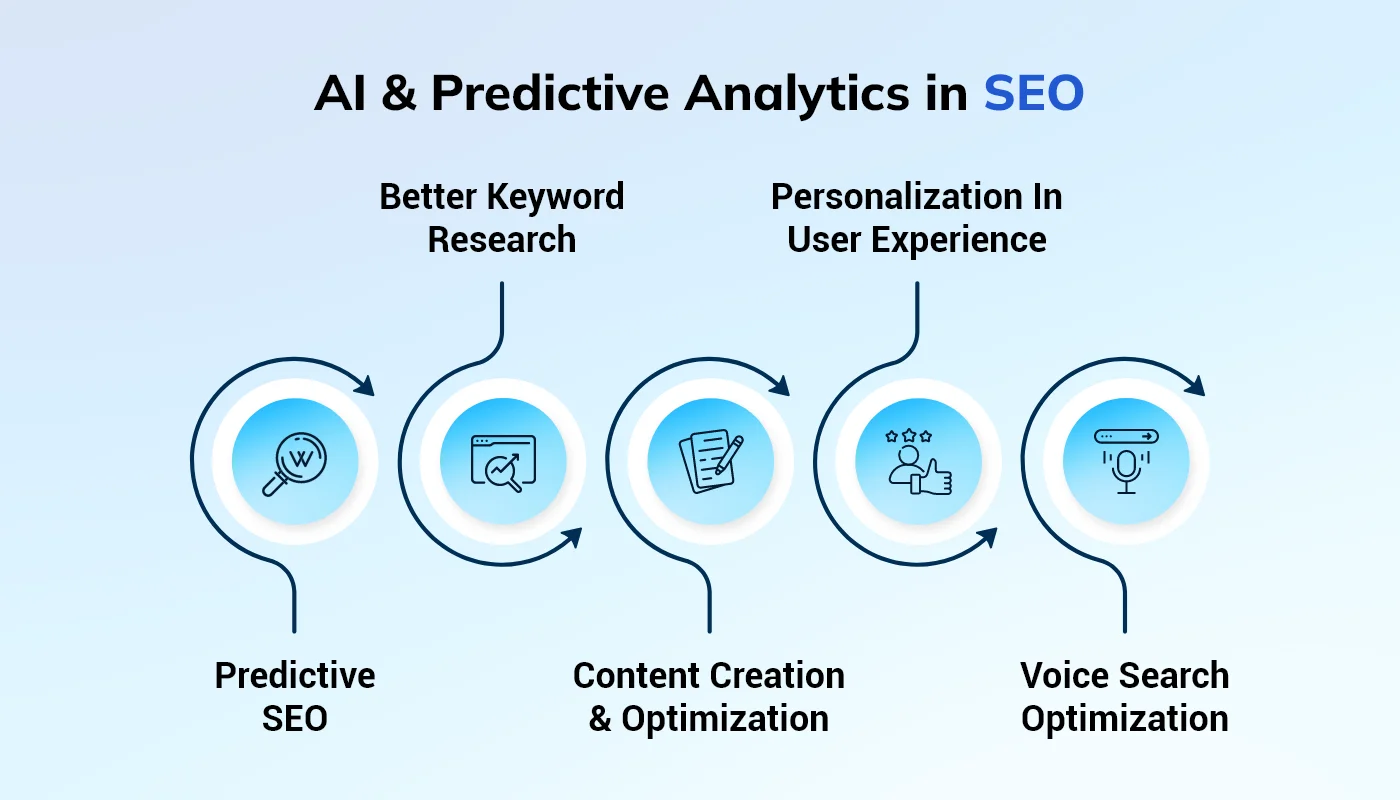
Implementing AI-driven keyword insights delivers measurable advantages across your entire SEO strategy. The benefits extend far beyond simple rank tracking.
- Time efficiency: AI processes thousands of keywords in minutes, freeing your team for strategic tasks
- Accuracy improvement: Machine learning reduces human bias in keyword selection
- Competitive intelligence: AI monitors competitor keyword strategies in real-time
- Content gap identification: Algorithms reveal topics your competitors haven’t covered
- Predictive trend spotting: Early detection of rising search terms before they become saturated
- Better ROI: Focus resources on keywords with proven conversion potential
- Ignoring search intent: Focusing only on volume metrics while neglecting what users actually want
- Keyword stuffing: Over-optimizing content with AI-recommended keywords, harming readability
- Neglecting long-tail opportunities: Chasing competitive head terms while ignoring valuable niche queries
- Failing to update: Treating AI insights as one-time research instead of continuous monitoring
- Over-reliance on automation: Delegating all strategic decisions to algorithms without human review
- Ignoring SERP features: Not optimizing for featured snippets, people also ask, or video results
Limitations and Considerations
AI SEO keyword insights are powerful but not infallible. The quality of insights depends on the data sources and algorithms used. Some tools rely on limited search data, leading to skewed results. Additionally, AI models can struggle with brand-new topics that have no historical data to analyze.
Human oversight remains essential. AI identifies patterns, but experienced marketers interpret those patterns within business context. A keyword might show high potential, but if it doesn’t align with your brand voice or product offering, it’s not the right target. The most effective approach combines AI-generated insights with human strategic judgment.
AI SEO Keyword Insights vs. Traditional Keyword Research
| Aspect | Traditional Keyword Research | AI SEO Keyword Insights |
|---|---|---|
| Data processing | Manual analysis of static reports | Real-time processing of millions of queries |
| Intent understanding | Basic categorization | Deep semantic and contextual analysis |
| Trend prediction | Reactive, based on past data | Predictive, forecasting future demand |
| Competitor analysis | Periodic manual checks | Continuous automated monitoring |
| Content recommendations | Generic keyword lists | Specific topics, formats, and angles |
| Scalability | Limited by human capacity | Unlimited scale across all niches |
The comparison clearly shows that AI-driven approaches offer superior depth and speed. However, traditional methods still hold value for understanding brand-specific nuances and historical context. The best strategies integrate both approaches, using AI for broad discovery and human expertise for final selection.
Practical Applications of AI Keyword Insights in Content Strategy
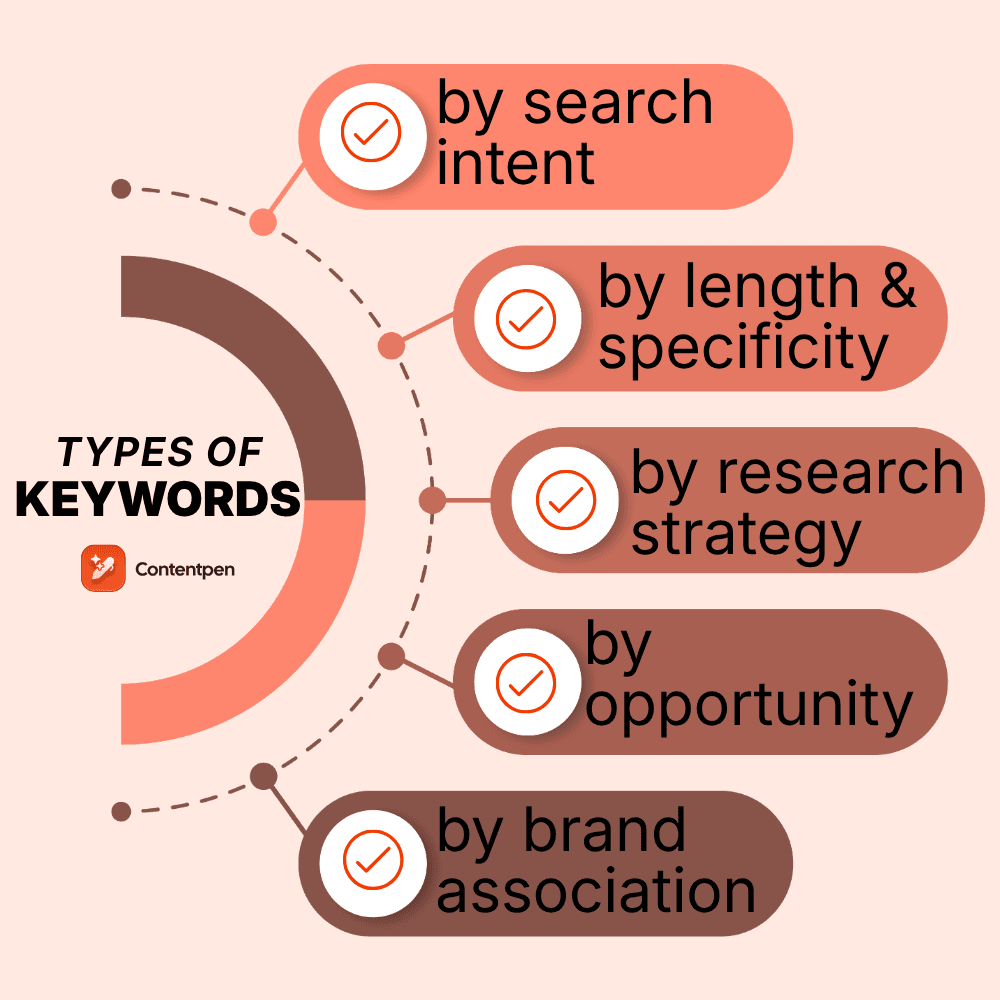
Applying AI SEO keyword insights requires a structured approach. Start by identifying your core business objectives, then use AI tools to map keywords to those objectives. For an e-commerce site, this might mean prioritizing transactional keywords. For a B2B company, informational keywords that build authority might take precedence.
Building Topic Clusters with AI Insights
AI tools group related keywords into topical clusters automatically. These clusters form the foundation of a pillar-and-cluster content strategy. The AI identifies the pillar topic that covers the broad theme and supporting subtopics that address specific user questions. This structure signals topical authority to search engines, improving rankings across the entire cluster.
For example, AI insights might reveal that “content marketing strategy” is a high-value pillar topic. The algorithm then identifies supporting keywords like “content calendar templates,” “content distribution channels,” and “measuring content ROI.” Each supporting topic becomes a dedicated article that links back to the pillar page, creating a comprehensive resource that search engines reward.
Optimizing Existing Content with AI Insights
AI SEO keyword insights aren’t just for new content creation. They also guide content refresh strategies. AI tools analyze your existing pages and compare them against current search intent and competitor content. They identify missing subtopics, outdated information, and opportunities to add relevant keywords that improve relevance.
This optimization process extends to meta descriptions, title tags, and internal linking structures. AI insights reveal which secondary keywords should appear in these elements to improve click-through rates and contextual relevance. Regular content audits using AI tools ensure your existing assets remain competitive as search patterns evolve.
Common Mistakes When Using AI Keyword Insights
Many marketers make avoidable errors when implementing AI-driven keyword strategies. Recognizing these pitfalls helps you maximize the value of your tools.
How to Avoid These Mistakes
Develop a clear workflow that combines AI insights with human expertise. Set specific goals for each keyword targeting initiative. Review AI recommendations critically, asking whether each keyword aligns with your business objectives. Schedule regular updates to your keyword strategy based on new AI insights and performance data.
Create content that serves users first, incorporating keywords naturally. Use AI insights to understand what questions your audience asks, then answer those questions comprehensively. Monitor your SERP features and adjust your content format to match what search engines display for your target keywords.
Important Notes for Maximizing AI Keyword Insights
Data quality determines insight quality. Choose AI SEO tools that source data from multiple search engines and update their databases frequently. Tools that rely on limited or outdated data will produce misleading insights that harm your strategy.
Context matters. AI insights generated for one industry may not apply to another. A keyword that performs well for a technology blog might be irrelevant for a local restaurant. Always filter AI recommendations through your specific market, audience, and geographic considerations.
Integration is key. AI SEO keyword insights work best when connected to your broader marketing stack. Link keyword data with analytics, CRM, and content management systems to create a unified view of how keywords drive business results. This integration enables continuous optimization based on real performance data.
Frequently Asked Questions About AI SEO Keyword Insights
What is the difference between AI keyword insights and regular keyword research?
Regular keyword research typically involves checking search volume, difficulty scores, and competition levels for specific terms. AI keyword insights go deeper by analyzing semantic relationships, user intent patterns, predictive trends, and content gaps. AI processes vast amounts of data to identify opportunities that manual research would miss, such as emerging topics and long-tail queries with high conversion potential.
How accurate are AI SEO keyword insights?
Accuracy varies by tool and data sources. High-quality AI platforms that aggregate data from multiple search engines and update frequently provide highly accurate insights. However, no tool is perfect. AI predictions about future trends carry inherent uncertainty. The most reliable approach combines AI insights with manual verification and real-world performance data to validate recommendations.
Can AI keyword insights replace human SEO experts?
No. AI provides powerful data analysis and pattern recognition, but human expertise remains essential for strategic interpretation, creative content development, and understanding nuanced business contexts. AI identifies what is happening and what might happen, but humans decide what to do about it. The best results come from collaboration between AI tools and experienced SEO professionals.
How often should I update my keyword strategy using AI insights?
Search behavior changes constantly, so keyword strategies should be reviewed at least monthly. High-velocity industries may require weekly updates. AI tools make this feasible by automating data collection and analysis. Set up regular reporting to track keyword performance and identify new opportunities as they emerge.
What are the best AI tools for generating keyword insights?
Several platforms offer robust AI keyword analysis, including Semrush, Ahrefs, and Surfer SEO. Each has strengths in different areas. Semrush excels at competitive analysis, Ahrefs provides comprehensive backlink and keyword data, and Surfer SEO focuses on content optimization. The best choice depends on your specific needs, budget, and existing marketing stack.
Conclusion

AI SEO keyword insights represent a fundamental shift in how digital marketers approach search optimization. The ability to process massive datasets, understand semantic nuances, and predict emerging trends gives businesses a significant competitive edge. Traditional keyword research methods remain useful, but they cannot match the depth, speed, and accuracy of AI-driven analysis.
Success with AI keyword insights requires more than just purchasing a tool. It demands a strategic framework that connects keyword data to business objectives, a commitment to continuous monitoring and adaptation, and the wisdom to combine algorithmic recommendations with human judgment. Marketers who master this balance will consistently outperform competitors who rely on outdated methods.
The future of SEO belongs to those who embrace data-driven decision-making powered by artificial intelligence. Start integrating AI SEO keyword insights into your workflow today, and you will build a content strategy that not only ranks well but genuinely serves your audience’s needs. The tools are available, the data is waiting, and the opportunities are substantial for those ready to act.
Xem thêm:
- AI SEO Ecommerce Schema: The Complete Guide to Structured Data That Drives Sales
- AI SEO Content Editing: The Complete Guide to Smarter, Faster Optimization
- AI SEO Lazy Loading: The Complete Guide to Faster Sites and Higher Rankings
- AI SEO Keyword Data: The Complete Guide to Data-Driven Search Optimization
- AI SEO Google Search Console: The Complete Guide to Smarter Search Performance
Bài viết cùng chủ đề:

AI SEO SEO Automation with Make: The Complete Workflow Guide

AI SEO SEO Automation with Zapier: The Complete Workflow Guide

AI SEO SEO Automation with n8n: The Complete Workflow Guide
AI SEO SEO Automation with Gemini: The Complete Guide to Scaling Organic Growth

AI SEO SEO Automation with Claude: The Complete Guide to Scaling Content in 2025

AI SEO SEO Automation with ChatGPT: The Complete Playbook for 2025

AI SEO & SEO Automation for Affiliate Sites: The 2025 Playbook for Passive Income Growth
AI SEO & SEO Automation for Bloggers: The Complete Guide to Scaling Your Content

AI SEO & SEO Automation for Agencies: The Complete 2025 Playbook

AI SEO and SEO Automation for Ecommerce: The Complete Playbook for 2025

AI SEO & SEO Automation for WordPress: The Complete Playbook for 2025
AI SEO SEO Automation Strategy: The Complete Playbook for 2025

Mastering the AI SEO SEO Automation Process: A Complete Guide to Scaling Organic Growth
AI SEO SEO Automation System: The Complete Guide to Scaling Organic Growth in 2025
AI SEO SEO Automation Platform: The Complete Guide to Scaling Organic Growth in 2025
AI SEO SEO Automation Software: The Complete Guide to Scaling Organic Growth in 2025















