
No products in the cart.
AI SEO Reports: How Intelligent Automation Redefines Search Performance Analysis
29
Jul
Jul
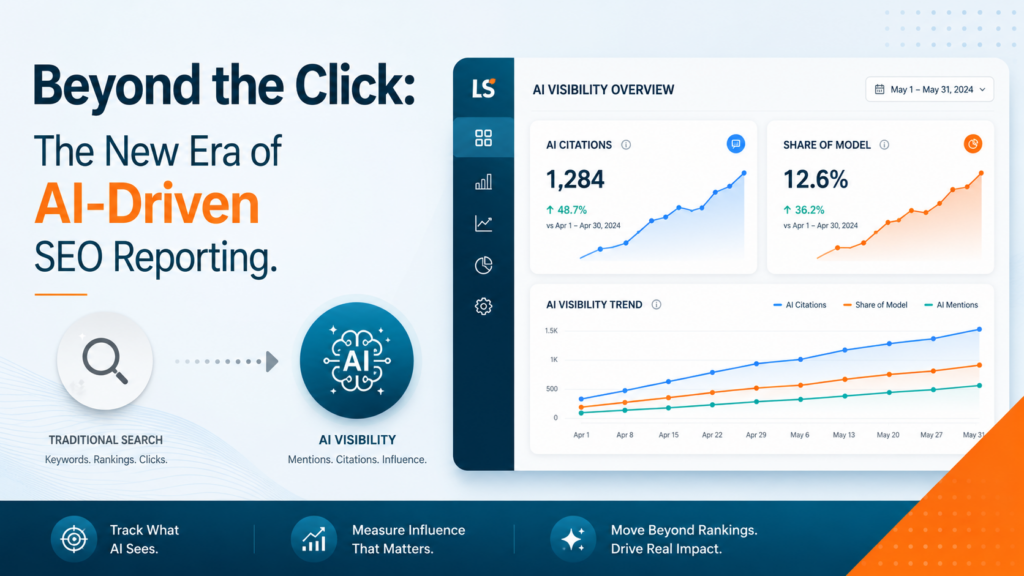
The landscape of search engine optimization moves faster than any manual workflow can track. Rankings shift, traffic patterns mutate, and algorithm updates can erase months of effort overnight. AI SEO reports have emerged as the essential solution for modern digital strategists who need real-time, predictive, and deeply actionable intelligence without drowning in spreadsheets. By injecting machine learning, natural language processing, and automated anomaly detection into the reporting pipeline, these systems deliver clarity where human analysts often see only noise.
This comprehensive guide examines every layer of AI SEO reports, from the underlying technology to practical implementation. You will discover how to separate meaningful signals from vanity metrics, which capabilities truly move the needle, and where even the most advanced AI still requires a human touch.
What Are AI SEO Reports?
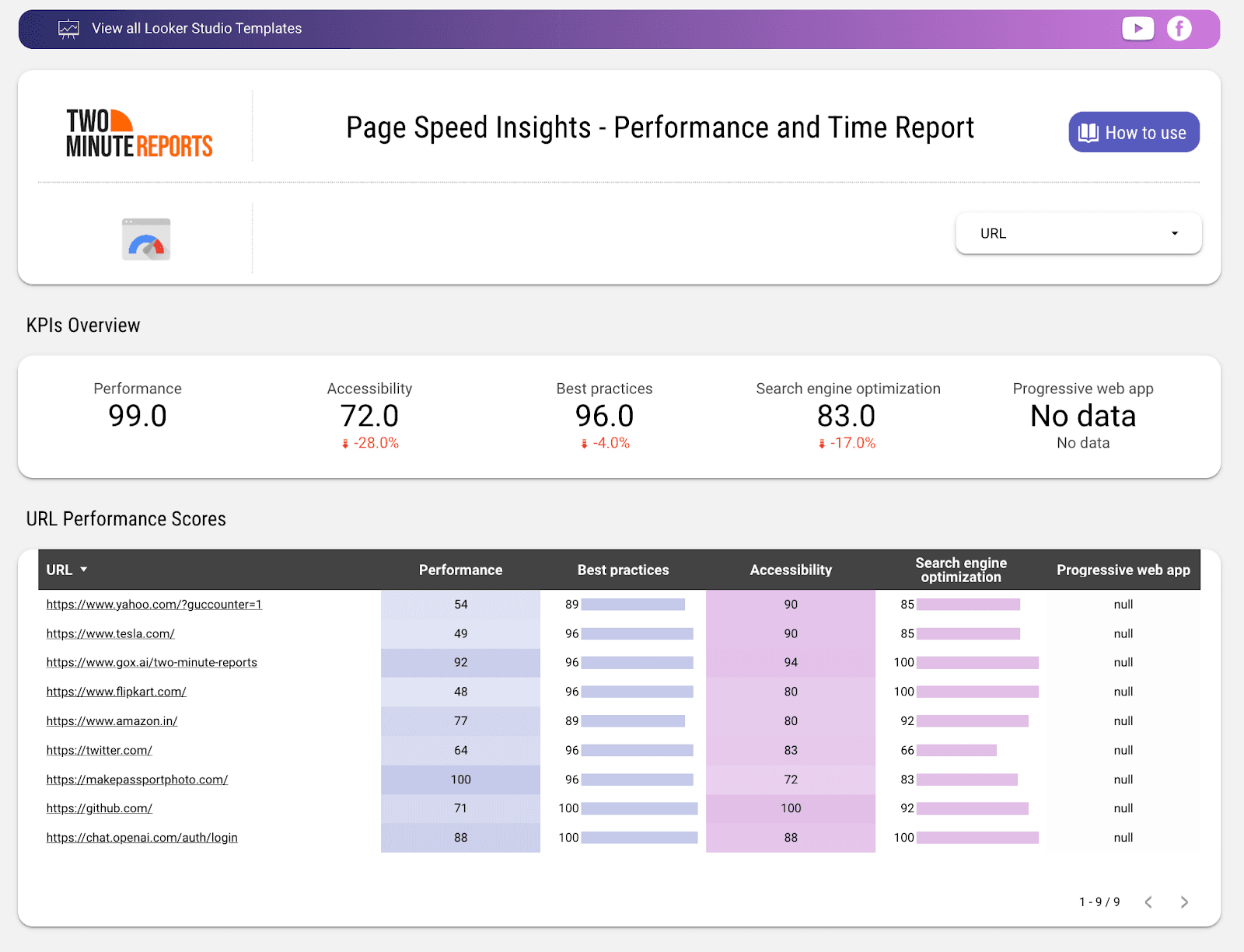
An AI SEO report is a performance document generated and enriched by artificial intelligence algorithms rather than assembled entirely by hand. It pulls raw data from sources like Google Search Console, Google Analytics, rank trackers, backlink monitors, and crawling tools, then interprets that data automatically. The output goes far beyond static charts; it surfaces hidden correlations, predicts future ranking movements, and writes executive summaries in plain language.
Traditional reporting tells you what happened—traffic dropped 15%, a specific keyword moved from position 4 to 11. AI SEO reports tell you why it likely happened, what it means for your revenue, and which corrective action has the highest probability of success. The core engines rely on techniques such as time-series forecasting, clustering, natural language generation, and anomaly detection models trained on massive datasets of search behavior.
The Core Components of an AI SEO Report
Every credible AI-driven reporting platform rests on a few foundational layers. Understanding these components helps you evaluate tools and interpret outputs more critically.
- Automated data aggregation: The system connects via API to your entire martech stack—analytics, webmaster tools, CRM, rank tracking—and normalizes the data into a unified schema. No more copying and pasting from a dozen tabs.
- Anomaly detection engine: Algorithms continuously scan for statistically significant deviations from historical trends, such as a sudden spike in impressions for a cluster of pages or an unexpected crawl budget waste on low-value URLs.
- Root cause analysis: When an anomaly is detected, the AI cross-references multiple data dimensions—seasonal patterns, competitor movements, algorithm update timelines, site changes—to propose the most likely cause.
- Natural language generation (NLG): Instead of showing a confusing line graph, the system writes a paragraph like “Organic sessions from long-tail informational queries grew 23% week-over-week, driven primarily by the newly published pillar page on topic X, which earned 14 referring domains in its first seven days.”
- Predictive forecasting: Time-series models trained on your historical data and external market signals project future traffic, ranking positions, and revenue under different scenarios—with or without specific optimizations.
- Action prioritization: The engine ranks recommended fixes by estimated impact and effort, converting diagnostic data into an executable roadmap.
- Multi-source integration depth: The tool must ingest data from Google Search Console, Google Analytics 4, Bing Webmaster Tools, Ahrefs, Semrush, Majestic, Looker Studio, and internal databases via SQL connectors or API endpoints.
- Large language model-backed insights (LLM): Platforms using GPT-4-level models can generate context-rich summaries that understand semantic relationships, not just template-based fill-ins. For instance, they can explain a traffic drop in light of Google’s Helpful Content Update and suggest specific paragraph rewrites.
- Customizable KPI frameworks: True AI reporting allows you to define business-specific KPIs—lead-to-customer conversion values, lifetime customer value from organic channels—and then automatically ties ranking fluctuations to revenue impact, not just vanity traffic numbers.
- Competitor benchmarking automation: The engine continuously monitors a defined competitor set, identifies content gaps where competitors are winning traffic you lack, and quantifies the opportunity size in estimated monthly organic visits.
- User behavior integration: Beyond rankings, the AI merges heatmaps, session recordings, and scroll-depth data to determine if content is satisfying user intent. Declining rankings alongside low engagement metrics triggers a different recommendation than declining rankings with strong engagement—the latter might point to external SERP feature changes rather than content quality issues.
- White-label, presentation-ready output: The reports must be customizable with your agency branding, include executive summaries for C-level stakeholders, and offer interactive drill-downs for technical teams.
- Blind trust in AI without human verification. Generative AI can hallucinate confidently. Always cross-reference critical insights with raw data. A report claiming “you lost 500 backlinks” could be a misclassification of a reporting tool’s index refresh, not an actual penalty.
- Ignoring context that AI cannot (yet) understand. Brand mentions in a negative news cycle might spike traffic in a way AI labels as positive. Only a human can know that high traffic coupled with reputation damage is a problem. Add qualitative context layers to your interpretation.
- Over-optimizing for the metrics the AI highlights. AI reports might disproportionately emphasize easy-to-measure metrics like page speed scores. You could end up spending a month shaving 0.2 seconds from load time while your competitors build an entire content moat. Maintain a balanced strategic view.
- Feeding the engine dirty data. If your GA4 is not filtering internal traffic, your conversion rates are misconfigured, or your Search Console properties are incomplete, the AI outputs will be garbage. Invest in a data audit before implementing AI reporting.
- Reports without action. Producing beautiful AI-generated reports that nobody reads is a waste. Build a ritual: a 15-minute standup every Monday where the team reviews the top three anomalies and decides on owners for each corrective action.
How AI Transforms Traditional SEO Reporting
Manual reporting suffers from three fatal flaws: it is backward-looking, labor-intensive, and constrained by the analyst’s cognitive biases. AI SEO reports address each of these systematically, and the difference shows in both efficiency and strategic depth.
Speed and scale. An experienced SEO specialist might take four hours to pull data, build graphs, and draft commentary for a single client. An AI-powered tool completes the same work in minutes, allowing the specialist to handle ten times the portfolio while focusing on high-level strategy instead of data wrangling.
Pattern recognition beyond human limits. Machine learning models process thousands of signals simultaneously. They can identify that a subtle template change on category pages three weeks ago, combined with a 0.3-second increase in server response time, correlates with a 9% decline in pages per session for mobile users. No human would catch that manually.
Bias reduction. Human analysts tend to confirm their own hypotheses. If they believe a content refresh worked, they look for data that supports that belief. An objective AI report gives equal weight to contradictory evidence, questioning whether the uplift came from the refresh or from a favorable algorithm shift that simultaneously boosted competitors.
Proactive alerts. Instead of waiting for a monthly report to discover a problem, AI reporting layers send real-time notifications. A content decay alert might warn that a previously high-performing article is losing impressions to a newer competitor piece, giving you the chance to update it before rankings tank completely.
Key Features to Look for in AI-Powered SEO Reporting Tools
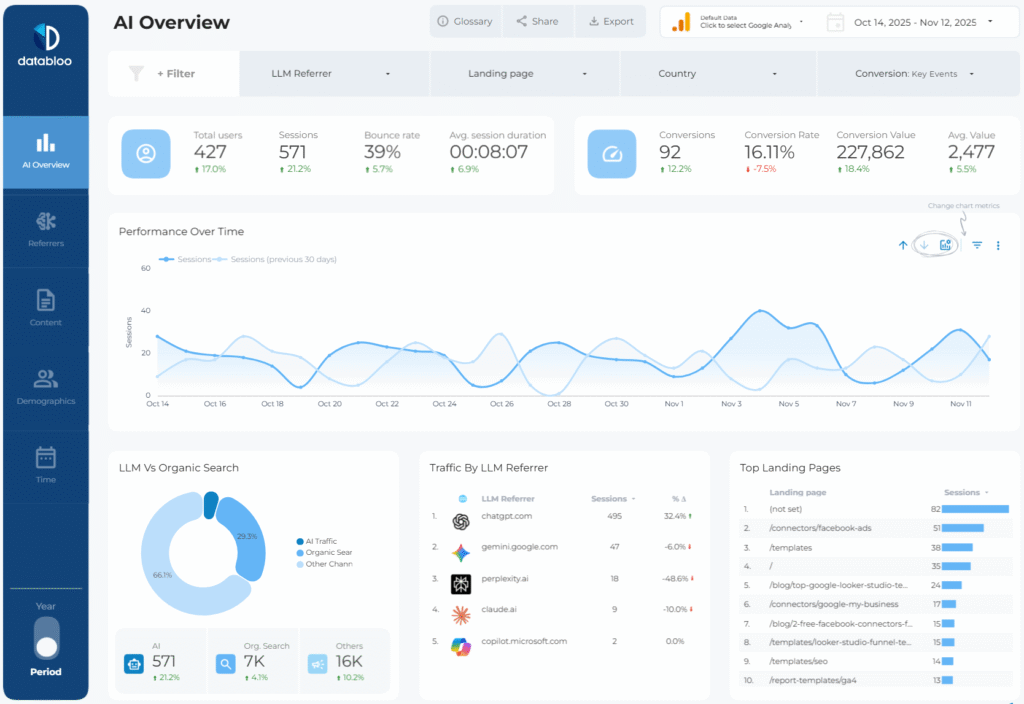
Not all AI SEO reports are created equal. Many tools slap an “AI” label on basic regression analysis. Below are the capabilities that differentiate genuine, value-driving platforms from superficial dashboards.
Comparing AI SEO Reports vs. Traditional Manual Reports
The table below highlights the practical differences that impact daily workflows and decision quality.
| Criteria | AI SEO Reports | Traditional Manual Reports |
|---|---|---|
| Data collection time | A few minutes via automated APIs | Several hours across multiple platforms |
| Insight depth | Uncovers multivariate correlations, predicts trends | Surface-level, descriptive (“up 10%”) |
| Error rate | Low, consistent; no copy-paste mistakes | Moderate to high, especially under time pressure |
| Causal analysis | Algorithmic root cause suggestions with confidence scores | Depends entirely on analyst expertise and available time |
| Forecasting | Built-in predictive models updated in real time | Rarely done, usually linear trendlines in Excel |
| Customization | Automatically tailored to business goals and stakeholder roles | Requires manual tweaking for different audiences |
| Actionability | Specific prioritized tasks with impact estimates | General recommendations often disconnected from data |
| Update frequency | Real-time or daily pulses | Weekly or monthly, often looking at stale data |
Step-by-Step Guide to Generating and Interpreting AI SEO Reports
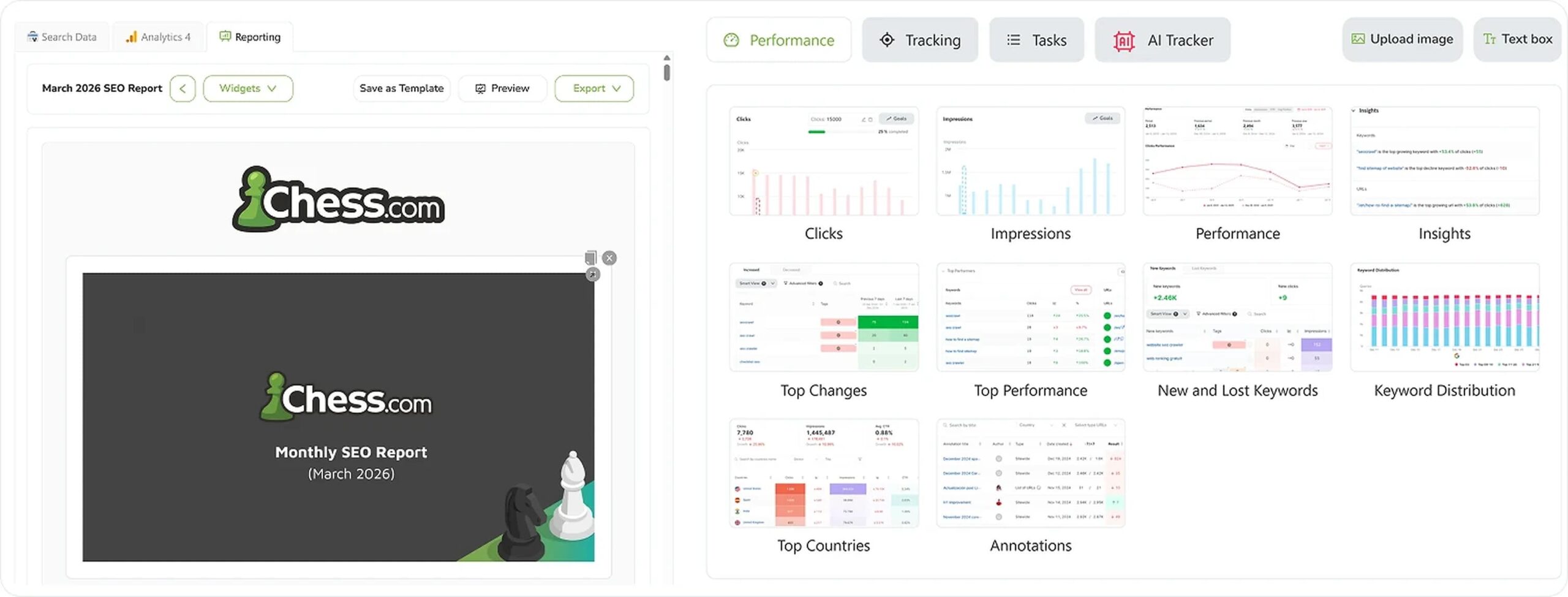
Implementing AI SEO reports is not a magic switch. The quality of output depends heavily on the quality of the input and the critical thinking applied to the AI’s conclusions. Follow this structured approach to maximize value.
Step 1: Consolidate Your Data Architecture
Before any AI can produce meaningful insights, all relevant data sources must be connected and mapped correctly. This means setting up proper property views in GA4, verifying site ownership in Google Search Console, and integrating third-party tools like Semrush or Ahrefs. You must also define a clear taxonomy—tagging pages by content type, business unit, and funnel stage—so the AI can segment reports with precision.
Step 2: Define the Business KPIs That Matter
Traffic and rankings are lagging indicators. Configure your AI reporting platform to calculate and track metrics like organic revenue, assisted conversions, lead quality scores, and customer acquisition cost from organic search. When the AI later reports a 15% traffic drop, it will automatically overlay revenue impact, helping you decide if the drop is neutral (low-conversion blog traffic) or critical (high-intent product pages).
Step 3: Set Up Custom Alerts and Anomaly Thresholds
Generic alerts fatigue teams. Fine-tune the anomaly detection sensitivity. A 5% shift on a top revenue driver should trigger an immediate Slack notification; a 20% shift on an experimental blog section might only deserve a weekly digest. Train the AI to ignore expected fluctuations, such as weekend dips or seasonal patterns, so only genuine anomalies surface.
Step 4: Read the Executive Summary First, Then Drill Down
Start with the natural language summary. An AI-generated sentence like “Organic sessions to your SaaS comparison pages fell 18% this week, likely due to two new competitors outranking you for high-volume terms with more recent statistics” immediately gives you a hypothesis. Click into the supporting data: rank history, competitor content timelines, and on-page engagement metrics. Verify the AI’s reasoning before acting.
Step 5: Validate Root Cause Analysis
Never take the AI’s first suggestion as absolute truth. Cross-check the contributing factors. Did a site migration happen? Was there a manual action? Did Google roll out a core update? If the AI blames content quality but your pages show strong dwell time, there might be a technical indexing issue instead. Use the report as a starting point for discussion with your team.
Step 6: Implement Recommendations with A/B Mindset
The action priority list should guide your sprint planning. However, treat each recommendation as an experiment. If the AI suggests updating meta descriptions for 30 pages to improve CTR, implement the change on half the pages first, monitor for two weeks, and then roll out fully if the lift materializes. This approach turns the AI SEO report into a continuous optimization engine rather than a one-time fix list.
Common Mistakes When Using AI SEO Reports (and How to Avoid Them)
Important Considerations for Accurate AI-Driven SEO Insights
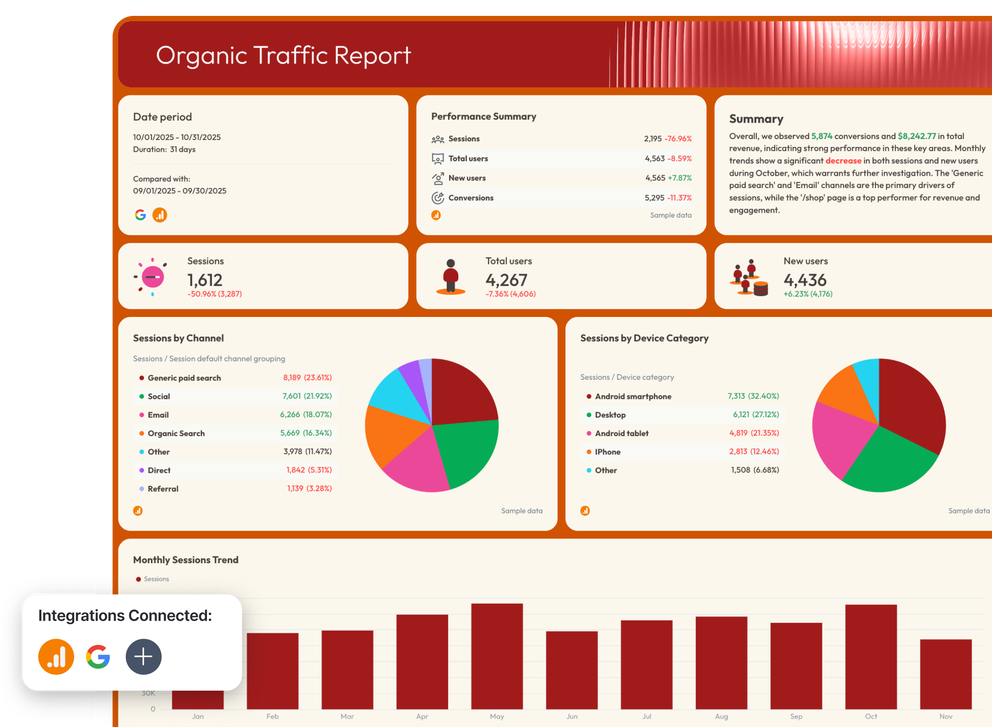
Even the most advanced AI SEO reports operate within constraints. Search algorithms are black boxes; no AI can perfectly predict Google’s next move. Treat projections as probabilistic ranges, not certainties. Additionally, regulatory pressures around data privacy mean some user-level data is increasingly unavailable; AI models that rely on granular user behavior may become less accurate over time. Stay informed about privacy-compliant attribution models.
Another critical factor is the explainability of AI recommendations. You should never present a report to a client or C-suite that says “Our AI recommends you rewrite these 20 pages” without being able to explain the “why” in plain business language. Choose platforms that provide transparent reasoning chains, not opaque scores.
Finally, keep the human in the loop for strategic creative tasks. AI SEO reports excel at quantitative analysis, but they cannot determine brand voice, build emotional resonance, or understand nuanced cultural shifts. The best results come from a partnership where the AI handles the data deluge and the human strategist crafts the narrative and big-picture direction.
Frequently Asked Questions About AI SEO Reports
What is an AI SEO report?
An AI SEO report is a performance analysis document automatically compiled and interpreted by artificial intelligence. It aggregates data from multiple SEO and analytics platforms, detects anomalies, identifies root causes of ranking changes, and delivers natural language summaries and prioritized action items.
Can AI SEO reports replace a human SEO specialist?
No. AI SEO reports are powerful assistants that automate data crunching and surface insights no human could catch at scale. However, strategic thinking, creative content direction, brand understanding, and ultimate accountability still require human expertise. The report informs decisions; it does not make them.
How accurate is the predictive data in AI SEO reports?
Predictive accuracy depends on the model quality, data volume, and market stability. In stable niches with sufficient historical data (6+ months), traffic forecasts can be within a 10-15% margin. During algorithm volatility or for new sites with sparse data, predictions are less reliable and should be treated as directional guidance.
What is the difference between an AI SEO report and a dashboard?
A dashboard displays raw metrics and charts. An AI SEO report goes further, interpreting those metrics—explaining why a metric moved, what impact it has, and what action to take. Think of a dashboard as a thermometer telling you the temperature, while an AI report is a doctor who diagnoses the fever and prescribes medicine.
How do I choose the right AI reporting tool for my agency?
Evaluate based on integration breadth (must connect to your existing stack), insight quality (ask for a real sample report on your domain), white-label customization, and the explainability of AI-generated recommendations. Prioritize tools that demonstrate clear ROI: how much time they save and how they directly improve client retention through better communication.
Can AI SEO reports help with Google algorithm updates?
Yes. During or after an update, the AI can compare your site’s performance against known update timelines, identify which page types and queries were affected, and assess whether the change aligns with documented update goals (e.g., rewarding expert content). This speeds up recovery planning significantly compared to manual correlation hunting.
Are AI SEO reports suitable for small business websites?
Absolutely. While large datasets improve model accuracy, small sites benefit even more from the time savings. A small business owner without a dedicated SEO team can get a monthly AI report that flags critical issues—like a broken sitemap or a sharp drop in local pack appearances—and explains them in plain language without needing technical expertise.
Conclusion
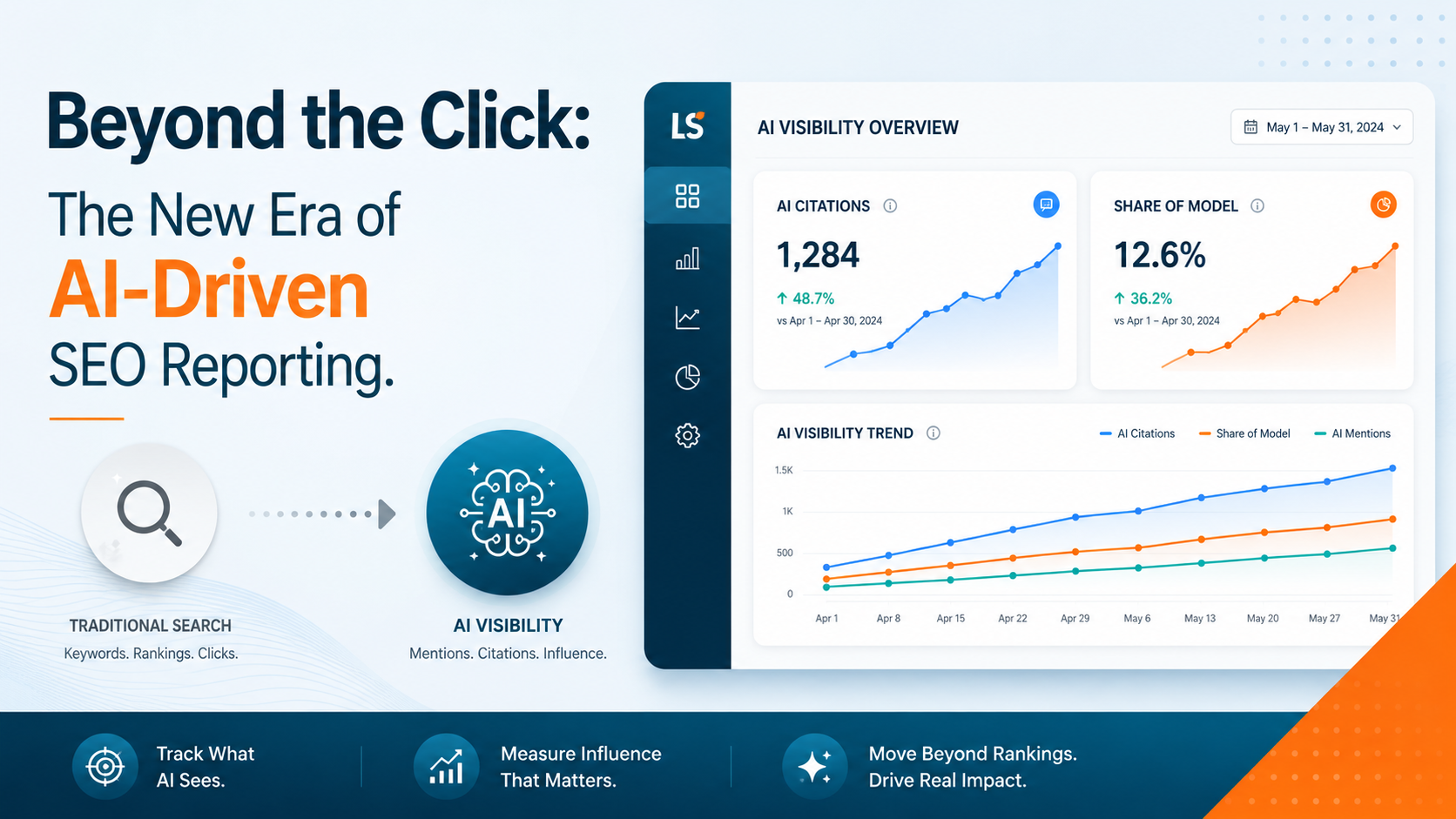
AI SEO reports have moved from a futuristic concept to a practical necessity for anyone serious about organic search performance. They collapse the time between data arrival and strategic action, dismantle confirmation bias, and deliver a level of diagnostic precision that manual processes simply cannot match. The technology layers anomaly detection onto unified data streams, then translates statistical complexity into natural language summaries that align marketing teams and stakeholders around fact-based priorities.
Yet the most effective practitioners treat these reports as a co-pilot, not an autopilot. The AI provides the map and the weather forecast; the human captain still steers the ship, decides on the destination, and takes responsibility for the journey. When you fuse the tireless analytical horsepower of AI with the nuanced judgment of an experienced strategist, you unlock a reporting process that not only describes the past but actively shapes a higher-performing future. The tools are ready. The data is waiting. The only remaining step is to commit to a reporting culture where every insight leads to a decision, and every decision is measured by its real-world impact on your organic growth.
Xem thêm:
- AI SEO Table Generator: The Complete Guide to Smarter Content in 2025
- Does AI Content Rank in Google? The Real Truth About AI-Generated SEO (2025 Update)
- AI SEO LLM Rankings: The Complete Guide to Winning AI Search in 2025
- AI SEO Structured Data Generator: The Complete Guide to Automated Schema Markup
- AI SEO Competitor Backlinks: The Complete Guide to Automated Link Gap Analysis
Bài viết cùng chủ đề:

AI SEO SEO Automation with Make: The Complete Workflow Guide

AI SEO SEO Automation with Zapier: The Complete Workflow Guide

AI SEO SEO Automation with n8n: The Complete Workflow Guide
AI SEO SEO Automation with Gemini: The Complete Guide to Scaling Organic Growth

AI SEO SEO Automation with Claude: The Complete Guide to Scaling Content in 2025

AI SEO SEO Automation with ChatGPT: The Complete Playbook for 2025

AI SEO & SEO Automation for Affiliate Sites: The 2025 Playbook for Passive Income Growth
AI SEO & SEO Automation for Bloggers: The Complete Guide to Scaling Your Content

AI SEO & SEO Automation for Agencies: The Complete 2025 Playbook

AI SEO and SEO Automation for Ecommerce: The Complete Playbook for 2025

AI SEO & SEO Automation for WordPress: The Complete Playbook for 2025
AI SEO SEO Automation Strategy: The Complete Playbook for 2025

Mastering the AI SEO SEO Automation Process: A Complete Guide to Scaling Organic Growth
AI SEO SEO Automation System: The Complete Guide to Scaling Organic Growth in 2025
AI SEO SEO Automation Platform: The Complete Guide to Scaling Organic Growth in 2025
AI SEO SEO Automation Software: The Complete Guide to Scaling Organic Growth in 2025















