
No products in the cart.
Mastering AI SEO Keyword Selection: The Complete Guide to Data-Driven Rankings
10
Aug
Aug
AI SEO keyword selection has transformed how digital marketers approach search engine optimization. Traditional keyword research relied on manual brainstorming, guesswork, and basic volume metrics. Today, artificial intelligence analyzes search intent, predicts content performance, and uncovers semantic relationships that human researchers often miss. This comprehensive guide explores how AI-powered tools and strategies can elevate your keyword research process, helping you target the right terms with precision and confidence.
Understanding AI SEO Keyword Selection
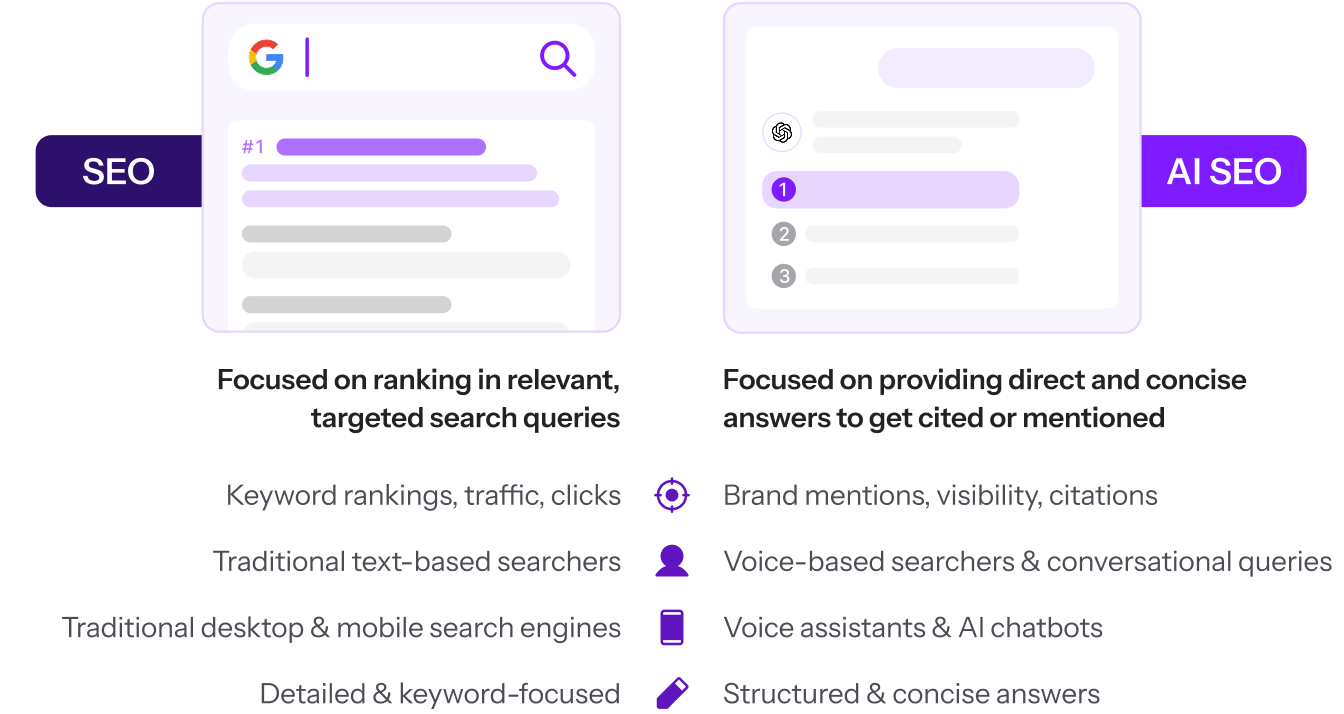
AI SEO keyword selection refers to the process of using machine learning algorithms and natural language processing to identify, evaluate, and prioritize keywords that will drive relevant organic traffic. Unlike conventional methods that focus primarily on search volume and difficulty scores, AI systems analyze thousands of data points simultaneously, including user behavior patterns, content relevance, competitor gaps, and evolving search trends.
The technology behind AI keyword selection has matured significantly. Modern systems process real-time search data, understand context through semantic analysis, and even predict which keywords will gain traction before they become competitive. This predictive capability gives early adopters a substantial advantage in crowded markets.
How AI Transforms Traditional Keyword Research
Traditional keyword research typically involved entering a seed term into a tool, reviewing volume and difficulty metrics, and manually selecting targets. AI SEO keyword selection changes this workflow fundamentally by automating analysis and revealing insights that would take days to uncover manually.
Semantic Search Understanding
Search engines now interpret queries contextually rather than matching exact phrases. AI keyword tools analyze the meaning behind words, identifying synonyms, related concepts, and user intent variations. This means targeting “best running shoes” also captures searches for “top sneakers for jogging” and “quality footwear for runners.”
Predictive Trend Analysis
Machine learning models examine historical search data, seasonal patterns, and emerging topics to forecast keyword performance. These predictions help marketers allocate resources toward terms with upward momentum rather than chasing declining opportunities.
Competitor Gap Identification
AI systems crawl competitor websites, analyze their keyword strategies, and identify gaps in their content coverage. This intelligence reveals untapped opportunities where your content can rank with less effort while capturing valuable traffic.
Key Components of an AI-Driven Keyword Strategy
Implementing AI SEO keyword selection requires understanding its core components and how they work together to produce actionable insights.
Search Intent Classification
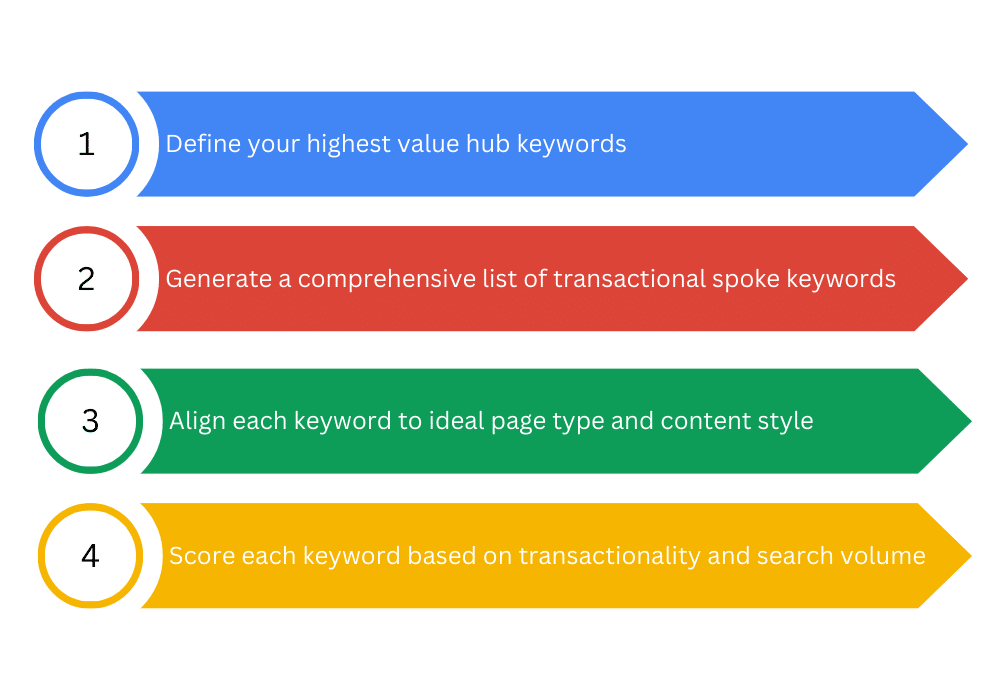
AI algorithms categorize keywords into four primary intent types: informational, navigational, commercial, and transactional. Each type requires different content formats and optimization approaches. For example, informational keywords demand comprehensive guides, while transactional terms need product pages with strong conversion elements.
Entity Recognition and Topic Clustering
Modern AI tools identify entities (people, places, products, concepts) within search queries and group related keywords into topical clusters. This approach supports pillar page strategies and helps establish topical authority, which search engines reward with higher rankings.
Serp Feature Opportunities
AI analysis determines which keywords trigger featured snippets, people-also-ask boxes, image carousels, or video results. Targeting keywords with featured snippet potential can dramatically increase visibility without requiring top position rankings.
Top AI-Powered Keyword Research Tools
Several platforms have integrated artificial intelligence into their keyword research capabilities, each offering unique strengths for different use cases.
| Tool | AI Capabilities | Best For |
|---|---|---|
| Surfer SEO | Content optimization scoring, keyword clustering, SERP analysis | On-page optimization and content briefs |
| Clearscope | Semantic relevance scoring, content grading, topic modeling | Comprehensive content creation |
| Ahrefs | Keyword difficulty prediction, click-through rate estimation, content gap analysis | Competitive research and backlink analysis |
| Semrush | AI writing assistant, keyword magic tool, topic research | Full-scale SEO campaigns |
| MarketMuse | Content intelligence, entity extraction, topical authority scoring | Enterprise-level content strategies |
Step-by-Step Process for AI SEO Keyword Selection
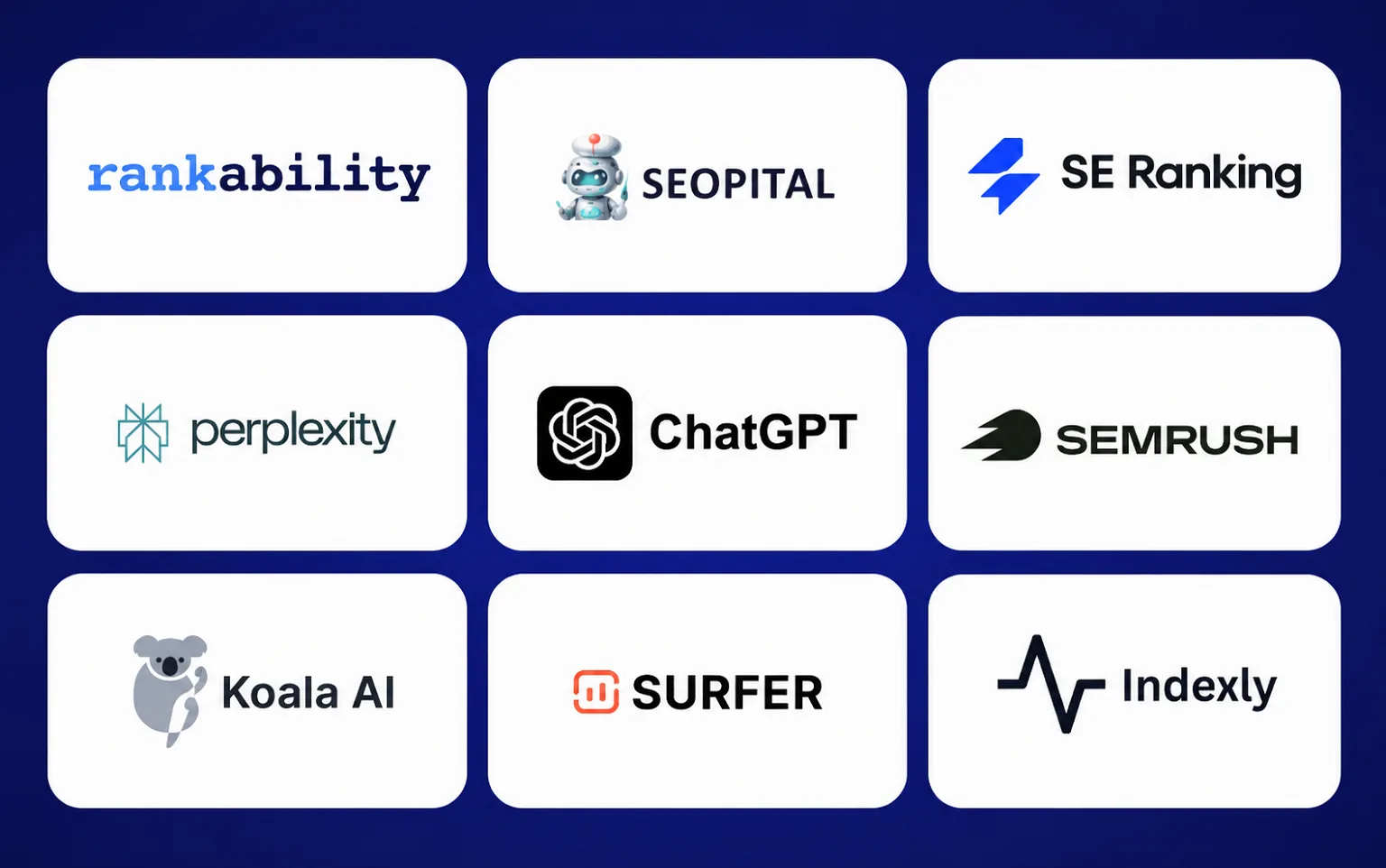
Implementing a systematic approach ensures you maximize the value of AI tools while maintaining strategic control over your keyword portfolio.
Step 1: Define Your Content Pillars
Start by identifying your core business topics and audience pain points. These pillars serve as the foundation for keyword exploration. AI tools can expand each pillar into dozens of related subtopics and long-tail variations.
Step 2: Generate Seed Keyword Lists
Input your primary topics into AI-powered tools to generate comprehensive seed lists. These tools analyze search patterns, autocomplete suggestions, and related searches to produce hundreds of relevant terms.
Step 3: Analyze Search Intent Patterns
Review the intent classification for each keyword group. Ensure your content strategy addresses all intent types across the buyer journey. Create separate content pieces for informational, commercial, and transactional keywords.
Step 4: Evaluate Difficulty and Opportunity
AI tools provide sophisticated difficulty scores that consider domain authority, content quality, and backlink profiles of current ranking pages. Look for keywords where the top results have weaker content or outdated information, presenting easier ranking opportunities.
Step 5: Prioritize with Predictive Metrics
Combine AI predictions with your business goals to prioritize keywords. Consider factors like conversion potential, seasonality, and alignment with your product offerings. Create a tiered system that separates quick wins from long-term strategic targets.
Benefits of AI-Powered Keyword Selection
Organizations that adopt AI SEO keyword selection report measurable improvements across multiple performance indicators.
- Time efficiency: AI tools reduce research time by 70-80%, allowing teams to focus on content creation and optimization.
- Accuracy improvement: Machine learning models identify patterns that humans overlook, reducing guesswork and improving targeting precision.
- Scalability: AI systems process thousands of keywords simultaneously, enabling comprehensive coverage of large topic ecosystems.
- Adaptive learning: Algorithms continuously refine their predictions based on performance data, improving recommendations over time.
- Competitive intelligence: AI monitors competitor movements in real-time, alerting you to new opportunities and threats.
- Integrate with broader SEO strategy: Keyword selection works best when aligned with technical SEO, content quality, and link building efforts.
- Validate AI recommendations: Cross-reference AI suggestions with manual analysis and industry knowledge before committing resources.
- Monitor algorithm updates: Search engine changes can affect keyword performance predictions. Stay informed about major updates and adjust accordingly.
- Focus on user experience: Keywords should guide content creation, not dictate it. Prioritize creating genuinely helpful content that satisfies user needs.
- Track and measure: Implement robust analytics to measure keyword performance, including rankings, traffic, engagement, and conversions.
Limitations and Challenges

While AI SEO keyword selection offers substantial advantages, understanding its limitations prevents unrealistic expectations and poor decision-making.
Data Quality Dependence
AI predictions are only as good as the underlying data. Search engine algorithms change frequently, and historical data may not accurately predict future performance. Regular validation against actual results is essential.
Over-Reliance on Automation
Fully automated keyword selection can lead to generic content strategies that lack the unique perspective human experts provide. The best results come from combining AI insights with editorial judgment and industry expertise.
Cost Considerations
Premium AI-powered tools require significant investment. Small businesses and individual creators may find the costs prohibitive, though many platforms offer tiered pricing structures.
Practical Applications Across Content Types
AI SEO keyword selection applies differently depending on your content objectives and target audience.
Blog and Educational Content
For informational content, focus on question-based keywords and long-tail variations. AI tools identify common questions your audience asks and reveal related topics that strengthen topical authority. Create comprehensive guides that address multiple related keywords naturally.
Product and Category Pages
Commercial keywords require careful balancing of search volume and purchase intent. AI analysis helps identify terms that indicate readiness to buy versus those that signal research mode. Optimize product pages for transactional keywords while creating supporting content for informational terms.
Local SEO Keywords
AI tools analyze location-based search patterns, identifying geographic modifiers and local intent signals. This enables businesses to target “near me” searches and location-specific queries with greater precision.
Common Mistakes in AI SEO Keyword Selection
Avoiding these frequent errors improves the effectiveness of your AI-driven keyword strategy.
Ignoring Search Intent Nuances
Many marketers focus solely on volume and difficulty metrics, neglecting the intent behind each query. A high-volume keyword with informational intent will not convert well on a product page. Always align content format with user expectations.
Targeting Excessively Broad Keywords
Highly competitive head terms often consume significant resources without delivering proportional returns. AI tools can identify lower-competition variations that capture qualified traffic with less effort.
Neglecting Keyword Cannibalization
Creating multiple pages targeting the same keyword confuses search engines and dilutes ranking authority. Use AI clustering tools to ensure each page targets a distinct set of related keywords.
Failing to Update Keyword Strategies
Search trends evolve constantly. Set up regular monitoring schedules to review keyword performance and adjust your strategy based on AI predictions and actual results.
Important Notes for Successful Implementation
Several factors influence the success of AI SEO keyword selection initiatives.
Frequently Asked Questions
What is AI SEO keyword selection?
AI SEO keyword selection uses machine learning algorithms and natural language processing to identify, analyze, and prioritize search terms that will drive relevant organic traffic. It goes beyond traditional volume and difficulty metrics to understand search intent, predict trends, and uncover semantic relationships between topics.
How does AI improve keyword research accuracy?
AI systems process vast amounts of data simultaneously, identifying patterns and correlations that human researchers miss. They analyze user behavior, competitor strategies, content relevance, and search engine algorithm changes to provide more accurate predictions about keyword performance.
Can AI replace human keyword researchers?
AI enhances rather than replaces human expertise. While algorithms excel at data processing and pattern recognition, human judgment remains essential for understanding brand context, audience nuances, and strategic priorities. The most effective approach combines AI insights with editorial oversight.
What are the best AI tools for keyword research?
Leading options include Surfer SEO for content optimization, Clearscope for semantic relevance, Ahrefs for competitive analysis, Semrush for comprehensive campaigns, and MarketMuse for enterprise-level content intelligence. The best choice depends on your specific needs, budget, and technical expertise.
How often should I update my keyword strategy?
Review your keyword portfolio at least quarterly, with monthly monitoring of high-priority terms. Search trends, competitor activities, and algorithm updates can shift opportunities quickly. AI tools can automate monitoring and alert you to significant changes.
Does AI keyword selection work for local SEO?
Yes, AI tools analyze location-based search patterns and identify geographic modifiers that matter for local businesses. They can uncover “near me” variations, city-specific terms, and neighborhood-level queries that drive foot traffic and local conversions.
Conclusion
AI SEO keyword selection represents a fundamental shift in how digital marketers approach search optimization. By leveraging machine learning capabilities, you gain deeper insights into search intent, uncover hidden opportunities, and make data-driven decisions that improve ranking performance and traffic quality. The technology continues to evolve, offering increasingly sophisticated predictions and recommendations.
Success requires balancing AI-powered analysis with human creativity and strategic judgment. Implement a systematic process that combines automated research with editorial review, continuously validate predictions against actual results, and adapt your approach as search behavior evolves. Organizations that master this balance will maintain competitive advantage in an increasingly complex search landscape.
Start by evaluating your current keyword research workflow and identifying areas where AI can add the most value. Experiment with different tools, measure their impact on your content performance, and refine your processes based on real-world results. The investment in AI SEO keyword selection pays dividends through improved rankings, higher click-through rates, and ultimately, increased revenue from organic search.
Xem thêm:
- AI SEO Knowledge Base: The Complete Guide to Building and Using One in 2025
- AI SEO Cornerstone Content: The Complete Playbook for Dominating Search Rankings
- AI SEO Gemini Search Optimization: The Complete Playbook for 2025
- AI SEO Entity Recognition: The Complete Guide to Mastering Semantic Search
- AI SEO Keyword Lists: The Complete Guide to Building High-Performance Keyword Sets
Bài viết cùng chủ đề:

AI SEO SEO Automation with Make: The Complete Workflow Guide

AI SEO SEO Automation with Zapier: The Complete Workflow Guide

AI SEO SEO Automation with n8n: The Complete Workflow Guide
AI SEO SEO Automation with Gemini: The Complete Guide to Scaling Organic Growth

AI SEO SEO Automation with Claude: The Complete Guide to Scaling Content in 2025

AI SEO SEO Automation with ChatGPT: The Complete Playbook for 2025

AI SEO & SEO Automation for Affiliate Sites: The 2025 Playbook for Passive Income Growth
AI SEO & SEO Automation for Bloggers: The Complete Guide to Scaling Your Content

AI SEO & SEO Automation for Agencies: The Complete 2025 Playbook

AI SEO and SEO Automation for Ecommerce: The Complete Playbook for 2025

AI SEO & SEO Automation for WordPress: The Complete Playbook for 2025
AI SEO SEO Automation Strategy: The Complete Playbook for 2025

Mastering the AI SEO SEO Automation Process: A Complete Guide to Scaling Organic Growth
AI SEO SEO Automation System: The Complete Guide to Scaling Organic Growth in 2025
AI SEO SEO Automation Platform: The Complete Guide to Scaling Organic Growth in 2025
AI SEO SEO Automation Software: The Complete Guide to Scaling Organic Growth in 2025















