
No products in the cart.
AI SEO Keyword Suggestions: The Complete Guide to Smarter Search Rankings
10
Aug
Aug
AI SEO keyword suggestions have transformed how digital marketers approach search engine optimization. Traditional keyword research relied on manual brainstorming, competitor spying, and basic volume checks. Today, artificial intelligence analyzes search patterns, user intent, and semantic relationships at scale. This guide explains everything about AI-powered keyword discovery, from core concepts to advanced implementation strategies that drive measurable organic growth.
What Are AI SEO Keyword Suggestions?
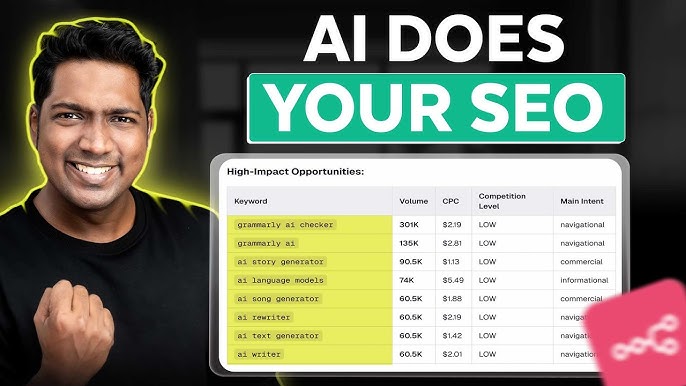
AI SEO keyword suggestions are search terms generated by machine learning algorithms rather than human intuition. These systems process millions of data points including search queries, click-through rates, content performance, and user behavior patterns. The AI identifies keyword opportunities that human researchers might miss, including long-tail variations, question-based queries, and emerging topics with rising demand.
The technology behind these suggestions uses natural language processing (NLP) and predictive analytics. Unlike traditional tools that simply list related terms, AI systems understand context. They recognize that “best running shoes” and “top sneakers for marathon training” target the same user intent even though the keywords look completely different.
How AI Keyword Tools Differ from Traditional Research
Traditional keyword tools operate on historical data. They show you what people searched for yesterday, last month, or last year. AI-powered systems project forward. They identify patterns in search behavior that indicate upcoming trends. This forward-looking approach gives content creators a significant competitive advantage.
Another key difference lies in clustering capabilities. Standard tools group keywords by exact match or close variants. AI systems create semantic clusters based on meaning and intent. This allows you to build comprehensive content hubs that address entire topics rather than individual keywords.
Why AI Keyword Suggestions Matter for SEO Success
Search engines have evolved dramatically. Google’s algorithms now prioritize content that demonstrates topical authority and satisfies user intent. AI keyword suggestions help you align your content strategy with these sophisticated ranking factors. When you target semantically related keywords, you signal expertise to search engines.
Modern search results pages look nothing like they did a decade ago. Featured snippets, people-also-ask boxes, and knowledge panels dominate the landscape. AI keyword tools identify opportunities to capture these rich results by suggesting question-based keywords and comparison phrases that trigger featured snippet placement.
The Data Behind AI Keyword Generation
AI systems analyze billions of search queries daily. They examine which results users click, how long they stay on pages, and whether they return to search. This behavioral data feeds into predictive models that forecast which keywords will gain traction. The result is a keyword suggestion list grounded in real user behavior rather than guesswork.
Machine learning models also analyze your existing content performance. They identify gaps in your topical coverage and suggest keywords that fill those gaps. This creates a continuous improvement cycle where your keyword strategy evolves alongside your content library.
Core Components of AI Keyword Suggestion Tools
Understanding what happens behind the scenes helps you use these tools more effectively. Most AI keyword platforms share several core components that work together to deliver actionable suggestions.
Search Intent Classification
AI systems categorize keywords by user intent. The four primary categories include informational, navigational, commercial, and transactional. Each category requires a different content approach. Informational keywords need educational content, while transactional keywords require product-focused pages with clear calls-to-action.
Semantic Relationship Mapping
This component identifies how keywords relate to each other conceptually. The AI builds a network of connected terms based on co-occurrence patterns in top-ranking content. This mapping reveals supporting keywords that strengthen your main topic coverage.
Competitive Gap Analysis
AI tools compare your current keyword portfolio against competitors. They identify keywords your competitors rank for that you have not targeted. This gap analysis reveals quick wins and long-term opportunities for market share capture.
Search Volume Prediction
Rather than relying solely on historical volume data, AI systems predict future search demand. They factor in seasonality, industry trends, and broader market movements. This predictive capability helps you prioritize keywords with growth potential over declining terms.
Benefits of Using AI for Keyword Discovery
The advantages of AI-powered keyword research extend far beyond time savings. These systems deliver strategic insights that fundamentally improve your SEO performance.
- Comprehensive coverage: AI identifies thousands of relevant keywords across multiple intent categories, ensuring you do not miss valuable opportunities.
- Reduced bias: Human researchers often fixate on keywords they personally use. AI eliminates this bias by relying purely on data.
- Faster iteration: You can generate fresh keyword lists in minutes, allowing rapid testing of new content ideas.
- Better prioritization: AI scores keywords based on multiple factors including difficulty, relevance, and conversion potential.
- Trend identification: Machine learning spots emerging topics before they become saturated, giving you first-mover advantage.
Limitations You Should Know
AI keyword suggestions are powerful but not infallible. Understanding their limitations prevents over-reliance on automated recommendations.
AI systems sometimes suggest keywords with high relevance but low search volume. These terms may not justify content creation effort. Additionally, AI cannot fully grasp brand-specific nuances or industry jargon that matters to your particular audience. Always combine AI suggestions with human judgment and domain expertise.
Another limitation involves data lag. While AI predicts trends, it still relies on historical data for training. Truly novel topics with no search history remain invisible to AI systems until users begin searching for them.
AI Keyword Suggestions vs. Traditional Methods

| Feature | AI-Powered Tools | Traditional Methods |
|---|---|---|
| Data sources | Behavioral patterns, semantic relationships, predictive models | Historical search volume, basic related terms |
| Intent understanding | Deep contextual analysis | Surface-level categorization |
| Trend prediction | Forward-looking forecasts | Backward-looking reports |
| Keyword clustering | Automatic semantic grouping | Manual grouping by exact match |
| Competitor insights | Automated gap analysis | Manual competitor review |
| Scalability | Handles millions of keywords | Limited by human capacity |
The comparison clearly shows why AI has become the standard for serious SEO professionals. Traditional methods still have value for validating AI suggestions and adding human creativity to the mix.
Practical Guide: How to Generate AI SEO Keyword Suggestions
Implementing AI keyword research requires a systematic approach. Follow these steps to build a keyword strategy that drives measurable results.
Step 1: Define Your Content Pillars
Start with your core business topics. These are the broad categories that define your expertise. For a fitness brand, content pillars might include strength training, nutrition, recovery, and workout programming. Your AI tool will use these pillars as the foundation for generating relevant keyword clusters.
Step 2: Input Seed Keywords
Provide your AI tool with 5-10 seed keywords per content pillar. These seeds should represent the primary terms your target audience uses. The AI expands these seeds into hundreds of related suggestions across all intent categories.
Step 3: Analyze the Suggestion Clusters
Review the semantic clusters the AI generates. Each cluster represents a subtopic within your content pillar. Evaluate cluster relevance against your business goals and audience needs. Discard clusters that do not align with your expertise or monetization strategy.
Step 4: Prioritize by Business Impact
Not all keywords deserve equal attention. Score each suggestion based on search volume, difficulty, relevance, and conversion potential. Focus your immediate content creation efforts on keywords with high relevance and achievable difficulty scores.
Step 5: Map Keywords to Content Types
Different keywords require different content formats. Informational keywords work best as blog posts or guides. Commercial keywords need product pages or comparison articles. Transactional keywords belong on landing pages with strong conversion elements.
Step 6: Create Content Around Keyword Clusters
Instead of creating isolated pieces for individual keywords, build comprehensive content hubs. Each hub targets a primary keyword and naturally incorporates related suggestions from the same semantic cluster. This approach builds topical authority and improves rankings across the entire cluster.
Common Mistakes When Using AI Keyword Tools
Even experienced marketers make errors when working with AI-generated suggestions. Recognizing these pitfalls helps you avoid wasted effort and missed opportunities.
Ignoring Search Intent
Many marketers chase high-volume keywords without considering what users actually want. A keyword like “coffee” has massive volume but unclear intent. Users might want brewing guides, product reviews, or cafe recommendations. Target keywords with clear intent that matches your content type.
Over-Optimizing for Exact Match
Search engines understand synonyms and related concepts. You do not need to use the exact keyword phrase repeatedly. Focus on natural language that covers the topic comprehensively. AI tools provide related terms precisely so you can write naturally while covering semantic ground.
Neglecting Long-Tail Opportunities
Long-tail keywords have lower individual volume but often convert better. They indicate specific intent and face less competition. AI tools excel at generating these valuable long-tail suggestions. Prioritize them alongside head terms for a balanced strategy.
Failing to Update Keyword Lists
Search behavior changes constantly. A keyword list generated six months ago may be outdated. Run fresh AI suggestions quarterly to capture new trends and retire declining terms.
Copying Competitor Keywords Blindly
Competitor gap analysis reveals opportunities, but not all competitor keywords fit your brand. Evaluate each suggestion against your unique value proposition. Ranking for a keyword that attracts the wrong audience wastes resources.
Important Notes for Maximizing AI Keyword Value
Several factors determine whether AI keyword suggestions translate into actual rankings. Pay attention to these critical considerations.
Content quality remains the ultimate ranking factor. AI keywords help you choose topics, but they cannot write your content. Invest in creating genuinely useful, well-researched articles that satisfy user needs. Thin content targeting perfect keywords will not rank.
Technical SEO elements still matter. Page speed, mobile responsiveness, internal linking, and schema markup all influence how search engines treat your content. AI keyword tools do not fix technical issues. Maintain solid technical foundations alongside your keyword strategy.
User engagement signals increasingly affect rankings. AI tools suggest keywords, but your content must earn clicks, reduce bounce rates, and encourage sharing. Write compelling meta descriptions and craft introductions that hook readers immediately.
Frequently Asked Questions
What is the best AI keyword suggestion tool?
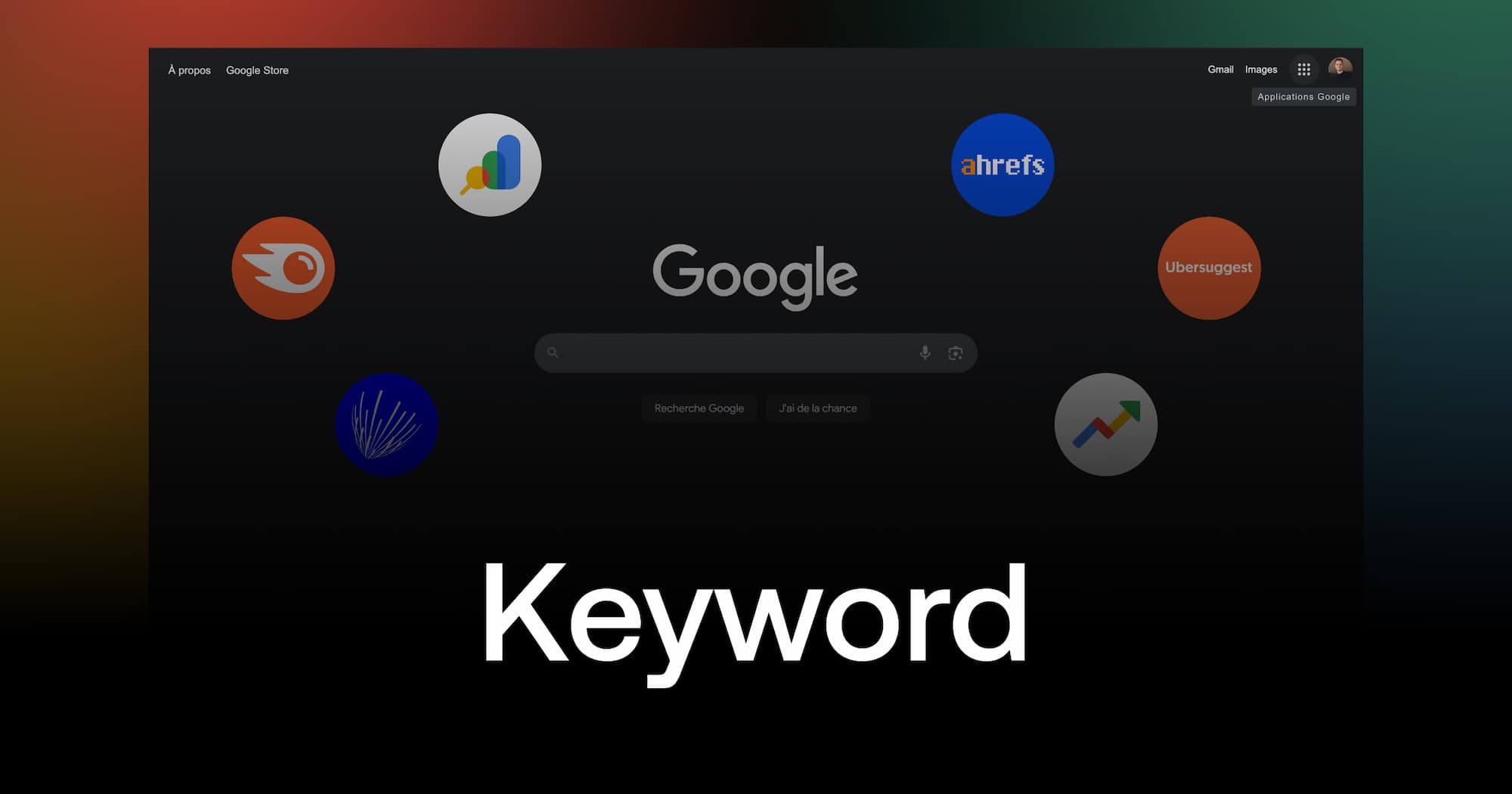
Several excellent tools exist, each with unique strengths. Popular options include Ahrefs with its AI-powered content suggestions, Semrush with its Topic Research feature, and dedicated AI tools like Frase and Clearscope. The best choice depends on your budget, technical comfort level, and specific needs. Most platforms offer free trials, so test multiple options before committing.
How accurate are AI keyword volume predictions?
AI predictions are generally more accurate than simple historical averages, but they remain estimates. Accuracy improves with larger data sets and more mature AI models. Use predictions as directional guidance rather than absolute numbers. Combine AI predictions with your own analytics data for the most reliable picture.
Can AI keyword suggestions replace human SEO experts?
No. AI tools excel at data processing and pattern recognition, but they lack strategic judgment and creative thinking. Human experts interpret AI suggestions within the context of brand goals, audience nuances, and industry dynamics. The best results come from combining AI efficiency with human expertise.
How often should I run new AI keyword research?
Run comprehensive keyword research quarterly to capture seasonal shifts and emerging trends. Additionally, run targeted research whenever you plan new content or enter new markets. Continuous monitoring of your keyword performance helps you adjust strategy between full research cycles.
Do AI keyword suggestions work for local SEO?
Yes, many AI tools offer location-specific keyword suggestions. These tools analyze local search patterns and identify geo-modified keywords that attract nearby customers. Local businesses benefit significantly from AI suggestions that uncover neighborhood-specific search terms.
What is the difference between AI keywords and regular keywords?
Regular keywords come from basic research tools that list related terms based on shared words or historical data. AI keywords come from machine learning models that understand context, intent, and semantic relationships. AI suggestions are typically more comprehensive and better aligned with how modern search engines interpret content.
Conclusion
AI SEO keyword suggestions represent a fundamental shift in how digital marketers approach search optimization. These intelligent systems analyze vast datasets to uncover opportunities that traditional research methods miss. By understanding search intent, mapping semantic relationships, and predicting future trends, AI tools give you a strategic advantage in competitive search landscapes.
The key to success lies in combining AI efficiency with human judgment. Use AI suggestions to expand your keyword universe and identify patterns. Apply your expertise to prioritize opportunities, craft compelling content, and build topical authority. This partnership between machine intelligence and human creativity produces the strongest SEO results.
Start implementing AI keyword research today. Choose a reputable tool, define your content pillars, and generate your first suggestion list. Review the clusters, prioritize by business impact, and create content that genuinely serves your audience. With consistent effort and smart use of AI insights, your organic search performance will improve steadily.
Xem thêm:
- AI SEO H3 Optimization: The Complete Guide to Structuring Content for AI Search
- AI Visual Search SEO: A Complete Guide to Ranking Images in the Visual Discovery Era
- AI SEO Google Search Console: The Complete Guide to Smarter Search Performance
- WP Trove AI Writer Review: The Ultimate AI Content Tool for WordPress
- AI Core Web Vitals: How Artificial Intelligence Optimizes User Experience Metrics
Bài viết cùng chủ đề:

AI SEO SEO Automation with Make: The Complete Workflow Guide

AI SEO SEO Automation with Zapier: The Complete Workflow Guide

AI SEO SEO Automation with n8n: The Complete Workflow Guide
AI SEO SEO Automation with Gemini: The Complete Guide to Scaling Organic Growth

AI SEO SEO Automation with Claude: The Complete Guide to Scaling Content in 2025

AI SEO SEO Automation with ChatGPT: The Complete Playbook for 2025

AI SEO & SEO Automation for Affiliate Sites: The 2025 Playbook for Passive Income Growth
AI SEO & SEO Automation for Bloggers: The Complete Guide to Scaling Your Content

AI SEO & SEO Automation for Agencies: The Complete 2025 Playbook

AI SEO and SEO Automation for Ecommerce: The Complete Playbook for 2025

AI SEO & SEO Automation for WordPress: The Complete Playbook for 2025
AI SEO SEO Automation Strategy: The Complete Playbook for 2025

Mastering the AI SEO SEO Automation Process: A Complete Guide to Scaling Organic Growth
AI SEO SEO Automation System: The Complete Guide to Scaling Organic Growth in 2025
AI SEO SEO Automation Platform: The Complete Guide to Scaling Organic Growth in 2025
AI SEO SEO Automation Software: The Complete Guide to Scaling Organic Growth in 2025















