
No products in the cart.
AI SEO Knowledge Management: The Complete Guide to Scaling Organic Growth in 2025
31
Jul
Jul
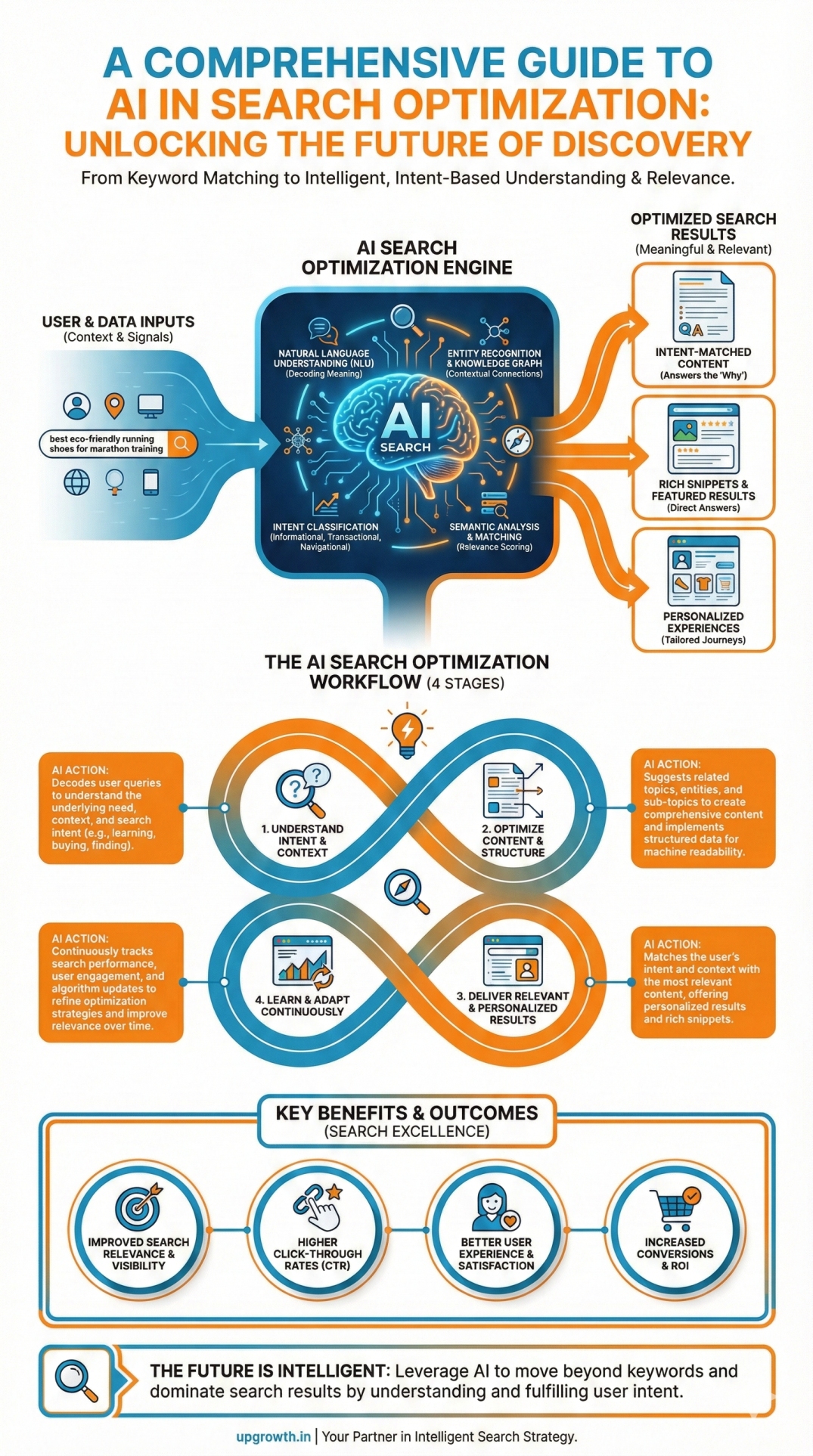
Search engine optimization has always been a discipline driven by data, research, and the constant accumulation of insights. However, the sheer volume of information generated by modern SEO campaigns—from keyword clusters and backlink profiles to content performance metrics and algorithm updates—has outpaced traditional management methods. This is where AI SEO Knowledge Management steps in as a transformative approach. By leveraging artificial intelligence to centralize, organize, and activate institutional SEO knowledge, businesses can move beyond scattered spreadsheets and tribal knowledge. This guide explores how AI-powered systems are reshaping the way teams capture, retrieve, and apply data to drive sustainable organic traffic.
What is AI SEO Knowledge Management?
AI SEO Knowledge Management is the strategic integration of artificial intelligence technologies into the processes of capturing, storing, organizing, and retrieving SEO-related information. It combines the principles of traditional knowledge management—which focuses on making organizational knowledge accessible—with the analytical power of machine learning and natural language processing. The goal is to create a living, self-improving repository that informs every aspect of search optimization, from content strategy to technical audits.
Unlike a standard database or a shared drive filled with PDFs, an AI-driven knowledge system actively learns from new data. It identifies patterns in search engine results pages (SERPs), correlates content updates with ranking fluctuations, and surfaces actionable insights to marketers without requiring manual query building. This transforms SEO from a reactive, task-based workflow into a proactive, intelligence-driven operation.
The Core Components of an AI-Powered SEO Knowledge Base
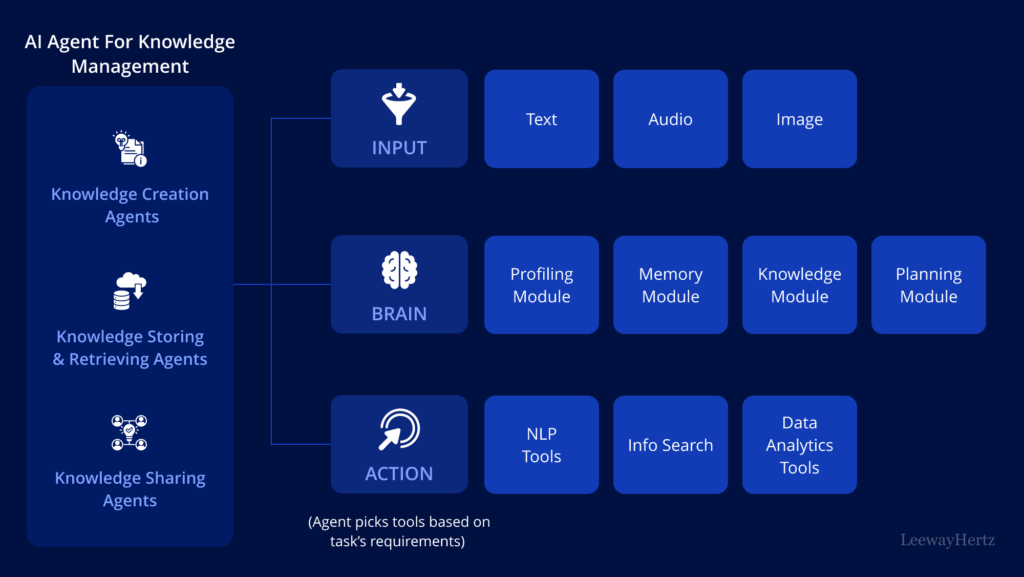
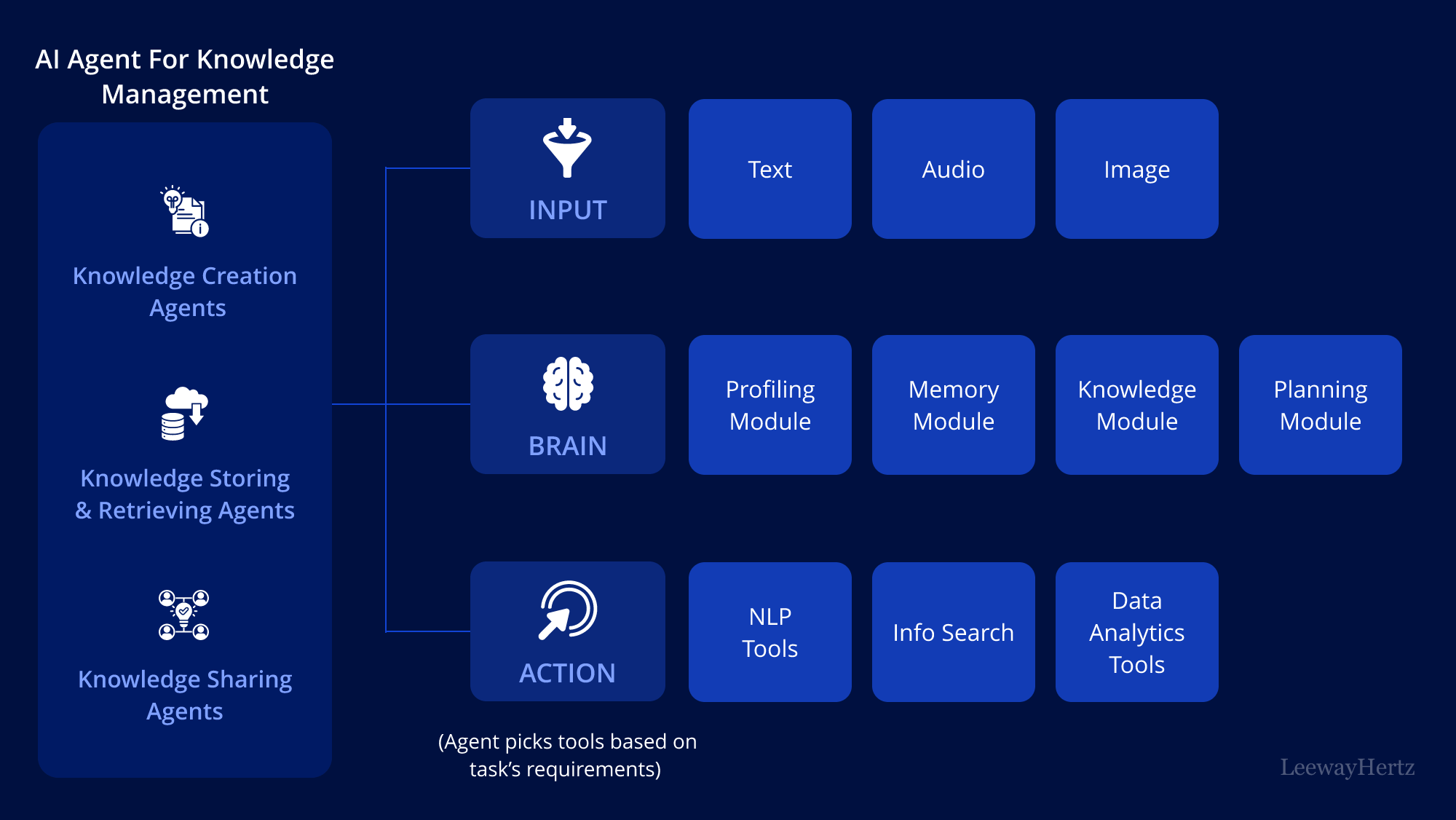
To understand how this works in practice, it is essential to break down the architecture of a modern AI SEO knowledge management system. These platforms typically consist of several interconnected layers that work together to synthesize raw data into strategic wisdom.
- Data Ingestion Layer: This component connects to various sources, including Google Search Console, Google Analytics, crawling tools, and competitor tracking software. It continuously pulls in metrics like impressions, clicks, dwell time, and backlink anchors.
- Semantic Processing Engine: Using Natural Language Processing (NLP), this engine interprets the context of queries and content. It understands entities, synonyms, and user intent, moving beyond simple keyword matching to grasp topical relevance.
- Knowledge Graph Construction: This is the heart of the system. It creates a structured map of entities (topics, pages, competitors, personas) and the relationships between them. For example, it links a “product page” to a “buying intent keyword” and a “technical crawl error.”
- Predictive Analytics Module: This layer uses historical data to forecast future performance. It can predict the potential traffic impact of a new piece of content or identify pages at risk of losing rankings due to algorithm shifts.
- Retrieval Interface: This is the user-facing side, often a chat interface or a dashboard. Marketers can ask questions in plain English, such as “Which pages lost the most traffic after the core update?” and receive instant, synthesized answers.
Why Traditional SEO Management Fails in the Age of AI
For years, SEO teams relied on manual processes: exporting keyword lists, updating spreadsheets, and holding meetings to discuss performance. While these methods worked for smaller sites, they create significant bottlenecks for enterprise-level operations. The limitations are becoming increasingly critical as search engines evolve.
One major failure point is data silos. Keyword research lives in one tool, technical audits in another, and content calendars in a third. This fragmentation prevents teams from seeing the full picture. A technical issue on a high-traffic page might go unnoticed because the person managing the crawl data does not communicate with the person analyzing keyword rankings. AI SEO knowledge management eliminates these silos by unifying data streams into a single source of truth.
Another critical failure is the speed of information decay. SEO insights have a short shelf life. A strategy that worked six months ago may be obsolete today due to a Google update. Traditional documentation becomes stale quickly. AI systems, however, continuously update their models based on live data, ensuring that the knowledge base reflects the current search landscape rather than a historical snapshot.
The Shift from Static Documents to Dynamic Intelligence
Traditional knowledge management often involves creating “best practice” documents. These are static, generic, and often ignored. AI SEO knowledge management shifts this paradigm by generating context-specific recommendations. Instead of a document saying “use internal links,” the AI system will analyze your specific site structure and recommend exactly which pages need internal links, using which anchor text, and why.
This dynamic approach also facilitates better onboarding. New team members can query the system to understand historical decisions. They can ask why a particular page was optimized for a specific keyword set and receive a detailed rationale based on past performance data. This reduces the reliance on “tribal knowledge” that leaves when senior staff depart.
Key Benefits of Implementing AI SEO Knowledge Management
The adoption of AI in this domain is not just a technological upgrade; it is a strategic advantage. Organizations that implement these systems report significant improvements in efficiency, accuracy, and scalability. Below are the primary benefits that justify the investment.
Enhanced Decision-Making Speed
In the fast-paced world of search, speed matters. When a competitor launches a new feature or a search engine rolls out an update, the ability to react quickly is crucial. AI systems can analyze the impact of an algorithm update across thousands of pages in minutes, providing a clear action plan. This reduces the time spent on manual data analysis from days to hours, allowing teams to focus on execution rather than investigation.
Elimination of Data Silos
By centralizing data, AI SEO knowledge management ensures that every team member—from content writers to developers—works from the same information. This alignment reduces friction and prevents conflicting strategies. For instance, the content team can see the technical health of a page before writing a new brief, ensuring they target keywords that are technically feasible to rank for.
Scalability of Expertise
Scaling SEO efforts typically requires hiring more specialists. AI knowledge systems allow existing teams to handle larger workloads by automating routine analysis. The system can monitor thousands of keywords and flag only the significant changes, allowing human experts to focus on high-level strategy and creative problem-solving. This effectively scales the expertise of a senior SEO manager across an entire portfolio of websites.
Preservation of Institutional Knowledge
Employee turnover is a major risk in SEO. When a senior strategist leaves, they take years of insights with them. An AI knowledge management system captures these insights in a structured format. The system learns from the decisions made by the strategist—which content performed well, which link-building tactics worked—and codifies them into reusable models. This ensures continuity and stability in SEO operations.
Comparing AI SEO Knowledge Management vs. Traditional Methods
To fully appreciate the value proposition, it is helpful to compare the AI-driven approach with the traditional manual approach across several operational dimensions. The differences highlight why forward-thinking organizations are making the switch.
| Operational Aspect | Traditional SEO Management | AI SEO Knowledge Management |
|---|---|---|
| Data Storage | Scattered spreadsheets, local drives, and disparate SaaS tools. | Unified, centralized knowledge graph accessible via a single interface. |
| Insight Generation | Manual analysis requiring human hypothesis and testing. | Automated pattern recognition and predictive modeling. |
| Query Speed | Hours or days to compile a cross-channel report. | Instant, conversational queries returning synthesized answers. |
| Knowledge Retention | Dependent on employee memory and documentation discipline. | Systematic capture of decisions and outcomes in a structured model. |
| Adaptability | Slow to react to algorithm updates; requires manual re-analysis. | Real-time adjustment based on live SERP and traffic data. |
| Scalability | Linear; requires more headcount for more work. | Exponential; AI handles the data volume, humans handle strategy. |
This comparison illustrates that the AI approach is not merely an automation of existing tasks. It fundamentally changes the relationship between data and decision-making. Traditional methods treat data as a report to be read; AI treats data as a living entity to be queried and learned from.
Practical Applications: How to Use AI for SEO Knowledge Management
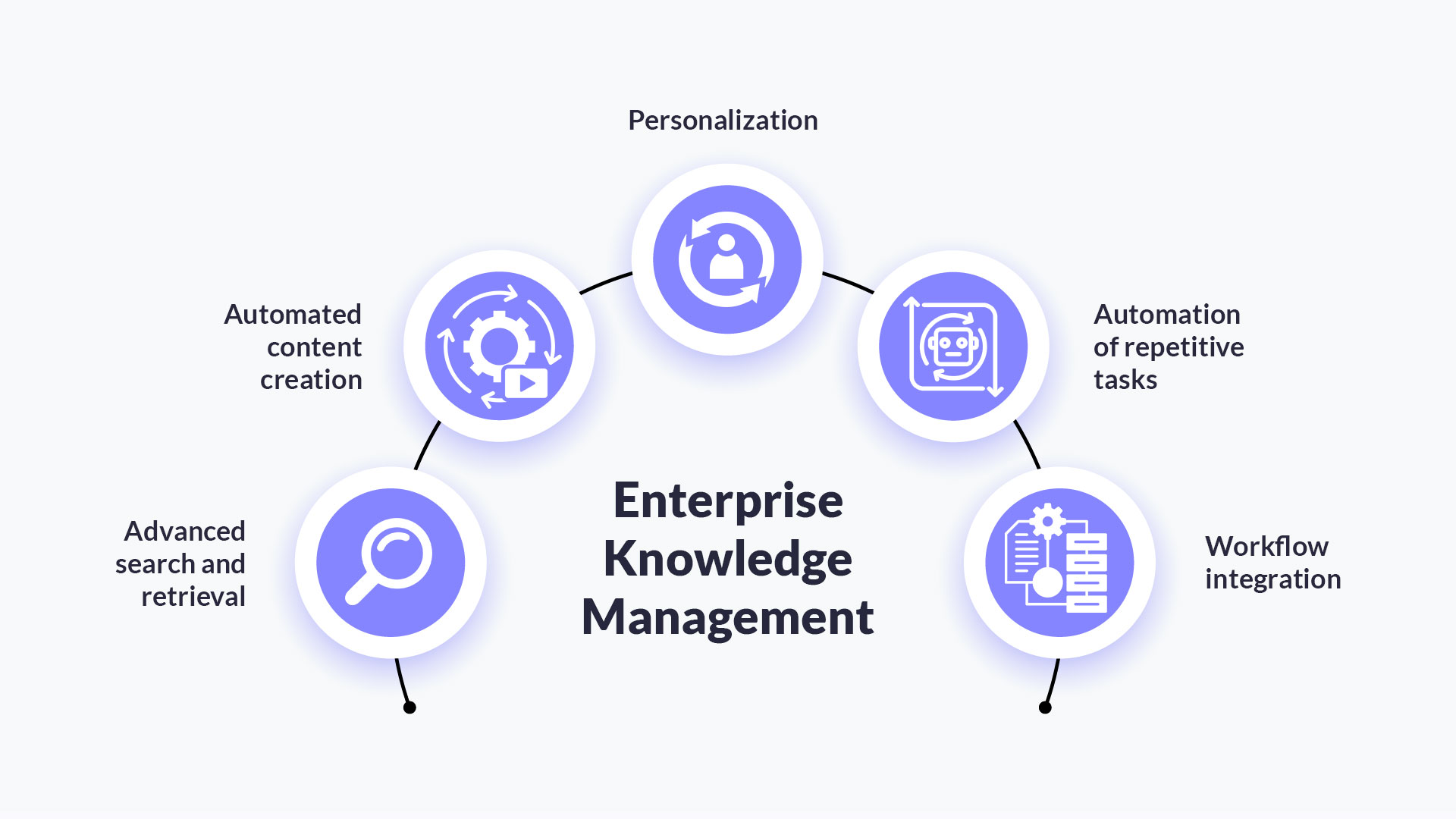
Understanding the theory is one thing, but implementation is where the real value lies. There are several concrete ways that teams can apply AI SEO knowledge management to their daily workflows. These applications range from content optimization to technical monitoring.
Automated Content Gap Analysis
Instead of manually comparing your site against competitors, an AI system can continuously monitor the SERPs for your target topics. It identifies subtopics that your competitors cover but you do not. The system then generates a content brief that includes the necessary entities, questions to answer, and suggested internal linking structure. This ensures that every new piece of content is designed to fill a specific gap in the market, based on real-time data rather than guesswork.
Intelligent Internal Linking Suggestions
Internal linking is a critical SEO factor, but it is tedious to manage manually on large sites. AI knowledge management systems analyze the semantic relationship between pages. They can suggest contextual links that pass authority effectively and improve crawlability. The system learns which link placements drive the most engagement and refines its suggestions over time, optimizing the site’s link equity distribution.
Predictive Performance Modeling
Before publishing a new article, the AI can predict its potential performance based on historical data from similar content. It considers factors like domain authority, keyword difficulty, and current ranking positions. This allows editors to prioritize topics with the highest expected return on investment. It also helps set realistic KPIs, preventing disappointment when a new page does not rank #1 immediately.
Automated Algorithm Update Impact Reports
When Google confirms a core update, the panic sets in. With AI knowledge management, the system immediately analyzes traffic and ranking changes across all pages. It groups the affected pages by common characteristics—such as content type, age, or backlink profile—to identify the likely cause of the fluctuation. This provides a clear starting point for recovery efforts, saving days of manual investigation.
Common Mistakes and How to Avoid Them
Implementing AI SEO knowledge management is not without its challenges. Many organizations fail to see the expected benefits due to common pitfalls. Being aware of these mistakes can help you navigate the implementation process more smoothly.
Treating AI as a Replacement for Human Judgment
The most significant mistake is assuming the A AI excels at processing data and identifying patterns, but it lacks the creative intuition and brand awareness of a human expert. The system might suggest a keyword that is technically relevant but off-brand for your company. The correct approach is to use AI as a decision-support tool, not a decision-maker. Human oversight is essential for final strategy approval.
Neglecting Data Quality
An AI system is only as good as the data it ingests. If your analytics tracking is broken or your crawl data is incomplete, the A Before implementing a knowledge management system, audit your data sources. Ensure that tracking codes are correctly installed and that all relevant properties are connected. Garbage in, garbage out applies to AI more than any other technology.
Failing to Integrate with Existing Workflows
If the AI system is a separate tool that requires a separate login and manual data uploads, adoption will fail. The system must integrate seamlessly with your existing tech stack—CMS, analytics, and project management tools. The goal is to reduce friction, not add another step to the workflow. Choose platforms with robust APIs and native integrations.
Overlooking the Need for Training
Your team needs to know how to query the system effectively. This is not just about technical training but also about changing the mindset from “looking at reports” to “asking questions.” Invest time in teaching your team how to formulate queries that yield actionable insights. A system that is not used is a wasted investment.
Important Notes on Data Privacy and Security
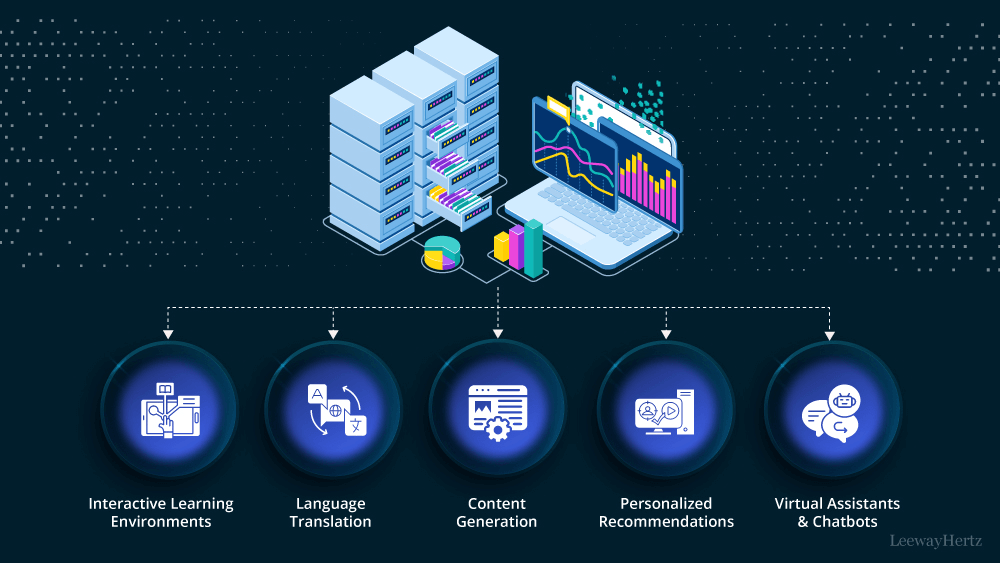
When centralizing all your SEO data into an AI platform, security becomes paramount. Your knowledge base contains proprietary information about your strategies, your weaknesses, and your future plans. This is a high-value target for competitors and malicious actors.
Ensure that the AI platform you choose has robust security protocols, including encryption at rest and in transit. Implement strict role-based access controls. Not every team member needs access to every piece of data. For example, a freelance writer might need access to content briefs but not to your backlink acquisition strategies. Regularly audit user access logs to ensure no unauthorized access has occurred.
Additionally, be mindful of data residency requirements. If your company operates in the EU, your data must be stored on servers that comply with GDPR. Verify that your AI vendor can guarantee data residency in your required jurisdiction. This is not just a legal issue; it is a trust issue with your clients and stakeholders.
Frequently Asked Questions (FAQ)
What is the difference between AI SEO and traditional SEO tools?
Traditional SEO tools provide data and reports that require human analysis to interpret. AI SEO tools, particularly those focused on knowledge management, go a step further by interpreting the data for you. They use machine learning to identify patterns, predict outcomes, and provide recommendations. Traditional tools tell you what happened; AI tools tell you why it happened and what to do next.
How does AI SEO knowledge management handle algorithm updates?
When an algorithm update occurs, the AI system automatically compares pre-update and post-update performance data. It analyzes which pages were impacted and correlates those changes with specific on-page factors, backlink profiles, or content attributes. This allows the system to generate a hypothesis about what changed and offer actionable recovery steps, significantly reducing the time to respond.
Is AI SEO knowledge management suitable for small businesses?
Yes, but the scope should be tailored. Small businesses with a limited number of pages may not need a full enterprise-level knowledge graph. However, they can still benefit from AI-powered content optimization tools that learn from their niche. The key is to start small, perhaps with a focus on content gap analysis and keyword clustering, and scale up as the business grows.
Can AI replace the need for an SEO specialist?
No. AI can automate data collection, analysis, and even some reporting, but it cannot replace the strategic thinking, creative problem-solving, and relationship-building that a skilled SEO specialist provides. The role of the specialist shifts from manual analyst to strategic director, using the AI’s insights to make higher-level decisions. The human element remains critical for interpreting nuance and aligning SEO with broader business goals.
What are the costs associated with implementing AI SEO knowledge management?
Costs vary widely depending on the complexity of the system. Basic AI-powered SEO tools with knowledge base features can start at a few hundred dollars per month. Enterprise-level platforms that include custom knowledge graph construction and predictive modeling can cost thousands of dollars per month. It is essential to consider the return on investment in terms of saved hours and improved organic performance.
Conclusion
AI SEO Knowledge Management represents a fundamental shift in how organizations handle the complexity of modern search optimization. By moving away from fragmented spreadsheets and static documents, teams can unlock a level of efficiency and insight that was previously impossible. The ability to query a centralized knowledge base, receive predictive recommendations, and automatically adapt to algorithm changes provides a significant competitive edge.
The transition requires a strategic approach, focusing on data quality, integration, and human oversight. It is not a silver bullet, but a powerful tool that amplifies the capabilities of skilled SEO professionals. As search engines continue to evolve and the volume of data grows, the organizations that embrace AI-driven knowledge management will be the ones that consistently stay ahead of the curve, turning information into actionable intelligence and sustainable organic growth.
Xem thêm:
- AI SEO Anchor Text Optimization: The Complete Guide to Smarter Link Building in 2025
- AI SEO for Automotive: The Complete Guide to Dominating Search in 2025
- AI SEO AI Search Audit Tool: The Complete Guide to Modern Search Visibility
- AI SEO for Education: The Complete Guide to Dominating Search in 2025
- AI Topical Map: How to Build Unshakeable Topical Authority with Machine Intelligence
Bài viết cùng chủ đề:

AI SEO SEO Automation with Make: The Complete Workflow Guide

AI SEO SEO Automation with Zapier: The Complete Workflow Guide

AI SEO SEO Automation with n8n: The Complete Workflow Guide
AI SEO SEO Automation with Gemini: The Complete Guide to Scaling Organic Growth

AI SEO SEO Automation with Claude: The Complete Guide to Scaling Content in 2025

AI SEO SEO Automation with ChatGPT: The Complete Playbook for 2025

AI SEO & SEO Automation for Affiliate Sites: The 2025 Playbook for Passive Income Growth
AI SEO & SEO Automation for Bloggers: The Complete Guide to Scaling Your Content

AI SEO & SEO Automation for Agencies: The Complete 2025 Playbook

AI SEO and SEO Automation for Ecommerce: The Complete Playbook for 2025

AI SEO & SEO Automation for WordPress: The Complete Playbook for 2025
AI SEO SEO Automation Strategy: The Complete Playbook for 2025

Mastering the AI SEO SEO Automation Process: A Complete Guide to Scaling Organic Growth
AI SEO SEO Automation System: The Complete Guide to Scaling Organic Growth in 2025
AI SEO SEO Automation Platform: The Complete Guide to Scaling Organic Growth in 2025
AI SEO SEO Automation Software: The Complete Guide to Scaling Organic Growth in 2025















