
No products in the cart.
AI SEO LLM Search Optimization: The Complete Guide to Ranking in Generative Search

10
Aug
Aug
The digital marketing landscape is undergoing its most significant transformation since the advent of mobile search. The rise of large language models (LLMs) like ChatGPT, Google Gemini, and Perplexity has fundamentally altered how users discover information. This shift demands a new discipline: AI SEO LLM Search Optimization. This is not about abandoning traditional SEO; it is about evolving it to ensure your brand remains visible when users query AI-powered search engines and chat interfaces. This guide provides a comprehensive roadmap for mastering this new frontier, from understanding the underlying technology to implementing actionable strategies that drive measurable results.
Understanding AI SEO LLM Search Optimization
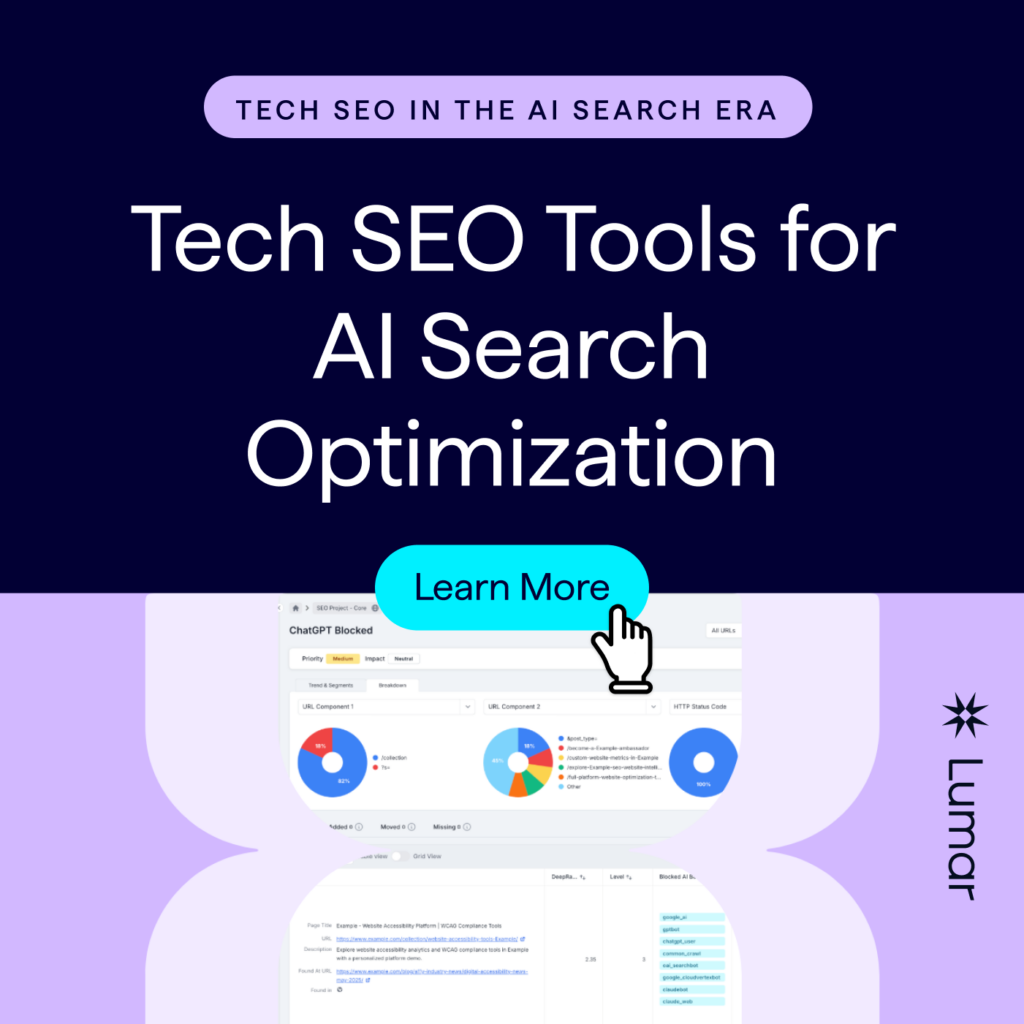
AI SEO LLM Search Optimization refers to the strategic process of optimizing digital content and website architecture to improve visibility and citation within the responses generated by large language models. Unlike traditional search engines that return a list of blue links, LLMs synthesize information from multiple sources to generate a single, conversational answer. The goal of this optimization is to become one of the primary sources that the LLM uses to construct that answer.
This practice sits at the intersection of technical SEO, content strategy, and natural language processing. It requires a deep understanding of how models like GPT-4 or Claude process queries, weigh authority, and extract factual data. The objective is not merely to rank on a results page, but to become a named source or the foundational data point within an AI-generated response.
The Shift from Keywords to Entities and Concepts
Traditional SEO relies heavily on matching keywords. LLM optimization, however, prioritizes entities and semantic concepts. An entity is a distinct object, person, place, or idea. For instance, a traditional query might be “best running shoes for flat feet.” An LLM interprets this as a request for information about the entity “running shoes” with the specific attribute “flat feet.” To optimize for this, your content must clearly define these entities, their relationships, and provide exhaustive, authoritative information about them, rather than simply repeating the keyword phrase.
How Large Language Models Choose Their Sources
To optimize effectively, you must understand the mechanics of source selection. LLMs do not “browse” the web in real-time for every query. They rely on a combination of their training data (which has a cutoff date) and real-time retrieval augmented generation (RAG). In RAG, the model searches an index of web pages, retrieves relevant chunks of text, and uses those chunks to formulate an answer.
The model evaluates potential sources based on several critical factors:
- Relevance: How closely does the content match the semantic intent of the query?
- Authority: Is the source a recognized expert in the field? This is often determined by backlinks, brand mentions, and domain history.
- Clarity: Is the information presented in a clear, structured format that is easy for the model to parse?
- Freshness: Is the information current and up-to-date?
- Brand Mention Monitoring: Use tools to track when your brand or content is mentioned in AI responses. You can do this manually by querying ChatGPT and Perplexity with your target keywords.
- Referral Traffic from AI Platforms: Analyze your analytics to see if you are receiving traffic from domains like chat.openai.com or perplexity.ai. This indicates that users are clicking through from AI answers.
- Search Visibility for “Brand + AI” Queries: Track your ranking for queries that include your brand name and terms like “AI overview” or “ChatGPT.”
- Share of Voice in AI Responses: This is a more advanced metric, but you can manually audit the top 10 responses for your key terms and see how often your domain is cited.
Key Differences: Traditional SEO vs. AI SEO LLM Search Optimization
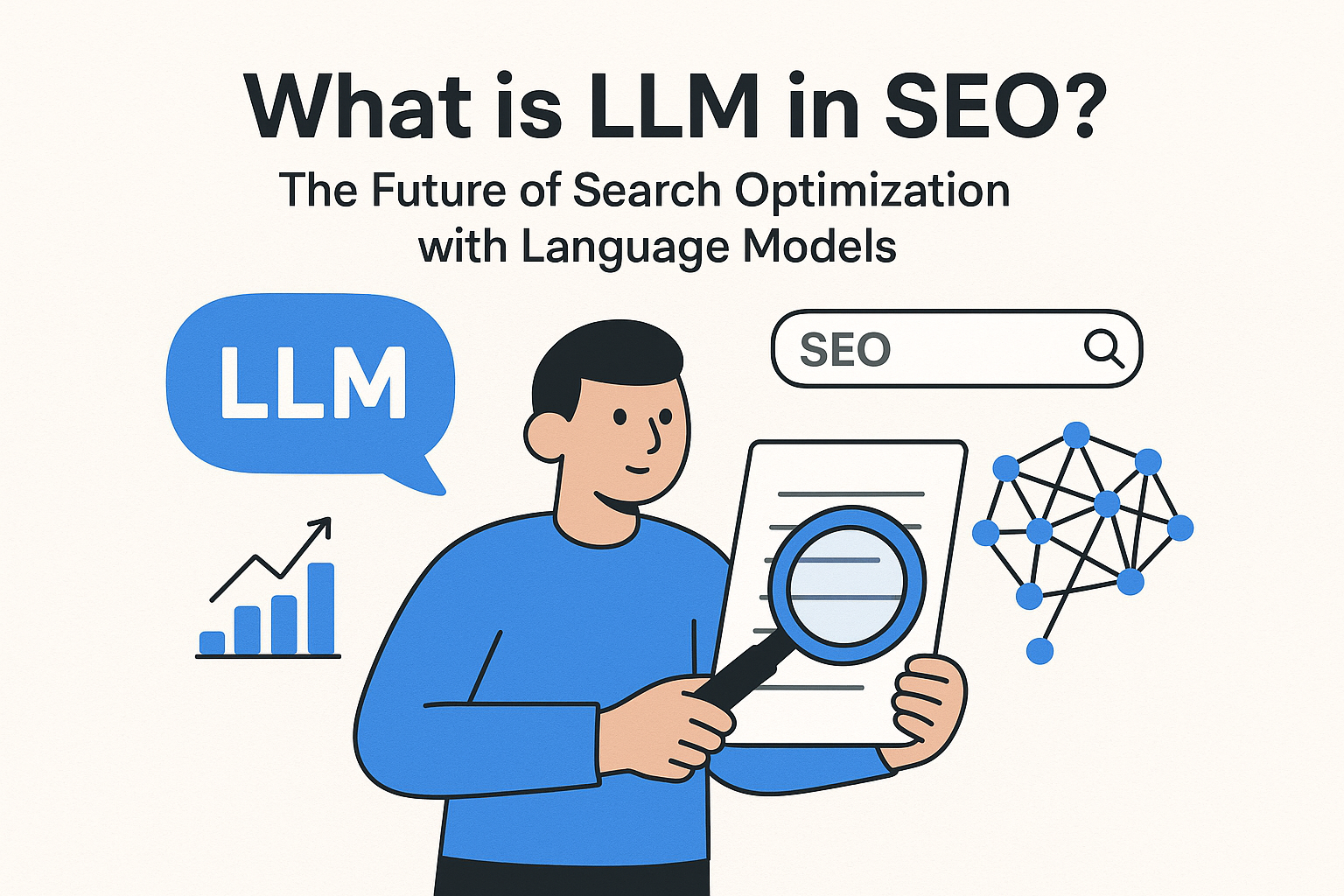
Understanding the distinction between these two disciplines is crucial for allocating resources effectively. While they share the common goal of visibility, their tactics and metrics differ significantly.
| Aspect | Traditional SEO | AI SEO LLM Search Optimization |
|---|---|---|
| Primary Goal | Rank #1 on a Search Engine Results Page (SERP) | Be cited as a source within an AI-generated answer |
| Content Format | Optimized for snippets, titles, and meta descriptions | Optimized for direct extraction, factual density, and entity clarity |
| Keyword Strategy | Focus on exact-match and long-tail keywords | Focus on topical authority, entities, and semantic relationships |
| User Intent | Match intent to a specific page type (informational, transactional) | Satisfy complex, multi-step queries with comprehensive answers |
| Success Metric | Click-through rate (CTR) and page views | Brand mentions in AI outputs and attributed citations |
Core Strategies for AI SEO LLM Search Optimization
Implementing a successful strategy requires a multi-faceted approach that touches on content creation, technical infrastructure, and digital PR. The following pillars form the foundation of any robust LLM optimization plan.
1. Building Topical Authority with Content Hubs
LLMs favor sources that demonstrate comprehensive knowledge of a subject. A single blog post is rarely sufficient. You need to build a content hub—a cluster of interlinked pages that cover a topic from every conceivable angle. For example, if you are a financial services firm, you should not just have one article on “retirement planning.” You need a hub that includes pages on 401(k) rollovers, Roth IRAs, Social Security strategies, tax implications, and market volatility. This signals to the LLM that your domain is a definitive resource for that entity.
2. Implementing Structured Data and Schema Markup
Schema markup is a code that you put on your website to help search engines return more informative results for users. For LLMs, it provides explicit signals about the meaning of your content. Implementing schema for FAQ, HowTo, Article, and Product types helps the model understand the structure and extract key facts. For instance, using Organization schema with your logo, social profiles, and contact information helps the LLM verify your brand’s identity and authority.
3. Optimizing for Direct Answers and Featured Snippets
While the goal is to be cited in an LLM response, the path to that goal often goes through traditional featured snippets. LLMs frequently train on and retrieve content that already ranks for featured snippets. To capture these, structure your content to answer specific questions directly. Use a clear question as an H2 or H3 heading, and then provide a concise, 40-60 word answer immediately below it. This makes it easy for both search engines and LLMs to extract the exact information they need.
4. The Role of Digital PR and Brand Mentions
LLMs are trained on vast datasets that include news articles, academic papers, and reputable industry publications. Being mentioned in these high-authority sources is a powerful signal. Digital PR campaigns that secure coverage in major outlets not only build backlinks but also create the brand entity associations that LLMs use to determine trustworthiness. Unlinked brand mentions are now as important as traditional backlinks in this new ecosystem.
Content Creation for LLM Extraction
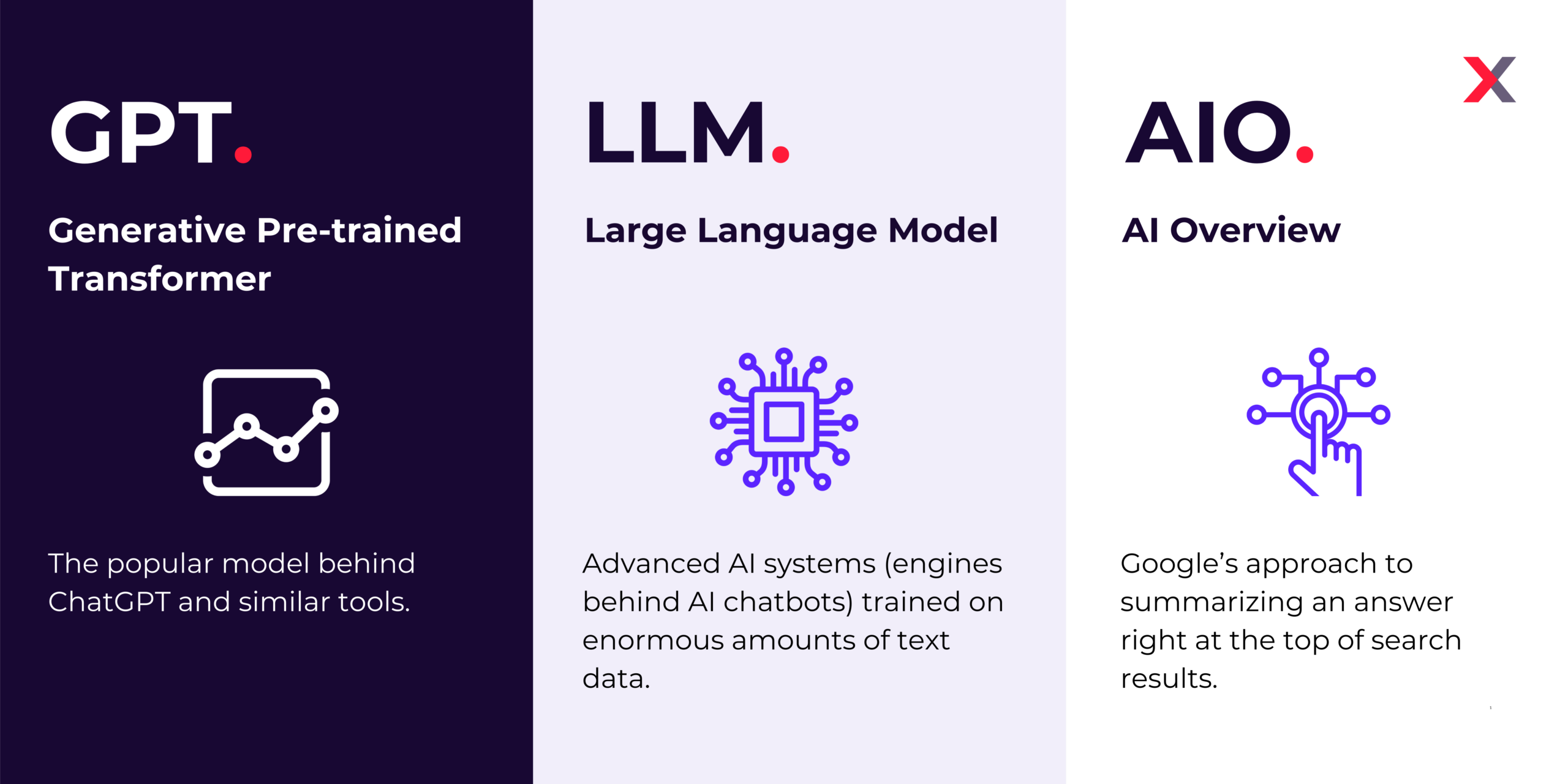
The style and structure of your writing have a direct impact on your ability to be cited. LLMs excel at extracting information from content that is well-organized and unambiguous. Here are the specific content formats that perform best.
The Power of Lists and Tables
Information presented in a structured format is easier for an LLM to parse and replicate. Use bullet points for lists of features, benefits, or steps. Use tables for comparisons, specifications, or data sets. When an LLM needs to answer a question like “What are the differences between X and Y,” it will look for a table or a comparative list. Providing this structure increases your chances of being the source.
Writing for Readability and Clarity
Avoid overly complex sentence structures and jargon. LLMs are trained on clear, concise writing. Use active voice and ensure that each paragraph focuses on a single idea. The first sentence of a paragraph should be a topic sentence that summarizes the point of that paragraph. This makes it easy for the model to identify the key takeaway and extract it for its response.
Incorporating Statistics and Data
Concrete data points and statistics are highly valuable to LLMs. When you cite specific numbers, you provide the model with factual evidence it can use in its answer. Always attribute your data to credible sources (e.g., “According to a 2024 Gartner study…”). This not only adds credibility to your content but also gives the LLM a clear, citable fact.
Technical SEO for AI Search Visibility
The technical foundation of your website plays a critical role in how effectively LLMs can crawl and index your content. A technically sound site is a prerequisite for any successful optimization campaign.
Optimizing Crawl Budget and Indexation
LLMs use crawlers to index the web, just like traditional search engines. Ensure that your robots.txt file is not blocking these crawlers. Monitor your server logs to see if GPTBot, Google-Extended, or other AI crawlers are accessing your site. If they are not, you may need to adjust your server configuration to allow them. Ensure your XML sitemap is up-to-date and submitted to all major search engines.
Site Architecture and Internal Linking
A clear, logical site architecture helps LLMs understand the relationship between your pages. Use descriptive anchor text for internal links. For example, instead of linking with the text “click here,” use “our guide to AI SEO LLM Search Optimization.” This reinforces the topic of the linked page and helps the model map your site’s structure.
Measuring the Success of Your LLM Optimization
Measuring success in this new landscape requires moving beyond traditional analytics. Since you may not get a click, you need to track visibility in a different way.
Common Mistakes in AI SEO LLM Search Optimization
Many businesses are making critical errors in their approach to this new discipline. Avoiding these pitfalls will give you a significant competitive advantage.
| Mistake | Why It Fails | Correct Approach |
|---|---|---|
| Keyword Stuffing | LLMs prioritize semantic relevance, not keyword density. Stuffing makes content unreadable and less likely to be cited. | Focus on covering topics comprehensively and using natural language. |
| Ignoring Entity Clarity | If the LLM cannot determine what your page is about, it will not use it as a source. | Clearly define your main entities in the first paragraph and throughout the content. |
| Focusing Only on Clicks | The goal is to be the source, not just to get the click. A citation is a win. | Track brand mentions and citations in AI outputs as a primary KPI. |
| Neglecting Content Freshness | LLMs favor current information, especially for news and technology topics. | Regularly update your cornerstone content to keep it accurate and timely. |
Important Notes on the Future of Search

The landscape of AI SEO LLM Search Optimization is evolving rapidly. The algorithms and models that govern these systems change frequently. What works today may not work tomorrow. It is essential to stay informed about the latest developments in the AI industry, including updates to major LLMs and changes in how they retrieve information. The brands that succeed will be those that are agile and willing to adapt their strategies as the technology matures. Building a strong brand entity and creating genuinely helpful, authoritative content will remain the most durable strategies, regardless of the specific algorithm changes.
Frequently Asked Questions (FAQ)
What is the difference between traditional SEO and AI SEO LLM Search Optimization?
Traditional SEO focuses on ranking web pages in a list of search results to earn clicks. AI SEO LLM Search Optimization focuses on making your content the source of information that an AI model uses to generate a conversational answer. The former optimizes for a search engine results page, while the latter optimizes for a citation within a generated response.
How do I get my website cited by ChatGPT?
To get cited by ChatGPT, you need to create high-quality, authoritative content that is structured for easy extraction. This includes using clear headings, bullet points, tables, and providing direct answers to common questions. Building your brand’s authority through digital PR and backlinks is also crucial, as the model relies on these signals to determine trustworthiness.
Is technical SEO still important for AI search?
Yes, technical SEO is a foundational requirement. If AI crawlers cannot access and index your content, it cannot be cited. Ensuring your site is crawlable, has a clear structure, and loads quickly is a prerequisite for any AI SEO strategy.
What is Retrieval Augmented Generation (RAG) in the context of SEO?
RAG is a process where an LLM searches an external database (like the web) in real-time to find relevant information before generating an answer. For SEO, this means your content must be in that database and structured in a way that the retrieval system can find and extract it as a relevant chunk of text for the user’s query.
How long does it take to see results from LLM optimization?
Unlike traditional SEO, which can take months to see ranking changes, LLM optimization can yield faster results, particularly if you are targeting queries that are currently underserved. However, building the authority needed to be a consistent source takes time. A comprehensive strategy should be viewed as a long-term investment, with initial citations potentially appearing within a few weeks of publishing optimized content.
Conclusion
AI SEO LLM Search Optimization is not a passing trend; it is the new reality of digital discovery. As users increasingly turn to AI assistants for answers, the ability to be cited by these models will become as important as ranking on the first page of Google was two decades ago. By focusing on building topical authority, creating structured and clear content, and ensuring your technical foundation is sound, you can position your brand at the forefront of this generative search revolution. The transition requires effort, but the opportunity for first-movers is immense. Those who adapt now will own the digital real estate of the future.
Xem thêm:
- AI SEO AI Copilots: The Complete Guide to Autonomous Search Optimization
- AI SEO Digital PR Strategy: The Complete Guide to Dominating Search in 2025
- AI SEO Topic Ideas: The Complete Guide to Generating High-Ranking Content at Scale
- AI SEO Content Audits: The Complete Guide to Automated Content Optimization
- AI SEO Link Equity: The Complete Guide to Modern Link Building
Bài viết cùng chủ đề:

AI SEO SEO Automation with Make: The Complete Workflow Guide

AI SEO SEO Automation with Zapier: The Complete Workflow Guide

AI SEO SEO Automation with n8n: The Complete Workflow Guide
AI SEO SEO Automation with Gemini: The Complete Guide to Scaling Organic Growth

AI SEO SEO Automation with Claude: The Complete Guide to Scaling Content in 2025

AI SEO SEO Automation with ChatGPT: The Complete Playbook for 2025

AI SEO & SEO Automation for Affiliate Sites: The 2025 Playbook for Passive Income Growth
AI SEO & SEO Automation for Bloggers: The Complete Guide to Scaling Your Content

AI SEO & SEO Automation for Agencies: The Complete 2025 Playbook

AI SEO and SEO Automation for Ecommerce: The Complete Playbook for 2025

AI SEO & SEO Automation for WordPress: The Complete Playbook for 2025
AI SEO SEO Automation Strategy: The Complete Playbook for 2025

Mastering the AI SEO SEO Automation Process: A Complete Guide to Scaling Organic Growth
AI SEO SEO Automation System: The Complete Guide to Scaling Organic Growth in 2025
AI SEO SEO Automation Platform: The Complete Guide to Scaling Organic Growth in 2025
AI SEO SEO Automation Software: The Complete Guide to Scaling Organic Growth in 2025















