
No products in the cart.
AI SEO Maintenance: The Complete Guide to Sustaining Search Rankings in 2025

31
Jul
Jul
Search engine optimization is no longer a set-and-forget strategy. Algorithms shift constantly, competitors adapt overnight, and user behavior evolves with every interface update. This is where AI SEO maintenance becomes the critical difference between a website that thrives and one that slowly disappears from search results. AI SEO maintenance refers to the ongoing, automated process of monitoring, analyzing, and optimizing a website’s search performance using artificial intelligence tools and machine learning algorithms. Unlike traditional maintenance that relies on manual audits and periodic checks, AI-driven maintenance operates continuously, identifying issues before they impact rankings and adapting to algorithm changes in real time.
What Is AI SEO Maintenance and Why Does It Matter Now?

AI SEO maintenance is the systematic application of artificial intelligence to keep a website’s search engine performance stable and improving over time. It covers everything from technical health checks to content freshness, backlink profile monitoring, and user experience signals. The core difference from conventional SEO upkeep lies in the speed and depth of analysis. Traditional methods might catch a broken page or a dropped keyword after a weekly report. AI systems detect these changes within minutes and often predict them before they happen.
The importance of this approach has grown exponentially because search engines themselves now use AI extensively. Google’s RankBrain, BERT, and the more recent MUM and SGE (Search Generative Experience) systems evaluate content and websites in ways that mimic human understanding. Maintaining alignment with these AI-driven algorithms requires tools that operate on the same level of sophistication. Manual processes simply cannot keep pace with the volume of data generated by modern websites, especially those with hundreds or thousands of pages.
The Core Components of an AI SEO Maintenance System
An effective AI SEO maintenance strategy is not a single tool but a layered system that addresses different aspects of search performance. Understanding these components helps in selecting the right stack and building a workflow that delivers consistent results.
Automated Technical Audits and Crawl Monitoring
Technical SEO forms the foundation of any maintenance routine. AI-powered crawlers simulate how search engine bots interact with a site, but they go deeper than standard crawlers. They analyze JavaScript rendering, Core Web Vitals metrics, internal linking structures, and schema markup validity. These systems run continuously, flagging issues like orphan pages, broken internal links, slow-loading resources, and crawl budget waste.
For example, an AI maintenance tool might notice that a product page’s structured data has become invalid after a CMS update. It immediately alerts the team, provides the exact code snippet that needs fixing, and even suggests a corrected version. This level of automation reduces the time spent on manual debugging from hours to minutes.
Content Freshness and Relevance Scoring
Search engines favor content that remains accurate and useful over time. AI SEO maintenance tools evaluate every page on your site against current search intent and competitor content. They score each page for relevance, readability, and completeness. When a page’s score drops below a threshold, the system flags it for review.
This component also handles content decay. A page that once ranked in the top three for a high-value keyword might slip to page two over several months. AI tools detect this trend early, analyze which sections have become outdated, and suggest specific updates. They might recommend adding a new section about a recent industry development, updating statistics, or improving the meta description to boost click-through rates.
Backlink Profile Health Monitoring
Backlinks remain a significant ranking factor, but not all links are equal. AI maintenance systems continuously monitor your link profile for toxic signals. They identify links from spammy directories, link farms, or sites that have been penalized. The system assigns a risk score to each link and prioritizes which ones need disavowal.
More importantly, AI tools track link velocity and anchor text distribution. A sudden spike in exact-match anchor text links might indicate a negative SEO attack. The system alerts you immediately, allowing you to take action before search engines apply a manual penalty. This proactive approach is impossible with manual quarterly audits.
User Experience and Engagement Analytics
Search engines use user behavior signals like dwell time, bounce rate, and pages per session to assess content quality. AI SEO maintenance integrates with analytics platforms to monitor these metrics in real time. It correlates user engagement with specific page elements, such as headline wording, image placement, or video content.
If a high-ranking page starts showing an increased bounce rate, the AI system investigates the cause. It might discover that a new competitor offers a more comprehensive guide, or that a recent website redesign made the content harder to read. The system then recommends specific UX improvements, such as adding a table of contents, breaking up long paragraphs, or improving mobile responsiveness.
How AI SEO Maintenance Differs from Traditional SEO Audits

The table below highlights the key differences between conventional maintenance approaches and AI-driven systems.
| Aspect | Traditional SEO Audit | AI SEO Maintenance |
|---|---|---|
| Frequency | Monthly or quarterly | Continuous, real-time |
| Data Volume | Sample-based analysis | Full-site, every page |
| Issue Detection | Reactive, after ranking drops | Predictive, before impact |
| Content Updates | Manual review and rewriting | Automated suggestions and scoring |
| Backlink Analysis | Periodic manual review | Daily risk scoring |
| Competitor Tracking | Static snapshots | Dynamic, ongoing comparison |
| Reporting | Static PDF reports | Interactive dashboards with alerts |
The shift from periodic audits to continuous maintenance represents a fundamental change in SEO operations. It moves the discipline from a project-based activity to a system-based one, aligning it with how modern software development and DevOps teams operate.
Benefits of Implementing AI SEO Maintenance
The advantages of adopting an AI-driven maintenance approach extend beyond just saving time. They directly impact revenue, brand visibility, and operational efficiency.
Faster Response to Algorithm Updates
When Google releases a core update, websites often experience ranking fluctuations. AI maintenance tools immediately analyze which pages were affected and why. They compare the pre-update and post-update performance data, identify patterns, and suggest corrective actions. This speed is crucial because the recovery period after an algorithm update can take weeks or months if handled manually.
Scalability for Large Websites
For e-commerce sites with tens of thousands of product pages, manual maintenance is simply not feasible. AI systems can crawl and analyze every URL, checking for duplicate content, thin content, and technical errors. They can also automate the generation of meta descriptions and alt text for new products, ensuring that every page meets SEO standards from the moment it goes live.
Cost Efficiency in the Long Run
While AI SEO tools require an upfront investment, they reduce the need for large SEO teams or expensive external agencies. A single specialist can manage an AI maintenance system that would otherwise require a team of five people working full-time. The tools also prevent revenue loss from ranking drops, which often costs far more than the software subscription.
Data-Driven Decision Making
AI systems provide granular data that removes guesswork from SEO decisions. Instead of debating whether a page needs a longer introduction or more internal links, you have concrete data showing which changes correlate with improved rankings. This evidence-based approach builds confidence among stakeholders and justifies ongoing investment in SEO.
Limitations and Challenges of AI SEO Maintenance
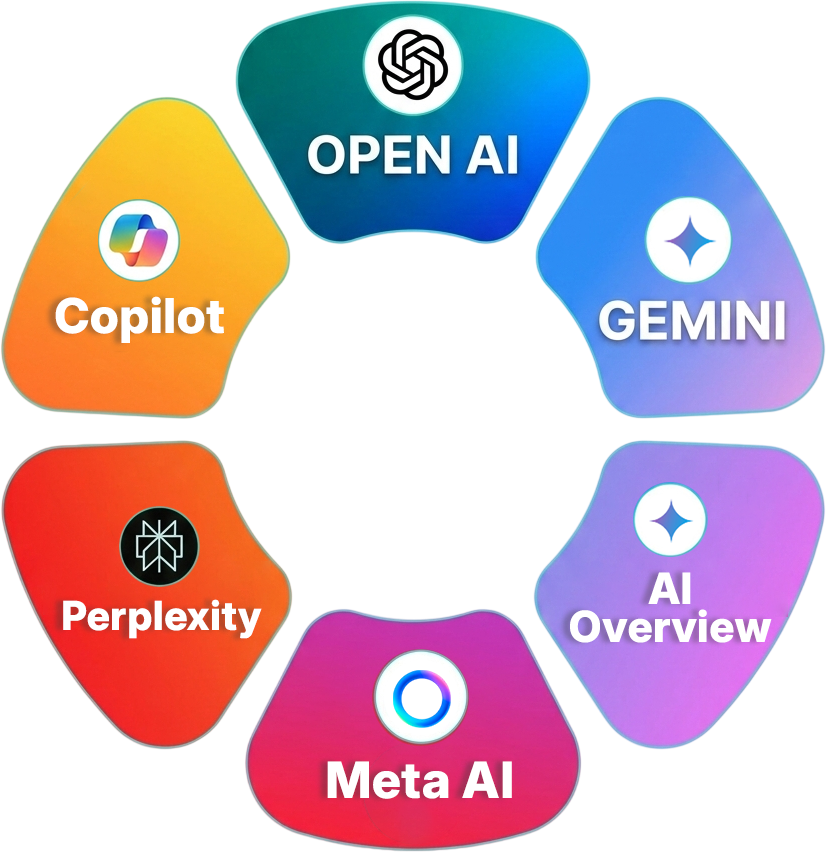
Despite its power, AI SEO maintenance is not a magic bullet. Understanding its limitations prevents unrealistic expectations and ensures proper implementation.
Dependence on Data Quality
AI models are only as good as the data they receive. If your analytics tracking is broken, or if your search console data is incomplete, the AI system will make flawed recommendations. Regular data hygiene checks are essential to maintain the accuracy of the system.
Lack of Creative Judgment
AI can identify that a page is underperforming, but it cannot always tell you why in a way that leads to a creative solution. Sometimes the fix requires a completely new angle, a unique piece of original research, or a bold design change. These creative leaps still require human expertise and intuition.
Risk of Over-Optimization
Following AI recommendations too literally can lead to over-optimization. For example, if the system suggests adding more internal links to a page, and you add links that are not contextually relevant, search engines may view this as manipulative. Human oversight is necessary to ensure that AI suggestions align with user experience and brand values.
Practical Guide: How to Implement AI SEO Maintenance in Your Workflow
Implementing an AI SEO maintenance system requires a structured approach. The following steps provide a roadmap for getting started.
Step 1: Audit Your Current SEO Infrastructure
Before introducing AI tools, assess what you already have. Review your analytics setup, search console access, CMS capabilities, and existing SEO plugins. Identify gaps in data collection. For instance, if you are not tracking internal search queries or click-through rates from search results, you will need to enable these features first.
Step 2: Select the Right AI SEO Tools
There are numerous AI SEO platforms available, each with different strengths. Some focus on technical audits, others on content optimization, and others on backlink analysis. Choose tools that integrate with your existing stack and cover your most critical needs. Start with one or two tools rather than trying to implement everything at once.
Step 3: Define Your Key Performance Indicators
Establish clear metrics that the AI system will track. These might include organic traffic, keyword rankings, conversion rates, page load times, and crawl errors. Set baseline values for each metric so that the system can alert you when performance deviates from the norm.
Step 4: Set Up Automated Alerts and Workflows
Configure the system to send alerts for critical issues, such as a sudden drop in traffic or a spike in 404 errors. Create workflows that route these alerts to the appropriate team members. For example, technical issues go to the development team, while content gaps go to the editorial team.
Step 5: Establish a Review Cadence
Even with automation, human review is essential. Schedule weekly meetings to review the AI system’s recommendations and decide which actions to take. Use the AI data to prioritize tasks based on potential impact and effort required.
Step 6: Train Your Team
Ensure that everyone involved in SEO understands how to use the AI tools and interpret their outputs. Provide training on how to distinguish between critical alerts and noise. Encourage team members to question AI recommendations and validate them against their own knowledge.
Common Mistakes in AI SEO Maintenance and How to Avoid Them
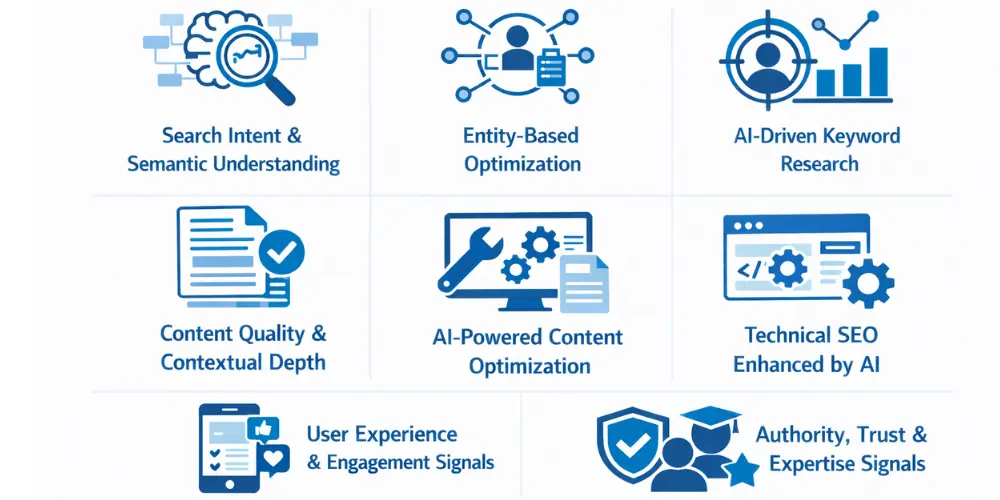
Many organizations adopt AI SEO tools but fail to see the expected results. The following mistakes are the most common culprits.
Ignoring the Human Element
Delegating all decisions to AI is a recipe for mediocrity. AI can optimize for known patterns, but it cannot replicate the strategic thinking of an experienced SEO professional. Always maintain a human-in-the-loop approach where final decisions are made by people who understand the business context.
Focusing Only on Rankings, Not Revenue
Rankings are a means to an end, not the end itself. An AI system might recommend changes that improve rankings for low-intent keywords but do nothing for conversions. Align your AI maintenance goals with business objectives like leads, sales, and customer lifetime value.
Neglecting Mobile and Core Web Vitals
With mobile-first indexing, the mobile experience is paramount. Some AI tools focus primarily on desktop metrics. Ensure that your maintenance system specifically tracks mobile performance, including Largest Contentful Paint, Cumulative Layout Shift, and First Input Delay.
Failing to Update the AI Models
AI tools improve over time as they learn from more data. If you do not regularly update the software and retrain the models with new data, the system’s recommendations become stale. Stay current with software updates and periodically review the system’s accuracy against actual outcomes.
Important Notes for Long-Term Success
AI SEO maintenance is a journey, not a destination. The following notes will help you sustain success over the long term.
- Keep your sitemap and robots.txt files updated to guide AI crawlers efficiently.
- Regularly review your internal linking structure to ensure that link equity flows to your most important pages.
- Monitor your brand mentions across the web, as unlinked mentions can be opportunities for building new backlinks.
- Use AI to analyze your competitors’ content strategies, but do not copy them. Use the insights to find gaps and differentiate your content.
- Pay attention to search intent shifts. A keyword that once meant informational intent may now have commercial intent. AI tools can help detect these shifts.
- Ensure that your AI maintenance system is compliant with data privacy regulations like GDPR and CCPA, especially when analyzing user behavior.
- Document all changes made based on AI recommendations. This creates a feedback loop that helps you understand what works and what does not.
Frequently Asked Questions About AI SEO Maintenance

What is the difference between AI SEO and traditional SEO?
Traditional SEO relies on manual analysis, periodic audits, and human judgment. AI SEO uses machine learning algorithms to automate data collection, pattern recognition, and recommendation generation. It operates continuously and can process far larger datasets than any human team.
How often should AI SEO maintenance be performed?
AI SEO maintenance runs continuously in the background. The system monitors your website 24/7 and provides real-time alerts. However, you should review the system’s recommendations and take action on a weekly or bi-weekly basis, depending on the size of your site and the volume of changes.
Can AI SEO maintenance replace an SEO specialist?
No. AI tools are powerful assistants, but they lack the strategic vision, creative thinking, and industry experience of a skilled SEO professional. The best results come from combining AI’s data processing power with human expertise in decision-making and content creation.
What are the best AI SEO maintenance tools available?
Several tools dominate the market, including Semrush with its AI-powered writing assistant and position tracking, Ahrefs for backlink monitoring and content analysis, and Surfer SEO for on-page optimization. Google’s own Search Console provides essential data that feeds into these tools. The best choice depends on your specific needs and budget.
How does AI SEO maintenance handle algorithm updates?
When a search engine algorithm updates, AI tools immediately compare pre-update and post-update performance data. They identify which pages gained or lost visibility and analyze the common characteristics of those pages. This analysis helps you understand the update’s focus and adjust your strategy accordingly.
Is AI SEO maintenance suitable for small websites?
Yes, but the scale of implementation should match the site’s size. A small blog might only need a lightweight tool that monitors content freshness and basic technical health. A large e-commerce site requires a more comprehensive system. Many AI tools offer tiered pricing to accommodate different needs.
Conclusion
AI SEO maintenance has transformed from a competitive advantage into a necessity for any serious online presence. The continuous, data-driven approach it enables allows businesses to stay ahead of algorithm changes, maintain content relevance, and protect their search visibility against aggressive competition. While the technology requires an investment in both tools and training, the return in terms of sustained traffic, reduced manual effort, and improved conversion rates justifies the cost.
The key to success lies in striking the right balance between automation and human oversight. AI provides the speed, scale, and precision that manual processes cannot match. Human expertise provides the creativity, strategic direction, and contextual understanding that machines still lack. Together, they form a powerful partnership that keeps your website healthy, visible, and profitable in the ever-evolving search landscape.
Start by auditing your current SEO processes, identify the areas where AI can have the most immediate impact, and build your maintenance system incrementally. The future of search is intelligent, and your maintenance strategy should be too.
Xem thêm:
- ChatGPT SEO: The Ultimate Guide to AI-Powered Search Engine Optimization
- AI SEO Bing Webmaster Tools: The Complete Guide to Smarter Search Optimization
- AI SEO Autonomous Agents: The Complete Guide to Hands-Free Search Optimization
- AI SEO Outbound Link Strategy: The Complete Guide to Building Authority in 2025
- Claude SEO: The Complete Guide to Using Anthropic’s AI for Search Engine Optimization
Bài viết cùng chủ đề:

AI SEO SEO Automation with Make: The Complete Workflow Guide

AI SEO SEO Automation with Zapier: The Complete Workflow Guide

AI SEO SEO Automation with n8n: The Complete Workflow Guide
AI SEO SEO Automation with Gemini: The Complete Guide to Scaling Organic Growth

AI SEO SEO Automation with Claude: The Complete Guide to Scaling Content in 2025

AI SEO SEO Automation with ChatGPT: The Complete Playbook for 2025

AI SEO & SEO Automation for Affiliate Sites: The 2025 Playbook for Passive Income Growth
AI SEO & SEO Automation for Bloggers: The Complete Guide to Scaling Your Content

AI SEO & SEO Automation for Agencies: The Complete 2025 Playbook

AI SEO and SEO Automation for Ecommerce: The Complete Playbook for 2025

AI SEO & SEO Automation for WordPress: The Complete Playbook for 2025
AI SEO SEO Automation Strategy: The Complete Playbook for 2025

Mastering the AI SEO SEO Automation Process: A Complete Guide to Scaling Organic Growth
AI SEO SEO Automation System: The Complete Guide to Scaling Organic Growth in 2025
AI SEO SEO Automation Platform: The Complete Guide to Scaling Organic Growth in 2025
AI SEO SEO Automation Software: The Complete Guide to Scaling Organic Growth in 2025















