
No products in the cart.
AI SEO Newsletters: The Ultimate Guide to Staying Ahead in Search with AI-Powered Insights
29
Jul
Jul
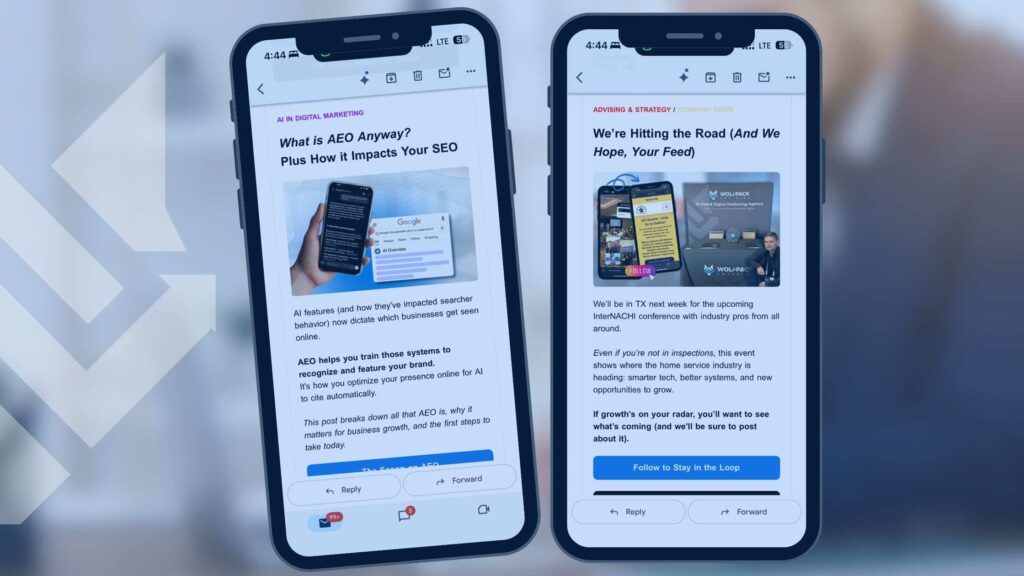
Every week, search algorithms shift beneath our feet. The integration of artificial intelligence into search engines like Google, Bing, and emerging platforms has made it nearly impossible to keep up without a curated stream of intelligence. AI SEO newsletters have become the essential filter for professionals who want to understand how machine learning, natural language processing, and generative AI are reshaping organic search. This guide breaks down what these newsletters are, why they matter, which ones deserve space in your inbox, and how to extract the most actionable insights from them.
What Is an AI SEO Newsletter?
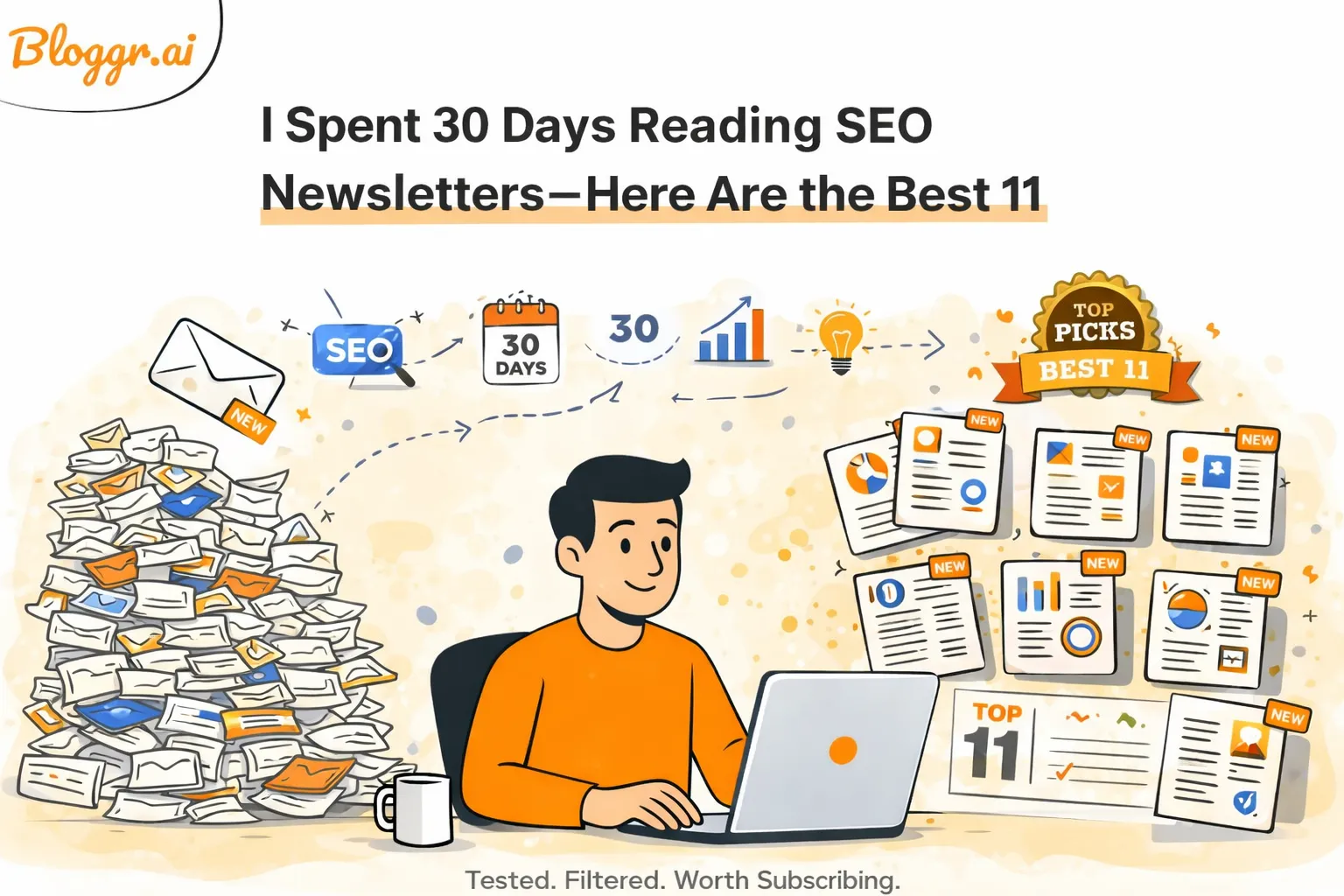
An AI SEO newsletter is a recurring email publication that focuses specifically on the intersection of artificial intelligence and search engine optimization. Unlike general SEO newsletters that cover algorithm updates, link building, and technical audits, these newsletters zero in on topics such as Google’s Search Generative Experience, AI-generated content guidelines, large language model optimization, and prompt engineering for SEO tasks.
They serve a dual purpose: distilling the flood of AI research papers and tech announcements into digestible summaries, and providing tactical advice on how to incorporate AI tools into daily SEO workflows. The best AI SEO newsletters are written by practitioners who are actively testing what works, not just theorizing. They combine real-world case studies with sharp analysis, saving you hours of sifting through generic tech news.
Why AI SEO Newsletters Are No Longer Optional
For much of the past two decades, SEO newsletters focused on backlink strategies, core web vitals, and the occasional Google algorithm update. The landscape has shifted dramatically. AI now powers everything from automated content briefs to SERP feature generation, and the pace of change is accelerating. Relying solely on traditional industry blogs means missing critical context that only a specialized AI SEO newsletter can provide.
Consider how quickly Google’s stance on AI content evolved. Early 2023 brought warnings about “spammy automatically generated content.” By late 2024, the emphasis had moved to content helpfulness regardless of its origin, with AI-assisted writing becoming table stakes. Newsletters that track this nuance gave their readers a first-mover advantage, helping them adjust content strategies before competitors caught on.
Beyond algorithm coverage, these newsletters deliver practical prompts, tool comparisons, and ethical frameworks. They highlight which AI writing assistants actually produce unique, valuable content and which risk duplication penalties. In a world where misinformation about AI SEO spreads faster than the technology itself, a trusted newsletter becomes a lifeline.
Core Benefits of Subscribing to AI SEO Newsletters
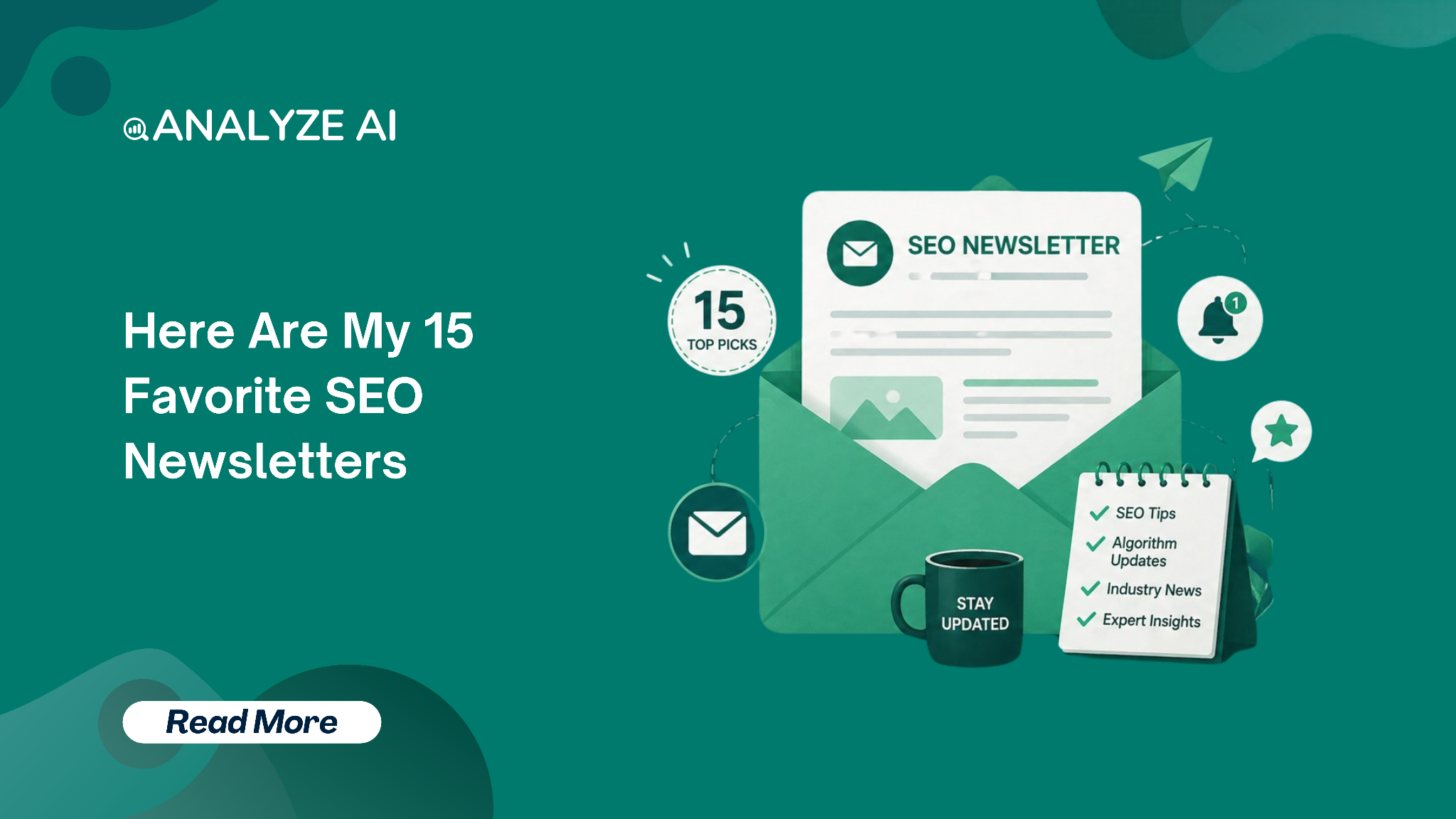
- Curated signal-over-noise intelligence: You bypass clickbait headlines and get directly to verified information that impacts your rankings.
- Actionable workflow integration: The best editions include ready-to-use prompts for ChatGPT, Claude, or Gemini that you can adapt for keyword research, content optimization, and schema generation.
- Early warnings on algorithm shifts: When Google tests an AI-powered feature in a limited region, AI SEO newsletters are often the first to report and analyze the implications.
- Tool discovery and honest reviews: From AI content detectors to automated internal linking plugins, you learn which tools deliver ROI and which are hype.
- Community and expert perspectives: Many newsletters feature interviews with engineers, product managers, and SEO leaders who are building the AI tools themselves.
- Audit your current knowledge gaps. If you struggle with prompt engineering, prioritize tool-focused newsletters. If you need to understand SGE impact on ecommerce, follow those that dissect SERP features.
- Check the author’s credentials. Look for practitioners who openly share their own test results, not just theory. Authors who run real websites and disclose their methods carry more weight.
- Evaluate the unsubscribe rate. If you consistently skip a newsletter for three weeks, remove it. An overcrowded inbox dilutes attention, causing you to miss truly critical updates.
- Seek newsletters that cite original sources. The best AI SEO newsletters link directly to Google patents, research papers, or official announcements, allowing you to verify claims.
- Confirmation bias in selection: Subscribing only to newsletters that align with your existing beliefs creates an echo chamber. Deliberately include sources that sometimes challenge your views on AI-generated content or the future of link building.
- Passive consumption without testing: Reading about a brilliant AI prompt but never implementing it wastes the learning opportunity. Commit to testing at least one idea per week from your newsletters.
- Ignoring the niche ones: Big-name newsletters offer breadth, but smaller, niche publications often break ground on topics like AI for programmatic SEO or voice search optimization. Seek out specialists.
- Over-reliance on summaries: If a newsletter references an important Google research paper or court document, go read the original. The summary is a starting point, not a substitute.
- Failing to adjust over time: Your needs change as AI SEO matures. Re-evaluate your subscriptions quarterly. The newsletter that was perfect for learning AI content basics might be too shallow a year later.
Types of AI SEO Newsletters
The AI SEO newsletter ecosystem is diverse. Selecting the right mix depends on your role, learning style, and how much time you can dedicate each week. Here are the main categories:
Curated News Roundups
These newsletters aggregate the most important AI and SEO stories from across the web, usually with brief commentary. They are ideal for busy professionals who need a 5-minute scan to stay informed. Examples include SEOFOMO by Aleyda Solis, which often includes a dedicated AI section, and Search Engine Roundtable’s daily recap which now extensively covers AI-related search updates.
The strength of curated roundups is their breadth. They cover announcements from OpenAI, Google AI, Microsoft Bing, and the SEO tool ecosystem in a single email. The weakness is that they rarely dive deep into implementation. Use them as your first layer of awareness, then rely on deeper dive newsletters for tactics.
Deep-Dive Analysis and Case Studies
These newsletters take one or two topics per edition and dissect them completely. Expect original research, data visualizations, and step-by-step experiments. Glen Allsopp’s Detailed is a prime example, frequently analyzing how AI-generated content performs in competitive niches over time. Mike King’s iPullRank newsletter unpacks the technical underpinnings of language models and how they affect information retrieval.
Deep-dive newsletters require more reading time but provide the highest long-term value. They often challenge conventional wisdom, presenting counterintuitive findings that can reshape your entire SEO approach. If you implement even one tactic per month from such sources, the impact can be significant.
Tool and Prompt-Focused Newsletters
These publications center on practical application. They share exact prompts that produced exceptional results, compare AI writing tools for specific use cases, and review new plugins that integrate AI into WordPress or Shopify. Some examples include newsletters from SurferSEO, Frase, or independent creators who specialize in prompt engineering for SEO.
They suit hands-on practitioners who want to test new techniques immediately. A typical edition might provide a prompt for generating FAQ schema from a blog post, followed by a breakdown of the output quality across different LLMs.
Company and Platform Updates
Many AI SEO tool vendors run their own newsletters. While they carry an inherent bias toward their product, they also offer unique insights into their development roadmaps and beta features. Subscribing to a few from the tools you already use ensures you don’t miss functionality that could streamline your workflow.
Top AI SEO Newsletters Worthy of Your Inbox

Selecting the right newsletters is personal, but a strong foundation includes a mix of the types above. The following represent newsletters that consistently publish high-quality, actionable AI SEO content. This list is a starting point, not a definitive ranking.
| Newsletter | Focus | Frequency | Best For |
|---|---|---|---|
| Search Engine Journal’s SEJ Today | Broad SEO news with dedicated AI section | Daily | Staying aware of AI trends without deep dives |
| Detailed by Glen Allsopp | AI content experiments, SERP analysis | Weekly/Biweekly | Data-driven SEOs wanting original research |
| SEOFOMO by Aleyda Solis | Curation of SEO news, AI tool launches, events | Weekly | Busy professionals needing broad, quick scan |
| Search News You Can Use by Marie Haynes | Google algorithm interpretations, quality guidelines | Weekly | Understanding Google’s AI quality signals |
| SEO Notebook by Steve Wiideman | Actionable SEO tasks, AI-assisted implementations | Weekly | Hands-on practitioners wanting assignments |
| Not a Newsletter by Dan Oshinsky | Email strategy, often touching on AI for content creation | Monthly | Content marketers using AI for email sequences |
Many newsletter creators are active on LinkedIn and X, where they share additional insights between editions. Following them on social platforms can create a real-time supplement to the newsletter content.
How to Choose the Right AI SEO Newsletter Mix
With dozens of options, you risk newsletter overload. A disciplined approach ensures each subscription earns its place.
Integrating AI SEO Newsletters into Your Daily Workflow

Merely subscribing isn’t enough. The value compounds when you have a system for extracting and applying insights.
Start by designating a specific time each week for newsletter review — perhaps Monday mornings or Friday afternoons. During that session, capture actionable items in a task manager. If a newsletter suggests a new prompt for optimizing meta descriptions, add a task to test it on five top pages that week.
Build a personal knowledge base. Many SEO professionals maintain a Notion database or simple Google Doc where they log key takeaways from each edition. Tag entries by topic (AI content, technical SEO, local AI features) so you can retrieve them later when planning campaigns. This transforms newsletters from ephemeral inbox items into a searchable strategic asset.
Finally, share and discuss what you learn. Forward a particularly insightful edition to your team with a brief note on how it applies to an upcoming project. This habit not only spreads knowledge but also reinforces your own understanding.
Common Mistakes When Using AI SEO Newsletters
Even experienced SEOs fall into traps that limit the value they extract from their subscriptions. Recognizing these pitfalls helps you avoid them.
Important Notes for Maximizing Value
Treat AI SEO newsletters as a component of a broader learning ecosystem. Complement them with podcasts, webinars, and hands-on experimentation. The newsletters are excellent for keeping a pulse on rapid changes, but they cannot replace the deep understanding that comes from running your own AI SEO tests on a staging site.
Pay attention to the publication date. In AI SEO, a six-month-old newsletter about a specific tool’s capabilities might be obsolete. However, timeless principles around information retrieval and user intent remain valid. Distinguish between fleeting tactics and durable strategies.
Be aware that the line between genuine insight and affiliate-driven content can blur. When a newsletter heavily promotes a particular AI writing tool, check if the author has a direct financial relationship. Many ethical creators disclose this clearly, and transparency is a strong trust signal.
Finally, contribute back to the community. When you run an AI SEO test that yields interesting results, reach out to newsletter authors. Many welcome community contributions, and sharing your findings builds your professional reputation while enriching the ecosystem.
Frequently Asked Questions
What makes an AI SEO newsletter different from a regular SEO newsletter?
An AI SEO newsletter specifically focuses on artificial intelligence’s role in search, such as generative AI in SERPs, AI content creation best practices, and large language model optimization. Regular SEO newsletters cover the entire SEO spectrum, often including AI as just one topic among many. The AI-specific versions provide deeper technical analysis and more frequent tactical advice tailored to a rapidly evolving subfield.
How often should I read AI SEO newsletters to stay current?
A combination of daily and weekly reads works best for most professionals. A daily curated newsletter ensures you catch breaking news, while one or two deep-dive weekly newsletters provide the analysis and testing insights that translate into action. Spending 20 to 30 minutes a few times a week on newsletter review is typically sufficient.
Are free AI SEO newsletters enough or should I pay for premium ones?
Many excellent AI SEO newsletters are free and deliver substantial value. Premium subscriptions often add private communities, exclusive deep-dive reports, or direct access to the author for Q&A. Start with free options to find voices you trust; then, if a premium tier offers workflow-saving templates or significantly deeper research, it can be a worthy investment.
How can I verify the accuracy of claims made in AI SEO newsletters?
Cross-reference major claims with original sources — Google’s Search Central blog, official patent filings, and announcements from AI developers like OpenAI or Anthropic. Follow multiple newsletters on the same topic to spot consensus. If a single newsletter makes a bold claim without a transparent test methodology, treat it with skepticism until you can replicate the result or see it confirmed elsewhere.
Which AI SEO newsletter is best for beginners?
SEOFOMO and Search Engine Journal’s daily newsletter are excellent starting points because they provide broad coverage with clear explanations. Beginners benefit from curated roundups that give context to AI announcements without assuming deep technical knowledge. As comfort grows, gradually add more specialized, data-heavy newsletters.
Can AI SEO newsletters help with prompt engineering for content tasks?
Absolutely. Many AI SEO newsletters publish exact prompt templates that have been tested for keyword clustering, content outlining, meta description generation, and schema markup creation. Following tool-focused newsletters and experimenting with shared prompts is one of the fastest ways to build a library of reliable AI workflows.
Conclusion
The emergence of AI SEO newsletters marks a necessary evolution in how search professionals learn. No single blog or training course can keep pace with the weekly cadence of AI-driven changes to search. A thoughtfully curated set of newsletters acts as a research team, filter, and mentor, delivering distilled expertise directly to you.
The key is not to accumulate subscriptions but to cultivate a small, high-quality roster that aligns with your specific challenges. Combine news roundups, deep-dive case studies, and prompt-focused editions. Apply what you learn immediately, track results, and refine your learning sources as the AI landscape evolves. In an era where search engines are becoming answer engines, those who master the flow of actionable AI SEO intelligence will build the resilient, high-performing strategies that define tomorrow’s digital success.
Xem thêm:
- AI SEO Semrush: The Complete Guide to Automating Your Search Rankings in 2025
- AI SEO Influencers: The New Architects of Search Visibility in an Era of Machine Intelligence
- The Ultimate Guide to AI SEO Conferences: Where Search Meets Artificial Intelligence
- AI Image SEO: The Definitive Guide to Ranking AI-Generated Visuals
- AI SEO Keyword Database: The Complete Guide to Smarter Search Rankings
Bài viết cùng chủ đề:

AI SEO SEO Automation with Make: The Complete Workflow Guide

AI SEO SEO Automation with Zapier: The Complete Workflow Guide

AI SEO SEO Automation with n8n: The Complete Workflow Guide
AI SEO SEO Automation with Gemini: The Complete Guide to Scaling Organic Growth

AI SEO SEO Automation with Claude: The Complete Guide to Scaling Content in 2025

AI SEO SEO Automation with ChatGPT: The Complete Playbook for 2025

AI SEO & SEO Automation for Affiliate Sites: The 2025 Playbook for Passive Income Growth
AI SEO & SEO Automation for Bloggers: The Complete Guide to Scaling Your Content

AI SEO & SEO Automation for Agencies: The Complete 2025 Playbook

AI SEO and SEO Automation for Ecommerce: The Complete Playbook for 2025

AI SEO & SEO Automation for WordPress: The Complete Playbook for 2025
AI SEO SEO Automation Strategy: The Complete Playbook for 2025

Mastering the AI SEO SEO Automation Process: A Complete Guide to Scaling Organic Growth
AI SEO SEO Automation System: The Complete Guide to Scaling Organic Growth in 2025
AI SEO SEO Automation Platform: The Complete Guide to Scaling Organic Growth in 2025
AI SEO SEO Automation Software: The Complete Guide to Scaling Organic Growth in 2025















