
No products in the cart.
AI SEO PAA Optimization: The Complete Guide to Winning People Also Ask Boxes in 2025
10
Aug
Aug
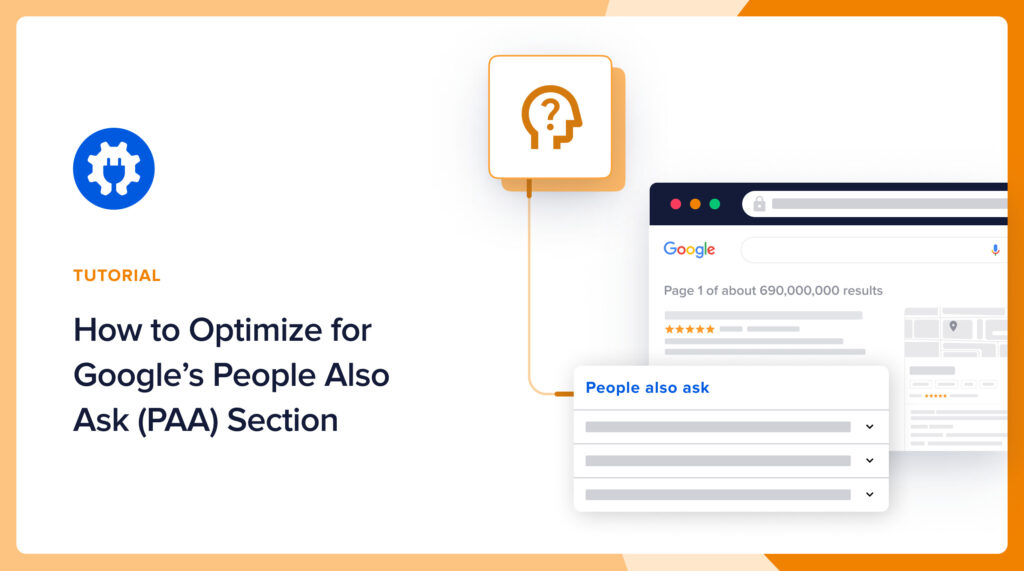
AI SEO PAA Optimization has become the most critical skill for digital marketers who want to capture high-intent traffic without competing for the same ten blue links. People Also Ask (PAA) boxes now appear in over 49% of Google search results, and with AI-driven search experiences reshaping how users consume information, optimizing for these dynamic question-based features requires a fundamentally different approach. This comprehensive guide breaks down exactly how AI tools, natural language processing, and strategic content structuring combine to dominate PAA placements and drive sustainable organic growth.
Understanding the Evolution of People Also Ask Boxes

Google introduced the People Also Ask feature in 2015 as a way to surface related questions that users might not have considered. Initially, these boxes contained four to eight questions with expandable answers pulled directly from web pages. Over time, the algorithm behind PAA has become significantly more sophisticated, using neural matching and natural language understanding to generate questions that reflect genuine user intent patterns.
The modern PAA box is no longer a static element. It dynamically expands as users click on questions, revealing new related queries that branch into different subtopics. This creates an infinite web of question pathways that savvy SEO professionals can strategically target. With the integration of AI-powered ranking systems like RankBrain and the more recent BERT and MUM updates, Google now understands context, sentiment, and semantic relationships far better than it did in the early days of PAA.
Why AI SEO PAA Optimization Matters Now More Than Ever
The search landscape has shifted dramatically with the introduction of AI-generated overviews and conversational search experiences. Users no longer type fragmented keywords; they ask complete questions in natural language. Voice search accounts for nearly 27% of global online searches, and those queries are almost always phrased as questions. When someone asks their phone or smart speaker a question, Google frequently pulls the answer from a PAA box.
Traditional SEO focused on matching keywords to page titles and meta descriptions. AI SEO PAA Optimization goes deeper, focusing on the semantic entities, question patterns, and structured data that help search engines understand exactly what your content answers. This approach not only improves your chances of appearing in PAA boxes but also strengthens your overall topical authority and visibility in AI-generated search summaries.
The Core Components of AI SEO PAA Optimization
Successfully optimizing for People Also Ask boxes requires a multi-layered strategy that combines technical SEO, content engineering, and AI-driven analysis. The following components form the foundation of any effective PAA optimization campaign.
Question Mining and Intent Discovery
The first step in AI SEO PAA Optimization is identifying the exact questions your target audience is asking. Manual research methods involve typing queries into Google and noting the PAA questions that appear. However, AI-powered tools have revolutionized this process by analyzing millions of search queries to identify question patterns, frequency, and user intent signals.
Tools like AlsoAsked, AnswerThePublic, and SEMrush’s Question Analytics provide valuable data on question variations and related queries. More advanced AI platforms use machine learning algorithms to predict emerging questions before they gain significant search volume. This predictive capability gives early movers a substantial competitive advantage in capturing PAA placements before the competition catches on.
Content Structuring for Featured Snippet Success
Google’s algorithm extracts PAA answers from content that follows specific structural patterns. The most successful PAA content uses direct, concise answers followed by supporting details. A typical winning structure includes a 40-60 word direct answer paragraph, followed by bullet points or a table that provides additional context and depth.
Formatting matters significantly. Google’s crawlers look for clear heading hierarchies, with the question either in the H2 or H3 tag or immediately following it. The answer should appear within the first 100 words of that section. Using schema markup, particularly FAQPage and QAPage structured data, further signals to Google that your content directly addresses specific questions.
AI Tools and Technologies for PAA Optimization

The integration of artificial intelligence into SEO workflows has transformed how professionals approach PAA optimization. AI tools now handle everything from keyword research to content generation and performance tracking.
Natural Language Processing for Content Analysis
Natural Language Processing (NLP) tools analyze your existing content to identify gaps in question coverage, semantic relevance, and readability. These tools can compare your content against top-ranking PAA results to highlight missing entities, weak answer structures, and opportunities for improvement. Google’s own NLP API provides insights into entity salience and content categories that help align your writing with algorithmic expectations.
Generative AI for Answer Creation
Large language models like GPT-4 and Claude can generate multiple variations of answers to target questions, allowing you to test different phrasing and structures. While AI-generated content requires careful human review and editing, it accelerates the content production process significantly. The key is using AI as a starting point, then layering in your unique expertise, data, and experience to create content that demonstrates genuine authority.
Predictive Analytics for Question Trends
Advanced AI platforms now offer predictive analytics that forecast which questions will gain traction in the coming months. These systems analyze search volume trends, social media discussions, forum activity, and news cycles to identify emerging topics. By creating content for these predicted questions early, you position yourself to capture PAA placements as search demand grows.
Step-by-Step Process for AI SEO PAA Optimization
Implementing a successful PAA optimization strategy requires a systematic approach. The following process outlines the key steps from initial research through ongoing optimization.
Step 1: Comprehensive Question Research
Begin by compiling a comprehensive list of questions related to your target topic. Use a combination of manual Google searches, AI-powered question discovery tools, and analysis of your existing search query data from Google Search Console. Categorize these questions by intent, difficulty, and relevance to your business objectives.
Focus on questions that have a reasonable chance of ranking while still providing meaningful traffic potential. Long-tail questions with lower search volume often convert better because they indicate higher purchase intent or specific informational needs.
Step 2: Competitive Gap Analysis
Analyze which questions currently trigger PAA boxes and which websites appear in those positions. Identify patterns in the content structure, length, and format of the winning answers. Look for gaps where the current PAA answers are weak, outdated, or incomplete. These gaps represent your best opportunities for capturing placements.
Pay attention to the types of content that appear in PAA boxes for your target questions. Some questions consistently pull answers from listicles, others from definition pages, and others from comparison tables. Match your content format to the demonstrated preferences of the algorithm.
Step 3: Content Creation and Optimization
Create content specifically designed to answer your target questions. Each question should have a dedicated section with a clear heading that matches or closely mirrors the question phrasing. Write a direct, concise answer first, then expand with supporting information, examples, data, and expert insights.
Incorporate related questions naturally throughout your content to create semantic connections. Google’s algorithm recognizes when a single piece of content comprehensively addresses a cluster of related questions, increasing the likelihood of multiple PAA placements from one page.
Step 4: Technical Implementation
Ensure your technical SEO foundation supports PAA optimization. Implement FAQPage schema markup on pages with question-and-answer content. Use clean, descriptive URLs that include relevant keywords. Optimize page speed and mobile responsiveness, as Google prioritizes fast-loading pages for featured positions.
Internal linking plays a crucial role in PAA optimization. Link from your question-focused content to related articles and service pages, creating a topical cluster that signals comprehensive coverage to search engines.
Step 5: Monitoring and Iteration
Track your PAA placements using rank tracking tools that specifically monitor featured snippet and PAA positions. Monitor changes in PAA questions over time, as Google frequently rotates the questions displayed. Update your content regularly to maintain relevance and accuracy.
Analyze click-through rates and engagement metrics for pages that appear in PAA boxes. While PAA placements don’t always generate direct clicks, they increase brand visibility and can lead to higher overall organic traffic as users expand the box and explore multiple questions.
Benefits and Limitations of PAA Optimization
Understanding both the advantages and constraints of AI SEO PAA Optimization helps set realistic expectations and guide resource allocation.
Key Benefits
- Increased visibility across multiple search results page elements, not just organic listings
- Higher brand authority and perceived expertise when your content appears in answer boxes
- Opportunity to capture voice search traffic, as PAA answers often feed voice assistant responses
- Enhanced topical authority through comprehensive question coverage
- Potential for multiple placements from a single well-optimized page
- PAA placements can be volatile, with questions and answers changing frequently
- Click-through rates from PAA boxes are often lower than traditional organic results
- Intense competition for high-value questions in popular niches
- Requires ongoing monitoring and content updates to maintain positions
- Google may pull answers from multiple sources, meaning you share visibility with competitors
Limitations and Challenges
Comparing Traditional SEO and AI SEO PAA Optimization
| Aspect | Traditional SEO | AI SEO PAA Optimization |
|---|---|---|
| Primary Focus | Keyword rankings | Question-based visibility |
| Content Format | Long-form articles | Structured Q&A sections |
| Research Method | Keyword volume analysis | Question mining and intent mapping |
| Algorithm Understanding | Basic ranking factors | NLP and semantic entity recognition |
| Success Metrics | Position tracking | PAA placements and answer box presence |
| Content Updates | Periodic refresh | Continuous optimization based on AI insights |
Common Mistakes in AI SEO PAA Optimization
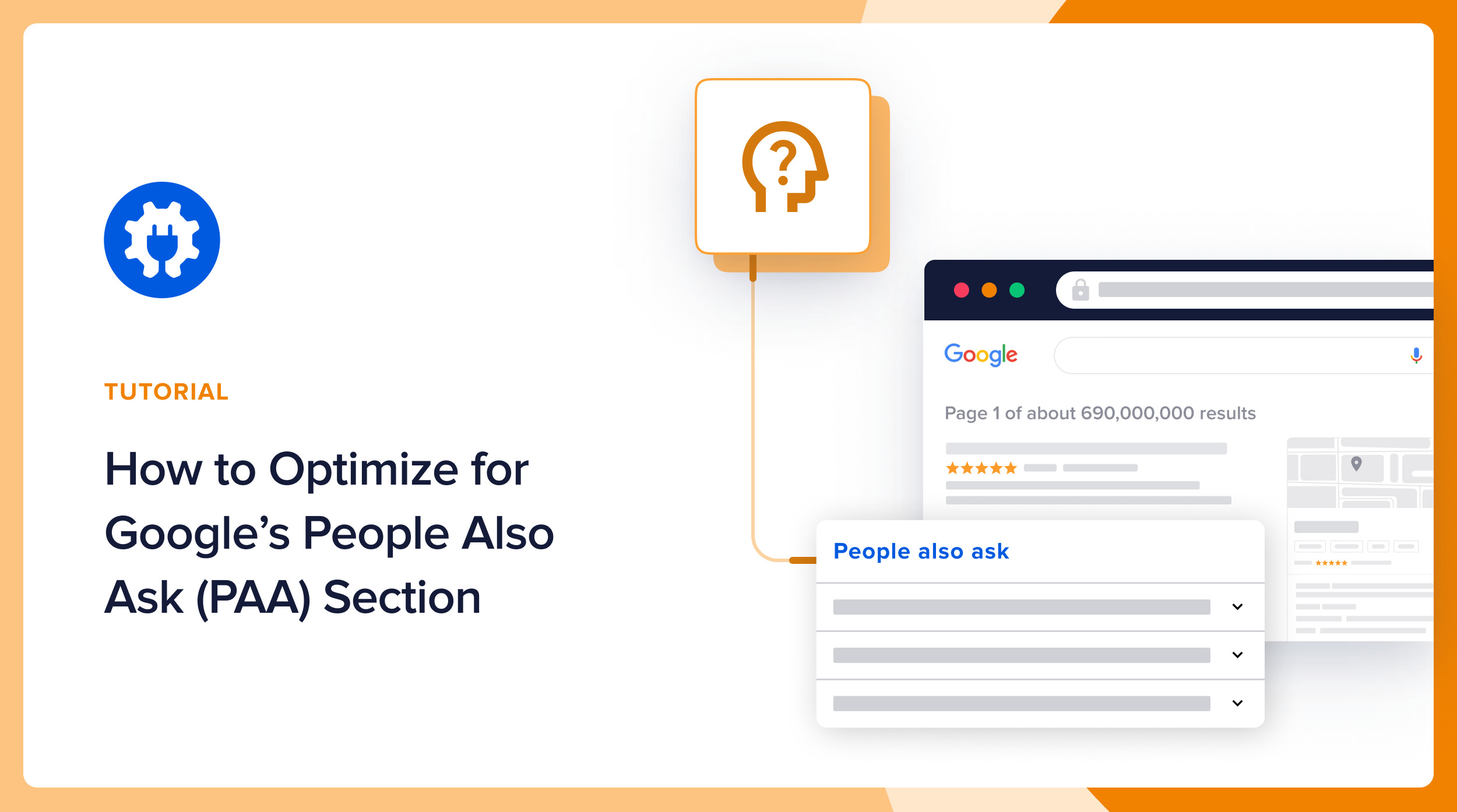
Many SEO professionals make avoidable errors when pursuing PAA placements. Recognizing these mistakes helps you refine your approach and achieve better results.
Keyword Stuffing in Question Headings
Some practitioners force target keywords into question headings, creating awkward phrasing that doesn’t match natural language patterns. Google’s algorithm detects this unnatural language and may penalize the content. Question headings should read exactly as users would ask them, even if that means using slightly different wording than your primary keyword.
Ignoring Answer Quality
Publishing thin, generic answers that don’t provide genuine value harms your chances of PAA placement. Google’s quality raters and algorithms increasingly prioritize content that demonstrates expertise, experience, and trustworthiness. Every answer should include specific data, actionable insights, or unique perspectives that differentiate your content from competitors.
Neglecting Mobile Optimization
With mobile devices accounting for over 60% of organic search traffic, PAA boxes must display properly on smaller screens. Content with complex tables, oversized images, or slow-loading elements performs poorly in mobile PAA placements. Ensure your answer sections are concise enough to display fully without excessive scrolling.
Failing to Update Content
PAA questions and answers change as user behavior evolves and new information emerges. Content that was optimized six months ago may no longer align with current algorithmic preferences. Regular content audits and updates are essential for maintaining PAA visibility.
Important Notes for Long-Term Success
AI SEO PAA Optimization is not a one-time project but an ongoing process that requires consistent attention and adaptation. The algorithms powering PAA boxes continue to evolve, and strategies that work today may require adjustment tomorrow.
Focus on building genuine topical authority rather than chasing individual PAA placements. When your website becomes a recognized resource for comprehensive, accurate information on a subject, PAA placements naturally follow. Invest in creating content that serves user needs first, with PAA optimization as a secondary consideration.
Monitor the impact of AI-generated search overviews on your PAA strategy. As Google integrates more AI features into search results, the relationship between traditional PAA boxes and AI-generated answers will continue to evolve. Stay informed about algorithm updates and adjust your approach accordingly.
Frequently Asked Questions
How long does it take to see results from AI SEO PAA Optimization?
Results typically appear within 4 to 12 weeks of implementing a comprehensive PAA optimization strategy. However, the timeline varies based on domain authority, competition level, content quality, and the specific questions targeted. High-competition questions may take longer, while niche questions with lower competition can show results more quickly.
Can one page rank for multiple PAA questions?
Yes, a single well-structured page can appear in multiple PAA boxes if it comprehensively addresses a cluster of related questions. Google’s algorithm recognizes topical depth and may pull different answers from the same page for different questions. Creating dedicated sections for each question with clear headings and direct answers maximizes this potential.
Does PAA optimization help with voice search rankings?
PAA optimization significantly improves voice search visibility. Voice assistants like Google Assistant and Amazon Alexa frequently pull answers from PAA boxes when responding to voice queries. Since voice searches are typically phrased as complete questions, content optimized for PAA aligns perfectly with voice search patterns.
What is the ideal answer length for PAA boxes?
Direct answers should be between 40 and 60 words for optimal PAA extraction. This length provides enough context for Google to understand the answer while remaining concise enough to display fully in the PAA box. Supporting content can be longer, but the immediate answer following the question heading should stay within this range.
How often does Google update PAA questions?
Google updates PAA questions frequently, sometimes rotating questions within hours or days. The algorithm continuously tests different question variations to determine which best serve user needs. This dynamic nature requires ongoing monitoring and content adaptation to maintain PAA visibility over time.
Is schema markup necessary for PAA optimization?
While schema markup is not strictly required for PAA placement, it significantly improves your chances. FAQPage and QAPage structured data help Google understand the question-and-answer relationship in your content. Implementing proper schema markup also makes your content eligible for rich results, increasing overall visibility.
Conclusion
AI SEO PAA Optimization represents a fundamental shift in how digital marketers approach search visibility. By focusing on question-based content, semantic relevance, and user intent, you position your website to capture the high-intent traffic that flows through People Also Ask boxes. The integration of AI tools and technologies enhances every stage of the optimization process, from question discovery to content creation and performance tracking.
Success in PAA optimization requires a commitment to quality, continuous learning, and adaptation to algorithmic changes. The strategies outlined in this guide provide a comprehensive framework for capturing PAA placements and building sustainable organic visibility. Start by researching your target questions, creating structured answer content, and implementing technical best practices. Monitor your results, refine your approach, and stay ahead of the evolving search landscape to maintain your competitive advantage in AI-driven search environments.
Xem thêm:
- AI SEO Automated SEO Reports: The Complete Guide to Smarter Reporting in 2025
- AI Editorial Calendar: Revolutionize Your Content Planning with Smart Automation
- AI SEO CRO Strategy: The Complete Guide to Converting Search Traffic
- AI Content Scoring: The Complete Guide to Automated Quality Evaluation and Performance Prediction
- The Ultimate AI SEO Workflow: How to Automate Your Search Rankings from Research to Reporting
Bài viết cùng chủ đề:

AI SEO SEO Automation with Make: The Complete Workflow Guide

AI SEO SEO Automation with Zapier: The Complete Workflow Guide

AI SEO SEO Automation with n8n: The Complete Workflow Guide
AI SEO SEO Automation with Gemini: The Complete Guide to Scaling Organic Growth

AI SEO SEO Automation with Claude: The Complete Guide to Scaling Content in 2025

AI SEO SEO Automation with ChatGPT: The Complete Playbook for 2025

AI SEO & SEO Automation for Affiliate Sites: The 2025 Playbook for Passive Income Growth
AI SEO & SEO Automation for Bloggers: The Complete Guide to Scaling Your Content

AI SEO & SEO Automation for Agencies: The Complete 2025 Playbook

AI SEO and SEO Automation for Ecommerce: The Complete Playbook for 2025

AI SEO & SEO Automation for WordPress: The Complete Playbook for 2025
AI SEO SEO Automation Strategy: The Complete Playbook for 2025

Mastering the AI SEO SEO Automation Process: A Complete Guide to Scaling Organic Growth
AI SEO SEO Automation System: The Complete Guide to Scaling Organic Growth in 2025
AI SEO SEO Automation Platform: The Complete Guide to Scaling Organic Growth in 2025
AI SEO SEO Automation Software: The Complete Guide to Scaling Organic Growth in 2025















