
No products in the cart.
AI SEO Project Management: The Complete Guide to Scaling Organic Growth in 2025
31
Jul
Jul
Managing SEO projects has always been a juggling act of content calendars, technical audits, link-building outreach, and stakeholder reporting. The complexity has only grown as search algorithms evolve. Enter AI SEO project management, a discipline that blends artificial intelligence tools with traditional project management frameworks to streamline workflows, automate repetitive tasks, and deliver data-driven insights. This guide explores how AI transforms every phase of an SEO project, from discovery to reporting, and provides a practical roadmap for teams looking to integrate these technologies without losing the human touch that drives true creativity.
What is AI SEO Project Management?
AI SEO project management refers to the application of machine learning, natural language processing, and predictive analytics to plan, execute, and monitor search engine optimization initiatives. It is not about replacing project managers or SEO specialists. Instead, it augments their capabilities by handling time-consuming tasks like keyword clustering, rank tracking, content gap analysis, and progress reporting. The core value lies in freeing up human experts to focus on strategy, content quality, and relationship building, which are areas where AI still falls short.
The discipline sits at the intersection of three domains: SEO operations, software project management, and data science. A typical AI-driven workflow might involve an AI tool that automatically assigns content tasks to writers based on their past performance, predicts the potential traffic impact of a proposed article, and then updates the project dashboard in real time as rankings shift. This creates a feedback loop where project plans are continuously refined based on live performance data rather than static quarterly assumptions.
Why Traditional SEO Project Management Falls Short
Traditional SEO project management relies heavily on spreadsheets, manual rank checks, and periodic reporting. This approach has several critical weaknesses. First, it is slow. By the time a team manually compiles a monthly report, the search landscape may have shifted dramatically due to a Google core update or a competitor’s aggressive campaign. Second, it is prone to human error. Misplaced formulas, outdated keyword lists, and inconsistent data sources lead to flawed decisions. Third, it lacks scalability. As a website grows from hundreds to hundreds of thousands of pages, the manual effort required to manage content production, technical fixes, and link acquisition becomes unsustainable.
AI addresses these issues by providing real-time data ingestion, automated anomaly detection, and predictive forecasting. For instance, an AI system can monitor thousands of keywords daily, flag sudden drops in visibility, and automatically create a task in the project management tool for the responsible team member. This level of automation reduces the time between identifying a problem and taking corrective action from days to minutes.
Core Components of an AI-Powered SEO Workflow
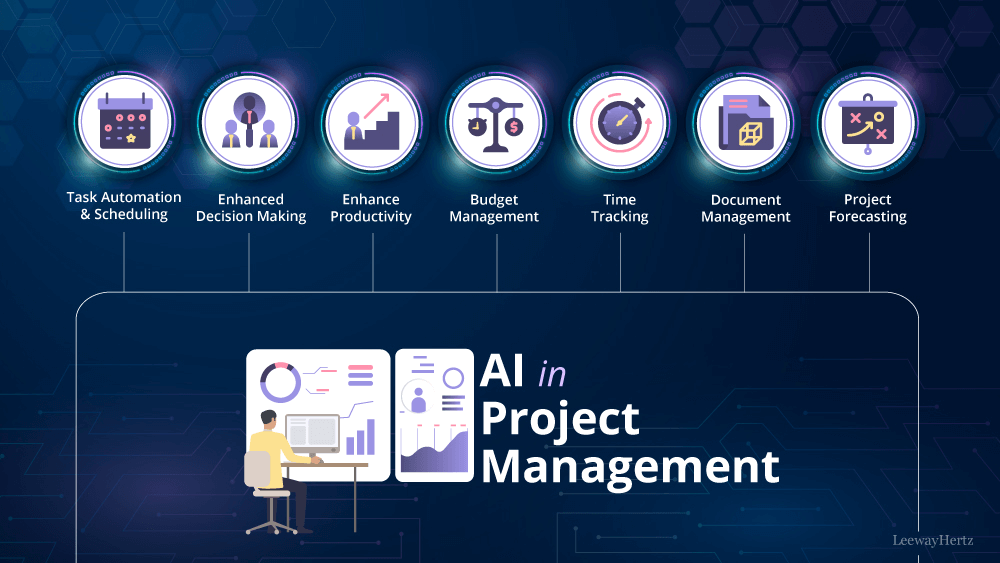
Implementing AI SEO project management requires understanding the key components that make up a modern workflow. These components work together to create a cohesive system that manages both the strategic and tactical aspects of SEO.
1. Automated Keyword Research and Clustering
AI tools like Clearscope, Surfer SEO, and MarketMuse analyze search engine results pages (SERPs) to identify semantic relationships between keywords. Instead of manually sorting hundreds of keywords into topic clusters, AI algorithms group them based on search intent, shared terms, and ranking patterns. This clustering directly informs the project roadmap, showing which content pieces should be created or updated to cover a topic comprehensively.
2. Predictive Content Performance Modeling
Modern AI systems can estimate the potential traffic and revenue impact of a proposed piece of content before a single word is written. By analyzing historical data from the target website and comparing it with competitor performance, the AI provides a projected return on investment (ROI) for each content task. Project managers can then prioritize tasks based on expected value, ensuring that the team’s effort is focused on high-impact activities rather than vanity metrics.
3. Real-Time Rank Tracking and Alerting
Tools like Semrush, Ahrefs, and SE Ranking offer API integrations that feed live ranking data into project management platforms such as Jira, Asana, or Trello. When a keyword moves outside a predefined threshold, the system automatically creates a high-priority ticket. This alerting mechanism is crucial for managing large portfolios where manual monitoring is impossible.
4. AI-Assisted Content Generation and Optimization
While AI cannot replace expert writers, it can significantly accelerate the drafting process. Generative AI tools produce outlines, suggest headings, and even write first drafts based on the project brief. The project manager’s role shifts to reviewing and refining AI output, ensuring brand voice consistency and factual accuracy. This hybrid approach reduces content production time by up to 40%, according to industry case studies from agencies like Siege Media and Animalz.
5. Automated Technical SEO Auditing
Crawling tools powered by AI, such as Screaming Frog with machine learning add-ons or Lumar (formerly DeepCrawl), identify technical issues like broken links, duplicate content, and slow page speed. More importantly, they prioritize these issues based on their potential impact on organic traffic. The project management system then assigns these fixes to developers with clear deadlines and acceptance criteria.
6. Intelligent Reporting and Stakeholder Communication
AI-driven reporting tools generate narrative summaries of performance, highlighting wins, losses, and anomalies in plain English. These reports are automatically distributed to stakeholders, eliminating the need for manual slide deck creation. The project manager can then focus on discussing strategy and next steps rather than spending hours formatting charts.
Benefits of Integrating AI into SEO Project Management
The advantages of adopting AI SEO project management are tangible and measurable. Teams that embrace this approach report significant improvements in efficiency, accuracy, and strategic alignment.
- Time Savings: Automating repetitive tasks like rank tracking and report generation saves 10-15 hours per week for a typical SEO manager, allowing more time for analysis and creative strategy.
- Improved Accuracy: AI eliminates manual data entry errors, ensuring that decisions are based on consistent, reliable data across all channels.
- Faster Response to Algorithm Updates: Real-time monitoring allows teams to detect and react to ranking fluctuations within hours, not weeks, reducing potential traffic losses.
- Better Resource Allocation: Predictive modeling helps managers allocate budgets and human resources to projects with the highest expected ROI, avoiding wasted effort on low-value tasks.
- Enhanced Scalability: AI systems handle the complexity of managing thousands of keywords and pages, making it feasible to scale SEO efforts without proportionally increasing headcount.
- Data-Driven Prioritization: Instead of relying on gut feeling, project backlogs are prioritized based on quantitative impact scores, leading to more defensible decisions in stakeholder meetings.
Limitations and Challenges to Consider
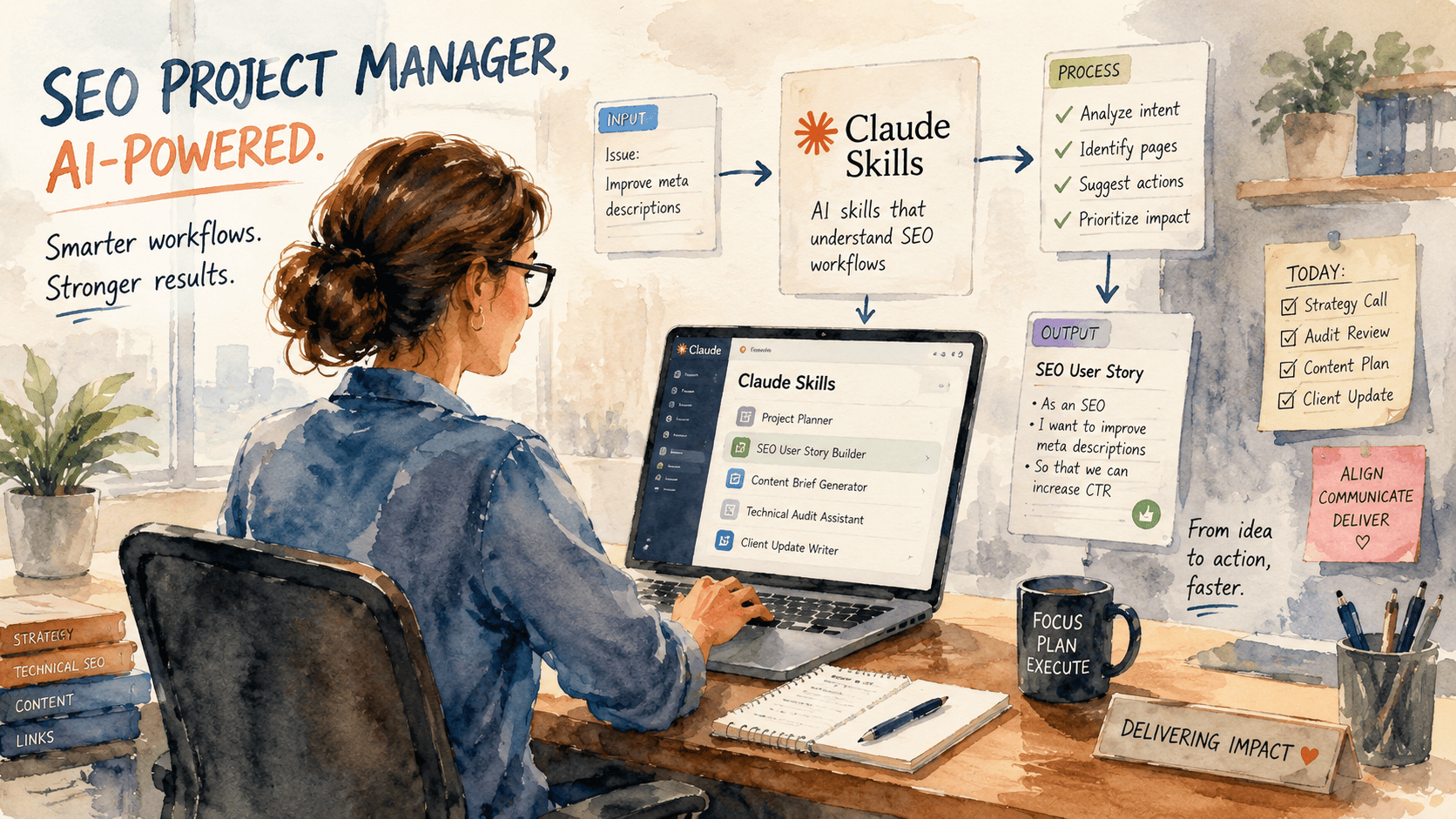
Despite its power, AI SEO project management is not a silver bullet. Understanding its limitations is essential for successful implementation.
Data Quality Dependency: AI models are only as good as the data they are trained on. If the historical data contains biases or errors, the predictions will be flawed. For new websites with little historical data, AI forecasting may be unreliable.
Lack of Creative Judgment: AI cannot understand brand nuance, cultural context, or emotional resonance. A project manager must still make final decisions on content tone, messaging, and creative direction.
Integration Complexity: Connecting AI tools with existing project management software often requires technical expertise and API configuration. Small teams without dedicated developers may struggle with the initial setup.
Cost Considerations: Premium AI SEO tools can be expensive. A comprehensive stack might cost $500-$2,000 per month, which may not be justifiable for very small businesses or startups with limited budgets.
Over-Reliance Risk: Teams that blindly follow AI recommendations without human oversight can make strategic errors. For example, an AI might suggest targeting keywords with high volume but low conversion potential, leading to wasted effort.
AI SEO Project Management vs. Traditional Methods: A Comparison
| Aspect | Traditional SEO Project Management | AI-Powered SEO Project Management |
|---|---|---|
| Data Collection | Manual exports from multiple tools, weekly or monthly | Real-time API integrations, continuous data flow |
| Task Prioritization | Based on manager’s experience and manual analysis | Based on predictive impact scores and algorithmic ranking |
| Reporting Frequency | Monthly or quarterly static reports | Dynamic dashboards with automated narrative summaries |
| Error Rate | High due to manual data handling | Low, with automated validation checks |
| Scalability | Limited by team size and manual capacity | Highly scalable with cloud-based AI processing |
| Cost | Lower tool costs but higher labor hours | Higher tool costs but lower labor hours |
| Adaptability | Slow to react to algorithm changes | Rapid response through automated alerts |
Practical Implementation: A Step-by-Step Guide
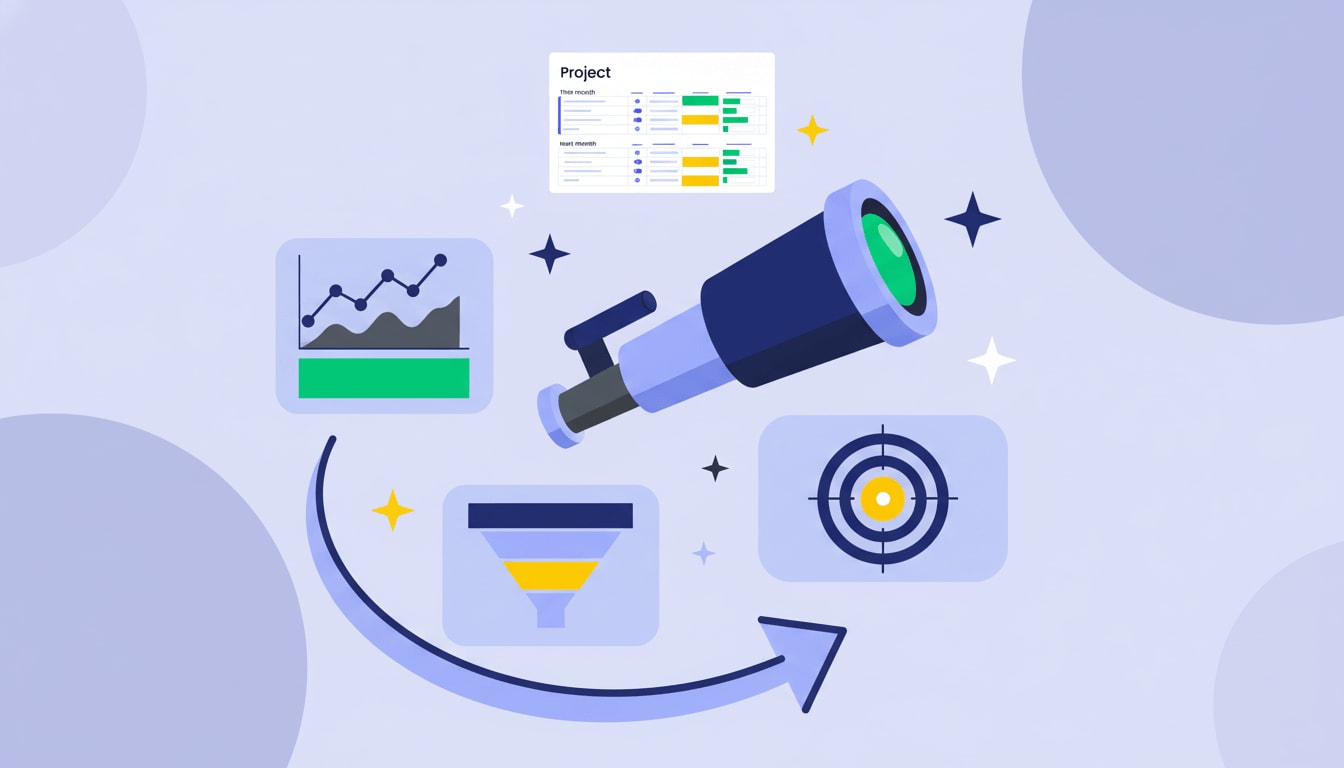
Implementing AI SEO project management requires a structured approach. Follow these steps to build a system that works for your team.
Step 1: Audit Your Current Workflow
Document every step of your current SEO process, from keyword research to reporting. Identify tasks that are repetitive, time-consuming, and rule-based. These are the prime candidates for AI automation. For example, if you spend two hours every Monday pulling rank tracking data, that is a clear automation target.
Step 2: Select the Right AI Tools
Choose tools that integrate with your existing project management platform. If you use Jira, look for AI SEO tools with robust API documentation. Popular combinations include Semrush for keyword data, Surfer SEO for content optimization, and Zapier or Make for workflow automation. Start with one or two tools rather than trying to implement everything at once.
Step 3: Define Clear Data Schemas
AI systems require structured data to function effectively. Define how keywords, content pieces, and technical issues are labeled in your system. Use consistent naming conventions and metadata fields. This step is critical for enabling accurate predictive modeling and reporting.
Step 4: Build Automated Workflows
Create automation rules that trigger actions based on specific events. For example, when a keyword drops from position 5 to position 15, the system should automatically create a task assigned to the content editor with a priority label of “High.” Similarly, when a new blog post is published, the system should schedule a rank tracking check for 72 hours later.
Step 5: Train Your Team
AI tools are only useful if people use them correctly. Provide training sessions on how to interpret AI-generated insights and how to override them when necessary. Emphasize that AI is a decision-support tool, not a decision-maker. Encourage team members to question AI outputs and validate them against their own expertise.
Step 6: Monitor and Refine
Review the performance of your AI system monthly. Are the predictions accurate? Are the alerts generating useful actions or noise? Adjust the thresholds and models based on real outcomes. Continuous refinement is essential to keep the system aligned with changing business goals and search engine behavior.
Common Mistakes in AI SEO Project Management and How to Avoid Them
Many teams make avoidable errors when adopting AI for SEO project management. Being aware of these pitfalls can save you time and frustration.
Mistake 1: Ignoring the Human Element
Some managers assume AI can fully replace human intuition. This leads to generic content and poor brand differentiation. Avoid this by always having a human editor review AI-generated content and by using AI insights as a starting point, not the final word.
Mistake 2: Overcomplicating the Tech Stack
Using too many disconnected AI tools creates data silos and confusion. Stick to a minimal set of integrated tools that cover your core needs. A simple, well-integrated system outperforms a complex, fragmented one.
Mistake 3: Neglecting Data Privacy and Compliance
AI tools often process large amounts of data, including user behavior and search queries. Ensure your tools comply with GDPR and other relevant regulations. Review data retention policies and avoid sharing sensitive business information with tools that have unclear security practices.
Mistake 4: Failing to Set Clear KPIs
If you do not define what success looks like, AI reporting will produce meaningless metrics. Establish specific KPIs such as organic traffic growth, keyword ranking improvements, conversion rate, and ROI. Configure your AI dashboards to track these metrics prominently.
Mistake 5: Expecting Immediate Results
AI models need time to learn from your specific data. Do not expect perfect predictions in the first month. Give the system at least one full quarter of data to calibrate before making major strategic decisions based on its output.
Important Notes for Successful Adoption
Several key principles underpin successful AI SEO project management. Keep these in mind as you build your system.
Start Small and Scale Gradually: Pilot the AI system on a single project or a limited set of keywords. Once you validate the approach, expand to other areas. This reduces risk and allows for iterative learning.
Maintain a Feedback Loop: The AI system should learn from the outcomes of your actions. If a piece of content predicted to perform well actually fails, feed that data back into the system. This continuous learning loop improves future predictions.
Focus on Quality Data Input: Garbage in, garbage out. Ensure your analytics tools are correctly configured, your search console is verified, and your tracking codes are accurate. The quality of your AI insights depends entirely on the quality of your underlying data.
Balance Automation with Human Oversight: Always have a senior team member review AI-generated reports and recommendations before they are acted upon. This human-in-the-loop approach prevents costly errors and maintains accountability.
Document Everything: Keep detailed documentation of your AI workflows, tool configurations, and decision rules. This documentation is invaluable for onboarding new team members and troubleshooting issues.
Frequently Asked Questions
What is the best AI tool for SEO project management?
T For comprehensive keyword research and rank tracking, Semrush and Ahrefs are industry standards. For content optimization, Surfer SEO and Clearscope are highly effective. For workflow automation, Zapier and Make connect these tools to project management platforms like Asana or Jira. Many teams use a combination of these tools to create a custom AI SEO project management system.
Can AI completely replace SEO project managers?
No. AI excels at data processing, pattern recognition, and task automation, but it lacks the strategic thinking, stakeholder management, and creative problem-solving skills that effective project managers bring. AI can handle the “what” and “when,” but humans must still decide the “why” and “how.” The role of the project manager evolves from manual coordinator to strategic analyst who interprets AI insights and makes high-level decisions.
How much does it cost to implement AI SEO project management?
Costs vary widely based on the tools and scale of implementation. A basic setup with one AI content tool and a project management integration might cost $100-$300 per month. A comprehensive enterprise-level stack with advanced predictive analytics, custom API integrations, and dedicated support can exceed $2,000 per month. Additionally, consider the cost of training and potential developer time for integration, which can add to the overall investment.
How long does it take to see results from AI-driven SEO project management?
The timeline depends on your starting point and the maturity of your SEO program. For teams that already have solid data collection in place, improvements in efficiency and reporting accuracy can be seen within a few weeks. However, significant improvements in organic traffic and keyword rankings typically take 3-6 months, as search engines need time to crawl and index new content and as the AI models refine their predictions based on your historical data.
Is AI SEO project management suitable for small businesses?
Yes, but with caveats. Small businesses with limited budgets can benefit from affordable AI tools that automate basic tasks like rank tracking and content brief generation. However, they should avoid over-investing in complex enterprise solutions. A lean approach using free or low-cost tools like Google Search Console, Google Analytics, and a simple project management platform like Trello, combined with a single AI content tool, can provide significant value without breaking the bank.
Conclusion
AI SEO project management represents a fundamental shift in how digital marketing teams operate. By automating data collection, providing predictive insights, and streamlining workflows, AI empowers SEO professionals to focus on what truly matters: creating high-quality content, building authoritative links, and delivering measurable business results. The transition requires careful planning, the right tool selection, and a commitment to continuous learning. Teams that successfully integrate AI into their project management processes will gain a significant competitive advantage, responding faster to market changes and scaling their organic growth efforts more efficiently than ever before. The future of SEO is not about choosing between human expertise and artificial intelligence, but about combining the best of both to achieve outcomes that neither could accomplish alone.
Xem thêm:
- AI SEO Compression: The Complete Guide to Slimming Down Your Content for Higher Rankings
- The Ultimate Guide to AI SEO Chrome Extensions: Work Smarter, Rank Higher
- AI SEO GEO Ranking: The Complete Guide to Winning Generative Engine Optimization
- Mastering the AI SEO Prompt Workflow: A Complete Guide to Scaling Organic Growth
- AI SEO Silo Architecture: The Complete Guide to Building Topically Authoritative Websites
Bài viết cùng chủ đề:

AI SEO SEO Automation with Make: The Complete Workflow Guide

AI SEO SEO Automation with Zapier: The Complete Workflow Guide

AI SEO SEO Automation with n8n: The Complete Workflow Guide
AI SEO SEO Automation with Gemini: The Complete Guide to Scaling Organic Growth

AI SEO SEO Automation with Claude: The Complete Guide to Scaling Content in 2025

AI SEO SEO Automation with ChatGPT: The Complete Playbook for 2025

AI SEO & SEO Automation for Affiliate Sites: The 2025 Playbook for Passive Income Growth
AI SEO & SEO Automation for Bloggers: The Complete Guide to Scaling Your Content

AI SEO & SEO Automation for Agencies: The Complete 2025 Playbook

AI SEO and SEO Automation for Ecommerce: The Complete Playbook for 2025

AI SEO & SEO Automation for WordPress: The Complete Playbook for 2025
AI SEO SEO Automation Strategy: The Complete Playbook for 2025

Mastering the AI SEO SEO Automation Process: A Complete Guide to Scaling Organic Growth
AI SEO SEO Automation System: The Complete Guide to Scaling Organic Growth in 2025
AI SEO SEO Automation Platform: The Complete Guide to Scaling Organic Growth in 2025
AI SEO SEO Automation Software: The Complete Guide to Scaling Organic Growth in 2025















