
No products in the cart.
AI SEO Question Generator: The Complete Guide to Dominating Google’s People Also Ask
10
Aug
Aug
An AI SEO Question Generator is a specialized tool that uses artificial intelligence and natural language processing to automatically discover, analyze, and generate the exact questions real users are typing into search engines. These tools have transformed how content teams approach keyword research, moving beyond simple keyword matching to understanding the true intent behind every search query. By leveraging machine learning algorithms, an AI SEO Question Generator can scan millions of search queries, analyze autocomplete data, and mine forums like Reddit and Quora to surface the precise questions your target audience is asking. This technology enables marketers to create content that directly answers user queries, which is the cornerstone of modern search engine optimization.
The rise of voice search and the increasing prominence of featured snippets have made question-based content more valuable than ever before. Google’s algorithms now prioritize content that directly addresses user questions, and the People Also Ask (PAA) boxes have become prime real estate for driving organic traffic. An AI SEO Question Generator helps you capture this traffic by identifying the exact questions your potential customers are asking at every stage of their buyer journey. This comprehensive guide explores how these tools work, their benefits, practical applications, and how you can leverage them to achieve higher search rankings and increased organic visibility.
Understanding the AI SEO Question Generator Landscape
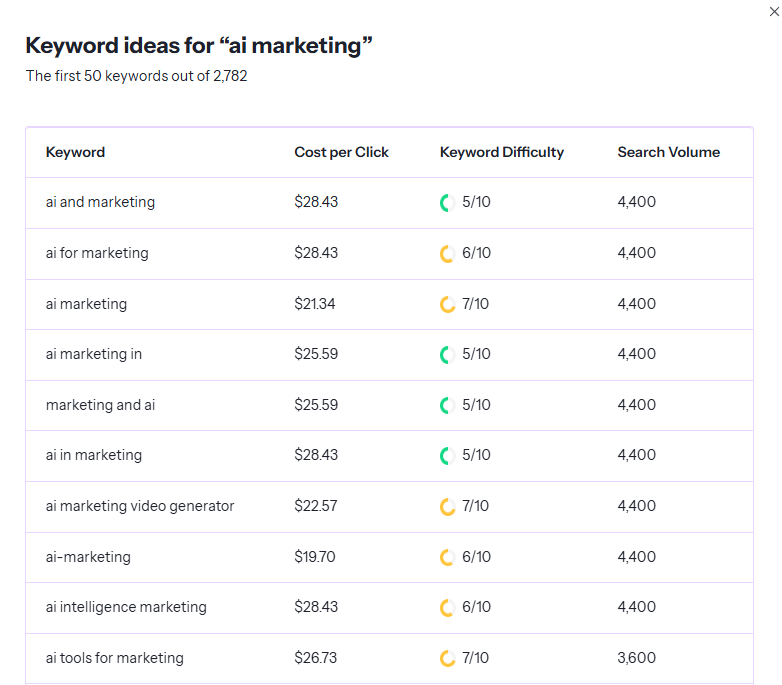
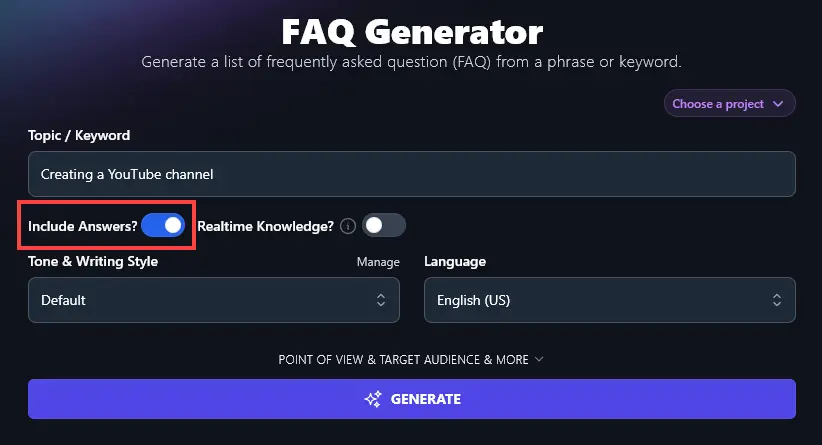
An AI SEO Question Generator is not just a simple keyword tool with a question filter. It is a sophisticated piece of software that combines large language models with search engine data to predict and generate questions that have high search volume but low competition. These tools analyze the semantic relationships between words, understand the context of your seed keyword, and generate a comprehensive list of questions that your target audience is likely to ask. The output typically includes question variations, estimated search volumes, keyword difficulty scores, and sometimes even suggested answers that you can use as a starting point for your content.
The core technology behind these generators involves training on massive datasets of search queries, online discussions, and question-and-answer platforms. When you input a seed keyword like “content marketing,” the AI understands the various subtopics and generates questions such as “What is content marketing?” “How to create a content marketing strategy?” and “What are the best content marketing tools?” This goes beyond simple keyword matching because the AI understands the intent behind the query and can generate questions that a human researcher might overlook.
How AI Question Generators Differ from Traditional Keyword Tools
Traditional keyword research tools focus on providing data about search volume, competition, and cost-per-click for specific phrases. They are excellent for identifying high-volume keywords but often fail to capture the conversational and question-based queries that dominate modern search. An AI SEO Question Generator fills this gap by focusing exclusively on interrogative queries. It understands that a question like “how to lose weight fast” has a completely different search intent than “best weight loss programs” and generates content recommendations accordingly.
Traditional tools typically provide a flat list of keywords, while AI question generators provide a structured hierarchy of questions organized by topic and subtopic. This structure is invaluable for creating content clusters and pillar pages that demonstrate topical authority to search engines. The AI also continuously learns from new search data, meaning the questions it generates are always up-to-date with current search trends and user behavior.
Key Benefits of Using an AI SEO Question Generator
The primary benefit of using an AI SEO Question Generator is the significant time savings it provides. What would take a human researcher days or even weeks to compile manually can be accomplished in minutes. The AI can analyze thousands of search queries simultaneously and identify patterns that would be impossible for a human to detect. This efficiency allows content teams to focus their energy on creating high-quality, informative content rather than spending hours on manual research.
Another crucial benefit is the ability to uncover long-tail keywords with high conversion potential. Questions are typically longer and more specific than regular keywords, which means they attract users who are further along in the buying cycle. Someone searching “how to fix a leaking faucet” is likely ready to attempt a DIY repair or call a plumber, making them a high-intent lead. By targeting these question-based keywords, you can attract visitors who are more likely to convert into customers or subscribers.
Enhancing Content Relevance and User Experience
When you use an AI SEO Question Generator, you gain deep insights into the specific pain points and informational needs of your target audience. This allows you to create content that directly addresses their concerns, providing immediate value and establishing your brand as a trusted authority. Content that answers questions effectively tends to have lower bounce rates and higher engagement metrics, which are positive signals to search engines.
The questions generated also help you structure your content more effectively. Instead of writing a generic blog post, you can create a comprehensive FAQ section, a detailed how-to guide, or a comparison article that addresses multiple related questions. This structured approach to content creation improves readability and makes it easier for Google to understand the context of your page, increasing your chances of earning a featured snippet.
Practical Applications and Use Cases
An AI SEO Question Generator has numerous practical applications across different content types and marketing strategies. For blog content, these tools help you identify trending questions in your niche and create timely, relevant articles that capture organic traffic. For product pages, they help you understand what questions customers have before making a purchase, allowing you to address objections and provide detailed product information that boosts conversion rates.
In the realm of local SEO, question generators are particularly valuable. Local businesses can use them to identify questions like “What is the best pizza place near me?” or “How much does a roof replacement cost in Austin?” By creating content that answers these location-specific questions, businesses can improve their visibility in local search results and attract nearby customers who are ready to make a purchase.
Content Clustering and Topical Authority
One of the most powerful applications of an AI SEO Question Generator is in building topical authority through content clustering. By generating a comprehensive list of questions around a central topic, you can create a pillar page that provides a broad overview and then develop individual blog posts that answer each specific question in detail. This creates a network of interlinked content that demonstrates your expertise to search engines, helping you rank for a wider range of keywords.
For example, if you run a fitness website, you might use the generator to identify questions like “What is the best workout for beginners?” “How many calories should I eat to lose weight?” and “What are the benefits of strength training?” Each of these questions becomes a separate blog post, all linking back to your main fitness guide. This strategy not only improves your search rankings but also provides a better user experience by guiding visitors through a logical content journey.
How to Use an AI SEO Question Generator Effectively
To get the most out of an AI SEO Question Generator, you need to follow a structured approach. Start by identifying your core seed keywords based on your business goals and target audience. These should be broad terms that accurately describe your products, services, or content topics. Once you have your seed keywords, input them into the generator and analyze the output carefully. Look for questions that have a good balance of search volume and competition, and prioritize those that align with your business objectives.
After generating your list of questions, organize them into logical groups based on topic and search intent. This will help you plan your content calendar and ensure you are covering all aspects of your chosen topic. Create a mix of short-form content for simple questions and long-form, in-depth guides for complex topics that require detailed explanations. Remember to update your question lists regularly, as search trends and user behavior change over time.
Integrating Questions into Your Content Strategy
Once you have your list of questions, the next step is to integrate them into your content strategy. For each question, determine the best content format. Some questions are best answered with a short paragraph, while others require a full blog post, video tutorial, or infographic. Use the questions to create compelling headlines that capture attention and clearly indicate the value your content provides.
Incorporate the questions naturally into your content, both in the body text and in the headings. Use the exact phrasing of the question in your H2 or H3 headings to increase your chances of appearing in featured snippets. Also, include a dedicated FAQ section at the end of your articles that addresses the most common questions in a concise, easy-to-read format. This not only helps with SEO but also improves the overall user experience by providing quick answers to common queries.
Common Mistakes to Avoid When Using Question Generators
One of the most common mistakes marketers make is relying solely on the questions generated by the AI without adding their own insights and expertise. While the AI can identify what questions are being asked, it cannot provide the unique perspective and real-world experience that makes content truly valuable. Always add your own analysis, examples, and data to the content you create based on generated questions.
Another frequent error is ignoring the search intent behind the questions. Not all questions are created equal, and some may not be relevant to your business goals. For example, a question like “What is SEO?” has a different intent than “How to do SEO for a new website?” The first is informational, while the second is more practical and actionable. Tailor your content to match the specific intent of each question to maximize its effectiveness.
Overlooking Question Variations and Synonyms
Many users make the mistake of focusing only on the exact questions generated and missing out on variations and synonyms. People ask the same question in many different ways, and you need to target all these variations to capture maximum traffic. For example, “How to lose weight” and “Ways to shed pounds” are essentially the same question, but they have different keyword profiles. Use your AI SEO Question Generator to identify these variations and incorporate them naturally into your content.
Additionally, do not ignore the importance of question modifiers like “best,” “top,” “vs,” “review,” and “guide.” These modifiers indicate different stages of the buyer journey and can help you create content that targets users at different points in the sales funnel. A question like “Best running shoes for flat feet” indicates a user who is close to making a purchase, while “How to choose running shoes” indicates a user who is still in the research phase.
Comparing Popular AI SEO Question Generator Tools
The market for AI SEO question generators is growing rapidly, with several tools offering unique features and capabilities. When choosing a tool, consider factors such as accuracy, data sources, user interface, and pricing. Some tools specialize in generating questions from Google autocomplete, while others analyze social media platforms and online forums. The best tool for you will depend on your specific needs and budget.
| Tool Name | Key Features | Best For | Pricing Model |
|---|---|---|---|
| AnswerThePublic | Visual question maps, search volume data, autocomplete analysis | Content ideation and blog planning | Freemium with paid plans |
| AlsoAsked | People Also Ask data, question clustering, competitor analysis | Featured snippet optimization | Subscription-based |
| Surfer AI | Content generation, question integration, SERP analysis | Full content creation workflow | Monthly subscription |
| Frase.io | Question extraction, content briefs, AI writing assistant | SEO content teams | Tiered pricing |
| SEMrush Topic Research | Question suggestions, content marketing calendar, SEO analytics | Comprehensive SEO campaigns | Included in SEMrush plans |
Each of these tools has its strengths and weaknesses. AnswerThePublic is excellent for visual thinkers who want to see the relationship between questions, while AlsoAsked is specifically designed to help you win featured snippets. Surfer AI and Frase.io are more comprehensive tools that integrate question generation with content creation and optimization. SEMrush Topic Research is a good choice if you already use SEMrush for other SEO tasks and want a unified platform.
Measuring the Success of Your Question-Based SEO Strategy
To determine whether your AI SEO Question Generator strategy is working, you need to track specific metrics. The most important metrics include organic traffic, keyword rankings, featured snippet presence, and engagement metrics like time on page and bounce rate. Use tools like Google Search Console and Google Analytics to monitor these metrics over time and identify which question-based content is performing best.
Pay close attention to your performance in the People Also Ask boxes. If your content is being featured in these boxes, you are likely to see a significant increase in organic traffic. Track the number of featured snippets you earn and the keywords associated with them. This data will help you refine your content strategy and focus on the questions that are delivering the best results.
Analyzing User Engagement and Conversion Rates
Beyond traffic and rankings, it is essential to analyze how users interact with your question-based content. Look at metrics like scroll depth, click-through rates, and conversion rates to understand whether your content is truly meeting user needs. If users are bouncing quickly from your page, it may indicate that your content is not answering the question effectively or that the question is not relevant to your target audience.
Use A/B testing to experiment with different content formats and structures. For example, you might test a listicle format against a step-by-step guide to see which one performs better for a specific question. Continuously refine your content based on performance data to ensure you are maximizing the return on your content creation efforts.
Important Notes and Best Practices
When using an AI SEO Question Generator, it is crucial to remember that the tool is a starting point, not the final word. Always verify the questions generated by checking them against real search results and user behavior. The AI is trained on historical data, and search trends can change rapidly. Combine the insights from the generator with your own industry knowledge and experience to create content that is both accurate and relevant.
Do not try to target every question the generator produces. Focus on the questions that are most relevant to your business and have the highest potential for driving qualified traffic. It is better to create a few high-quality, in-depth articles that thoroughly answer important questions than to produce dozens of thin, superficial posts that provide little value.
Staying Updated with Search Trends
Search behavior is constantly evolving, and new questions emerge all the time. Make it a habit to run your AI SEO Question Generator on a regular basis, at least once a month, to identify new questions and trends in your niche. Set up alerts for your key topics to stay informed about emerging discussions and update your content accordingly.
Pay attention to seasonal trends and current events that may influence the questions people are asking. For example, a tax preparation website might see a surge in questions about tax deadlines in March and April. By anticipating these trends and creating content in advance, you can position yourself to capture this seasonal traffic.
Frequently Asked Questions
What is an AI SEO Question Generator?
An AI SEO Question Generator is a software tool that uses artificial intelligence to automatically discover and generate questions that users are searching for related to a specific topic. It analyzes search engine data, autocomplete suggestions, and online discussions to provide a comprehensive list of question-based keywords that can be used for content creation and SEO optimization.
How does an AI SEO Question Generator work?
These tools work by using natural language processing and machine learning algorithms to analyze large datasets of search queries. When you input a seed keyword, the AI identifies related topics and generates questions that users commonly ask. The output includes question variations, search volume estimates, and sometimes difficulty scores to help prioritize content creation efforts.
Why are question-based keywords important for SEO?
Question-based keywords are important because they capture users with high search intent who are actively seeking information. They also align with the rise of voice search and featured snippets, as Google prioritizes content that directly answers user questions. Targeting these keywords can help you earn featured snippets and drive highly relevant organic traffic to your website.
Can an AI SEO Question Generator replace human keyword research?
No, these tools should be used to augment, not replace, human keyword research. While they are excellent at generating a large volume of question ideas quickly, they lack the contextual understanding and strategic thinking of a human SEO expert. The best approach is to use the AI-generated questions as a starting point and then apply your own expertise to select the most valuable opportunities.
How often should I use an AI SEO Question Generator?
It is recommended to use the tool at least once a month to stay updated with new search trends and emerging questions in your niche. You should also use it whenever you are planning a new content campaign or launching a new product to ensure your content aligns with current user interests and search behavior.
What is the difference between an AI question generator and a regular keyword tool?
A regular keyword tool provides a broad list of keywords with search volume and competition data, while an AI question generator focuses specifically on interrogative queries. Question generators use advanced AI to understand search intent and generate conversational queries that are often missed by traditional keyword tools. They are particularly useful for optimizing for featured snippets and voice search.
Conclusion
An AI SEO Question Generator is an indispensable tool for any modern content marketer or SEO professional looking to stay ahead of the competition. By leveraging the power of artificial intelligence to uncover the exact questions your target audience is asking, you can create content that is highly relevant, engaging, and optimized for search engine success. The benefits are clear: significant time savings, access to high-intent long-tail keywords, improved content structure, and a greater chance of earning valuable featured snippets.
The key to success lies in using these tools strategically. Combine the data-driven insights from the generator with your own industry expertise and real-world experience to create content that truly resonates with your audience. Avoid the common pitfalls of relying solely on AI-generated content and ignoring search intent. Instead, use the questions as a framework to build comprehensive, authoritative content that establishes your brand as a trusted resource in your niche.
As search engines continue to evolve and prioritize user intent, the importance of question-based content will only grow. Voice search is becoming increasingly prevalent, and users are more likely to phrase their queries as complete questions. By integrating an AI SEO Question Generator into your workflow, you position your content to capture this growing segment of search traffic. Start implementing these strategies today, and you will see measurable improvements in your organic visibility, user engagement, and ultimately, your bottom line.
Xem thêm:
- AI Backlink Analysis: Smarter Link Audits, Stronger Rankings, Faster Growth
- AI SEO Funnel Optimization: The Complete Guide to Converting Search Traffic
- Best AI Writing Tools in 2025: Streamline Content Creation with Top AI Assistants
- AI YouTube SEO: The Complete Guide to Dominating Video Search with Artificial Intelligence
- AI Semantic SEO: Mastering the Next Evolution of Search Engine Optimization
Bài viết cùng chủ đề:

AI SEO SEO Automation with Make: The Complete Workflow Guide

AI SEO SEO Automation with Zapier: The Complete Workflow Guide

AI SEO SEO Automation with n8n: The Complete Workflow Guide
AI SEO SEO Automation with Gemini: The Complete Guide to Scaling Organic Growth

AI SEO SEO Automation with Claude: The Complete Guide to Scaling Content in 2025

AI SEO SEO Automation with ChatGPT: The Complete Playbook for 2025

AI SEO & SEO Automation for Affiliate Sites: The 2025 Playbook for Passive Income Growth
AI SEO & SEO Automation for Bloggers: The Complete Guide to Scaling Your Content

AI SEO & SEO Automation for Agencies: The Complete 2025 Playbook

AI SEO and SEO Automation for Ecommerce: The Complete Playbook for 2025

AI SEO & SEO Automation for WordPress: The Complete Playbook for 2025
AI SEO SEO Automation Strategy: The Complete Playbook for 2025

Mastering the AI SEO SEO Automation Process: A Complete Guide to Scaling Organic Growth
AI SEO SEO Automation System: The Complete Guide to Scaling Organic Growth in 2025
AI SEO SEO Automation Platform: The Complete Guide to Scaling Organic Growth in 2025
AI SEO SEO Automation Software: The Complete Guide to Scaling Organic Growth in 2025















