
No products in the cart.
AI SEO Ranking Analysis: The Complete Guide to Data-Driven Search Optimization
10
Aug
Aug
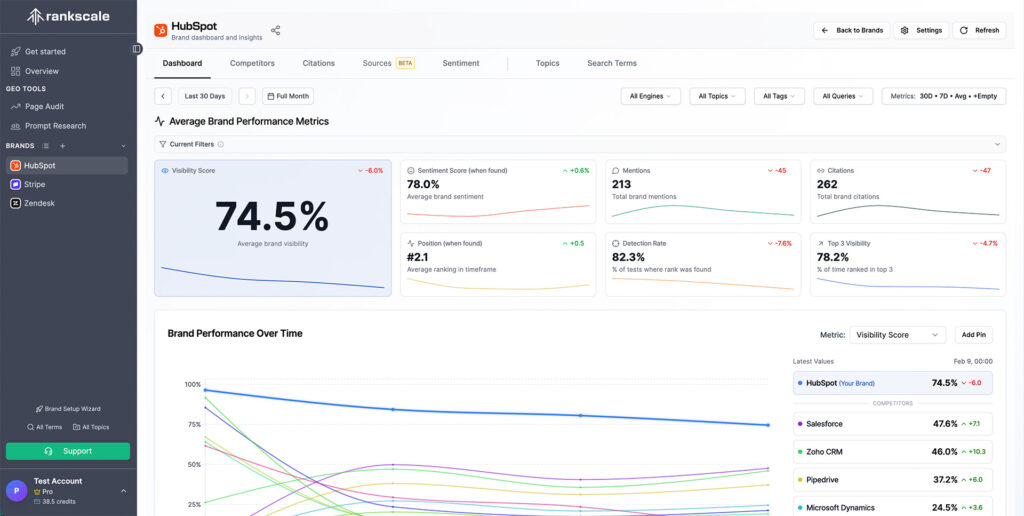
AI SEO ranking analysis has transformed how digital marketers approach search engine optimization. Instead of relying on guesswork or manual audits, modern SEO professionals use artificial intelligence to decode search algorithms, predict ranking fluctuations, and uncover actionable insights from massive datasets. This comprehensive guide explains what AI SEO ranking analysis is, how it works, and how you can leverage it to outperform competitors in 2025 and beyond.
What Is AI SEO Ranking Analysis?
AI SEO ranking analysis refers to the systematic use of machine learning algorithms, natural language processing, and predictive analytics to evaluate and improve a website’s position in search engine results pages (SERPs). Unlike traditional SEO tools that simply report rankings, AI-powered systems identify patterns, forecast algorithm updates, and recommend specific optimizations based on historical data and real-time search behavior.
The core difference lies in automation and depth. A human analyst might review 50 keywords in a day. An AI system can process millions of data points across thousands of keywords, backlinks, content pieces, and user engagement signals within minutes. This scale enables SEO teams to make decisions backed by statistical confidence rather than intuition.
Why AI SEO Ranking Analysis Matters Now
Search engines have become significantly more sophisticated. Google’s RankBrain, BERT, and MUM updates rely on neural networks to interpret search intent. Consequently, the factors that influence rankings have multiplied. Traditional metrics like keyword density and exact-match anchor text no longer carry the weight they once did. AI SEO ranking analysis helps you adapt to this complexity by modeling how search engines evaluate relevance, authority, and user satisfaction.
Consider the volume of content published daily. Over 7 million blog posts are created every day. Without AI, identifying why one page ranks and another does not becomes nearly impossible. AI tools detect subtle correlations—such as the relationship between page load speed and dwell time—that manual analysis would miss entirely.
Core Components of AI SEO Ranking Analysis
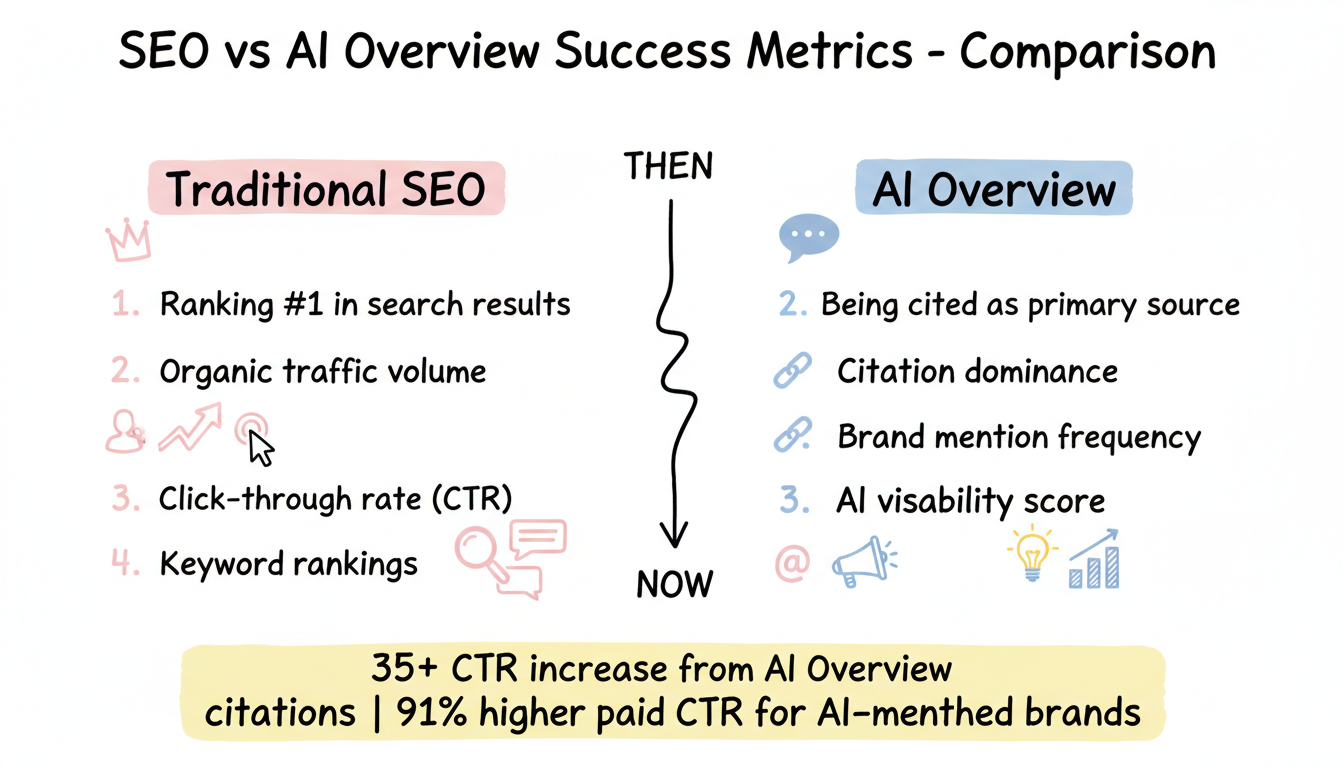
To fully understand AI SEO ranking analysis, you need to break it down into its fundamental building blocks. Each component contributes to a holistic view of your search performance.
1. Automated SERP Feature Detection
AI systems continuously scan SERPs to identify which features appear for your target keywords. These include featured snippets, people-also-ask boxes, image packs, video carousels, and local packs. By knowing which features dominate, you can optimize content specifically to capture those rich results.
2. Predictive Ranking Models
Machine learning models are trained on historical ranking data to predict how changes to your page—such as adding a section, improving internal links, or increasing page speed—will affect your position. These models provide a probability score rather than a guarantee, allowing you to prioritize high-impact actions.
3. Content Gap Analysis
AI compares your top-performing pages against competitors’ pages for the same keywords. It identifies missing subtopics, unanswered questions, and structural weaknesses. This analysis goes beyond simple keyword overlap to include semantic relevance and entity coverage.
4. Backlink Quality Assessment
Instead of counting backlinks, AI evaluates link quality using factors like domain authority trends, link context, and the topical relevance of linking pages. It flags toxic links that might trigger manual penalties and identifies link-building opportunities based on predictive authority growth.
5. User Experience Signal Analysis
Core Web Vitals, click-through rates, bounce rates, and dwell time are processed through AI models to determine how user behavior influences rankings. The system recommends specific UX improvements, such as reducing layout shift or rewriting meta descriptions to improve CTR.
How AI SEO Ranking Analysis Works: A Step-by-Step Process
Implementing AI SEO ranking analysis involves a structured workflow. Understanding this process helps you integrate AI tools into your existing SEO strategy effectively.
- Data Collection: The AI tool crawls your website, gathers ranking data from search engines, and imports metrics from Google Search Console, Analytics, and third-party sources.
- Data Normalization: Raw data is cleaned and standardized. Duplicates are removed, missing values are imputed, and metrics are aligned across different time zones and platforms.
- Pattern Recognition: Machine learning algorithms identify correlations between on-page factors, off-page signals, and ranking positions. For example, the system might discover that pages with a specific heading structure rank 30% better for informational queries.
- Predictive Modeling: The system builds a model that simulates how changes to your site will impact rankings. This is tested against historical data to ensure accuracy.
- Actionable Recommendations: The AI generates a prioritized list of tasks, each with an estimated impact score and difficulty rating. Recommendations are specific, such as “Add 200 words of content covering the subtopic ‘local SEO for small businesses’ to page /blog/seo-guide.”
- Continuous Learning: The system monitors the results of implemented changes and updates its models accordingly. This creates a feedback loop that improves accuracy over time.
Key Benefits of Using AI for SEO Ranking Analysis
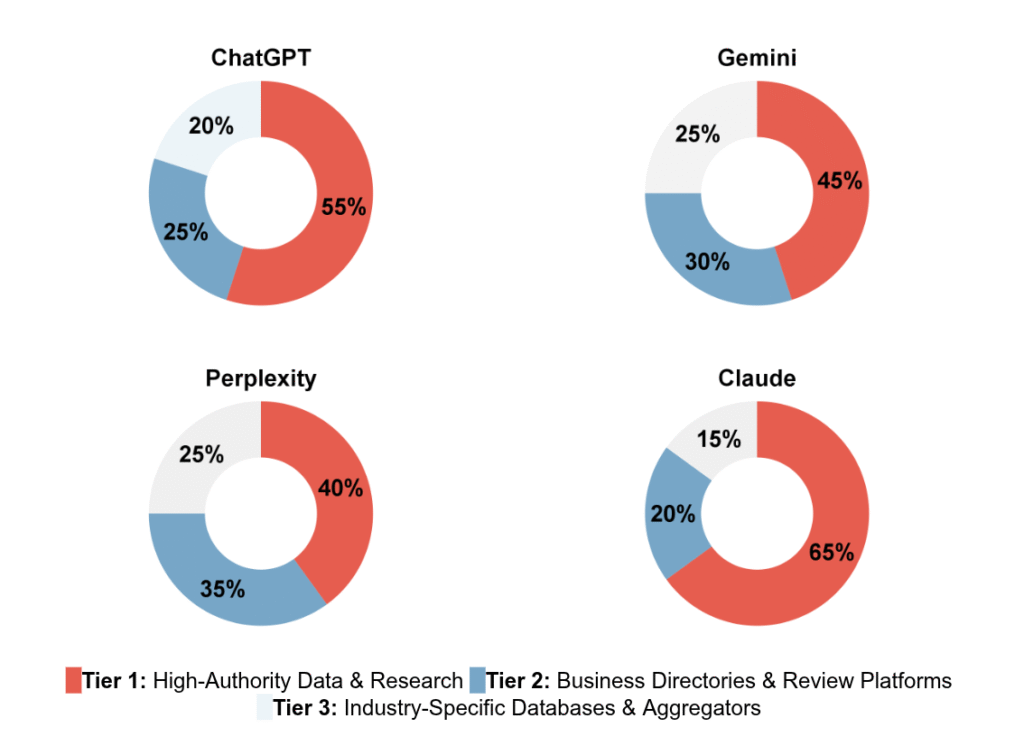
The advantages of adopting AI SEO ranking analysis extend beyond time savings. Here are the primary benefits backed by industry data and case studies.
- Speed and Scale: Analyze thousands of pages and millions of keywords in minutes, something impossible manually.
- Higher Accuracy: AI reduces human error and bias. It detects non-obvious correlations that lead to more effective optimizations.
- Proactive Strategy: Predictive models allow you to anticipate algorithm changes rather than react to them after rankings drop.
- Competitive Intelligence: AI continuously monitors competitor movements, alerting you to new content, backlinks, or technical changes that might threaten your rankings.
- Resource Optimization: Focus your team’s effort on tasks with the highest predicted ROI instead of spreading resources thin across low-impact activities.
- Personalization at Scale: AI can segment your keyword portfolio by search intent, device, and geography, enabling tailored optimization strategies for each segment.
Limitations and Challenges of AI SEO Ranking Analysis
While powerful, AI SEO ranking analysis is not a silver bullet. Being aware of its limitations prevents unrealistic expectations and poor decision-making.
| Challenge | Impact | Mitigation Strategy |
|---|---|---|
| Data Quality Issues | Garbage in, garbage out. Inaccurate tracking codes or incomplete crawl data lead to flawed insights. | Regularly audit your analytics setup and use multiple data sources for cross-validation. |
| Black Box Algorithms | Some AI models cannot explain why they made a specific recommendation, making it hard to trust. | Choose tools that offer explainable AI features or provide reasoning behind each suggestion. |
| Over-Reliance on Historical Data | Search algorithms change, so past patterns may not predict future performance. | Combine AI insights with manual expertise and stay updated on search engine announcements. |
| Cost and Complexity | Advanced AI SEO platforms can be expensive and require training to use effectively. | Start with a pilot project on a subset of keywords before committing to a full enterprise solution. |
AI SEO Ranking Analysis vs. Traditional SEO Tools
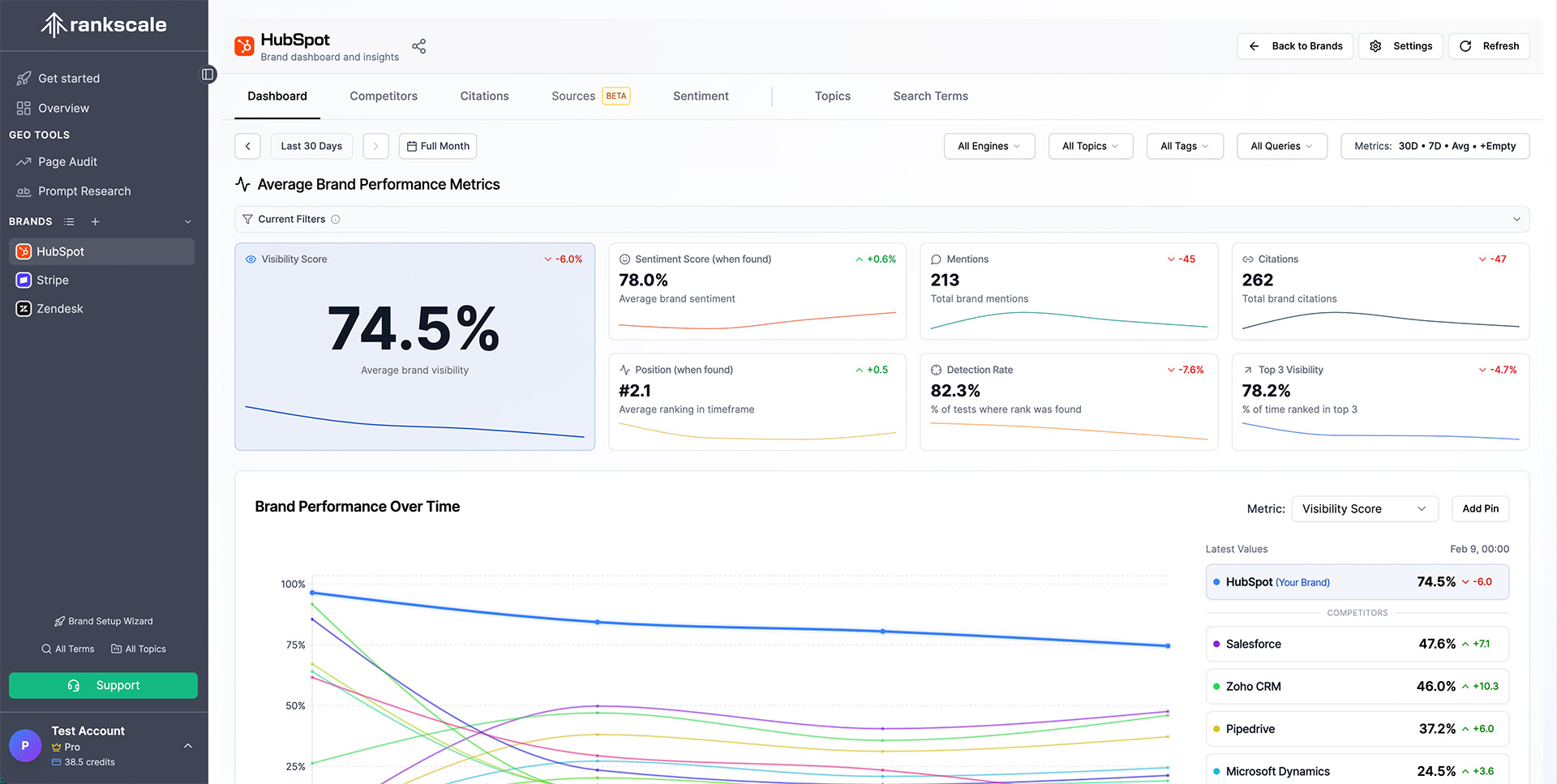
Understanding the difference between conventional rank trackers and AI-driven analysis helps you choose the right approach for your needs.
| Aspect | Traditional SEO Tools | AI SEO Ranking Analysis |
|---|---|---|
| Data Processing | Reports current rankings and basic metrics | Predicts future rankings and models causal factors |
| Keyword Research | Provides volume and difficulty scores | Clusters keywords by intent and predicts content requirements |
| Content Optimization | Suggests keyword placement | Recommends semantic topics, entity coverage, and structural changes |
| Backlink Analysis | Lists referring domains | Assesses link quality and predicts link impact on rankings |
| Reporting | Static dashboards | Dynamic insights with automated alerts and recommended actions |
Practical Applications: How to Use AI SEO Ranking Analysis
Implementing AI SEO ranking analysis requires a practical approach. Here are specific use cases you can apply immediately.
Identify Quick-Win Keywords
Use AI to filter keywords where your page ranks on page two (positions 11-20). The system analyzes which of these pages have strong content but weak internal linking or slow load times. Fixing these issues often pushes the page to page one within weeks.
Optimize for Featured Snippets
AI tools can detect when a competitor holds a featured snippet for a keyword you target. The system analyzes the snippet’s format (paragraph, list, table) and suggests content restructuring to match. For example, if the snippet is a numbered list, the AI recommends converting your content into a step-by-step format with clear headings.
Detect Cannibalization
When two of your pages target the same keyword, they compete against each other, diluting authority. AI identifies cannibalization by clustering keywords and mapping them to your URLs. It then recommends merging pages or differentiating content to target distinct subtopics.
Forecast Content Performance
Before writing a new article, run the proposed topic through an AI model. The system predicts the likelihood of ranking based on current SERP competition, your domain authority, and content length requirements. This prevents wasted effort on topics with insurmountable competition.
Common Mistakes in AI SEO Ranking Analysis and How to Avoid Them
Even with advanced tools, mistakes happen. Here are the most frequent errors and practical solutions.
Mistake 1: Ignoring Search Intent
AI tools might suggest adding keywords that have high volume but transactional intent, while your content is informational. This mismatch leads to high bounce rates and poor rankings.
Solution: Always review the AI’s keyword suggestions against the primary intent of your page. Use the tool’s intent classification feature and manually verify a sample of queries.
Mistake 2: Over-Optimizing Based on Predictions
Some marketers make drastic changes—rewriting entire pages, removing all old backlinks—based on a single AI recommendation. This disrupts the site’s stability and can trigger algorithmic penalties.
Solution: Implement changes incrementally. Test one variable at a time and monitor rankings for at least two weeks before making further adjustments.
Mistake 3: Relying Solely on AI Without Human Judgment
AI lacks contextual understanding of your brand voice, industry nuances, or audience preferences. A suggestion that works for a generic e-commerce site might fail for a niche B2B company.
Solution: Use AI as a decision-support tool, not a decision-maker. Have an experienced SEO professional review all major recommendations before implementation.
Mistake 4: Neglecting Data Freshness
Search patterns change seasonally and with trends. An AI model trained on data from six months ago might give outdated advice.
Solution: Ensure your AI tool updates its training data regularly. Set up monthly model refreshes and compare current predictions with actual outcomes.
Important Notes for Successful Implementation
To maximize the value of AI SEO ranking analysis, keep these critical considerations in mind.
- Start with Clear Objectives: Define what you want to achieve—higher organic traffic, more conversions, or better brand visibility. Your goals determine which AI features you prioritize.
- Integrate with Existing Workflows: AI insights are useless if they sit in a separate dashboard. Connect your AI tool with your project management software and content calendar.
- Monitor Algorithm Updates: Google releases thousands of updates annually. AI models need to be recalibrated after major core updates. Check your tool’s changelog for model adjustments.
- Combine with Human Expertise: The best results come from a hybrid approach. AI handles data processing and pattern detection, while humans provide strategic direction and creative content development.
- Track ROI: Measure the impact of AI-driven changes on rankings, traffic, and revenue. This justifies the tool’s cost and helps you refine your approach.
Frequently Asked Questions About AI SEO Ranking Analysis
What is the difference between AI SEO ranking analysis and regular rank tracking?
Regular rank tracking simply reports where your keywords appear in search results at a given time. AI SEO ranking analysis goes further by interpreting why those rankings occur, predicting future movements, and recommending specific actions to improve positions. It uses machine learning to identify patterns across thousands of data points, whereas traditional tracking is purely descriptive.
How much does AI SEO ranking analysis cost?
Pricing varies widely based on the tool’s sophistication and the number of keywords tracked. Basic AI-enhanced SEO tools start around $99 per month. Mid-tier platforms with predictive modeling and content gap analysis range from $300 to $1,000 per month. Enterprise solutions with custom models and API access can cost $2,000 or more monthly. Many tools offer free trials, allowing you to test before committing.
Can AI SEO ranking analysis guarantee first-page rankings?
No tool can guarantee rankings because search algorithms are proprietary and constantly changing. AI SEO ranking analysis provides probabilistic predictions based on historical data and current signals. It significantly increases your chances of ranking well by identifying high-impact optimizations, but external factors like competitor actions and algorithm updates always play a role.
Which AI SEO tools are best for beginners?
For beginners, tools with user-friendly interfaces and guided workflows are ideal. Options like Surfer SEO, Frase, and Semrush’s AI features offer clear recommendations without requiring technical expertise. These tools provide step-by-step content briefs, keyword clustering, and on-page optimization scores. Start with a free trial to see which interface feels most intuitive.
How often should I run AI SEO ranking analysis?
For most websites, a weekly analysis is sufficient to catch significant changes without becoming overwhelmed by data. High-traffic sites or those in highly competitive niches might benefit from daily monitoring. After major algorithm updates or significant site changes, run an immediate analysis to assess impact. The key is consistency—regular analysis helps you spot trends early.
Does AI SEO ranking analysis work for local SEO?
Yes, AI SEO ranking analysis is highly effective for local search. AI tools can analyze Google Business Profile performance, local keyword variations, and competitor activity in specific geographic areas. They identify patterns in local pack rankings and suggest optimizations like adding location-specific content or acquiring local citations. This helps businesses dominate map pack results.
Conclusion: Embrace AI SEO Ranking Analysis for Sustainable Growth
AI SEO ranking analysis is no longer a luxury—it is a necessity for staying competitive in modern search. The sheer volume of data, the complexity of search algorithms, and the speed of content creation demand intelligent automation. By adopting AI-driven analysis, you gain the ability to see beyond surface-level rankings and understand the underlying factors that drive search performance.
The key to success lies in a balanced approach. Use AI to process data, identify patterns, and predict outcomes, but always apply human judgment for strategic decisions. Start small by integrating AI insights into your existing SEO workflow. Monitor results, refine your processes, and scale up as you see tangible improvements in rankings and organic traffic.
Search engines will continue to evolve, but the principles of relevance, authority, and user experience remain constant. AI SEO ranking analysis helps you align with these principles more precisely and efficiently than ever before. The tools are available, the data is accessible, and the competitive advantage is waiting for those who act.
Xem thêm:
- AI SEO Mobile First Indexing: The Complete Guide to Future-Proofing Your Rankings
- AI SEO LLM Optimization: The Complete Guide to Ranking in Generative Search
- AI SEO Anchor Text: The Complete Guide to Smarter Link Building in 2025
- AI SEO Content Formatting: The Complete Guide to Higher Rankings in 2025
- Can AI Replace SEO? Why Human Strategy Still Dominates the Future of Search
Bài viết cùng chủ đề:

AI SEO SEO Automation with Make: The Complete Workflow Guide

AI SEO SEO Automation with Zapier: The Complete Workflow Guide

AI SEO SEO Automation with n8n: The Complete Workflow Guide
AI SEO SEO Automation with Gemini: The Complete Guide to Scaling Organic Growth

AI SEO SEO Automation with Claude: The Complete Guide to Scaling Content in 2025

AI SEO SEO Automation with ChatGPT: The Complete Playbook for 2025

AI SEO & SEO Automation for Affiliate Sites: The 2025 Playbook for Passive Income Growth
AI SEO & SEO Automation for Bloggers: The Complete Guide to Scaling Your Content

AI SEO & SEO Automation for Agencies: The Complete 2025 Playbook

AI SEO and SEO Automation for Ecommerce: The Complete Playbook for 2025

AI SEO & SEO Automation for WordPress: The Complete Playbook for 2025
AI SEO SEO Automation Strategy: The Complete Playbook for 2025

Mastering the AI SEO SEO Automation Process: A Complete Guide to Scaling Organic Growth
AI SEO SEO Automation System: The Complete Guide to Scaling Organic Growth in 2025
AI SEO SEO Automation Platform: The Complete Guide to Scaling Organic Growth in 2025
AI SEO SEO Automation Software: The Complete Guide to Scaling Organic Growth in 2025















