
No products in the cart.
AI SEO Search Demand: The Complete Guide to Understanding and Leveraging AI-Driven Search Behavior
10
Aug
Aug
The digital landscape is shifting beneath our feet. Traditional search engine optimization relied on predicting what users would type into a search bar. Today, the equation has changed dramatically with the rise of generative AI and machine learning algorithms. Understanding AI SEO Search Demand is no longer optional; it is the cornerstone of any successful digital marketing strategy in 2025. This comprehensive guide breaks down how artificial intelligence is reshaping user queries, how to analyze this new data, and how to position your content to capture high-intent traffic from both traditional search engines and AI-powered answer engines.
What is AI SEO Search Demand?
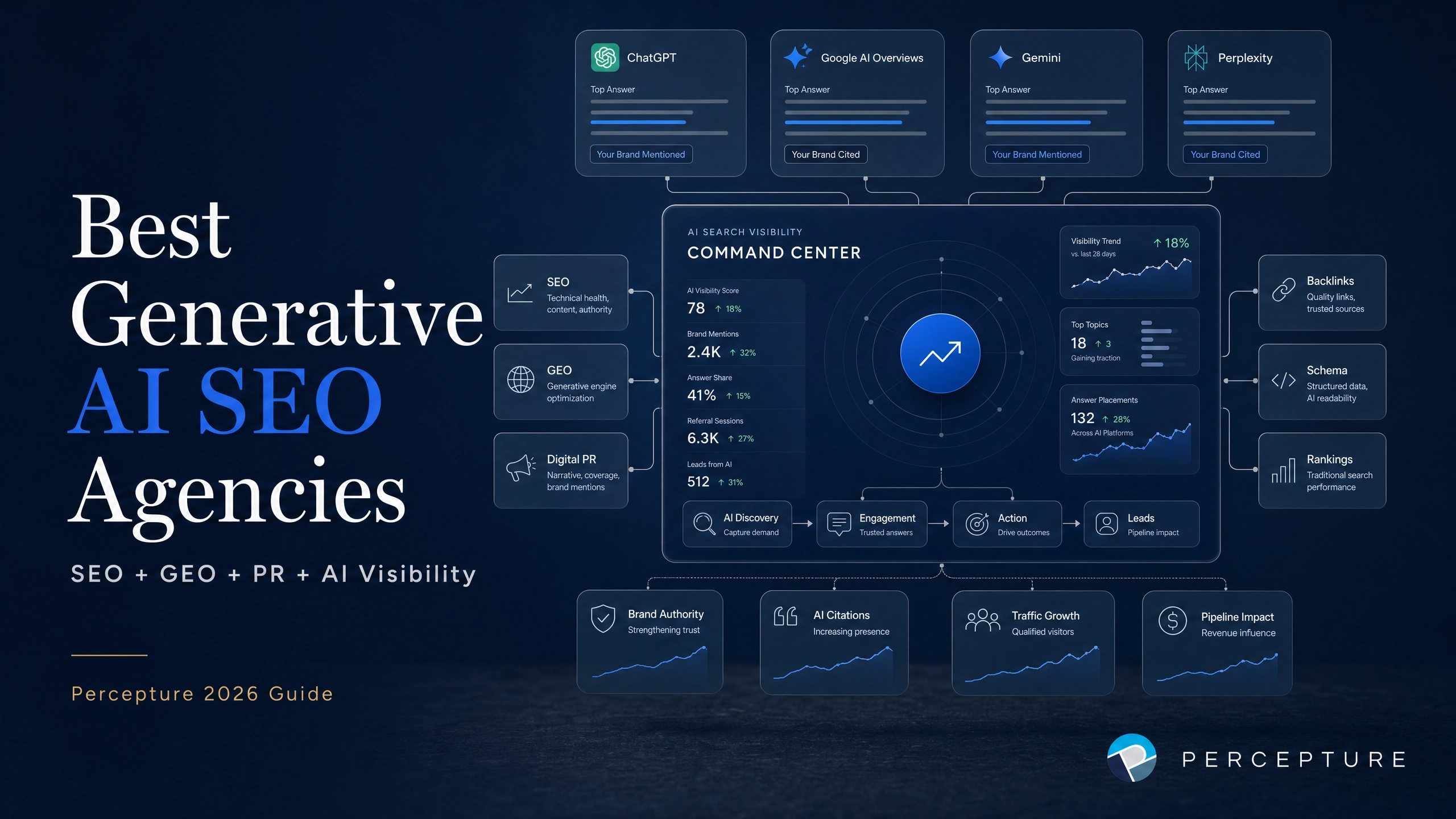
At its core, AI SEO Search Demand refers to the aggregate volume and nature of search queries that are influenced, generated, or answered by artificial intelligence systems. This encompasses two distinct but interconnected realities. First, it involves how AI algorithms on platforms like Google, Bing, and YouTube interpret and rank content based on user intent. Second, it involves the growing trend of users bypassing traditional search results entirely to ask conversational questions directly to AI chatbots like ChatGPT, Perplexity, or Google’s Gemini.
This shift means that search demand is no longer just about keywords. It is about entities, context, and semantic relationships. When a user asks an AI assistant a question, the AI does not look for exact-match keywords. Instead, it synthesizes information from multiple sources to provide a single, cohesive answer. Consequently, the demand for content that is structured, authoritative, and easily digestible by machines has skyrocketed. Marketers must now optimize for “zero-click” results and AI citations, not just clicks to their website.
The Evolution of Search Demand: From Keywords to Context
To fully grasp the impact of AI, it is necessary to look at how search demand has evolved. The journey from keyword stuffing to semantic search illustrates the growing complexity of user behavior.
The Era of Exact Match Keywords
In the early 2000s, search demand was literal. If a user wanted to buy a red running shoe, they typed “red running shoe.” SEO professionals optimized for these exact phrases, often at the expense of readability. The goal was to match the query string to the page content. This was a fragile system that left much to be desired in terms of user experience.
The Rise of Semantic Search and RankBrain
Google’s introduction of RankBrain in 2015 marked the first major AI integration into search. This machine learning system helped Google understand the relationship between words and concepts. Suddenly, the search engine could interpret the query “best way to fix a broken heart” as a request for emotional advice, not a medical emergency. This shifted the focus from keywords to topics and user intent, laying the groundwork for modern AI SEO Search Demand analysis.
The Generative AI Revolution
The launch of ChatGPT in late 2022 and the subsequent integration of generative AI into search engines (like Google’s Search Generative Experience) changed the game permanently. Users now expect direct answers, not lists of links. Search demand has shifted toward long-tail, conversational, and complex questions. The demand is no longer for “best coffee maker” but for “what is the best coffee maker for a small apartment with a limited counter space and a budget under $200?”
How AI Algorithms Determine Search Demand

AI systems do not just respond to demand; they actively shape it. By analyzing massive datasets of user behavior, AI can predict what users will want next, even before they search for it. This predictive capability is crucial for SEO professionals looking to stay ahead of the curve.
Machine Learning and User Intent Prediction
Search engines use machine learning models to analyze click-through rates, dwell time, and bounce rates. If a user clicks on a result and immediately returns to the search page, the AI interprets this as a mismatch between the content and the query. Over time, the algorithm learns to rank different content for that query. This feedback loop means that AI SEO Search Demand is dynamic; it changes based on how well current content satisfies users.
Natural Language Processing (NLP) and Entity Recognition
NLP allows AI to understand the nuances of human language, including sarcasm, idioms, and regional dialects. More importantly, it enables entity recognition. Instead of treating “Apple” as a single keyword, AI understands whether the user means the fruit or the technology company based on context. This forces content creators to build topical authority rather than just targeting isolated keywords. The demand is for comprehensive coverage of a subject, demonstrating expertise to the AI crawler.
The Role of Multimodal Search
AI search demand is not limited to text. Google Lens and similar tools allow users to search using images. AI can now analyze video content, audio files, and images to understand what the user is looking for. This expands the scope of SEO beyond written content. To capture this demand, websites must optimize their visual assets with descriptive alt text, structured data, and high-resolution imagery that AI can easily parse.
Key Drivers of AI SEO Search Demand in 2025
Several factors are fueling the growth of AI-driven search behavior. Understanding these drivers helps marketers allocate resources effectively.
- Voice Search Proliferation: Smart speakers and mobile voice assistants encourage users to speak in full sentences. This generates longer, more conversational queries that AI handles better than traditional keyword matching.
- Personalization: AI uses historical data to personalize search results. Two users searching for the same term may see different results based on their location, past behavior, and device. This means “demand” is not a single number but a matrix of personalized intents.
- Zero-Click Searches: With featured snippets and AI overviews, users often get their answer directly on the search results page. This reduces organic click-through rates but increases the importance of being the cited source. The demand is for visibility, not necessarily traffic.
- Trust and Authority Signals: AI algorithms prioritize content that demonstrates E-E-A-T (Experience, Expertise, Authoritativeness, and Trustworthiness). The demand is for verifiable facts, cited data, and content written by recognized experts.
- Higher Conversion Rates: AI-driven queries are often highly specific and indicate strong purchase intent. A user asking a detailed question is further down the sales funnel than a user typing a generic keyword.
- Brand Authority: Being cited by AI chatbots positions your brand as a thought leader. Users trust AI answers, and if your content is the source, that trust transfers to your brand.
- Future-Proofing: As AI becomes more integrated into daily life, the demand for AI-optimized content will only grow. Early adopters will have a significant competitive advantage.
- Reduced Competition: Many marketers are still stuck in the keyword-stuffing era. By optimizing for AI semantics, you can outrank competitors who are not adapting.
- Loss of Direct Traffic: The rise of zero-click searches means fewer visitors to your website. You must find alternative ways to capture leads, such as email newsletters or brand searches.
- Data Privacy Concerns: AI personalization relies on user data. Stricter privacy regulations (like GDPR) can limit the data available for analysis, making it harder to predict demand.
- Algorithm Volatility: AI algorithms are constantly updated. What works today may be obsolete tomorrow. This requires continuous learning and adaptation.
- Content Saturation: As more people learn about AI optimization, the barrier to entry lowers. Expect a flood of AI-generated content, making it harder to stand out with quality.
- Audit Your Current Content: Use tools like Google Search Console to identify pages that are losing impressions. Rewrite these pages to answer specific questions directly in the first 50 words.
- Create an FAQ Section: Add a robust FAQ section to every pillar page. Use FAQ schema markup. This is the most direct way to get into AI answer boxes.
- Optimize for Voice Search: Ensure your content is conversational. Use natural language that mirrors how people speak, not how they type.
- Build Digital PR: AI trusts authoritative sources. Get backlinks from reputable news sites, universities, and government domains. This signals trustworthiness to the AI crawler.
- Monitor AI Citations: Set up alerts for your brand name. Check ChatGPT and Perplexity regularly to see if your content is being referenced. If not, adjust your content to be more direct and data-driven.
How to Analyze AI SEO Search Demand for Your Niche
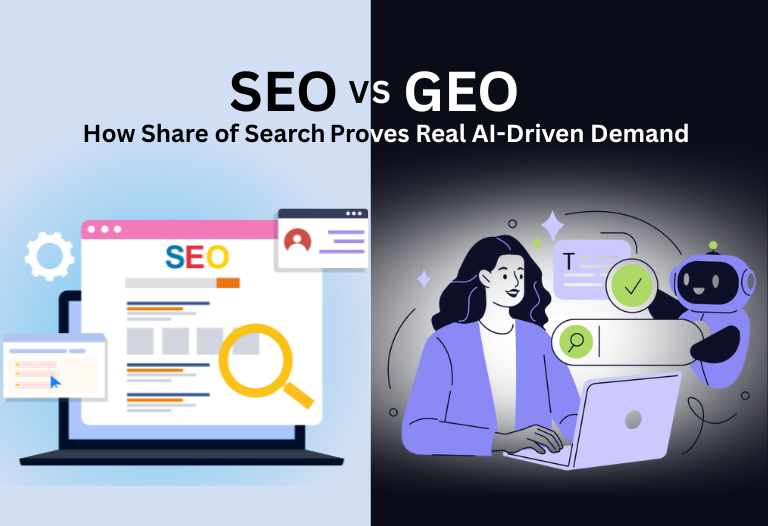
Analyzing this new form of demand requires a different toolkit than traditional keyword research. While volume and difficulty remain important, they are no longer the primary metrics.
1. Analyze AI Chatbot Outputs
One of the most effective ways to gauge AI SEO Search Demand is to ask the AI yourself. Open ChatGPT, Claude, or Perplexity and ask them questions related to your industry. Analyze the sources they cite. If your content is not appearing in these citations, you are missing out on a massive segment of demand. Look for patterns in the structure of the AI’s answers—they often prefer lists, tables, and concise paragraphs.
2. Focus on Question-Based Keywords
Traditional keyword tools are excellent for finding “head terms” but often miss the conversational queries that drive AI search. Use tools like “AlsoAsked” or “AnswerThePublic” to find the specific questions users are asking. These questions represent the exact demand that AI engines are trying to satisfy. Create content that directly answers these questions in a clear, structured format.
3. Monitor “People Also Ask” and Related Searches
Google’s “People Also Ask” boxes are generated by AI and provide a goldmine of information about related demand. These boxes show you the semantic boundaries of your topic. If you are writing about “AI SEO Search Demand,” the PAA box might show questions about “AI content detection,” “Bing Chat traffic,” or “semantic search.” These are all sub-topics you need to cover to fully satisfy the AI’s understanding of the main topic.
4. Use Predictive Analytics Tools
Advanced SEO platforms like BrightEdge or Semrush now offer AI-powered insights that predict future search demand based on trending topics and news cycles. These tools analyze social media chatter and news articles to forecast which topics will see a surge in queries. This allows you to create content before the demand peaks, positioning you as an early authority.
Optimizing Content for AI Search Demand
Once you understand the demand, the next step is optimization. Content must be structured in a way that AI can easily parse and cite. This involves technical SEO, content formatting, and a focus on clarity.
Structured Data and Schema Markup
Schema markup is the language that AI crawlers understand best. By implementing structured data for FAQs, How-To guides, and Articles, you are explicitly telling the search engine what your content is about. This increases the likelihood of being featured in rich snippets and AI-generated overviews. For AI SEO Search Demand, schema is not just a technical nicety; it is a necessity.
Content Formatting for Machine Readability
AI models are trained on data that is well-organized. Use H2 and H3 headings to break down your content into logical sections. Use bullet points and tables to present data clearly. Keep paragraphs short—ideally under 150 words. This “scannable” format is not only good for human readers but is also the preferred format for AI summarization algorithms.
Building Topical Authority
AI does not trust a single page; it trusts a website. To capture AI SEO Search Demand, you need to create a cluster of content around your core topic. If you are targeting “AI SEO Search Demand,” you should also publish content on “AI content generation,” “machine learning algorithms,” “search intent,” and “digital marketing analytics.” This interlinking signals to AI that you are a comprehensive resource on the subject.
Benefits of Leveraging AI SEO Search Demand
Adapting to this new landscape offers significant advantages for brands that are willing to evolve.
Limitations and Challenges of AI Search Demand
While the opportunities are vast, there are significant hurdles to overcome.
Traditional SEO vs. AI SEO Search Demand
To clarify the shift, it is helpful to compare the traditional approach with the AI-driven approach.
| Aspect | Traditional SEO | AI SEO Search Demand |
|---|---|---|
| Primary Focus | Keyword rankings | Entity visibility and citations |
| Query Type | Short-tail, generic | Long-tail, conversational, question-based |
| Content Format | Long-form, keyword-dense | Structured, scannable, direct answers |
| Success Metric | Organic traffic volume | Brand mentions, AI citations, zero-click wins |
| User Intent | Inferred from keywords | Understood via NLP and context |
This table illustrates that the goal is no longer just to rank #1 on Google. The goal is to be the definitive answer across all platforms, including voice assistants, chatbots, and social media algorithms.
Practical Guide: Steps to Capture AI Search Demand Today
Implementing a strategy for AI SEO Search Demand requires immediate action.
Common Mistakes and How to Avoid Them
Many marketers are making critical errors when trying to optimize for AI. Avoiding these pitfalls is essential for success.
Mistake 1: Ignoring User Intent for Keywords
Focusing solely on high-volume keywords without considering why the user is searching is a fatal flaw. AI prioritizes intent. If your content does not match the intent, it will be ignored.
Solution: Map every keyword to a specific stage of the buyer’s journey. Create separate content for informational, navigational, and transactional queries.
Mistake 2: Relying on AI to Write Everything
Ironically, using AI to generate content without human oversight can hurt your rankings. AI detectors are becoming sophisticated, and search engines penalize unoriginal, low-value content.
Solution: Use AI as a brainstorming tool, but always add human experience, original data, and unique insights. Edit heavily to ensure a natural, authoritative voice.
Mistake 3: Neglecting Technical SEO
If your site is slow, unsecured, or has broken links, A Technical health is a prerequisite for visibility.
Solution: Regularly audit your site’s Core Web Vitals, mobile responsiveness, and indexation status.
Important Notes on Data and Measurement
Measuring the success of an AI SEO strategy is different from traditional reporting. You cannot simply look at Google Analytics and see “AI traffic.” You must look at broader brand metrics.
Track your share of voice in AI-generated answers. Use tools that monitor brand mentions across social media and forums. Look at the number of direct visits to your site, as users who find you via AI often type your URL directly into the browser. Additionally, track the growth of your email list, as this is a reliable indicator of brand interest generated by AI citations.
It is also crucial to understand that AI SEO Search Demand is not static. It requires constant monitoring. Set up a quarterly review of your top 20 pages and update them with new data and insights. This “content freshness” signal is heavily weighted by AI algorithms.
Frequently Asked Questions (FAQ)
What is the difference between AI search and traditional search?
Traditional search relies on matching keywords in a query to keywords on a page. AI search uses natural language processing to understand the context and intent behind the query. It synthesizes information from multiple sources to provide a direct answer, rather than just a list of links.
How does AI affect keyword research?
AI shifts keyword research from finding high-volume terms to finding conversational questions and topics. Marketers must use tools that analyze “People Also Ask” boxes and chatbot outputs to understand the semantic field around their niche, rather than just looking at search volume data.
Will AI replace SEO?
No, A The focus will shift from technical link building to content quality, entity optimization, and brand authority. SEO professionals will become more like content strategists and data analysts, using AI to understand demand rather than just chasing rankings.
How can I get my website cited by ChatGPT?
To be cited by ChatGPT, you need to create highly authoritative, well-structured content. Ensure your site has clear authorship, cited statistics, and a logical hierarchy. Being quoted by major publications and having a strong backlink profile also increases your chances of being included in AI training data and real-time citations.
What is zero-click search and why does it matter?
Zero-click search occurs when a user finds the answer to their query directly on the search results page, without clicking through to a website. This is common with featured snippets and AI overviews. It matters because it reduces website traffic but increases brand visibility. Optimizing for zero-click means structuring content to be the direct answer.
Conclusion
The era of guessing what users want is over. AI SEO Search Demand represents a fundamental shift toward understanding the “why” behind the search. By leveraging machine learning insights, focusing on semantic relevance, and creating content that serves both humans and algorithms, brands can secure their place in the future of digital discovery. The transition requires effort, but the reward is a resilient, authoritative online presence that thrives regardless of how technology evolves. Start by auditing your content against the principles of AI readability, and build from there.
Xem thêm:
- AI SEO Geo Targeting: The Complete Guide to Local Search Dominance in 2025
- AI SEO for Beauty: The Complete Guide to Dominating Search in 2025
- AI WooCommerce SEO: The Complete Guide to Automating Your Store’s Search Rankings
- AI SEO Mobile First Indexing: The Complete Guide to Future-Proofing Your Rankings
- AI SEO Editorial Workflow: The Complete Guide to Scaling Content Production
Bài viết cùng chủ đề:

AI SEO SEO Automation with Make: The Complete Workflow Guide

AI SEO SEO Automation with Zapier: The Complete Workflow Guide

AI SEO SEO Automation with n8n: The Complete Workflow Guide
AI SEO SEO Automation with Gemini: The Complete Guide to Scaling Organic Growth

AI SEO SEO Automation with Claude: The Complete Guide to Scaling Content in 2025

AI SEO SEO Automation with ChatGPT: The Complete Playbook for 2025

AI SEO & SEO Automation for Affiliate Sites: The 2025 Playbook for Passive Income Growth
AI SEO & SEO Automation for Bloggers: The Complete Guide to Scaling Your Content

AI SEO & SEO Automation for Agencies: The Complete 2025 Playbook

AI SEO and SEO Automation for Ecommerce: The Complete Playbook for 2025

AI SEO & SEO Automation for WordPress: The Complete Playbook for 2025
AI SEO SEO Automation Strategy: The Complete Playbook for 2025

Mastering the AI SEO SEO Automation Process: A Complete Guide to Scaling Organic Growth
AI SEO SEO Automation System: The Complete Guide to Scaling Organic Growth in 2025
AI SEO SEO Automation Platform: The Complete Guide to Scaling Organic Growth in 2025
AI SEO SEO Automation Software: The Complete Guide to Scaling Organic Growth in 2025















