
No products in the cart.
AI SEO Search Entity Optimization: The Complete Guide to Future-Proof Rankings
10
Aug
Aug
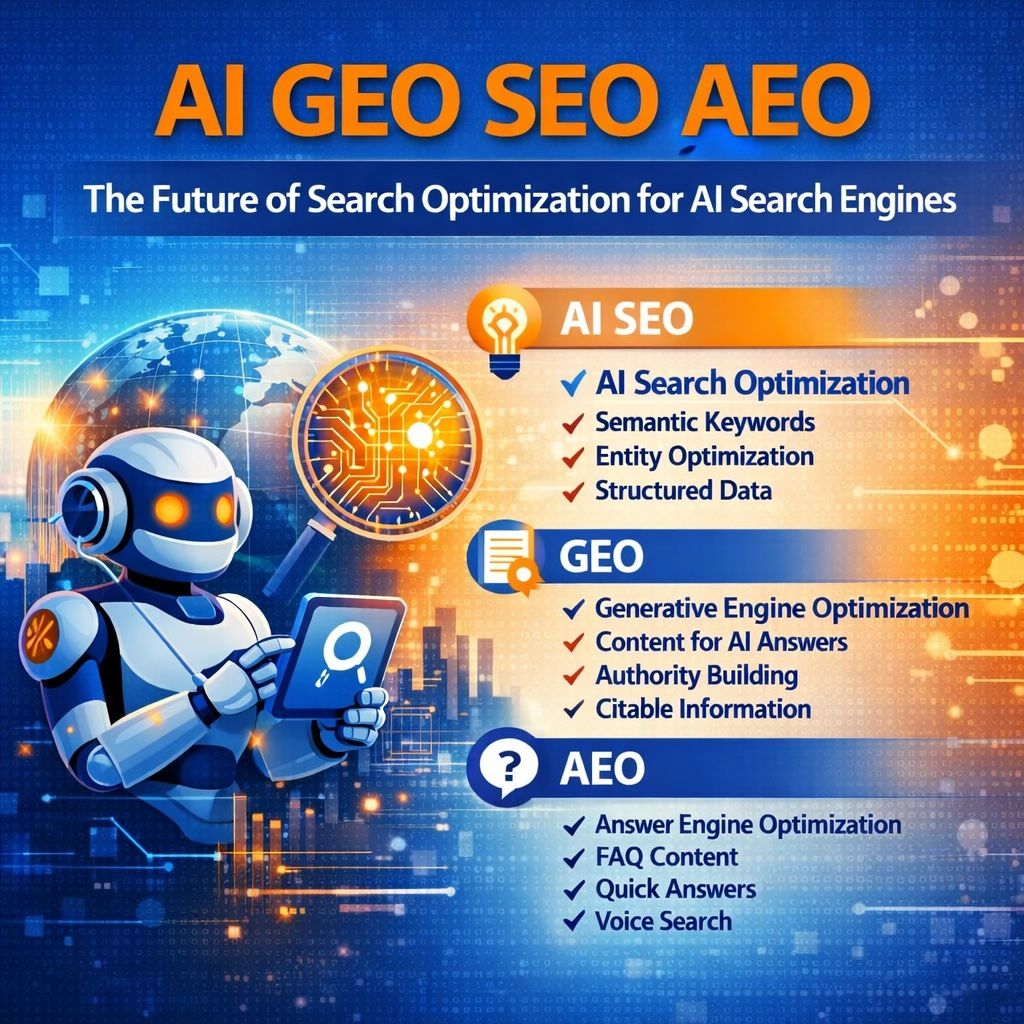
Search engines have moved beyond matching keywords to understanding concepts, relationships, and context. This shift has made AI SEO Search Entity Optimization a critical discipline for brands that want sustainable visibility. Instead of chasing individual phrases, this approach focuses on building a structured knowledge graph around your business, products, and expertise. When Google’s AI systems recognize your site as an authoritative entity, you earn rankings for a wide range of related queries, not just exact-match terms.
What Is AI SEO Search Entity Optimization?
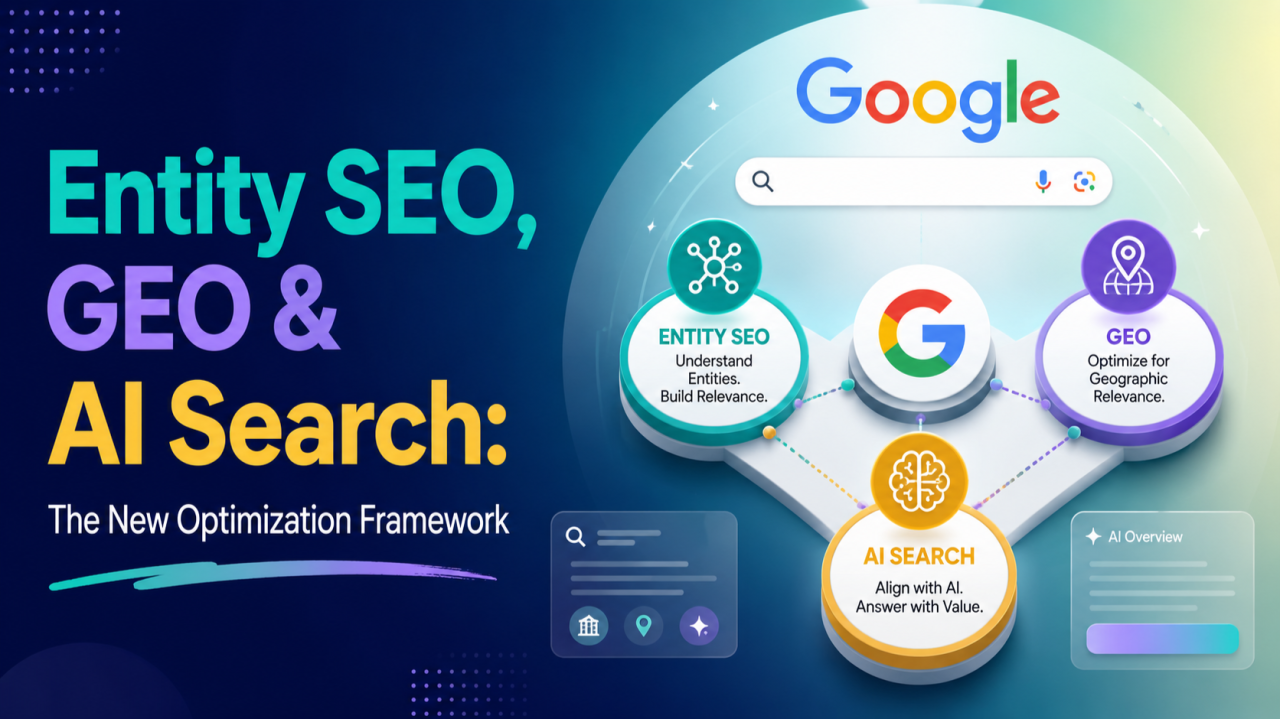
AI SEO Search Entity Optimization is the process of structuring your digital presence so that search engines can identify, understand, and trust the distinct entities you represent. An entity is a single, unique, well-defined thing—a person, brand, product, organization, or concept. Google builds its Knowledge Graph using these entities and the relationships between them.
Traditional SEO focuses on pages and keywords. Entity optimization focuses on meaning and context. When you optimize for entities, you help AI systems like Google’s RankBrain, BERT, and MUM connect your content to the right search queries, even when users phrase those queries in ways you never anticipated. This results in higher relevance scores, better click-through rates, and improved visibility across search features like knowledge panels, rich results, and AI Overviews.
The Core Difference Between Keywords and Entities
Keywords are strings of text. Entities are concepts with attributes. For example, the keyword “apple” could refer to the fruit or the technology company. An entity-based approach clarifies that you mean Apple Inc., the entity with a specific logo, founder, headquarters, and product line. Search engines use entity data to disambiguate meaning and deliver the most relevant results.
This distinction matters because modern search algorithms analyze user intent, semantic relationships, and contextual signals. A page optimized for entities tells Google exactly what you are, what you do, and who you serve. It builds a web of trust signals that extends beyond on-page text to include structured data, external mentions, and consistent business information across the web.
Why AI SEO Search Entity Optimization Matters in 2025 and Beyond
The rise of generative AI in search has accelerated the need for entity optimization. Google’s AI Overviews, Bing Chat, and other AI-powered search experiences synthesize information from multiple sources to answer complex queries. These systems rely heavily on entity recognition to select which sources to cite and how to present information.
When your brand is a recognized entity, AI systems are more likely to reference your content in generated answers. This creates a powerful compounding effect: more visibility leads to more mentions, which strengthens your entity signals, which leads to even more visibility. Brands that ignore entity optimization risk becoming invisible in an AI-driven search landscape.
How Google Builds Its Knowledge Graph
Google’s Knowledge Graph contains billions of facts about entities and their relationships. This data comes from multiple sources, including:
- Structured data markup on websites (Schema.org vocabulary)
- Public databases like Wikipedia, Wikidata, and government registries
- Trusted news sources and authoritative publications
- User interactions and search behavior patterns
- Consistent business listings across the web
- Organization schema (name, logo, contact info, social profiles)
- Person schema (for individual experts and authors)
- Product schema (for e-commerce entities)
- Article schema (for content entities)
- FAQ schema (for question-based content)
- Breadcrumb schema (for site structure clarity)
When you optimize your digital footprint, you feed accurate, consistent data into these sources. Over time, Google builds a more complete profile of your entity, which improves your chances of appearing in knowledge panels and AI-generated answers.
Core Components of AI SEO Search Entity Optimization
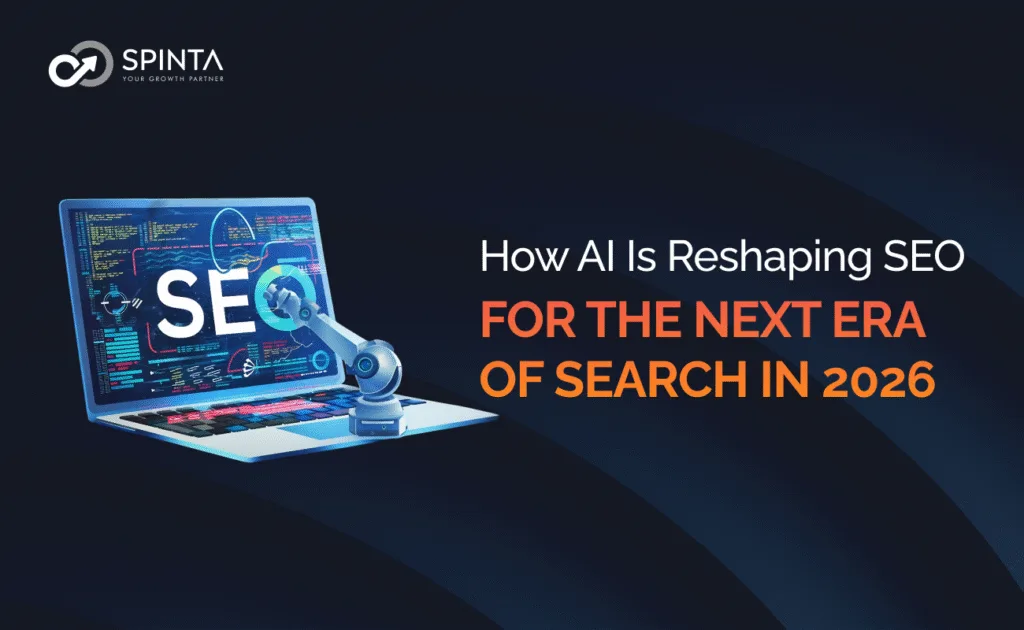
Successful entity optimization requires a multi-layered approach. Each component reinforces the others, creating a cohesive signal that search engines can interpret with confidence.
1. Structured Data and Schema Markup
Schema markup is the technical foundation of entity optimization. It provides explicit signals that tell search engines exactly what your content represents. The most important schema types for entity building include:
Implementing schema correctly requires attention to detail. Use JSON-LD format, which Google recommends, and ensure that your markup matches the visible content on your pages. Inaccurate or misleading schema can trigger manual actions and damage your entity reputation.
2. Consistent NAP and Business Information
For local businesses and brands, Name, Address, and Phone number (NAP) consistency is essential. Search engines cross-reference your website, Google Business Profile, social media accounts, and third-party directories to verify your entity. Any inconsistency creates confusion and weakens your entity signals.
Audit your online presence regularly to ensure that your business name, logo, address, phone number, and website URL are identical across all platforms. This includes review sites, industry directories, social networks, and press mentions.
3. Content Clustering Around Entity Topics
Your content strategy should reflect the breadth and depth of your entity. Instead of publishing isolated articles targeting random keywords, build topic clusters that explore every facet of your expertise. Each piece of content should reinforce your authority on a specific subject while linking to and from your core entity pages.
For example, a digital marketing agency might create content around services, case studies, industry insights, and thought leadership. All of this content should link back to the main service pages and clearly attribute authorship to named experts within the organization.
4. Wikipedia and Wikidata Presence
Wikipedia remains one of the most powerful entity signals available. A Wikipedia article about your brand or key personnel establishes notability and provides Google with a trusted reference point. However, Wikipedia has strict guidelines about self-promotion and requires verifiable third-party sources.
If you do not qualify for a Wikipedia article, focus on Wikidata. This open knowledge base allows you to create structured entries that link your brand to related entities, such as founders, products, and industry categories. Wikidata entries are used by Google and other AI systems to understand relationships.
5. Digital PR and Brand Mentions
Entity recognition relies on mentions across the web. When reputable sites mention your brand in relevant contexts, search engines associate your entity with those topics. Digital PR campaigns that secure coverage in industry publications, news outlets, and influential blogs strengthen your entity graph.
Focus on earning mentions that include your brand name, key personnel, and relevant descriptive terms. Unlinked mentions still carry value for entity recognition, though linked mentions provide additional SEO benefits.
Benefits of AI SEO Search Entity Optimization
Investing in entity optimization delivers measurable advantages that extend beyond traditional ranking metrics.
Improved Search Visibility
Entity-optimized sites rank for a broader range of queries, including long-tail variations and conversational searches. When Google understands your entity, it can match your content to user intent even when the exact keywords do not appear on your page.
Enhanced AI Overview Visibility
AI-powered search features cite sources they trust. Entity-optimized content is more likely to be selected as a reference because the AI system can verify your authority and relevance through structured data and contextual signals.
Higher Click-Through Rates
Knowledge panels, rich snippets, and branded search results attract more clicks. When users see a complete entity profile with ratings, reviews, and relevant information, they are more likely to trust your listing and visit your site.
Resilience to Algorithm Updates
Entity optimization focuses on fundamental signals that align with Google’s long-term direction. While keyword-focused tactics may lose effectiveness after algorithm updates, entity signals become more important over time. This makes your SEO strategy more sustainable and less vulnerable to volatility.
Competitive Advantage
Most businesses still rely on traditional keyword optimization. By adopting entity optimization early, you position yourself ahead of competitors who have not yet adapted to the AI-driven search landscape.
Limitations and Challenges of Entity Optimization
Entity optimization is not a quick fix. It requires sustained effort and a strategic approach. Understanding the challenges helps you set realistic expectations and allocate resources effectively.
Time-Intensive Implementation
Building a recognized entity takes months or even years. You must consistently publish high-quality content, earn authoritative mentions, and maintain structured data across your entire digital footprint. Results compound over time but rarely appear overnight.
Technical Complexity
Implementing schema markup correctly requires technical expertise. Errors in structured data can confuse search engines and harm your entity signals. Many organizations need to invest in developer resources or SEO tools to manage this complexity.
Dependence on External Sources
You cannot fully control how third-party sites describe your brand. Negative press, inconsistent directory listings, or inaccurate Wikipedia content can weaken your entity profile. Ongoing monitoring and reputation management are essential.
Measurement Difficulties
Traditional SEO metrics like keyword rankings do not fully capture entity optimization success. You must track knowledge panel appearances, brand mention growth, AI Overview citations, and other qualitative indicators that are harder to quantify.
AI SEO Search Entity Optimization vs. Traditional SEO
Understanding the differences between these approaches helps you integrate them effectively rather than treating them as competing strategies.
| Aspect | Traditional SEO | Entity Optimization |
|---|---|---|
| Primary Focus | Keywords and backlinks | Meaning, context, and relationships |
| Content Strategy | Target specific search phrases | Build comprehensive topic clusters |
| Technical Signals | Meta tags, URL structure, site speed | Schema markup, structured data, knowledge graph |
| Measurement | Keyword rankings, organic traffic | Knowledge panel, brand mentions, AI citations |
| Time Horizon | Short to medium term | Long term, compounding |
| Algorithm Resilience | Vulnerable to updates | Aligned with AI-driven search |
Both approaches have value. Traditional SEO ensures your pages are technically sound and optimized for current search behavior. Entity optimization future-proofs your presence and builds deeper trust signals. The most effective strategies combine both, using keyword data to inform content creation while building entity signals that transcend individual queries.
Practical Implementation Guide for AI SEO Search Entity Optimization
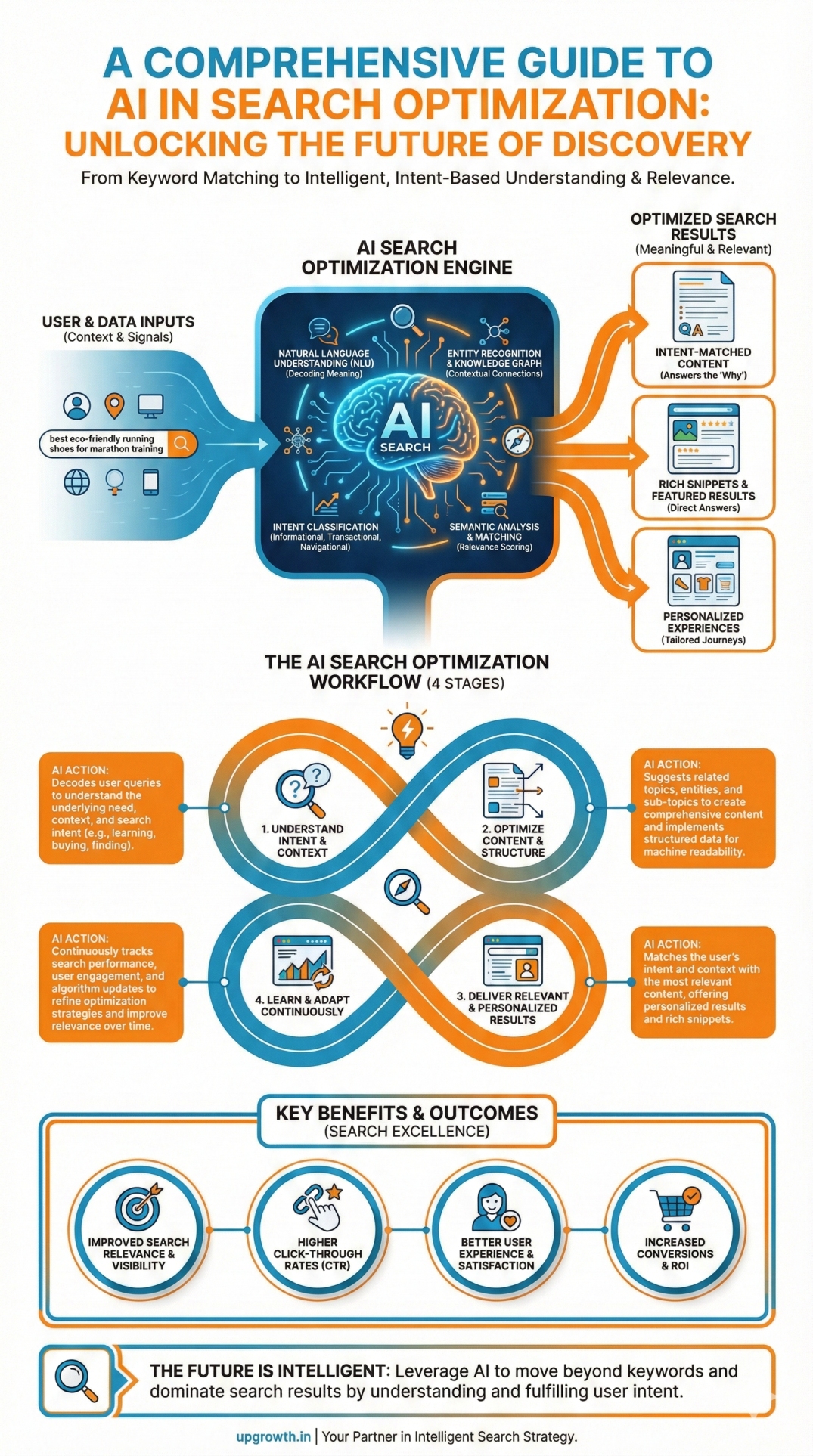
Implementing entity optimization requires a systematic approach. Follow these steps to build a strong entity presence for your brand.
Step 1: Audit Your Current Entity Signals
Start by evaluating your existing digital footprint. Search for your brand name and key personnel to see what information appears. Check whether you have a knowledge panel, consistent business listings, and structured data on your website. Identify gaps and inconsistencies that need correction.
Step 2: Define Your Entity Schema
Create a comprehensive entity profile that includes your organization’s name, logo, description, founding date, headquarters, key personnel, social media profiles, and product or service categories. Use this profile as the foundation for your schema markup and external listings.
Step 3: Implement Structured Data
Add JSON-LD schema to your website’s key pages. Start with Organization schema on your homepage and About page. Add Person schema for key executives and authors. Implement Product or Service schema on relevant pages. Validate your markup using Google’s Rich Results Test to ensure it is error-free.
Step 4: Build Topic Clusters
Map out the core topics that define your entity. Create pillar pages that cover each topic comprehensively, then develop supporting content that explores specific subtopics. Interlink these pages strategically to reinforce the relationships between your content entities.
Step 5: Secure Authoritative Mentions
Launch a digital PR campaign to earn mentions from reputable sources. Target industry publications, local news outlets, and influential blogs. Ensure that mentions include your brand name and relevant descriptive context. Monitor these mentions and engage with journalists and influencers who cover your industry.
Step 6: Maintain Consistency Across Platforms
Audit your Google Business Profile, social media accounts, and third-party directories. Update any outdated or inconsistent information. Use the same logo, brand name, and description everywhere. This consistency reinforces your entity identity across the web.
Step 7: Monitor and Iterate
Track your entity signals over time. Use tools like Google Search Console to monitor impressions for branded queries. Check for knowledge panel appearances and AI Overview citations. Adjust your strategy based on what is working and where gaps remain.
Common Mistakes in AI SEO Search Entity Optimization
Avoiding these pitfalls saves time and prevents damage to your entity reputation.
Inconsistent Business Information
Using different variations of your business name, address, or phone number across platforms confuses search engines. This inconsistency weakens your entity signals and can prevent knowledge panel creation. Conduct a thorough audit and standardize all information.
Misleading Structured Data
Schema markup that does not match your actual content violates Google’s guidelines. This can result in manual actions and loss of rich result eligibility. Only mark up content that is visible and accurate on your pages.
Ignoring Author Entities
For content-heavy sites, author entities are crucial. Google uses author information to assess content credibility. Ensure that every article has a clear author with a bio, social profiles, and consistent naming across the web.
Focusing Only on the Brand Entity
Your organization is not the only entity that matters. Product entities, person entities, and concept entities all contribute to your overall authority. Develop a comprehensive entity strategy that covers all relevant aspects of your business.
Neglecting Off-Site Signals
Entity optimization is not just about your website. Mentions, listings, and references across the web all contribute to your entity profile. Ignoring off-site signals limits your ability to build a complete and trustworthy entity.
Important Notes for Long-Term Success
Entity optimization is an ongoing process, not a one-time project. Search engines continuously update their understanding of entities based on new information and user behavior. Stay proactive by regularly publishing fresh content, earning new mentions, and monitoring your entity profile.
Privacy regulations like GDPR and CCPA affect how you can collect and use personal data for entity building. Ensure that your data practices comply with applicable laws and that you have consent for any personal information you process.
AI systems are evolving rapidly. What works today may need adjustment tomorrow. Stay informed about updates to Google’s algorithms, schema guidelines, and AI search features. Adapt your strategy as the landscape changes.
Frequently Asked Questions
What is the difference between an entity and a keyword in SEO?
An entity is a distinct, well-defined concept such as a person, brand, product, or organization. A keyword is a string of text that users type into search engines. Entity optimization focuses on helping search engines understand what your brand is and how it relates to other concepts, while keyword optimization focuses on matching specific search phrases.
How long does it take to see results from entity optimization?
Entity optimization typically takes three to six months to show initial results, with significant impact appearing after six to twelve months of consistent effort. The timeline depends on your industry, competition, and the current state of your digital footprint. Building a recognized entity requires sustained investment in content, PR, and technical optimization.
Does entity optimization help with AI Overviews and generative search?
Yes. AI-powered search systems rely on entity recognition to select and cite sources. When your brand is a recognized entity with strong structured data and authoritative mentions, AI systems are more likely to reference your content in generated answers. This creates additional visibility beyond traditional organic listings.
Can small businesses benefit from entity optimization?
Absolutely. Small businesses can build strong entity signals through consistent local listings, Google Business Profile optimization, and targeted digital PR. Local entity optimization helps you appear in map packs, local AI answers, and voice search results. The key is focusing on the entities most relevant to your market.
What tools can help with entity optimization?
Google Search Console helps you monitor branded queries and structured data issues. Schema markup validators like Google’s Rich Results Test ensure your code is correct. Brand monitoring tools track mentions across the web. Knowledge panel tracking tools help you monitor your entity profile over time.
Conclusion
AI SEO Search Entity Optimization represents the evolution of search engine optimization in an AI-driven world. By shifting focus from isolated keywords to structured, meaningful entities, you build a digital presence that search engines understand, trust, and reward. The benefits extend beyond rankings to include AI Overview citations, knowledge panel visibility, and resilience against algorithm updates.
The path forward requires technical precision, consistent content creation, and strategic relationship building. Start by auditing your current entity signals, implementing proper structured data, and building a comprehensive topic cluster strategy. Earn authoritative mentions, maintain consistency across all platforms, and monitor your progress continuously.
Search is becoming more intelligent, more conversational, and more contextual. Brands that embrace entity optimization position themselves to thrive in this new landscape. Those that cling to outdated keyword tactics risk being left behind as AI systems reshape how people discover information online. The time to invest in entity optimization is now, and the rewards compound over time.
Xem thêm:
- AI Editorial Calendar: Revolutionize Your Content Planning with Smart Automation
- AI SEO Publishing Workflow: The Complete Guide to Scaling Content Production in 2025
- AI SEO Trends 2027: The Complete Blueprint for Search Dominance
- AI SEO Content Distribution: The Complete Playbook for 2025
- AI SEO Archive Optimization: The Complete Guide to Maximizing Legacy Content Value
Bài viết cùng chủ đề:

AI SEO SEO Automation with Make: The Complete Workflow Guide

AI SEO SEO Automation with Zapier: The Complete Workflow Guide

AI SEO SEO Automation with n8n: The Complete Workflow Guide
AI SEO SEO Automation with Gemini: The Complete Guide to Scaling Organic Growth

AI SEO SEO Automation with Claude: The Complete Guide to Scaling Content in 2025

AI SEO SEO Automation with ChatGPT: The Complete Playbook for 2025

AI SEO & SEO Automation for Affiliate Sites: The 2025 Playbook for Passive Income Growth
AI SEO & SEO Automation for Bloggers: The Complete Guide to Scaling Your Content

AI SEO & SEO Automation for Agencies: The Complete 2025 Playbook

AI SEO and SEO Automation for Ecommerce: The Complete Playbook for 2025

AI SEO & SEO Automation for WordPress: The Complete Playbook for 2025
AI SEO SEO Automation Strategy: The Complete Playbook for 2025

Mastering the AI SEO SEO Automation Process: A Complete Guide to Scaling Organic Growth
AI SEO SEO Automation System: The Complete Guide to Scaling Organic Growth in 2025
AI SEO SEO Automation Platform: The Complete Guide to Scaling Organic Growth in 2025
AI SEO SEO Automation Software: The Complete Guide to Scaling Organic Growth in 2025















