
No products in the cart.
AI SEO Search Intent Mapping: The Complete Guide to Ranking in 2025
10
Aug
Aug
AI SEO Search Intent Mapping has transformed how digital marketers approach content strategy and organic rankings. Understanding the precise reason behind every query allows brands to create content that satisfies both users and search engine algorithms. With Google’s continuous algorithm updates and the rise of generative AI in search results, mapping intent accurately is no longer optional—it is the foundation of sustainable SEO success. This comprehensive guide explores the mechanics, tools, and practical strategies for implementing AI-driven intent mapping in your workflow.
What Is AI SEO Search Intent Mapping?
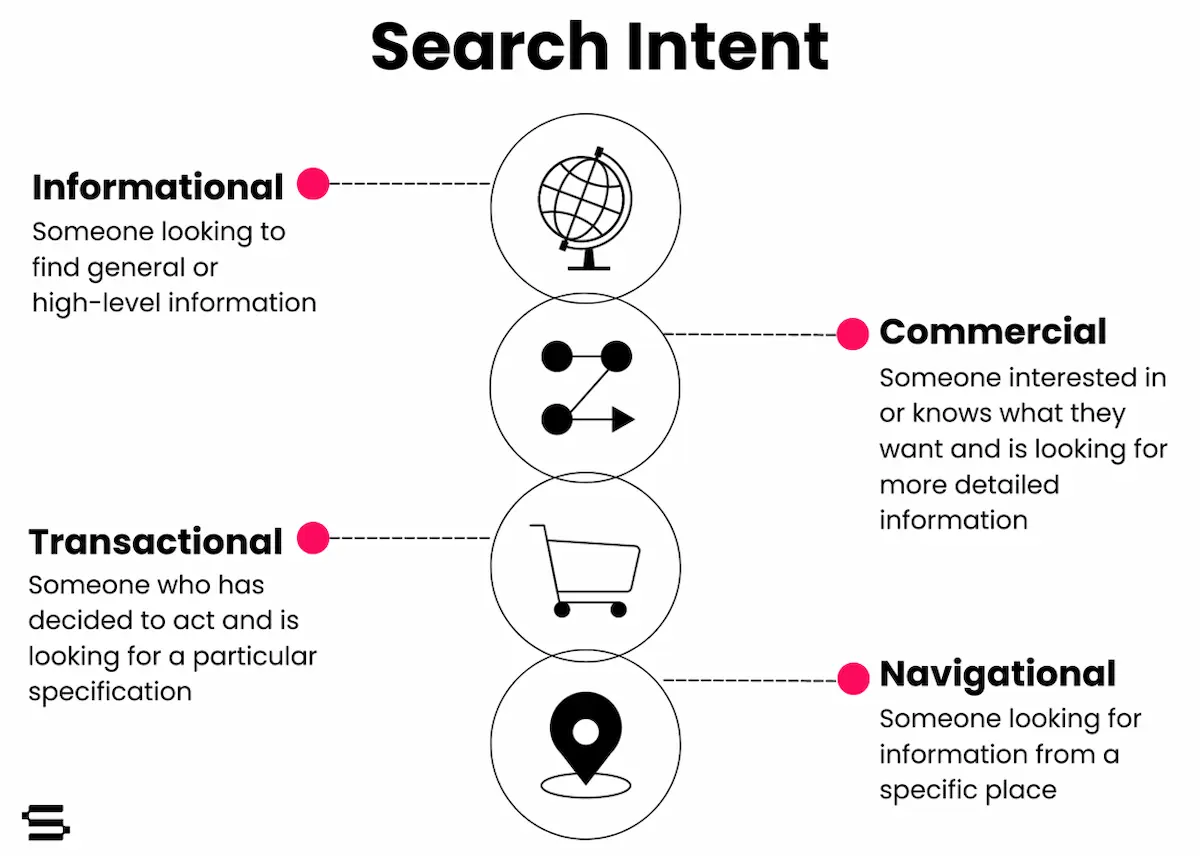
AI SEO Search Intent Mapping is the process of using machine learning algorithms and natural language processing to categorize, analyze, and predict the underlying goal of a user’s search query. Traditional SEO relied on manual keyword categorization into buckets like informational, navigational, commercial, and transactional. AI takes this further by analyzing vast datasets of search behavior, click patterns, and content engagement metrics to understand intent at a granular, contextual level.
This approach moves beyond simple keyword matching. AI systems examine the relationship between words, the user’s search history, device type, location, and even the time of day to infer what the user truly wants. For example, the query “best running shoes” could signal commercial investigation or transactional readiness depending on whether the user adds “for flat feet” or “under $100” to the query. AI models detect these nuances automatically.
The Evolution from Keyword Research to Intent Mapping
Early SEO relied on keyword volume and difficulty scores. Marketers targeted high-volume terms without understanding why users searched for them. This led to high bounce rates and poor conversion metrics. The introduction of semantic search and RankBrain shifted focus toward user satisfaction signals. Today, AI SEO Search Intent Mapping combines behavioral data with content analysis to predict which page will satisfy a query best.
Modern AI tools analyze the top-ranking pages for a keyword cluster and reverse-engineer the intent patterns. They identify whether the top results are blog posts, product pages, category pages, or videos. This data-driven approach ensures your content format matches user expectations, a critical ranking factor that manual research often misses.
Why AI SEO Search Intent Mapping Matters for Rankings
Google’s primary objective is to deliver the most relevant result for each query. The algorithm uses engagement metrics like dwell time, pogo-sticking, and click-through rate to assess whether a page matches user intent. When your content aligns perfectly with intent, these metrics improve, signaling to Google that your page deserves higher rankings.
AI SEO Search Intent Mapping also future-proofs your strategy against the rise of AI Overviews and conversational search. As Google’s Search Generative Experience (SGE) becomes more prevalent, understanding the intent behind queries helps you optimize for featured snippets and AI-generated summaries. Content that directly answers the core question with clear structure is more likely to be cited by AI systems.
The Connection Between Intent and Conversion Rate
Ranking for the wrong intent wastes traffic. A user searching “how to fix a leaky faucet” does not want to see a product page for plumbing services. They want a step-by-step guide. Conversely, a user searching “emergency plumber near me” expects a contact form or phone number immediately. AI SEO Search Intent Mapping ensures you attract the right audience at the right stage of their journey, dramatically improving conversion rates from organic traffic.
Core Components of AI SEO Search Intent Mapping
Implementing this strategy requires understanding its core components. Each element contributes to a complete picture of user behavior and content requirements.
1. Query Classification and Categorization
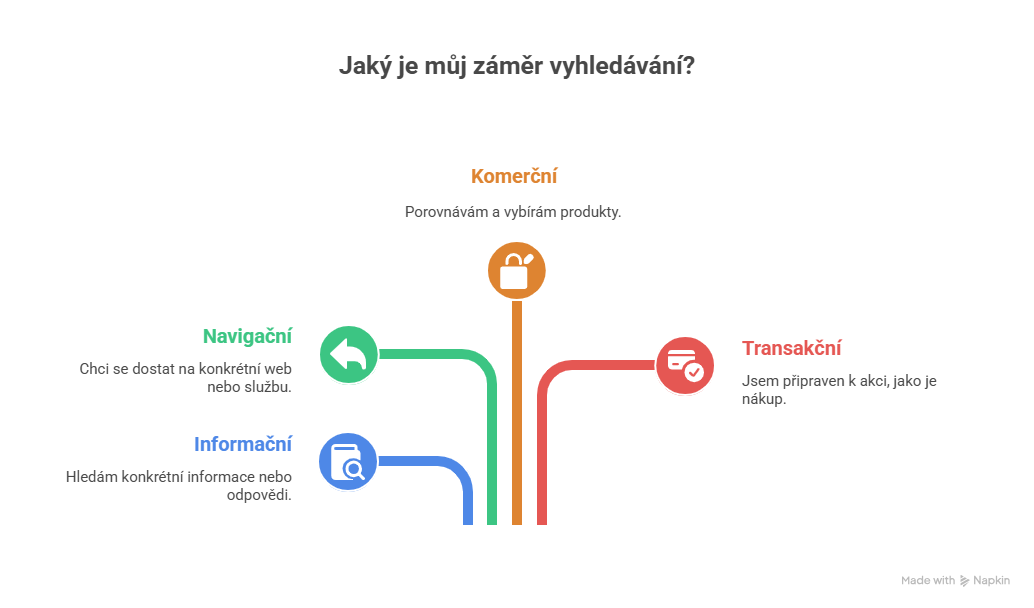
AI systems classify queries into four primary intent categories, but with much more nuance than traditional methods. Informational intent covers queries seeking knowledge. Navigational intent involves users looking for a specific website. Commercial investigation includes product comparisons and reviews. Transactional intent signals readiness to purchase. AI adds sub-categories like “definitional,” “comparative,” “directional,” and “local” to refine content strategy further.
2. Entity Recognition and Semantic Analysis
AI models identify entities within queries—people, places, products, and concepts—and understand their relationships. For instance, the query “iPhone 15 battery life” contains entities like “iPhone 15” and “battery life.” The AI understands that the user wants specifications, not a review of the camera. This semantic understanding allows for the creation of content that covers all related entities comprehensively.
3. Search Engine Results Page (SERP) Feature Analysis
AI tools analyze the SERP layout for target keywords. They detect whether the results include featured snippets, people-also-ask boxes, video carousels, or local packs. This analysis reveals the dominant intent. If a SERP shows a featured snippet, the intent is likely informational. If it shows product listings, the intent is transactional. AI SEO Search Intent Mapping uses this data to recommend the optimal content format.
4. User Behavior Signal Integration
Advanced AI systems integrate data from Google Search Console, analytics platforms, and clickstream data. They analyze which pages users visit after searching, how long they stay, and whether they return to the search results. These behavioral signals provide real-world validation of whether your content matches intent, allowing for continuous optimization.
How to Implement AI SEO Search Intent Mapping in Your Workflow
Implementing this strategy requires a systematic approach. The following steps outline a practical workflow that combines AI tools with human expertise.
Step 1: Collect and Cluster Your Keywords
Start with a comprehensive keyword list from tools like Ahrefs, SEMrush, or Google Keyword Planner. Use AI-powered clustering tools to group keywords by topic and semantic similarity. These tools analyze the search results for each keyword and group them based on shared intent patterns. The result is a set of keyword clusters that share a common user goal.
Step 2: Analyze the SERP Landscape for Each Cluster
For each cluster, examine the current top-ranking pages. Note the content format, length, and structure. Use AI tools that provide SERP analysis features to identify common elements across top results. Look for patterns in headings, media usage, and schema markup. This analysis reveals the expected format for satisfying the intent.
Step 3: Map Intent to the Buyer’s Journey Stage
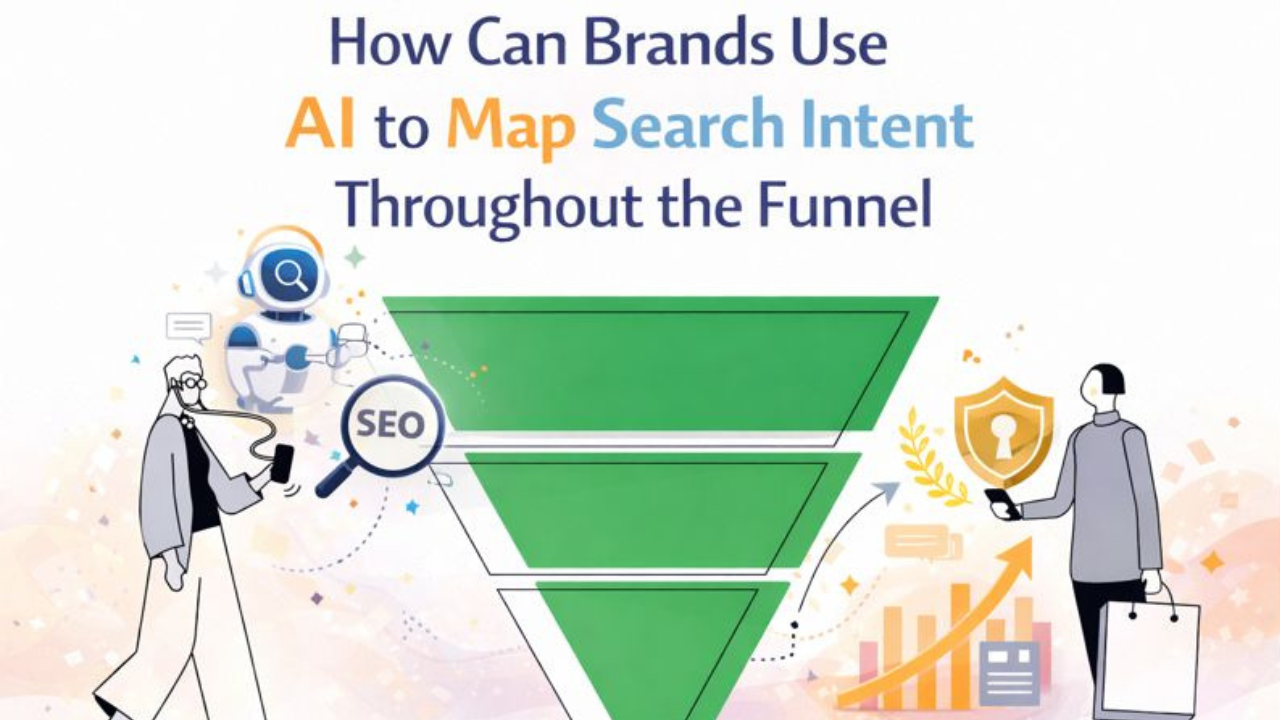
Assign each cluster to a stage in the marketing funnel. Top-of-funnel clusters target informational intent and require educational content. Middle-of-funnel clusters target commercial investigation and need comparison guides or case studies. Bottom-of-funnel clusters target transactional intent and require product pages with strong calls-to-action. AI tools can automate this classification based on keyword modifiers and SERP features.
Step 4: Create Content That Matches Intent Exactly
Develop content briefs based on the intent analysis. For informational intent, create comprehensive guides with clear headings, bullet points, and visual aids. For commercial intent, include comparison tables, pros and cons lists, and expert opinions. For transactional intent, focus on product benefits, pricing, and conversion elements. Ensure your content structure mirrors the top-ranking pages while offering superior value.
Step 5: Optimize for AI and Featured Snippets
Structure your content to be easily parsed by AI systems. Use concise answer paragraphs at the beginning of sections. Implement proper heading hierarchy. Include lists and tables for quick reference. Add FAQ schema to increase the chances of appearing in rich results. AI SEO Search Intent Mapping includes optimizing for the AI-driven search landscape, not just traditional blue links.
Step 6: Monitor Performance and Iterate
Track your rankings, click-through rates, and engagement metrics after publishing. Use AI-powered analytics tools to identify pages that underperform relative to their intent classification. Analyze user behavior on these pages to identify gaps between expected and actual intent. Continuously refine your content and internal linking strategy based on these insights.
Top AI Tools for Search Intent Mapping
Several tools specialize in AI-driven intent analysis. Each offers unique features that streamline the mapping process.
| Tool | Key Features | Best For |
|---|---|---|
| Surfer SEO | Content optimization based on SERP analysis, intent scoring, real-time recommendations | On-page optimization and content briefs |
| Clearscope | Semantic keyword recommendations, content grading, competitor analysis | Comprehensive content creation |
| MarketMuse | AI-driven content modeling, intent classification, topical authority scoring | Enterprise-level content strategy |
| Frase | SERP analysis, content brief generation, AI writing assistance | Rapid content production |
| Semrush | Keyword intent classification, SERP feature analysis, topic research | Full-funnel SEO campaigns |
These tools reduce manual research time significantly. However, human oversight remains essential. AI tools provide data and recommendations, but understanding your specific audience’s nuances requires human judgment.
Benefits of AI SEO Search Intent Mapping
Adopting this approach yields measurable benefits across your entire digital marketing ecosystem.
Improved Search Rankings and Visibility
Content that matches intent earns better engagement signals, leading to higher rankings. Google recognizes when users find what they need quickly and rewards pages that deliver. AI SEO Search Intent Mapping ensures your content aligns with algorithmic expectations, resulting in sustained organic growth.
Higher Conversion Rates
Attracting the right visitors is more valuable than attracting more visitors. Intent mapping ensures your traffic consists of users ready to engage with your content, subscribe to your newsletter, or make a purchase. This targeted approach maximizes the return on your content marketing investment.
Enhanced Content Efficiency
Instead of creating content for every keyword variation, you create comprehensive resources that satisfy multiple related queries. AI SEO Search Intent Mapping identifies content gaps and overlaps, allowing you to consolidate efforts. This efficiency reduces production costs and improves content quality.
Better User Experience
When users find content that directly answers their query, they stay longer, explore more pages, and return to your site. This positive experience builds brand trust and loyalty. AI-driven intent mapping prioritizes user satisfaction, which is the ultimate goal of search engines.
Limitations and Challenges of AI SEO Search Intent Mapping
While powerful, this approach has limitations that marketers must acknowledge.
Data Quality and Availability
AI models require large amounts of high-quality data to make accurate predictions. Small websites or niche industries may lack sufficient search volume data for reliable intent analysis. In these cases, manual research and industry expertise become more important than AI recommendations.
Rapidly Changing User Behavior
Search intent evolves over time. A query that was purely informational last year may now have commercial undertones due to market changes or new product launches. AI models need continuous updates to remain accurate. Regular monitoring and recalibration are essential.
Over-Reliance on Automation
Following AI recommendations blindly can lead to generic, formulaic content. The most successful strategies combine AI insights with creative human input. Understanding your unique value proposition and audience pain points requires empathy that AI cannot replicate.
Algorithm Updates and AI Search Changes
Google’s algorithms and AI features change frequently. A content format that works today may become obsolete tomorrow. Staying informed about search industry trends and adapting your intent mapping strategy accordingly is crucial for long-term success.
Common Mistakes in AI SEO Search Intent Mapping
Avoid these frequent errors to maximize the effectiveness of your strategy.
Mistake 1: Confusing Keyword Volume with Intent Value
High-volume keywords often have mixed intent. Ranking for them may attract traffic that does not convert. Focus on keywords with clear intent signals, even if the volume is lower. The quality of traffic matters more than quantity.
Mistake 2: Ignoring SERP Features
Failing to analyze the SERP layout leads to creating content in the wrong format. If the top results are videos, a text article will struggle to rank. Always examine the current SERP before committing to a content format.
Mistake 3: Creating One-Size-Fits-All Content
Attempting to satisfy multiple intents with a single page dilutes relevance. A page that tries to be both informational and transactional often fails at both. Create separate pages for different intent types and interlink them strategically.
Mistake 4: Neglecting User Experience Signals
Even with perfect intent mapping, poor page speed, intrusive pop-ups, or confusing navigation will hurt engagement. Technical SEO and user experience are integral parts of intent satisfaction. Ensure your site performs well on all devices.
Mistake 5: Not Updating Content Regularly
Intent patterns shift as industries evolve. Content that matched intent two years ago may now be outdated. Implement a regular content audit schedule to refresh pages with new information, updated statistics, and improved formatting.
Important Notes for Successful Implementation
Keep these considerations in mind as you integrate AI SEO Search Intent Mapping into your strategy.
- Start with a clear understanding of your target audience and their pain points before using AI tools
- Use multiple AI tools to cross-validate intent classifications and avoid bias from a single source
- Combine quantitative data from AI with qualitative insights from customer feedback and sales teams
- Prioritize intent mapping for your most commercially valuable keywords first
- Document your intent mapping process to ensure consistency across your content team
- Align intent mapping with your broader content strategy and business objectives
- Stay updated on Google’s guidelines regarding AI-generated content and ensure your content maintains human value
Frequently Asked Questions
What is the difference between search intent and keyword research?
Keyword research identifies the terms users type into search engines. Search intent mapping goes deeper by analyzing the underlying goal behind those terms. Traditional keyword research focuses on volume and difficulty, while intent mapping focuses on user behavior and content format requirements. AI SEO Search Intent Mapping combines both by using machine learning to classify keywords by their purpose and predict the content type that will satisfy the query.
How does AI determine search intent?
AI systems analyze multiple data points to determine intent. These include the words in the query, the user’s search history, the click patterns of previous users for the same query, and the characteristics of top-ranking pages. Machine learning models are trained on millions of search interactions to recognize patterns that indicate informational, navigational, commercial, or transactional intent. The models continuously learn from new data to improve accuracy.
Can AI SEO Search Intent Mapping work for local businesses?
Yes, it is highly effective for local SEO. AI tools can analyze local search patterns and identify intent variations based on geographic modifiers. For example, “best pizza” has different intent than “best pizza near me.” The latter signals immediate action intent. Local businesses can use intent mapping to create content that targets users at different stages, from researching options to visiting a store.
How often should I update my intent mapping strategy?
Review your intent mapping at least quarterly. Search trends, competitor activities, and algorithm updates can shift intent patterns rapidly. Monitor your analytics for changes in user behavior, such as increased bounce rates or declining conversions, which may indicate an intent mismatch. Continuous monitoring and adjustment are key to maintaining alignment with user expectations.
What is the role of content format in search intent mapping?
Content format is a critical component of intent satisfaction. Informational queries typically require blog posts, guides, or videos. Commercial queries benefit from comparison tables, reviews, and case studies. Transactional queries need product pages with clear pricing and purchase options. AI SEO Search Intent Mapping analyzes the dominant format in search results to guide your content creation, ensuring your page matches user expectations for that query type.
Conclusion
AI SEO Search Intent Mapping represents a fundamental shift from keyword-centric SEO to user-centric optimization. By understanding the precise needs behind every query, you can create content that ranks higher, engages better, and converts more effectively. The integration of AI tools accelerates this process, providing data-driven insights that were previously impossible to obtain at scale.
The future of search is undeniably AI-driven. Google’s algorithms are becoming more sophisticated at understanding user intent, and generative AI is changing how users interact with search results. Marketers who embrace AI SEO Search Intent Mapping today will be well-positioned to thrive in this evolving landscape. Start by auditing your current content against intent classifications, implement the tools and processes outlined in this guide, and commit to continuous optimization based on real user behavior data.
The competitive advantage lies not in outranking competitors for keywords, but in understanding your audience better than anyone else. AI SEO Search Intent Mapping provides the framework to achieve that understanding and turn it into measurable business results.
Xem thêm:
- AI SEO AI SEO Audit Tool: The Complete Guide to Automated Site Optimization
- AI Meta Descriptions: The Complete Guide to Writing High-Converting Search Snippets With Artificial Intelligence
- AI SEO AI Visibility Tracking: The Complete Guide to Modern Search Performance
- AI SEO AI Referral Traffic: The Complete Guide to Winning Algorithmic Referrals in 2025
- AI SEO Natural Language Keywords: The Complete Guide to Conversational Search Optimization
Bài viết cùng chủ đề:

AI SEO SEO Automation with Make: The Complete Workflow Guide

AI SEO SEO Automation with Zapier: The Complete Workflow Guide

AI SEO SEO Automation with n8n: The Complete Workflow Guide
AI SEO SEO Automation with Gemini: The Complete Guide to Scaling Organic Growth

AI SEO SEO Automation with Claude: The Complete Guide to Scaling Content in 2025

AI SEO SEO Automation with ChatGPT: The Complete Playbook for 2025

AI SEO & SEO Automation for Affiliate Sites: The 2025 Playbook for Passive Income Growth
AI SEO & SEO Automation for Bloggers: The Complete Guide to Scaling Your Content

AI SEO & SEO Automation for Agencies: The Complete 2025 Playbook

AI SEO and SEO Automation for Ecommerce: The Complete Playbook for 2025

AI SEO & SEO Automation for WordPress: The Complete Playbook for 2025
AI SEO SEO Automation Strategy: The Complete Playbook for 2025

Mastering the AI SEO SEO Automation Process: A Complete Guide to Scaling Organic Growth
AI SEO SEO Automation System: The Complete Guide to Scaling Organic Growth in 2025
AI SEO SEO Automation Platform: The Complete Guide to Scaling Organic Growth in 2025
AI SEO SEO Automation Software: The Complete Guide to Scaling Organic Growth in 2025















