
No products in the cart.
AI SEO Semantic Entity SEO: The Complete Guide to Future-Proof Rankings
10
Aug
Aug
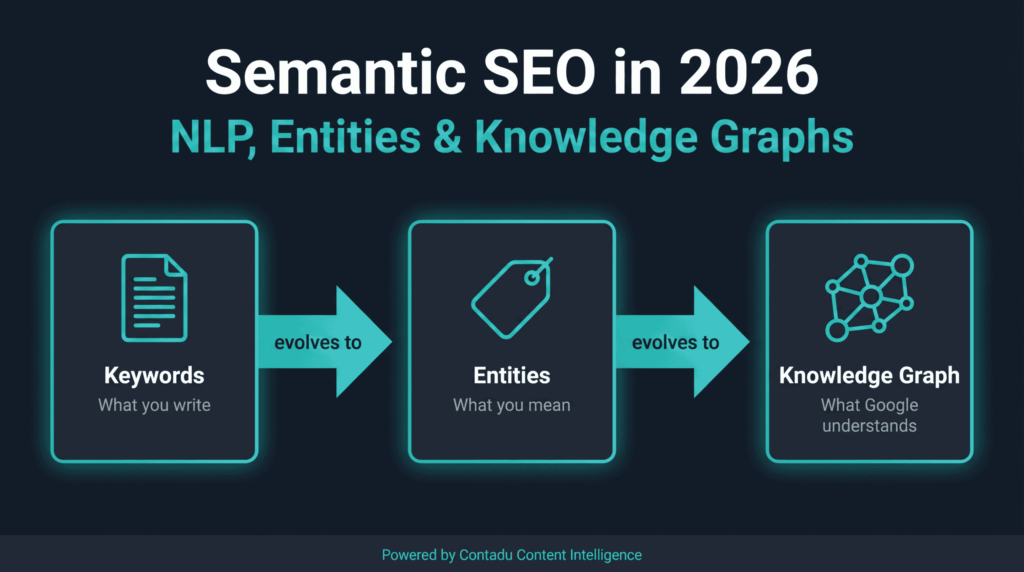
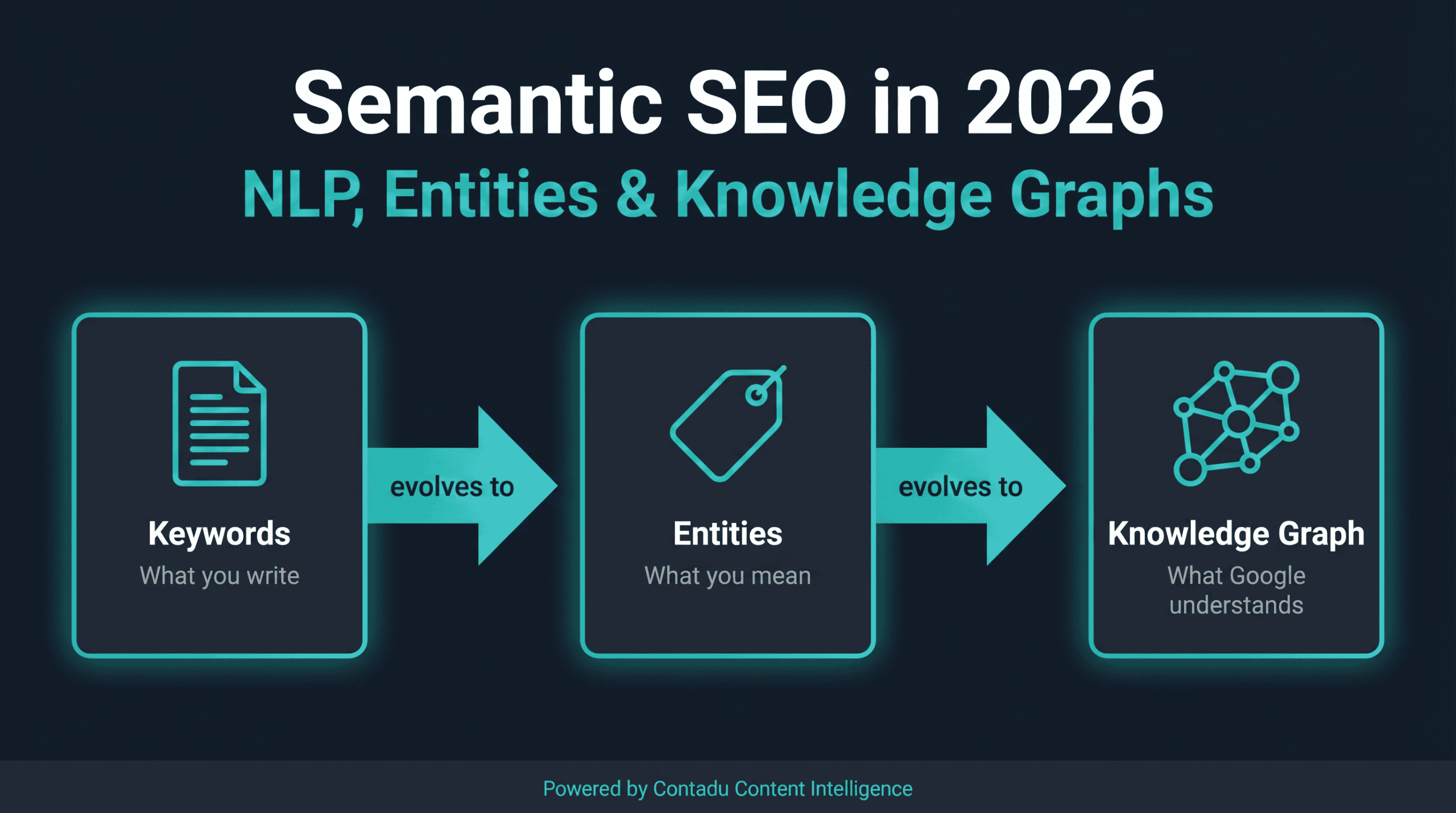
Search engines have moved far beyond simple keyword matching. The modern search landscape is built on understanding meaning, context, and relationships between concepts. This is where AI SEO Semantic Entity SEO comes into play. This approach combines artificial intelligence with semantic analysis to help search engines understand your content the same way a human expert would. By focusing on entities—people, places, things, and concepts—rather than just keywords, you can build topical authority that withstands algorithm updates and delivers sustainable organic traffic.
Understanding AI SEO Semantic Entity SEO
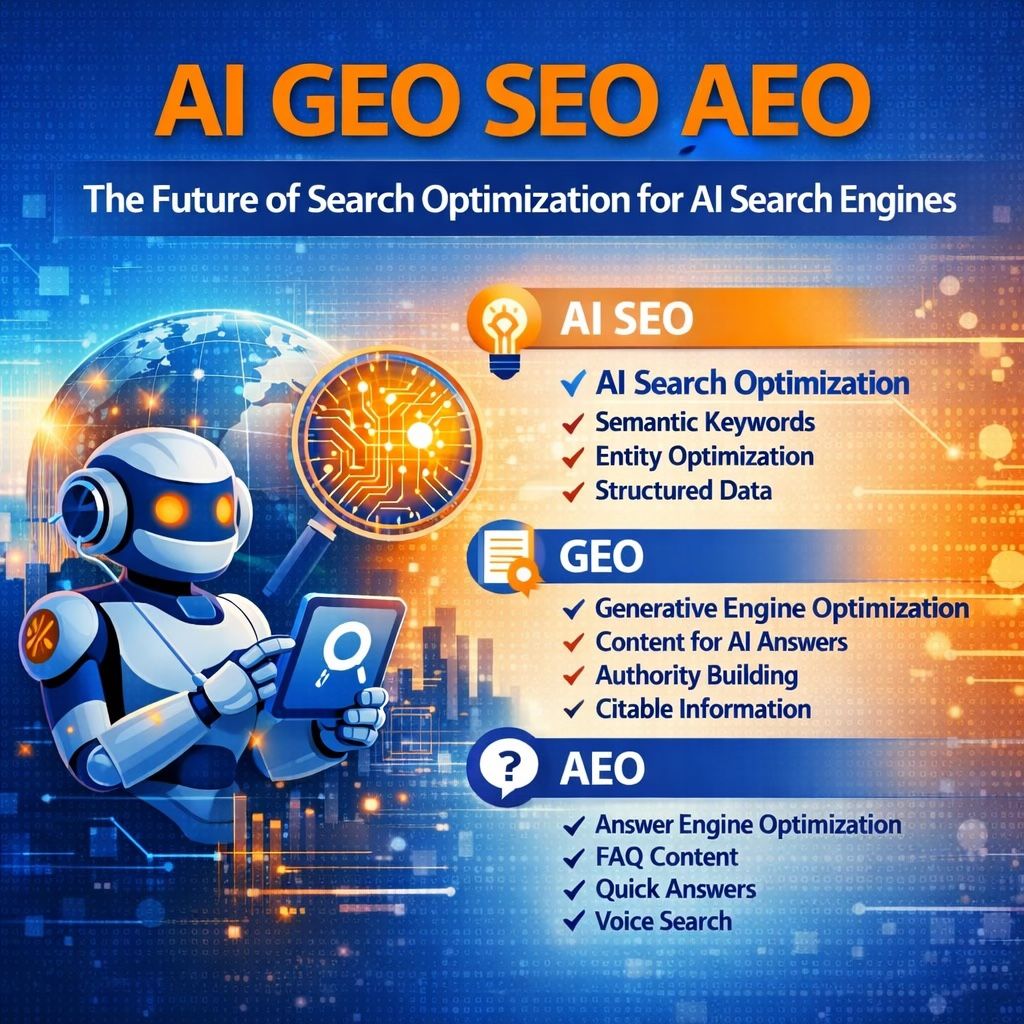
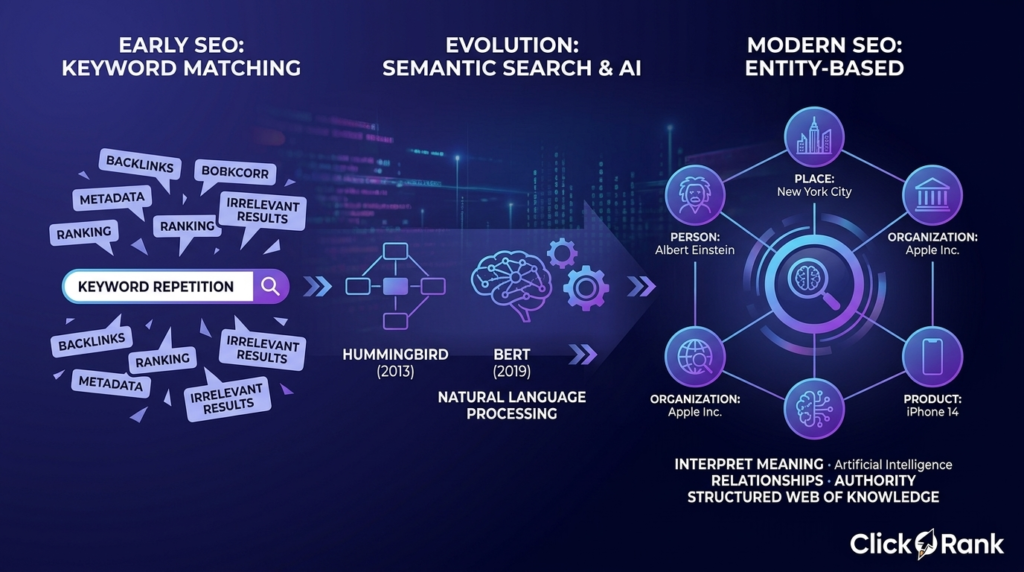
AI SEO Semantic Entity SEO is the practice of optimizing content for search engines by leveraging artificial intelligence to identify, structure, and connect semantic entities. An entity is a distinct, well-defined object or concept that has a unique identity. This could be a person like Albert Einstein, a place like Paris, a product like iPhone 15, or an abstract concept like climate change.
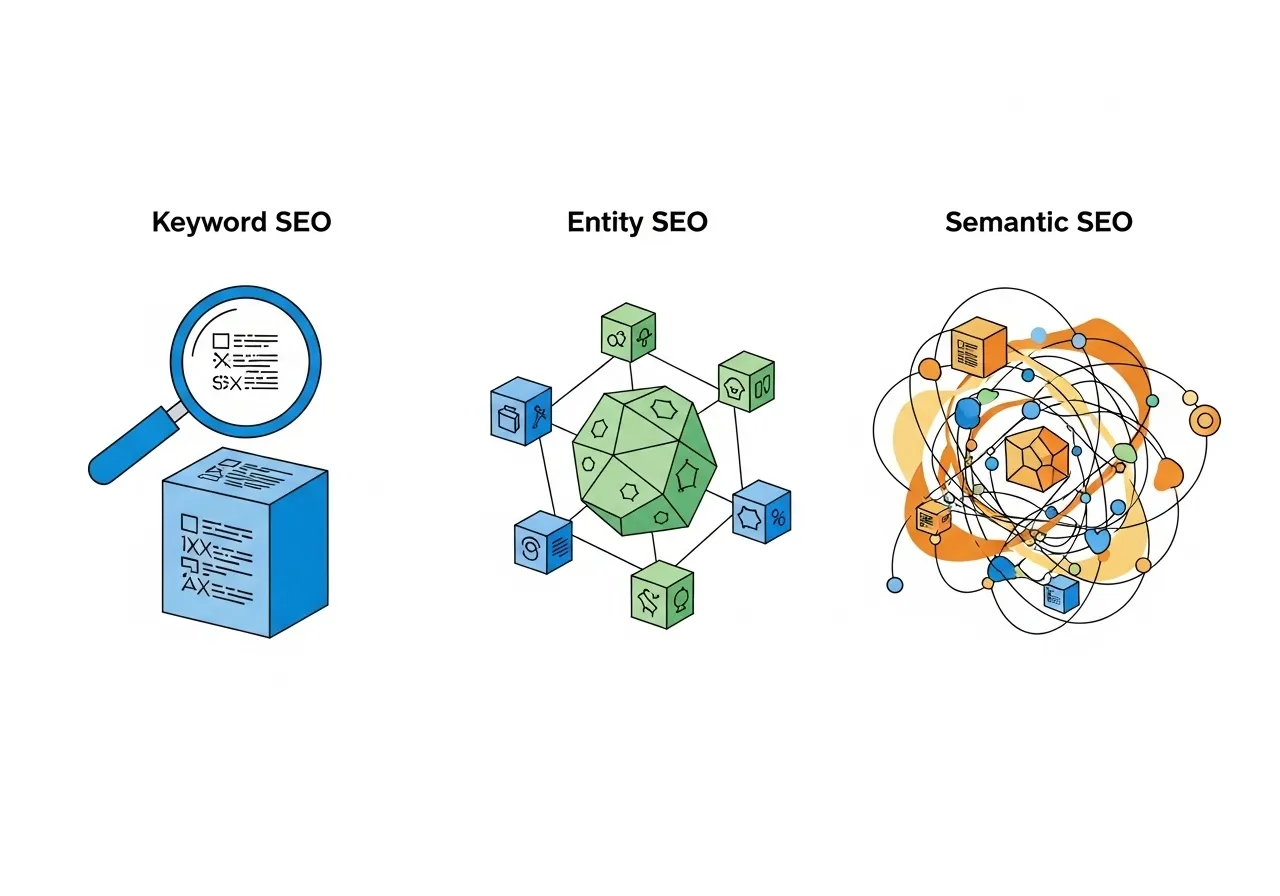
Traditional SEO focused on keywords as the primary signal. Semantic entity SEO shifts the focus to how these entities relate to each other. For example, if you write about “renewable energy,” search engines now understand that this entity relates to “solar panels,” “wind turbines,” “carbon emissions,” and “sustainable development.” By mapping these relationships, you create a knowledge graph that search engines can interpret with high accuracy.
The Role of AI in Semantic SEO
Artificial intelligence processes vast amounts of data to understand language patterns, user intent, and contextual relevance. AI algorithms like Google’s RankBrain and BERT analyze the relationships between words in a query and match them against the semantic structure of your content. These systems evaluate whether your page truly covers a topic comprehensively or merely repeats keywords without adding meaningful context.
AI tools can also assist content creators by suggesting related entities, identifying gaps in topical coverage, and predicting which semantic relationships will improve rankings. This makes AI SEO Semantic Entity SEO a collaborative process between human expertise and machine intelligence.
Why Semantic Entities Matter for Search Rankings
Google processes over 8.5 billion searches per day. The vast majority of these queries are ambiguous without context. When someone searches for “apple,” do they want the fruit, the technology company, or the record label? Semantic entity SEO helps search engines disambiguate these queries by analyzing co-occurring entities and contextual signals.
Search engines build knowledge graphs—massive databases of entities and their interconnections. When your content clearly identifies entities and their relationships, search engines can place your page within this graph. This increases your chances of appearing in rich results, knowledge panels, and featured snippets.
Furthermore, semantic entity optimization aligns with Google’s E-E-A-T guidelines. Content that demonstrates deep understanding of a subject through proper entity usage signals expertise and trustworthiness. This is particularly important for YMYL (Your Money Your Life) topics like health, finance, and legal advice.
Core Components of Semantic Entity SEO
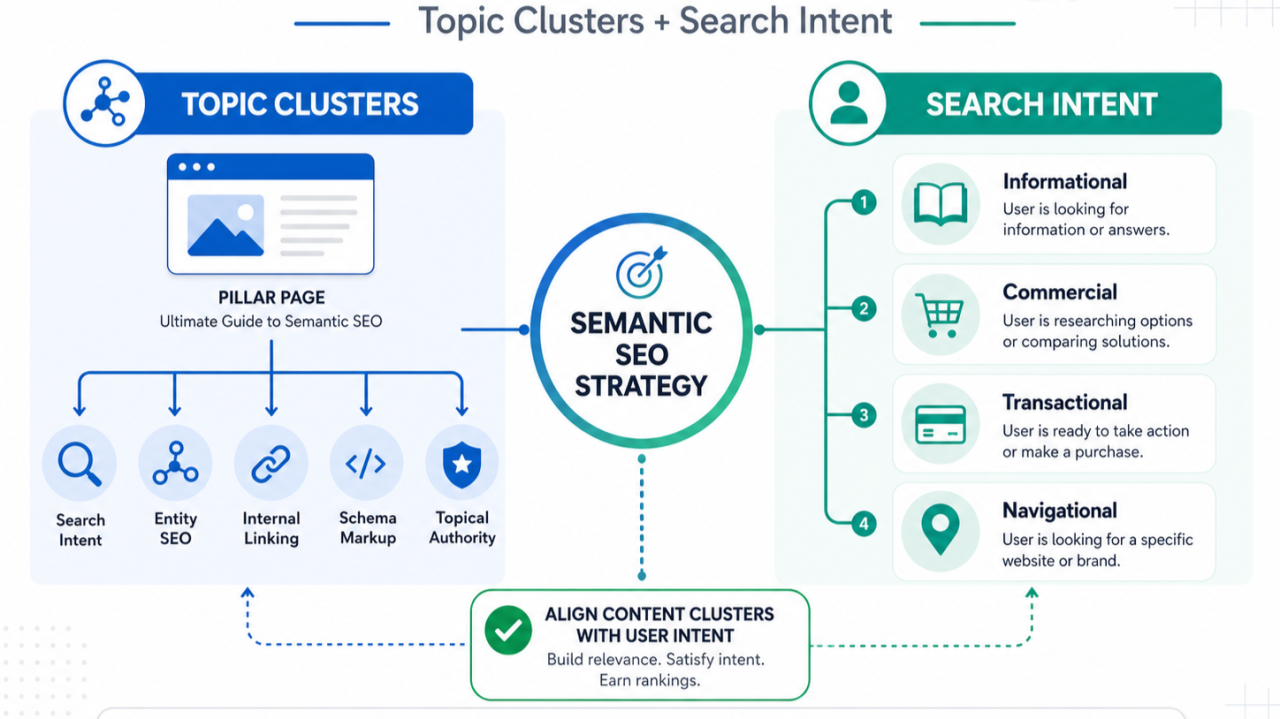
Implementing AI SEO Semantic Entity SEO requires attention to several interconnected components. Each element contributes to the overall semantic clarity of your content.
Entity Identification and Naming
The first step is identifying the primary entities in your content. Use consistent, recognizable names for these entities throughout your article. If you refer to “artificial intelligence” in one paragraph and “AI” in another, search engines need to understand these refer to the same entity. Use the full name at first mention, followed by the abbreviation or alias in parentheses.
Entity Relationships and Context
Clearly establish how entities relate to one another. Use descriptive language that defines these relationships. For instance, instead of simply listing “machine learning” and “neural networks,” explain that neural networks are a subset of machine learning. This explicit relationship mapping helps search engines build accurate knowledge graph connections.
Schema Markup and Structured Data
Schema markup provides explicit signals to search engines about the entities in your content. Use vocabulary from Schema.org to mark up people, organizations, products, events, and concepts. JSON-LD format is recommended for its ease of implementation and compatibility with modern search engine crawlers.
Structured data does not guarantee rich results, but it significantly improves the chances of enhanced visibility. More importantly, it reinforces the semantic relationships you have already established in your natural language content.
Topical Depth and Coverage
Comprehensive coverage of a topic requires addressing all major related entities. If you write about “digital marketing,” your content should naturally incorporate entities like “SEO,” “content marketing,” “social media,” “email marketing,” and “analytics.” This breadth signals to search engines that your page is a authoritative resource on the broader topic.
How to Implement AI SEO Semantic Entity SEO
Implementing this strategy requires a systematic approach that combines research, content creation, and technical optimization. The following process outlines the key steps for successful implementation.
Step 1: Conduct Entity Research
Begin by identifying the core entities relevant to your topic. Use AI-powered SEO tools like Clearscope, MarketMuse, or Surfer SEO to analyze top-ranking pages and extract the entities they mention. These tools use natural language processing to identify key concepts, their frequency, and their relationships.
Create a comprehensive list of primary, secondary, and tertiary entities. Primary entities are the main subjects of your content. Secondary entities support the primary ones. Tertiary entities provide additional context and depth.
Step 2: Map Entity Relationships
Once you have your entity list, create a visual map or outline showing how these entities connect. Determine which entities are parent categories, which are subcategories, and which are related but distinct concepts. This mapping will guide your content structure and internal linking strategy.
For example, if your primary entity is “electric vehicles,” your secondary entities might include “battery technology,” “charging infrastructure,” and “environmental impact.” Tertiary entities could include “lithium-ion batteries,” “Tesla Supercharger network,” and “carbon footprint reduction.”
Step 3: Structure Content Around Entities
Organize your content to reflect the entity hierarchy you have established. Use H2 headings for primary entities and H3 headings for secondary entities. This creates a clear semantic structure that search engines can easily parse.
Each section should thoroughly discuss the entity, its attributes, and its relationships to other entities. Avoid tangential information that does not connect to your core topic. Every paragraph should reinforce the semantic network you are building.
Step 4: Optimize for Natural Language Processing
Write in a natural, conversational style that mirrors how people actually speak and search. AI algorithms are trained on human language patterns, so content that reads naturally is more likely to be understood correctly. Use synonyms, related terms, and descriptive phrases to provide context.
Avoid keyword stuffing and unnatural phrasing. Search engines can detect when content is written for algorithms rather than humans. The best semantic SEO content is indistinguishable from expert-written material.
Step 5: Implement Technical Semantic Signals
Add schema markup to your page to explicitly define entities and their relationships. Use the following schema types where applicable:
- Article or BlogPosting for the main content
- Person for authors and mentioned individuals
- Organization for companies and institutions
- Product for items being discussed
- FAQPage for question-and-answer sections
- BreadcrumbList for navigation hierarchy
Ensure your schema markup matches the visible content on your page. Mismatched or exaggerated structured data can result in manual actions from Google.
Benefits of AI SEO Semantic Entity SEO
Adopting this approach offers numerous advantages over traditional keyword-focused SEO strategies.
Improved Search Intent Matching
Semantic entity optimization ensures your content aligns with the true intent behind user queries. Whether someone searches for information, wants to make a purchase, or seeks a specific website, your content will be positioned to satisfy that intent.
Enhanced Topical Authority
By covering all relevant entities and their relationships, you demonstrate comprehensive knowledge of your subject area. This builds topical authority, which is a significant ranking factor. Over time, search engines will view your domain as a trusted resource for that topic.
Resilience to Algorithm Updates
Search engines are increasingly prioritizing semantic understanding over exact keyword matches. Content optimized for entities and relationships is less likely to be negatively impacted by algorithm updates that target keyword stuffing or thin content.
Better Voice Search Compatibility
Voice search queries are typically longer and more conversational than typed queries. Semantic entity SEO naturally aligns with this pattern, making your content more likely to appear in voice search results.
Increased Visibility in Rich Results
Proper entity markup and semantic structure increase your chances of earning featured snippets, knowledge panels, and other rich results. These enhanced listings dramatically improve click-through rates and brand visibility.
Common Mistakes in Semantic Entity SEO
Even experienced SEO professionals make errors when implementing semantic entity strategies. Being aware of these pitfalls can help you avoid them.
Focusing on Keywords Instead of Entities
Some practitioners simply replace keywords with entity names without changing their overall approach. This misses the point entirely. Semantic SEO requires a fundamental shift in how you conceptualize content—from targeting search terms to building knowledge structures.
Ignoring Context and Relationships
Listing entities without explaining their relationships provides little semantic value. Search engines need to understand how entities connect to each other. Use descriptive language that explicitly defines these connections.
Over-Optimizing with Schema Markup
Adding excessive or irrelevant schema markup can confuse search engines and dilute the semantic signals of your content. Only use schema types that accurately describe the entities on your page.
Neglecting User Experience
Semantic optimization should never come at the expense of readability and user experience. Content that is difficult to read or navigate will have high bounce rates, which negatively impacts rankings regardless of semantic quality.
Failing to Update Existing Content
Semantic entity SEO is not a one-time effort. Search engines continuously refine their understanding of entities and relationships. Regularly audit and update your content to ensure it remains semantically accurate and comprehensive.
Tools for AI SEO Semantic Entity SEO
Several tools can assist with entity research, content optimization, and technical implementation.
| Tool | Primary Function | Best For |
|---|---|---|
| MarketMuse | Content research and optimization | Identifying entity gaps and topical coverage |
| Clearscope | Content optimization | Keyword and entity recommendations |
| Surfer SEO | On-page optimization | Content structure and entity density |
| Google Natural Language API | Entity analysis | Understanding how Google interprets your content |
| Schema.org | Vocabulary reference | Selecting appropriate schema types |
| Ahrefs | Keyword and competitor research | Identifying entity opportunities in your niche |
These tools provide valuable insights, but they should not replace human judgment. The most effective semantic SEO strategies combine AI-powered analysis with human expertise and creativity.
Measuring the Success of Semantic Entity SEO
Tracking the effectiveness of your semantic entity optimization requires monitoring several key metrics.
Organic Search Visibility
Monitor your rankings for target keywords and related terms. Improved visibility for a broader set of queries indicates successful entity optimization.
Featured Snippet Acquisition
Track how often your content appears in position zero. Semantic entity optimization increases your chances of earning these coveted spots.
Engagement Metrics
Analyze time on page, bounce rate, and pages per session. High engagement signals that your content satisfies user intent and provides genuine value.
Entity Coverage Score
Some SEO tools provide entity coverage scores that measure how comprehensively you address a topic. Use these scores to identify areas for improvement.
Important Notes for Long-Term Success
AI SEO Semantic Entity SEO is not a quick fix. It requires consistent effort and ongoing refinement. Keep the following principles in mind as you implement this strategy.
First, prioritize quality over quantity. A single comprehensive, well-structured article that thoroughly covers a topic outperforms multiple thin articles that only scratch the surface. Invest time in creating definitive resources.
Second, stay updated on search engine algorithm changes. Google frequently updates its understanding of entities and semantic relationships. Subscribe to industry publications and monitor official announcements.
Third, combine semantic SEO with traditional technical SEO. Page speed, mobile-friendliness, secure connections, and crawlability remain essential for ranking success. Semantic optimization complements these technical foundations.
Fourth, build a network of internal links that reinforce entity relationships. Link from your comprehensive pillar page to supporting articles and vice versa. This creates a semantic web within your own domain.
Finally, monitor your competitors’ semantic strategies. Analyze which entities they cover, how they structure their content, and where gaps exist in their coverage. Use this information to differentiate your content.
Frequently Asked Questions
What is the difference between semantic SEO and traditional SEO?
Traditional SEO focuses on optimizing for specific keywords and phrases that users type into search engines. Semantic SEO goes beyond keywords to focus on the meaning and relationships between concepts, known as entities. While traditional SEO asks “what words should I target,” semantic SEO asks “what entities should I cover and how do they relate to each other.” Semantic SEO is more aligned with how modern search engines like Google actually process and rank content.
How does AI improve semantic entity SEO?
AI enhances semantic entity SEO in several ways. Natural language processing algorithms can identify entities in your content and determine their relationships. Machine learning models can predict which entities are most relevant to a given topic. AI-powered tools can analyze top-ranking pages to extract entity lists and coverage gaps. Additionally, AI helps search engines understand user intent behind queries, allowing them to match content to queries based on semantic relevance rather than just keyword matches.
Do I need to use schema markup for semantic SEO?
Schema markup is not strictly required for semantic SEO, but it significantly enhances your efforts. Structured data provides explicit signals that help search engines understand your content without ambiguity. While natural language processing can infer entities and relationships from your text, schema markup removes any doubt. Implementing schema also makes your content eligible for rich results, which can improve click-through rates. For best results, combine natural language entity optimization with appropriate schema markup.
How long does it take to see results from semantic entity SEO?
Results vary depending on your niche, competition level, and current domain authority. Some websites see improvements within a few weeks, while others may take several months. Semantic entity SEO is a long-term strategy that builds cumulative authority. The more consistently you implement entity optimization across your content, the stronger your topical authority becomes. Patience and consistency are essential for achieving meaningful results.
Can semantic entity SEO work for local businesses?
Yes, semantic entity SEO is highly effective for local businesses. Local entities include your business name, address, phone number, service areas, and the products or services you offer. By clearly establishing these entities and their relationships, you help search engines understand your business and match it to relevant local queries. Use LocalBusiness schema markup and ensure your NAP (Name, Address, Phone) information is consistent across all platforms.
Conclusion
AI SEO Semantic Entity SEO represents the evolution of search optimization. As search engines become increasingly sophisticated in their understanding of language and meaning, the ability to structure content around entities and their relationships becomes a critical competitive advantage. This approach moves beyond the limitations of keyword targeting to create content that genuinely serves user intent and demonstrates deep expertise.
The implementation requires a thoughtful combination of AI-powered research, strategic content structuring, and technical optimization. By identifying relevant entities, mapping their relationships, and creating comprehensive content that covers these connections, you position your website for sustainable organic growth. The benefits extend beyond rankings to include enhanced brand authority, improved user engagement, and resilience against algorithm changes.
Start by auditing your existing content to identify entity gaps and opportunities. Invest in AI-powered tools that can accelerate your research and optimization efforts. Most importantly, commit to creating content that truly serves your audience with accurate, comprehensive, and semantically rich information. The search engines will recognize this commitment and reward it with improved visibility and performance.
Xem thêm:
- AI SEO for Influencers: The Complete Guide to Ranking and Growing in 2025
- AI SEO Automated Meta Tags: The Complete Guide to Smarter On-Page Optimization
- AI Local SEO: The Smart Way to Dominate Neighborhood Search Results
- AI SEO GEO Strategy: The Complete Guide to Generative Engine Optimization in 2025
- AI SEO Caching: The Complete Guide to Accelerating AI Search Visibility
Bài viết cùng chủ đề:

AI SEO SEO Automation with Make: The Complete Workflow Guide

AI SEO SEO Automation with Zapier: The Complete Workflow Guide

AI SEO SEO Automation with n8n: The Complete Workflow Guide
AI SEO SEO Automation with Gemini: The Complete Guide to Scaling Organic Growth

AI SEO SEO Automation with Claude: The Complete Guide to Scaling Content in 2025

AI SEO SEO Automation with ChatGPT: The Complete Playbook for 2025

AI SEO & SEO Automation for Affiliate Sites: The 2025 Playbook for Passive Income Growth
AI SEO & SEO Automation for Bloggers: The Complete Guide to Scaling Your Content

AI SEO & SEO Automation for Agencies: The Complete 2025 Playbook

AI SEO and SEO Automation for Ecommerce: The Complete Playbook for 2025

AI SEO & SEO Automation for WordPress: The Complete Playbook for 2025
AI SEO SEO Automation Strategy: The Complete Playbook for 2025

Mastering the AI SEO SEO Automation Process: A Complete Guide to Scaling Organic Growth
AI SEO SEO Automation System: The Complete Guide to Scaling Organic Growth in 2025
AI SEO SEO Automation Platform: The Complete Guide to Scaling Organic Growth in 2025
AI SEO SEO Automation Software: The Complete Guide to Scaling Organic Growth in 2025















